
Architectural & Design Applications of Herringbone Mesh

The herringbone pattern, with its distinctive zigzag design, has long been a favorite in textiles and flooring. However, recent innovations have expanded its use into architecture and nanotechnology. From kinetic facades that adapt to the environment to microscopic patterns used in water filtration, herringbone mesh is proving to be a versatile and functional material. This article explores the unique applications of herringbone mesh in modern architecture and design, highlighting its potential to transform both aesthetics and functionality.
 

Architectural & Design Applications of Herringbone Mesh


Kinetic Herringbone Mesh Facades 


 Imagine a building whose exterior can move and adapt to changing conditions. Herringbone mesh panels offer this possibility, creating kinetic facades that can respond to sunlight, wind, and temperature changes. These panels, made from materials like stainless steel, provide a durable and visually striking solution for modern architecture. The herringbone mesh pattern not only adds a unique aesthetic appeal but also enhances the structural integrity and adaptability of the facade.


  • Adaptive Design for Energy EfficiencyKinetic herringbone mesh facades can significantly improve a building's energy efficiency. By adjusting their orientation and density, these panels can optimize natural light intake, reduce heat gain, and improve ventilation. This adaptability reduces the need for artificial lighting and air conditioning, leading to significant energy savings. The herringbone mesh pattern ensures that the panels remain structurally sound while allowing for the necessary movement and flexibility.
  •  
  • Aesthetic and Functional IntegrationBeyond their functional benefits, kinetic herringbone mesh facades offer a unique visual experience. The dynamic movement of the panels creates a constantly changing pattern, making the building a living, breathing entity. This integration of form and function is a hallmark of modern architectural design, where aesthetics and practicality go hand in hand. Herringbone mesh panels can be customized to suit various architectural styles, from sleek modern designs to more traditional aesthetics.
  •  

Herringbone Mesh in Nanotechnology


In the realm of nanotechnology, herringbone mesh is being used to create microscopic patterns that have significant applications in water filtration. These patterns, etched onto materials at the nanoscale, can enhance the efficiency and effectiveness of filtration systems. The herringbone mesh design allows for better flow dynamics and reduced clogging, making it an ideal choice for advanced filtration technologies.


  • Enhanced Filtration EfficiencyThe herringbone mesh pattern at the nanoscale promotes a more efficient filtration process. By directing the flow of water in a specific direction, it reduces the formation of dead zones and turbulence, ensuring a smoother filtration process. This design also enhances the self-cleaning ability of the filter, as particles are more easily washed away from the surface. The result is a filtration system that requires less maintenance and offers longer service life.
  •  
  • Innovative Applications in Water TreatmentHerringbone mesh in nanotechnology is not just limited to water filtration. It also has potential applications in other areas of water treatment, such as desalination and wastewater management. The unique properties of herringbone mesh at the nanoscale make it suitable for handling high viscosity media and maintaining a stable structure under various conditions. This versatility opens up new possibilities for sustainable and efficient water treatment solutions.
  •  

Stainless Steel Herringbone Mesh Weave Wire 


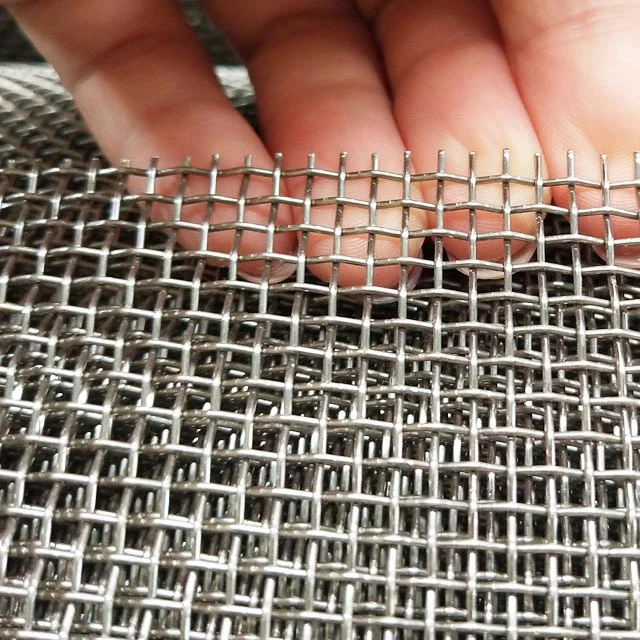
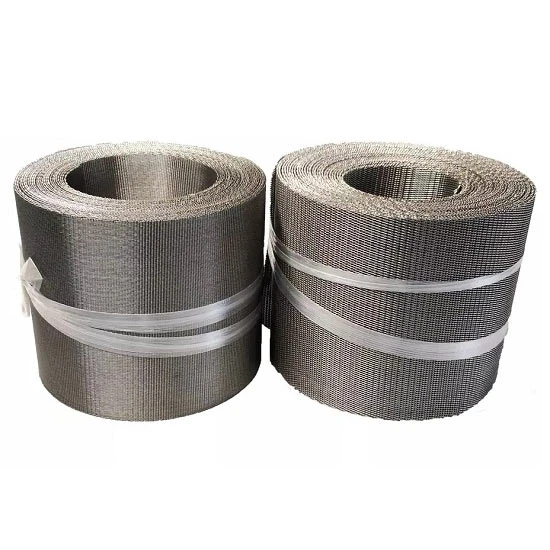
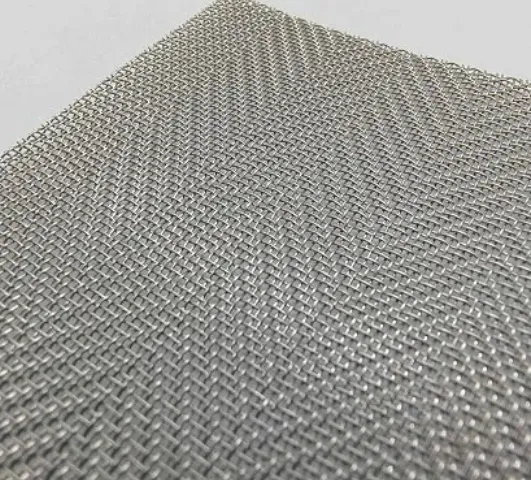
 Stainless steel herringbone mesh, as described by Ansheng Filterscreen, is a high-quality product designed for various industrial applications. This mesh features a flat surface, uniform wire diameter, and precise mesh size. The herringbone mesh pattern ensures directional diversion of fluids, reducing the probability of blockage and enhancing the self-cleaning ability of the mesh. It is ideal for applications requiring high strength, corrosion resistance, and long-term durability.


  • Features and BenefitsThe stainless steel herringbone mesh offers several advantages, including high strength, good toughness, and excellent corrosion resistance. It can withstand various environmental conditions, ensuring a long service life. The mesh is tightly woven, with a neat and smooth edge treatment, making it safe for handling. Its ability to handle high viscosity media and maintain a flat surface under high pressure makes it suitable for a wide range of applications, from industrial filtration to domestic use.
  •  
  • Customization and VersatilityAnsheng Filterscreen provides a variety of standard specifications for their stainless steel herringbone mesh, but they also offer customized services to meet unique requirements. This versatility ensures that customers can find the perfect mesh for their specific needs, whether it's for a filtration system, a protective barrier, or any other application requiring a durable and reliable mesh material.
  •  

FAQ:About Herringbone Mesh


What is the primary benefit of using herringbone mesh in kinetic facades?


The primary benefit of using herringbone mesh in kinetic facades is the combination of aesthetic appeal and functional adaptability. These facades can dynamically adjust to environmental conditions, optimizing natural light intake and reducing heat gain, which leads to significant energy savings. The herringbone mesh pattern ensures structural integrity while allowing for the necessary movement and flexibility.


How does herringbone mesh enhance water filtration in nanotechnology?


Herringbone mesh enhances water filtration in nanotechnology by promoting better flow dynamics and reducing clogging. The pattern directs the flow of water in a specific direction, reducing turbulence and dead zones, and enhancing the self-cleaning ability of the filter. This results in a more efficient filtration process with less maintenance required.


What are the key features of stainless steel herringbone mesh?


The key features of stainless steel herringbone mesh include a flat and clean surface, uniform wire diameter, precise mesh size, and a tightly woven structure. It offers high strength, good toughness, excellent corrosion resistance, and dynamic self-cleaning ability. The mesh is suitable for handling high viscosity media and can maintain its shape and performance under high pressure conditions.


Can the stainless steel herringbone mesh be customized? 


Yes, the stainless steel herringbone mesh can be customized to meet specific requirements. Ansheng Filterscreen offers a variety of standard specifications, but they also provide customized services to ensure customers can find the perfect mesh for their unique applications. This versatility makes it an ideal choice for a wide range of industrial and domestic uses.


Where can I purchase high-quality herringbone mesh products?


You can purchase high-quality herringbone mesh products from reputable manufacturers like Ansheng Filterscreen. They offer a wide range of standard and customized options, ensuring you find the perfect mesh for your needs. By choosing their products, you are not only investing in quality but also supporting sustainable and innovative practices in the industry.


As we continue to explore innovative solutions in architecture and design, herringbone mesh offers a unique blend of aesthetics and functionality. From kinetic facades that adapt to the environment to advanced filtration systems in nanotechnology, herringbone mesh is proving to be a versatile and valuable material. We encourage wholesalers to promote these innovative products and invite everyone to order from our company, contributing to a more sustainable and dynamic future


Post time: Sep . 02, 2025 09:36
Related News
  • Dutch wire mesh, renowned for its precision and versatility, is a crucial material across various industries, from filtration and screening to architectural applications. This article delves into the specifics of Dutch wire mesh, its properties, applications, and why Ansheng Filter Screen is a leading provider of high-quality Dutch wire mesh solutions. Whether you are in need of precise filtration, robust screening, or specialized weaving, understanding the nuances of this material is key to making informed decisions. Let's explore the world of Dutch wire mesh and uncover its many benefits. Dutch wire mesh isn’t a specific weave style but rather a term signifying a precise method of weaving wire, primarily focusing on achieving extremely consistent aperture sizes. It’s characterized by its tightly controlled weave and uniform openings, making it ideal for applications where precise filtration or screening is critical. Typically made from stainless steel (304, 316L, and others), the mesh is known for its durability, corrosion resistance, and ability to withstand high temperatures. The process involves weaving wires in both warp and weft directions, creating a stable and dimensionally accurate fabric.

  • Dutch weave is a versatile type of woven wire mesh known for its unique structure and diverse applications. It's characterized by alternating plain and twill weaves, resulting in a fabric with excellent strength, flexibility, and permeability. This makes it ideal for a range of uses in industries like filtration, screening, and reinforcement. Ansheng Filter Screen specializes in high-quality dutch weave mesh, catering to diverse industrial needs. Understanding the properties and applications of dutch weave is key to maximizing its benefits in various sectors. Dutch weave isn’t a single weave pattern but a combination. It’s created by alternately weaving plain and twill patterns. The twill weave creates a diagonal rib pattern which impacts the mesh’s properties. This unique construction results in a mesh that is more open in one direction than the other, providing excellent flow characteristics. This makes it superior for applications needing high permeability while maintaining good structural integrity.

  • Protecting crops, buildings, and infrastructure from bird damage is a significant concern for many industries. Galvanised bird mesh provides a robust and effective solution. This article will explore the benefits, applications, and key considerations when choosing galvanised bird mesh, offering a detailed overview for those seeking reliable bird control. From agricultural protection to industrial applications, we will cover everything you need to know about this versatile product. Galvanised bird mesh is a woven wire netting coated with a layer of zinc. This galvanisation process provides excellent corrosion resistance, making it suitable for outdoor applications and harsh environments. The mesh is typically made from steel wire, offering strength and durability. Different mesh sizes are available to cater to various bird species and protection needs.

  • When selecting materials for industrial filtration, construction, or agricultural applications, galvanized steel mesh screen stands out as a durable and cost-effective solution. This article will provide a detailed overview of galvanized steel mesh screen, covering its properties, applications, benefits, and important considerations when making a purchase. Understanding its characteristics can help you determine if it’s the ideal material for your specific needs. We will delve into the nuances of this versatile material and how Ansheng Filter Screen provides quality products. Galvanized steel mesh screen is a woven wire mesh manufactured from steel that has been coated with a layer of zinc. This zinc coating acts as a protective barrier against corrosion and rust, significantly extending the lifespan of the steel. The galvanization process can be hot-dip galvanizing or electro-galvanizing, each offering different levels of protection and cost. The mesh is typically available in various weave patterns, such as plain weave, twill weave, and dutch weave, each suited for different filtration and screening needs.

  • Galvanized netting is a versatile and cost-effective solution for a wide range of applications, from agricultural fencing to industrial safety barriers. Its durability and resistance to corrosion make it a popular choice across numerous industries. This article will delve into the properties of galvanized netting, exploring its benefits, common uses, different types available, and how to select the best netting for your specific needs. Understanding the nuances of galvanized netting will ensure you make an informed decision and maximize its lifespan and effectiveness. Galvanized netting is woven from steel wire that has been coated with a layer of zinc through a process called galvanization. This zinc coating acts as a barrier against corrosion, protecting the steel from rust and environmental damage. There are two primary galvanization methods: hot-dip galvanizing and electro-galvanizing. Hot-dip galvanizing involves immersing the steel wire in a bath of molten zinc, creating a thick and durable coating. Electro-galvanizing uses an electric current to deposit a thinner layer of zinc onto the wire.

  • Dutch weave mesh is a versatile and durable material used in a wide range of industrial and filtration applications. Known for its unique weaving pattern, it provides excellent strength and permeability. This article will explore the characteristics, applications, benefits, and considerations when choosing Dutch weave mesh, providing a thorough understanding for professionals and buyers. Understanding its properties is vital to selecting the right mesh for your needs. Dutch weave mesh is created by weaving two sets of wires – one heavier warp wire and one finer shute wire – in a specific pattern. This construction results in a mesh with larger openings in one direction and smaller openings in the other. The heavier warp wires provide strength and dimensional stability, while the finer shute wires create a greater open area for improved flow rates. This unique structure differentiates it from plain weave or twill weave meshes, making it ideal for applications requiring both filtration and structural integrity.

  • Explore the benefits, applications, and vendors of Reverse Dutch Weave for industrial filtration systems. Learn how Ansheng Filter Screen delivers durable and high-performance filtration solutions.

  • Explore the benefits, applications, and vendor landscape of Reverse Dutch Weave Wire Mesh. Learn how Ansheng Filterscreen can help you optimize your filtration processes.

WE PROVIDE HIGH QUALITYEQUIPMENT
Recommend Products
  • Stainless Steel Plain Weave Wire Mesh

    Stainless steel plain weave wire mesh, also known as Stainless steel wire cloth, stainless steel screen, stainless steel gauze. Materials: Stainless steel 201, 304, 316, 316L, etc. Plain weave scope of Mesh : 1mesh-635mesh Plain weave scope of wire diameter: 1mm-0.001mm Plain weave scope of width: usually 0.915m-2meters, and special specifications can be customized according to customer requirements. Plain weave scope of length: generally 30 meters. Stainless steel wire mesh weave type: plain weave, twill weave, herringbone weave, dutch weave, reserve dutch weave

  • Stainless Steel Reverse Dutch Weave Wire Mesh

    Stainless steel reserve dutch weave wire mesh, also known as Stainless steel wire cloth, stainless steel screen, stainless steel gauze. Materials: Stainless steel 201, 304, 316, 316L, etc. Reserve dutch weave scope of Mesh : 72x15mesh-260x40mesh Reserve dutch weave scope of wire diameter: 0.55mm-0.15mm Reserve dutch weave scope of width: usually 60mm-300mm, and special specifications can be customized according to customer requirements. Reserve dutch weave scope of length: generally 10 meters, 20 meters, 30meters. Stainless steel wire mesh weave type: plain weave, twill weave, herringbone weave, dutch weave, reserve dutch weave

  • Iron Dutch Weave Wire Mesh

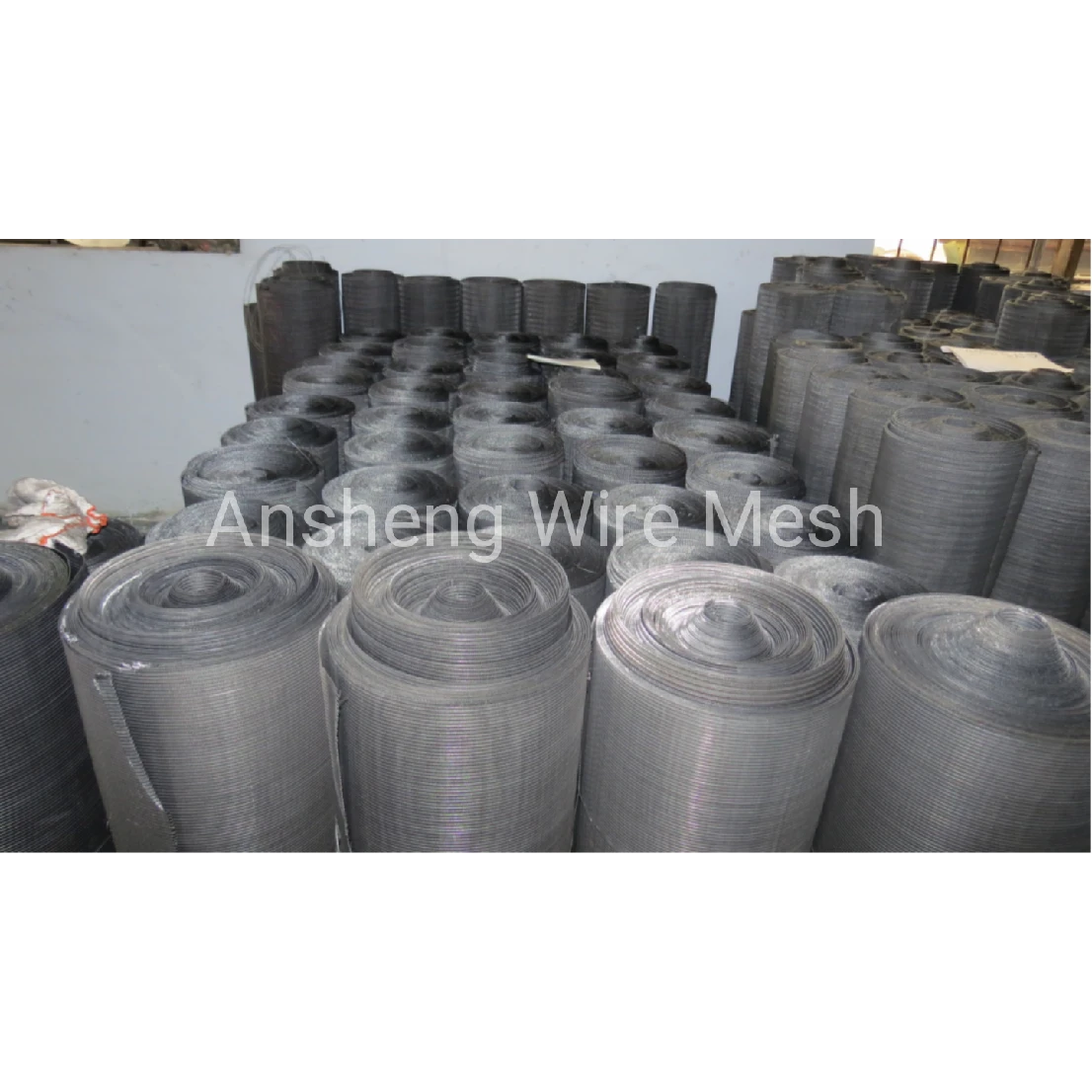
    Low-carbon steel dutch weave wire mesh, also known as iron wire filter mesh, black wire cloth. Materials: Low-carbon steel Scope of Mesh : 7x55mesh-40x200mesh Scope of wire diameter: 0.14mm-0.75mm Scope of width: usually 0.915m-1.3meters, and special specifications can be customized according to customer requirements. Scope of length: generally 30 meters. Weave: plain weave, herringbone weave, dutch weave

  • Phosphor Copper Wire Mesh

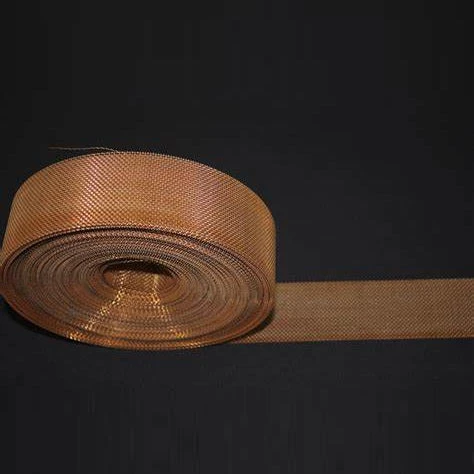
    Phosphor copper wire mesh, also known as copper wire mesh. Materials: QSn6.5-0.1,QSn6.5-0.4 Property: Non-magnetic, wear resistant, good ductility Scope of Mesh : 2-300mesh Scope of wire diameter: 0.08mm-0.8mm Scope of width: usually 1m-1.5meters, and special specifications can be customized according to customer requirements. Scope of length: generally 30 meters. Weave: plain weave, twill weave

tel email tel top

If you are interested in our products, you can choose to leave your information here, and we will be in touch with you shortly.