
Comprehensive Guide to Galvanized Netting Applications and Optimal Selection

Understanding Galvanized Netting: Applications, Benefits, and Choosing the Right Type

Galvanized netting is a versatile and cost-effective solution for a wide range of applications, from agricultural fencing to industrial safety barriers. Its durability and resistance to corrosion make it a popular choice across numerous industries. This article will delve into the properties of galvanized netting, exploring its benefits, common uses, different types available, and how to select the best netting for your specific needs. Understanding the nuances of galvanized netting will ensure you make an informed decision and maximize its lifespan and effectiveness.
Comprehensive Guide to Galvanized Netting Applications and Optimal Selection

What is Galvanized Netting and How is it Made?

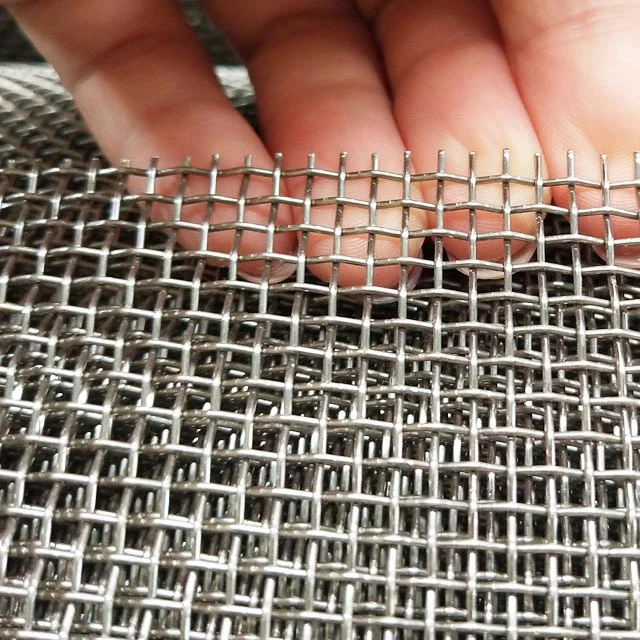
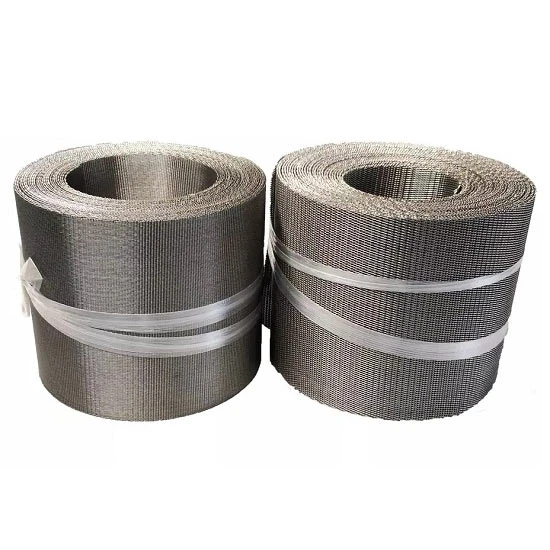
Galvanized netting is woven from steel wire that has been coated with a layer of zinc through a process called galvanization. This zinc coating acts as a barrier against corrosion, protecting the steel from rust and environmental damage. There are two primary galvanization methods: hot-dip galvanizing and electro-galvanizing. Hot-dip galvanizing involves immersing the steel wire in a bath of molten zinc, creating a thick and durable coating. Electro-galvanizing uses an electric current to deposit a thinner layer of zinc onto the wire. The choice of method impacts the coating's thickness and, therefore, its corrosion resistance. Ansheng Filter Screen offers a wide range of galvanized netting, utilizing both methods to meet diverse customer requirements.

Key Highlights: Galvanization protects steel from corrosion; two main methods are hot-dip and electro-galvanizing; coating thickness impacts durability.

Common Applications of Galvanized Netting

The versatility of galvanized netting makes it suitable for a multitude of applications. In agriculture, it’s commonly used for fencing livestock, protecting crops from pests, and creating poultry enclosures. The construction industry utilizes it for safety netting, debris control, and scaffolding reinforcement. Other applications include erosion control, industrial screening, and even decorative purposes. Its robust nature and cost-effectiveness make it an appealing solution for both temporary and permanent installations. Explore our product catalog for specific netting solutions tailored to your application.

Application Areas:

• Agricultural Fencing

• Construction Safety

• Erosion Control

• Industrial Screening

Galvanized Netting Types: A Comparative Overview

Different types of galvanized netting cater to varying needs. Chicken wire, with its small hexagonal openings, is ideal for poultry enclosures and small animal containment. Hexagonal netting (also known as hardware cloth), featuring a tighter weave, offers greater security and is suitable for pest control and erosion control. Welded wire netting provides a more rigid structure and is frequently used for fencing and cages. Chain link fencing, a widely recognized option, provides excellent security and durability. Choosing the right type depends on the specific application, the size of the openings needed, and the level of security required.

Netting Type Opening Size Typical Applications Strength & Durability
Chicken Wire Small Hexagonal Poultry, Small Animals Moderate
Hexagonal Netting Hexagonal (various sizes) Pest Control, Erosion Control High
Welded Wire Netting Square or Rectangular Fencing, Cages Very High
Chain Link Fencing Diamond-shaped Security Fencing Excellent

Factors to Consider When Choosing Galvanized Netting

Several factors influence the ideal galvanized netting selection. The environment plays a crucial role; coastal areas with high salinity require heavier galvanization for increased corrosion resistance. The intended use dictates the appropriate mesh size and wire gauge. The size of the area to be enclosed or protected also affects the amount of netting needed and the ease of installation. Consider the long-term maintenance requirements, as even galvanized netting may require periodic inspection and potential recoating over time. Contact our experts for personalized recommendations.
Comprehensive Guide to Galvanized Netting Applications and Optimal Selection

Maintaining and Extending the Life of Galvanized Netting

While galvanized netting offers excellent corrosion resistance, proper maintenance can significantly extend its lifespan. Regularly inspect the netting for any signs of damage, such as broken wires or areas where the galvanization has worn away. Remove any debris or vegetation that may trap moisture and accelerate corrosion. In areas prone to heavy salt spray, consider applying a protective coating specifically designed for galvanized steel. Promptly repair any damage to prevent further deterioration. Following these simple steps will help ensure your galvanized netting remains effective for years to come.

Conclusion: Investing in Quality Galvanized Netting

Choosing the right galvanized netting is a crucial decision for numerous applications. Its durability, corrosion resistance, and versatility make it a cost-effective and reliable solution. By understanding the different types available, considering the specific application requirements, and implementing proper maintenance practices, you can maximize the lifespan and effectiveness of your netting investment. At Ansheng Filter Screen, we are committed to providing high-quality galvanized netting solutions to meet your unique needs.

Frequently Asked Questions (FAQs)

What is the typical lifespan of galvanized netting?

The lifespan of galvanized netting can vary significantly depending on the environment and the quality of the galvanization. In general, properly installed and maintained galvanized netting can last anywhere from 10 to 20 years or even longer. However, exposure to harsh conditions like saltwater, acidic environments, or industrial pollutants can shorten its lifespan. Regular inspections and maintenance, such as cleaning and applying protective coatings, can help extend its durability.

How can I repair damaged galvanized netting?

Minor damage, such as a few broken wires, can often be repaired using wire connectors or by weaving in new galvanized wire. For more extensive damage, it’s generally recommended to replace the affected section of netting. When making repairs, ensure you use galvanized materials to maintain the corrosion resistance of the netting. If you are unsure about the best repair method, it's advisable to consult with a professional.

Is galvanized netting safe for use around animals?

Generally, galvanized netting is considered safe for use around animals, but it’s crucial to choose the appropriate type and mesh size to prevent injuries. Ensure the mesh openings are small enough to prevent animals from getting their heads or limbs caught. Additionally, be mindful of any sharp edges or exposed wire ends and address them promptly. For poultry and smaller animals, chicken wire with a fine mesh is typically the safest option.

What is the difference between hot-dip galvanization and electro-galvanization?

Hot-dip galvanization provides a thicker, more durable zinc coating, offering superior corrosion resistance. It's ideal for applications exposed to harsh environments. Electro-galvanization, on the other hand, results in a thinner, smoother coating and is often preferred for applications where aesthetics are important. While electro-galvanized netting offers some corrosion protection, it’s generally less resistant than hot-dip galvanized netting.


Post time: Jan . 27, 2026 19:55
Next:
Related News
  • Dutch weave is a versatile type of woven wire mesh known for its unique structure and diverse applications. It's characterized by alternating plain and twill weaves, resulting in a fabric with excellent strength, flexibility, and permeability. This makes it ideal for a range of uses in industries like filtration, screening, and reinforcement. Ansheng Filter Screen specializes in high-quality dutch weave mesh, catering to diverse industrial needs. Understanding the properties and applications of dutch weave is key to maximizing its benefits in various sectors. Dutch weave isn’t a single weave pattern but a combination. It’s created by alternately weaving plain and twill patterns. The twill weave creates a diagonal rib pattern which impacts the mesh’s properties. This unique construction results in a mesh that is more open in one direction than the other, providing excellent flow characteristics. This makes it superior for applications needing high permeability while maintaining good structural integrity.

  • Protecting crops, buildings, and infrastructure from bird damage is a significant concern for many industries. Galvanised bird mesh provides a robust and effective solution. This article will explore the benefits, applications, and key considerations when choosing galvanised bird mesh, offering a detailed overview for those seeking reliable bird control. From agricultural protection to industrial applications, we will cover everything you need to know about this versatile product. Galvanised bird mesh is a woven wire netting coated with a layer of zinc. This galvanisation process provides excellent corrosion resistance, making it suitable for outdoor applications and harsh environments. The mesh is typically made from steel wire, offering strength and durability. Different mesh sizes are available to cater to various bird species and protection needs.

  • When selecting materials for industrial filtration, construction, or agricultural applications, galvanized steel mesh screen stands out as a durable and cost-effective solution. This article will provide a detailed overview of galvanized steel mesh screen, covering its properties, applications, benefits, and important considerations when making a purchase. Understanding its characteristics can help you determine if it’s the ideal material for your specific needs. We will delve into the nuances of this versatile material and how Ansheng Filter Screen provides quality products. Galvanized steel mesh screen is a woven wire mesh manufactured from steel that has been coated with a layer of zinc. This zinc coating acts as a protective barrier against corrosion and rust, significantly extending the lifespan of the steel. The galvanization process can be hot-dip galvanizing or electro-galvanizing, each offering different levels of protection and cost. The mesh is typically available in various weave patterns, such as plain weave, twill weave, and dutch weave, each suited for different filtration and screening needs.

  • Dutch weave mesh is a versatile and durable material used in a wide range of industrial and filtration applications. Known for its unique weaving pattern, it provides excellent strength and permeability. This article will explore the characteristics, applications, benefits, and considerations when choosing Dutch weave mesh, providing a thorough understanding for professionals and buyers. Understanding its properties is vital to selecting the right mesh for your needs. Dutch weave mesh is created by weaving two sets of wires – one heavier warp wire and one finer shute wire – in a specific pattern. This construction results in a mesh with larger openings in one direction and smaller openings in the other. The heavier warp wires provide strength and dimensional stability, while the finer shute wires create a greater open area for improved flow rates. This unique structure differentiates it from plain weave or twill weave meshes, making it ideal for applications requiring both filtration and structural integrity.

  • Explore the benefits, applications, and vendors of Reverse Dutch Weave for industrial filtration systems. Learn how Ansheng Filter Screen delivers durable and high-performance filtration solutions.

  • Explore the benefits, applications, and vendor landscape of Reverse Dutch Weave Wire Mesh. Learn how Ansheng Filterscreen can help you optimize your filtration processes.

  • In today's industrial and commercial fields, super fine wire mesh has grown into a critical component thanks to its precision and efficiency. This mesh type, often used in air and liquid filtration, can trap incredibly small particles while allowing air or fluids to pass through.

WE PROVIDE HIGH QUALITYEQUIPMENT
Recommend Products
  • Stainless Steel Plain Weave Wire Mesh

    Stainless steel plain weave wire mesh, also known as Stainless steel wire cloth, stainless steel screen, stainless steel gauze. Materials: Stainless steel 201, 304, 316, 316L, etc. Plain weave scope of Mesh : 1mesh-635mesh Plain weave scope of wire diameter: 1mm-0.001mm Plain weave scope of width: usually 0.915m-2meters, and special specifications can be customized according to customer requirements. Plain weave scope of length: generally 30 meters. Stainless steel wire mesh weave type: plain weave, twill weave, herringbone weave, dutch weave, reserve dutch weave

  • Stainless Steel Reverse Dutch Weave Wire Mesh

    Stainless steel reserve dutch weave wire mesh, also known as Stainless steel wire cloth, stainless steel screen, stainless steel gauze. Materials: Stainless steel 201, 304, 316, 316L, etc. Reserve dutch weave scope of Mesh : 72x15mesh-260x40mesh Reserve dutch weave scope of wire diameter: 0.55mm-0.15mm Reserve dutch weave scope of width: usually 60mm-300mm, and special specifications can be customized according to customer requirements. Reserve dutch weave scope of length: generally 10 meters, 20 meters, 30meters. Stainless steel wire mesh weave type: plain weave, twill weave, herringbone weave, dutch weave, reserve dutch weave

  • Iron Dutch Weave Wire Mesh

    Low-carbon steel dutch weave wire mesh, also known as iron wire filter mesh, black wire cloth. Materials: Low-carbon steel Scope of Mesh : 7x55mesh-40x200mesh Scope of wire diameter: 0.14mm-0.75mm Scope of width: usually 0.915m-1.3meters, and special specifications can be customized according to customer requirements. Scope of length: generally 30 meters. Weave: plain weave, herringbone weave, dutch weave

  • Phosphor Copper Wire Mesh

    Phosphor copper wire mesh, also known as copper wire mesh. Materials: QSn6.5-0.1,QSn6.5-0.4 Property: Non-magnetic, wear resistant, good ductility Scope of Mesh : 2-300mesh Scope of wire diameter: 0.08mm-0.8mm Scope of width: usually 1m-1.5meters, and special specifications can be customized according to customer requirements. Scope of length: generally 30 meters. Weave: plain weave, twill weave

tel email tel top

If you are interested in our products, you can choose to leave your information here, and we will be in touch with you shortly.