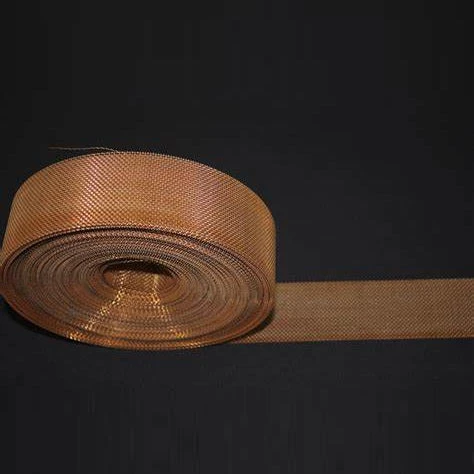

Introduction to Advanced Nickel Wire Mesh Solutions
In diverse industrial applications requiring superior resistance to corrosion, high temperatures, and specific electrical properties, nickel wire mesh stands as a critical engineering material. Its unique metallurgical characteristics, primarily derived from high-purity nickel, make it indispensable across a spectrum of demanding environments. This comprehensive overview delves into the intricate world of nickel wire mesh, exploring its manufacturing intricacies, technical advantages, broad application landscape, and the critical factors for B2B decision-makers. We aim to provide an authoritative resource, grounded in technical specifications and real-world utility, to guide procurement and engineering professionals in leveraging this advanced material effectively.
Industry Trends and Market Dynamics
The market for nickel wire mesh is experiencing robust growth, driven by escalating demands in sectors like chemical processing, aerospace, energy (including renewable and nuclear), and advanced filtration. Global industrialization and stringent environmental regulations are compelling industries to adopt materials with enhanced durability and operational efficiency. For instance, the escalating need for efficient catalysis in petrochemical processes, coupled with the rising adoption of fuel cells and battery technologies, directly fuels the demand for high-performance meshes. Emerging trends indicate a significant push towards materials that offer extended service life and reduced maintenance, positioning nickel mesh as a preferred choice. The increasing focus on sustainability also emphasizes materials that are recyclable and contribute to energy-saving applications, where the precise filtration and catalytic support capabilities of nickel mesh are paramount.
Specifically, the demand for pure nickel wire mesh, often composed of Nickel 200 or Nickel 201, is accelerating due to its unparalleled purity and chemical inertness, critical for applications in pharmaceuticals, food processing, and high-purity gas filtration. Market analyses project a compound annual growth rate (CAGR) for the global nickel market, including its derivatives like wire mesh, to be around 4-6% over the next five years, reaching a valuation exceeding tens of billions of dollars. This growth is underpinned by continuous innovation in manufacturing techniques and a broader understanding of nickel's unique material advantages.
Manufacturing Process Flow of Nickel Wire Mesh
The production of high-quality nickel wire mesh is a sophisticated process demanding precision at every stage. It begins with the meticulous selection of high-purity nickel alloys, such as Nickel 200 (UNS N02200) or Nickel 201 (UNS N02201), chosen for their specific chemical composition and metallurgical properties. The journey from raw material to a finely woven mesh involves several critical steps, ensuring the final product meets stringent industrial requirements for performance and longevity.
Schematic Steps of Production:
- Material Sourcing & Quality Control: Procurement of high-purity nickel ingots or rods, rigorously tested for chemical composition (e.g., ASTM B162 standard for Nickel 200/201 plates, sheets, and strips, which informs wire purity) to ensure minimal impurities that could compromise performance.
- Wire Drawing: The nickel ingots are cast into billets, which are then hot-rolled and subsequently cold-drawn through a series of dies. This process reduces the diameter of the wire to the precise specification while enhancing its tensile strength and surface finish. Multiple drawing stages are often employed, with intermediate annealing treatments to relieve stress and restore ductility.
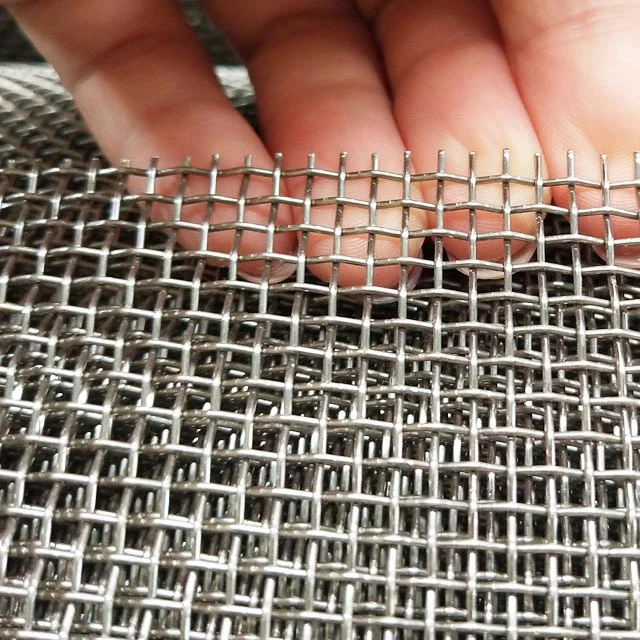
- Weaving: The drawn nickel wires are then precisely woven into various patterns (e.g., plain weave, twill weave, Dutch weave) on specialized weaving looms. Plain weave, characterized by warp and weft wires passing over and under each other in an alternating pattern, is common for its stability and uniform aperture. This step determines the mesh count, wire diameter, and overall physical structure.
- Annealing: Post-weaving, the mesh often undergoes an annealing process. This heat treatment relieves internal stresses induced during drawing and weaving, improving the mesh's ductility, workability, and overall structural integrity, making it less prone to cracking or deformation during subsequent handling or application.
- Cleaning and Finishing: The woven mesh is cleaned to remove any lubricants, oxides, or contaminants from the manufacturing process. This typically involves degreasing, acid pickling, and rinsing. Surface passivation may also be applied to enhance corrosion resistance.
- Final Inspection & Testing: Each batch undergoes rigorous quality control. This includes visual inspection for weaving defects, measurement of mesh count and wire diameter (using precision instruments like optical comparators or digital calipers), and testing for mechanical properties (tensile strength, elongation) in accordance with international standards such as ISO 9001:2015 for quality management systems and ASTM E2016 for standard practices for testing wire mesh. Chemical composition verification is also performed periodically.
This meticulous process ensures that the finished nickel wire mesh offers exceptional service life and consistent performance in demanding environments. Target industries benefiting from this precision manufacturing include petrochemical (for catalyst support and separation), metallurgy (for high-temperature filtration), water supply & drainage (for corrosion-resistant screens), aerospace (for EMI shielding and structural components), and electronics (for battery electrodes and conductive layers). In these applications, the advantages are manifest: energy saving through optimized filtration efficiency, superior corrosion resistance against aggressive media, and longevity under extreme thermal and chemical stresses.
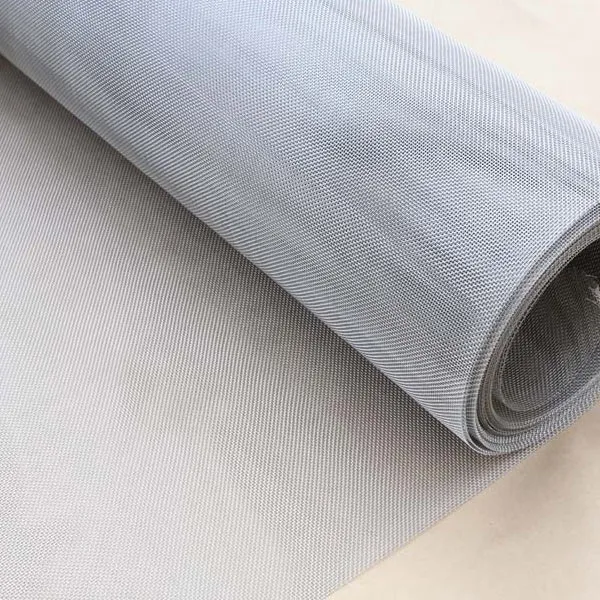
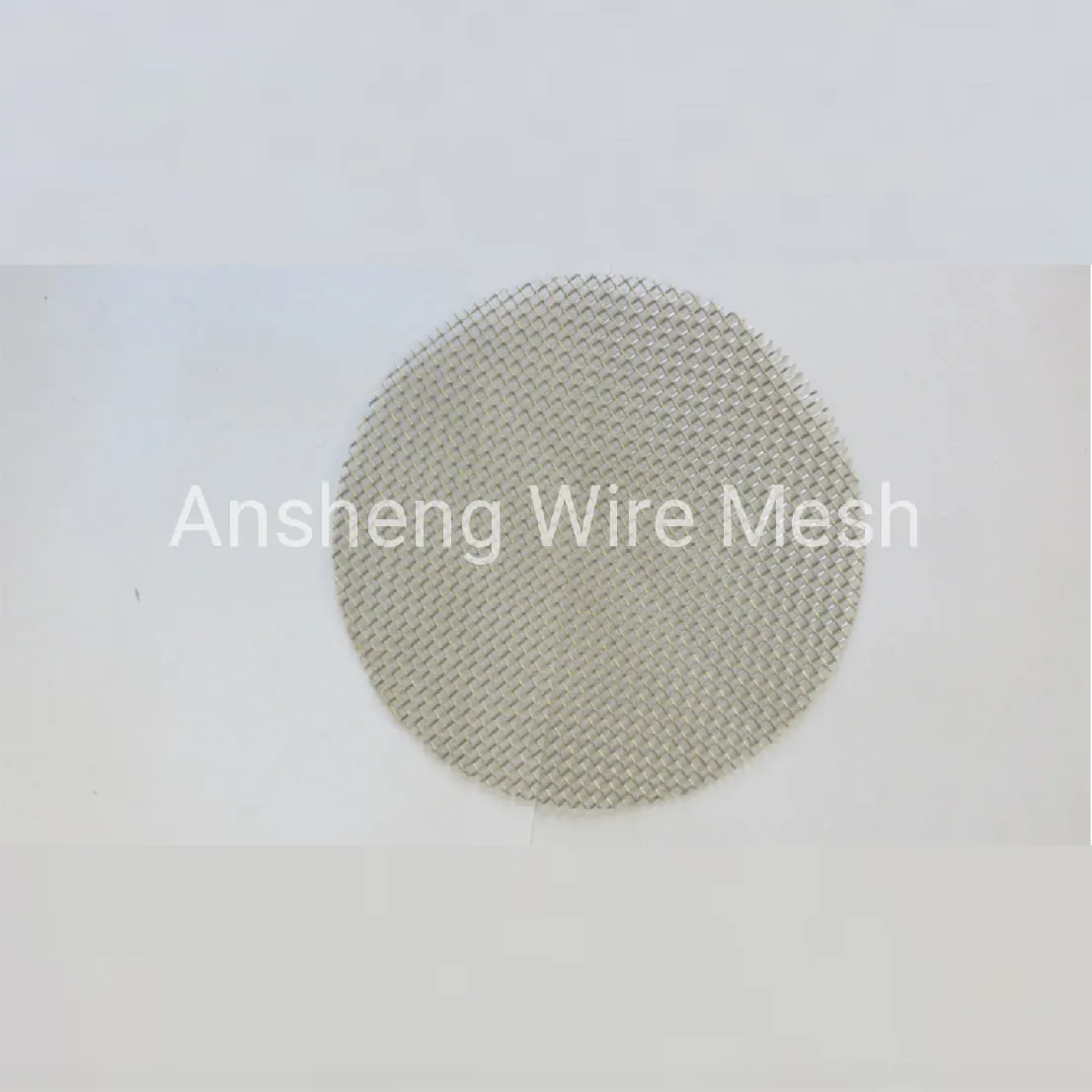
Typical plain weave nickel wire mesh structure, showcasing uniform apertures.
Technical Specifications and Parameters
Understanding the precise technical specifications of nickel wire mesh is crucial for its effective deployment. Key parameters include mesh count, wire diameter, aperture size, and open area, all of which dictate filtration efficiency, flow rate, and mechanical strength.
Key Technical Parameters Explained:
- Mesh Count: The number of openings per linear inch, indicating the fineness of the mesh. Higher mesh counts mean finer filtration.
- Wire Diameter: The thickness of the individual wires, measured in millimeters or inches. It impacts the mesh's strength and open area.
- Aperture (Opening Size): The clear space between adjacent wires, determining the size of particles that can pass through. Calculated as (25.4mm / Mesh Count) - Wire Diameter.
- Open Area: The percentage of open space in the mesh, influencing flow rate and filtration capacity. High open area translates to less pressure drop.
- Material Grade: Predominantly Nickel 200 (commercial pure nickel, 99.6% Ni min) or Nickel 201 (low carbon version of Ni 200, 99.5% Ni min, preferred for temperatures above 315°C/600°F to prevent graphitization).
Typical Product Specifications: Nickel Plain Weave Wire Mesh
| Parameter | Typical Range / Value | Notes / Significance |
|---|---|---|
| Material Grade | Nickel 200 (UNS N02200), Nickel 201 (UNS N02201) | Nickel 201 for higher temperature applications (>315°C) to mitigate carbon embrittlement. |
| Mesh Count (per inch) | 2 to 200 mesh | Determines filtration fineness. Higher count means finer mesh. |
| Wire Diameter | 0.05 mm to 1.6 mm (0.002" to 0.063") | Impacts strength and open area. Smaller wire diameter for greater open area. |
| Aperture (Opening Size) | 0.074 mm to 11.2 mm | Determines particle retention size. |
| Open Area | Approx. 20% to 70% | Influences flow rate and pressure drop. Varies significantly with mesh count and wire diameter. |
| Tensile Strength | 380 - 550 MPa (Nickel 200/201, annealed) | Indicates resistance to breaking under tension, crucial for structural integrity. |
| Operating Temperature | Up to 600°C (1112°F) for Nickel 200, higher for Nickel 201 | Resistance to thermal degradation and oxidation at elevated temperatures. |
These parameters are meticulously controlled during manufacturing to meet client-specific requirements and industry standards, ensuring optimal performance for critical applications.
Technical Advantages and Performance
The inherent properties of nickel confer a distinct set of technical advantages to nickel wire mesh, making it a preferred material in environments where other metals would fail. These advantages are not merely theoretical but translate directly into enhanced operational efficiency, extended component lifespan, and superior reliability in real-world industrial settings.
- Exceptional Corrosion Resistance: Nickel exhibits outstanding resistance to a wide range of corrosive media, including alkalis (caustics), organic acids, neutral salt solutions, and specific reducing acids. For instance, Nickel 200 is highly resistant to concentrated caustic solutions, making it ideal for processes involving sodium hydroxide or potassium hydroxide. This significantly reduces equipment degradation and contamination risks.
- High Temperature Stability: Pure nickel wire mesh, particularly Nickel 201, maintains its mechanical properties and corrosion resistance at elevated temperatures, often up to 600°C (1112°F) and even higher in certain atmospheres. This makes it suitable for furnace components, heat treatment applications, and high-temperature filtration where other materials would oxidize or creep.
- Excellent Electrical and Thermal Conductivity: Nickel is an excellent conductor of electricity and heat. This property is crucial for applications such as battery electrodes, heating elements, and EMI/RFI shielding, where efficient energy transfer or electromagnetic interference suppression is required. Its conductivity is superior to many stainless steel grades.
- Good Ductility and Weldability: Despite its strength, nickel is highly ductile, allowing for intricate weaving patterns and ease of fabrication into various shapes and forms. It is also readily weldable using standard techniques, facilitating the integration of mesh components into larger systems without compromising structural integrity or corrosion resistance.
- Catalytic Properties: Nickel can act as a catalyst or catalyst support in various chemical reactions, particularly in hydrogenation and dehydrogenation processes. The high surface area provided by the mesh structure enhances its catalytic efficiency.
- Non-magnetic (at room temperature): Nickel 200/201 is non-magnetic at room temperature, which is advantageous in applications sensitive to magnetic interference, such as certain electronic and scientific instruments.
These combined characteristics ensure that nickel wire mesh delivers extended service life, reduces downtime, and maintains performance integrity in the most aggressive operational environments, offering significant cost savings over the total lifecycle of industrial equipment.
Application Scenarios and Case Studies
The versatility and robust performance of nickel wire mesh position it as a cornerstone material across a multitude of industrial applications. Its ability to withstand extreme conditions makes it indispensable where precision, durability, and resistance to aggressive media are paramount.
- Chemical Processing and Filtration: Used extensively in chemical plants for filtration of corrosive liquids and gases, catalyst support, and demisters. For example, in chlor-alkali production, nickel mesh filters handle highly corrosive brine solutions and caustic soda without degradation.
- Petrochemical Industry: Employed in heat exchangers, reaction vessels, and separators where high temperatures and corrosive hydrocarbons are present. Its excellent resistance to reducing environments extends the service life of critical components.
- Battery and Fuel Cell Technology: As electrode grids, current collectors, and gas diffusion layers in advanced battery systems (e.g., Ni-MH batteries) and fuel cells, leveraging its high electrical conductivity and corrosion resistance in electrolyte environments.
- Aerospace and Defense: Used for EMI/RFI shielding, ventilation screens, and specialized filtration systems within aircraft and spacecraft, where lightweight, high-strength, and corrosion-resistant materials are crucial.
- Pharmaceutical and Food Processing: In applications requiring ultimate purity and non-contaminating materials, such as sterile filtration and screening, pure nickel wire mesh ensures product integrity and compliance with stringent regulatory standards (e.g., FDA compatibility for certain applications).
Application Case Studies:
-
Case Study 1: Caustic Evaporator Filters
A leading chemical manufacturer faced frequent failures of stainless steel filters in their caustic soda evaporation units due to stress corrosion cracking. After switching to Nickel 200 plain weave mesh filters (60 mesh, 0.18mm wire diameter), they reported a 300% increase in filter service life, significantly reducing maintenance costs and unscheduled downtime. The superior resistance of nickel to concentrated sodium hydroxide at elevated temperatures proved to be the decisive factor.
-
Case Study 2: High-Temperature Gas Filtration in a Metallurgical Plant
A metallurgical facility required a durable filter medium for hot exhaust gas containing fine particulate matter at temperatures reaching 550°C. Traditional materials either oxidized rapidly or suffered from thermal creep. Implementing a custom-fabricated Nickel 201 wire mesh (40 mesh, 0.25mm wire diameter) solution provided stable filtration, maintained mechanical integrity, and extended the replacement cycle from 6 months to over 2 years, improving overall operational safety and efficiency.
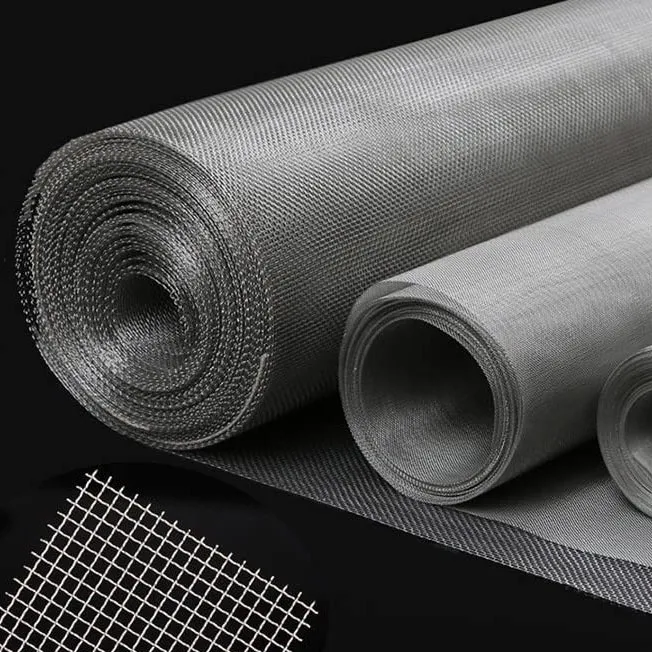
Nickel wire mesh used in a specialized filtration assembly.
Vendor Comparison and Customized Solutions
Selecting the right supplier for nickel wire mesh is as critical as understanding the material itself. A reputable vendor offers not only high-quality products but also comprehensive technical support, flexible customization options, and reliable logistics. Key differentiators in the market often revolve around material traceability, manufacturing precision, and responsiveness to specific client needs.
Key Differentiators in Vendor Selection:
- Material Sourcing and Certification: Top vendors ensure that their nickel wire originates from certified mills, providing full traceability from raw ingot to finished mesh. Look for suppliers who adhere to ASTM, ISO, and other relevant international material standards.
- Manufacturing Capabilities: Assess a vendor's ability to produce mesh with consistent accuracy in mesh count, wire diameter, and weave type. Advanced weaving technology and stringent in-process quality control are hallmarks of superior production.
- Customization Expertise: Many applications require non-standard dimensions, specific mesh configurations, or secondary fabrication (e.g., cutting, welding, stamping). A vendor proficient in providing tailored solutions can significantly reduce project lead times and integration challenges.
- Technical Support and Experience: Access to experienced engineers and technical staff who can advise on material selection, design optimization, and application challenges is invaluable.
- Quality Assurance and Testing: Comprehensive internal testing protocols, including material analysis, dimensional checks, and performance testing, ensure product reliability. Certifications like ISO 9001:2015 demonstrate a commitment to quality management.
Our Commitment to Customized Solutions:
We understand that standard products rarely fit every unique industrial challenge. Our expertise lies in providing highly tailored nickel wire mesh solutions. This includes:
- Specific Mesh Counts and Wire Diameters: Precision manufacturing to achieve exact filtration and flow characteristics.
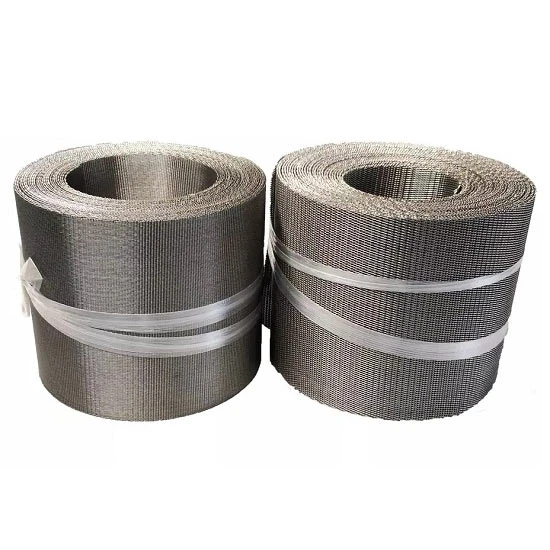
- Custom Dimensions and Forms: From rolls and sheets to fabricated components like discs, cylinders, or complex shapes, tailored to your equipment.
- Specialty Weaves: Beyond plain weave, offering twill, Dutch, or other specialized weaves for enhanced strength, filtration, or particle retention.
- Material Grades: Providing both Nickel 200 and Nickel 201, along with other high-nickel alloys, based on the specific corrosive and thermal demands of the application.
Our long-standing relationships with key partners in the petrochemical, aerospace, and electronics sectors underscore our capability to deliver reliable, high-performance solutions consistently. We leverage years of service and in-depth material science knowledge to guide our clients from concept to deployment.
Frequently Asked Questions (FAQ) about Nickel Wire Mesh
Q1: What are the primary differences between Nickel 200 and Nickel 201 wire mesh?
A1: Both Nickel 200 and Nickel 201 are commercially pure nickel grades. The primary difference lies in their carbon content. Nickel 200 has a carbon content of 0.15% maximum, while Nickel 201 has a very low carbon content of 0.02% maximum. This lower carbon content makes Nickel 201 preferred for applications operating at temperatures above 315°C (600°F), as it resists graphitization and subsequent embrittlement, ensuring better ductility and creep resistance at elevated temperatures.
Q2: How do I select the correct mesh count and wire diameter for my application?
A2: Selection depends on your specific application's requirements for particle size retention, flow rate, and mechanical strength. A higher mesh count implies finer filtration but lower flow rates and potentially reduced strength. Conversely, a larger wire diameter increases strength but decreases the open area. It's best to consult our technical team, providing details on the media to be filtered, operating pressure, temperature, and required flow rate, for a precise recommendation.
Q3: Is nickel wire mesh suitable for highly acidic environments?
A3: Nickel wire mesh exhibits good resistance to certain acids, particularly under reducing conditions and at lower concentrations. It performs well in hydrochloric acid and sulfuric acid environments under specific parameters. However, its resistance to oxidizing acids like nitric acid is generally limited. For highly aggressive or oxidizing acidic media, other high-nickel alloys or specialty materials might be more suitable. A thorough evaluation of the specific chemical environment is necessary.
Q4: Can nickel mesh be welded or fabricated?
A4: Yes, nickel wire mesh is highly ductile and readily weldable using common methods such as TIG (Gas Tungsten Arc Welding) or resistance welding. Its excellent formability also allows for various fabrication processes like cutting, bending, and forming into complex shapes (e.g., filter baskets, cylinders, screens). Proper welding procedures and filler materials are crucial to maintain the mesh's corrosion resistance and mechanical integrity.
Trustworthiness & Commitment: Lead Time, Warranty, and Support
Our commitment extends beyond providing high-quality nickel wire mesh; we aim to build lasting partnerships based on reliability, transparency, and unparalleled customer service. We understand that for B2B clients, timely delivery, product assurance, and responsive support are paramount.
Lead Time and Fulfillment:
- Standard Products: For common mesh counts and dimensions of nickel plain weave wire mesh, typical lead times range from 2-4 weeks, depending on current inventory and production schedules.
- Customized Solutions: For bespoke orders involving unique specifications or complex fabrication, lead times are quoted on a project-by-project basis, typically ranging from 4-8 weeks. We provide detailed production schedules and regular updates.
- Expedited Options: We offer expedited manufacturing and shipping options for urgent requirements. Please contact our sales team to discuss specific needs and feasibility.
- Global Shipping: Leveraging an extensive logistics network, we ensure secure and timely delivery to domestic and international destinations, complying with all necessary export regulations.
Warranty Commitments:
We stand by the quality and performance of our products. All nickel wire mesh supplied is guaranteed to be free from defects in material and workmanship, and to conform to agreed-upon specifications and relevant industry standards (e.g., ASTM, ISO). Our standard warranty covers material integrity and manufacturing consistency for a period of [e.g., 12 months] from the date of shipment, provided the product is used under recommended conditions. Specific warranty terms will be provided with each quotation and order confirmation.
Customer Support & After-Sales Service:
Our dedicated customer support team and technical specialists are available to assist you at every stage, from initial inquiry to post-installation.
- Technical Consultation: Expert advice on material selection, product design, and application optimization.
- Order Tracking: Real-time updates on your order status and shipping.
- Problem Resolution: Prompt and efficient handling of any concerns or issues that may arise post-delivery.
- Documentation: Provision of material test reports, certifications (e.g., ISO 9001), and compliance documents as required.
We pride ourselves on being an ISO 9001 certified manufacturer, reflecting our adherence to globally recognized quality management principles and continuous improvement. Our long-term relationships with clients across demanding industries are a testament to our unwavering commitment to quality and service.
Conclusion
Nickel wire mesh stands out as an engineering marvel, offering an unparalleled combination of corrosion resistance, high-temperature stability, and electrical conductivity. Its critical role in advancing industries from petrochemicals and aerospace to cutting-edge battery technology underscores its value. As industrial demands intensify, the precise and reliable performance of high-quality nickel mesh becomes ever more crucial. Partnering with a specialist vendor who understands these nuances, offers customizable solutions, and adheres to stringent quality and service standards, is essential for leveraging this material to its fullest potential.
References
- ASM International, "ASM Handbook, Volume 2: Properties and Selection: Nonferrous Alloys and Special-Purpose Materials," 1990.
- Nickel Institute, "Nickel in Chemical Processing," Technical Brochure, 2018.
- ASTM International, "ASTM B162 - Standard Specification for Nickel Plate, Sheet, and Strip," (Current Edition).
- ISO International Standard, "ISO 9001:2015 Quality Management Systems – Requirements," (Current Edition).
- Journal of Materials Science & Engineering, "Advances in High-Temperature Alloys for Industrial Applications," Vol. 35, Issue 2, pp. 123-138, 2021.
Post time: Sep . 02, 2025 07:20