
Understanding Dutch Weave Mesh: A Comprehensive Guide
Dutch weave mesh is a versatile and durable material used in a wide range of industrial and filtration applications. Known for its unique weaving pattern, it provides excellent strength and permeability. This article will explore the characteristics, applications, benefits, and considerations when choosing Dutch weave mesh, providing a thorough understanding for professionals and buyers. Understanding its properties is vital to selecting the right mesh for your needs.
What is Dutch Weave Mesh?
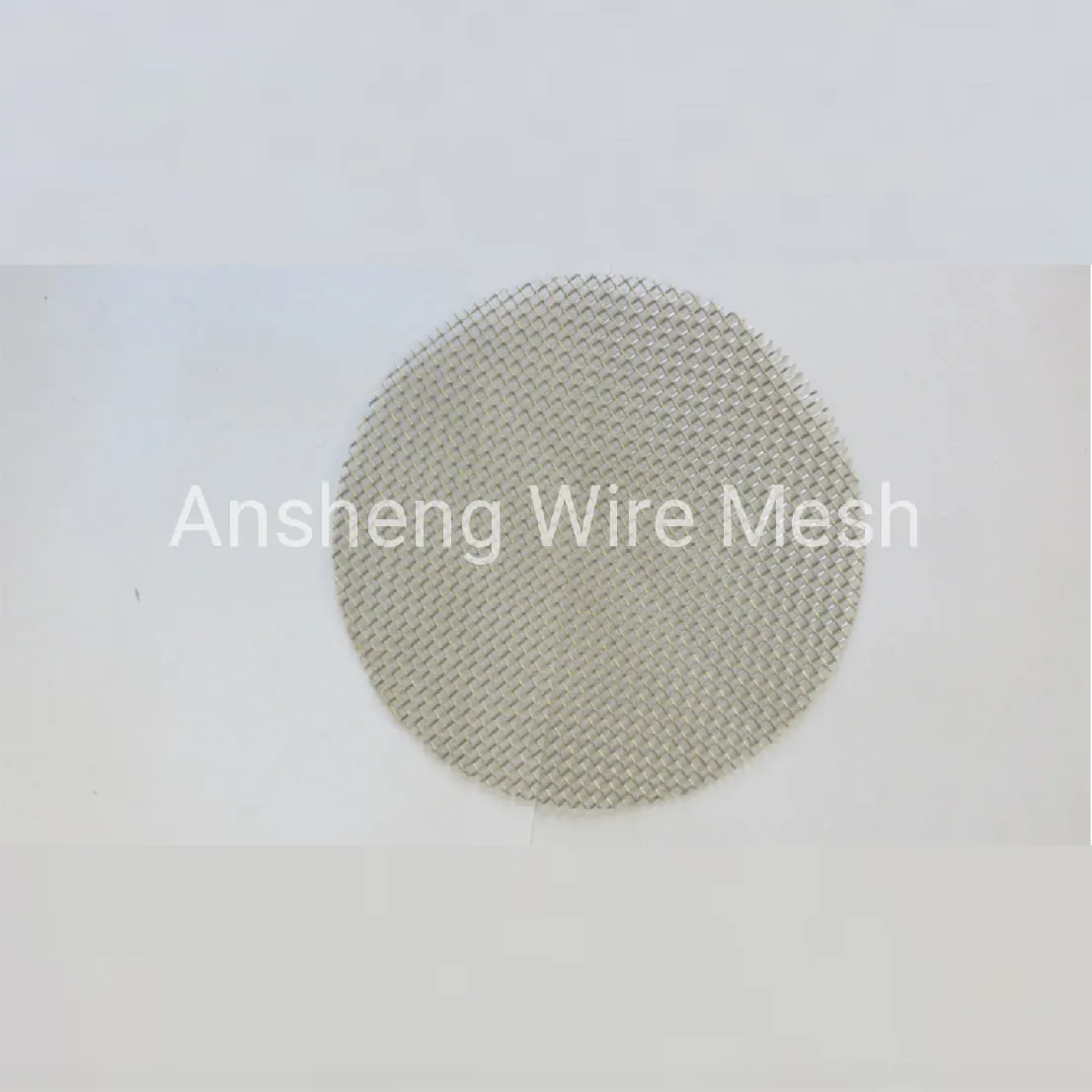
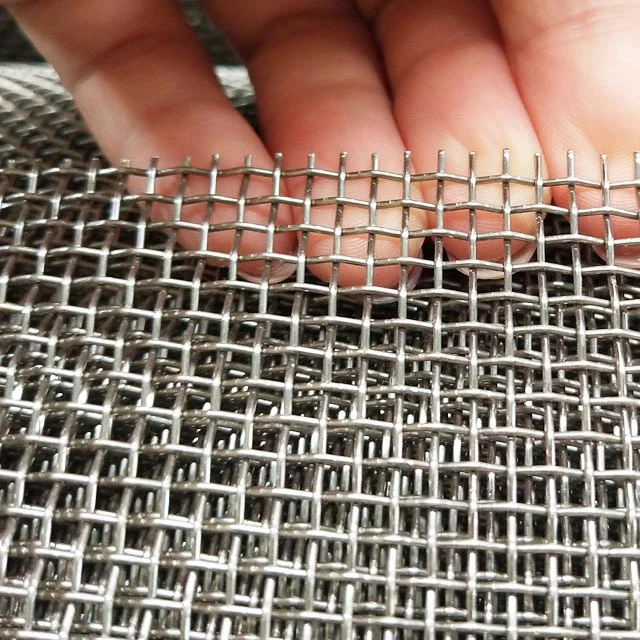
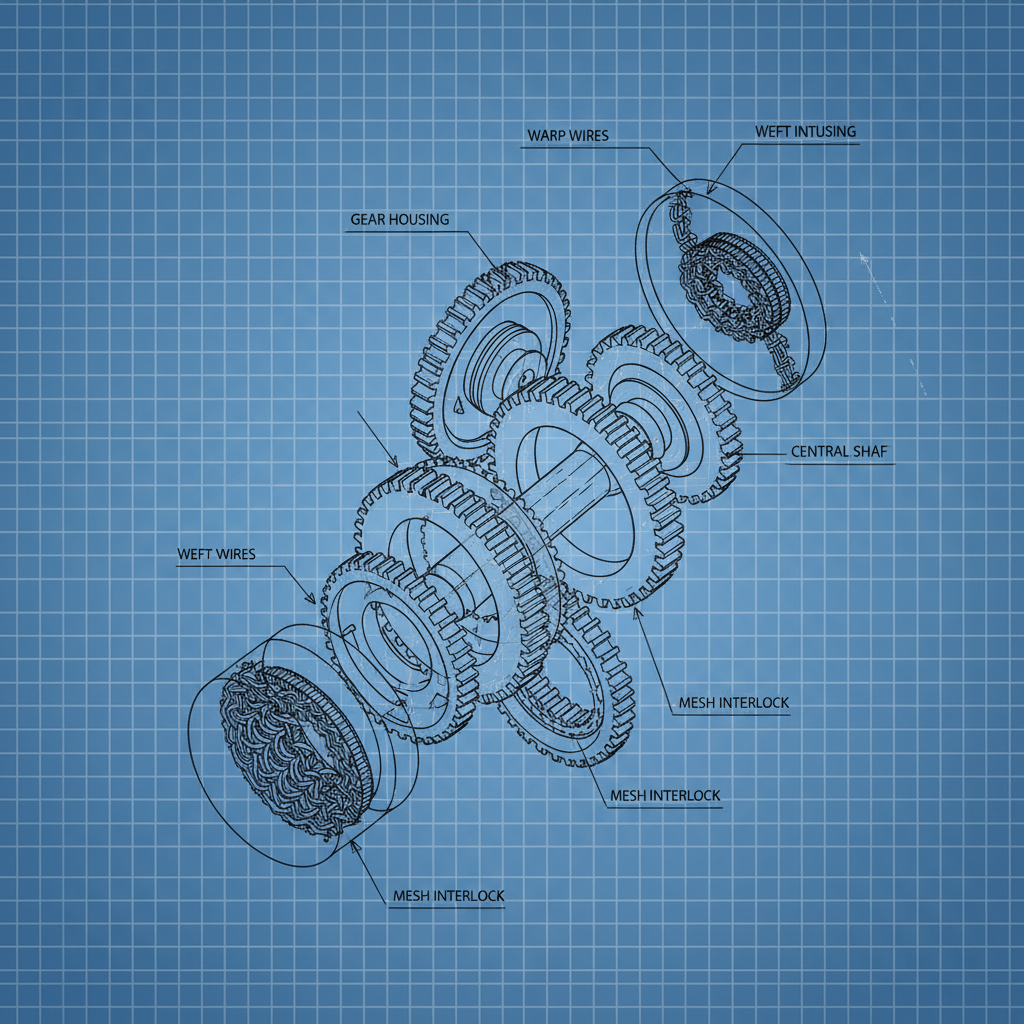
Dutch weave mesh is created by weaving two sets of wires – one heavier warp wire and one finer shute wire – in a specific pattern. This construction results in a mesh with larger openings in one direction and smaller openings in the other. The heavier warp wires provide strength and dimensional stability, while the finer shute wires create a greater open area for improved flow rates. This unique structure differentiates it from plain weave or twill weave meshes, making it ideal for applications requiring both filtration and structural integrity. Ansheng Filterscreen specializes in producing high-quality Dutch weave mesh tailored to various industrial requirements.
Key Characteristics: High permeability, excellent strength, unique weaving pattern (larger openings in one direction), dimensional stability, and resistance to wear and tear.
Key Applications of Dutch Weave Mesh
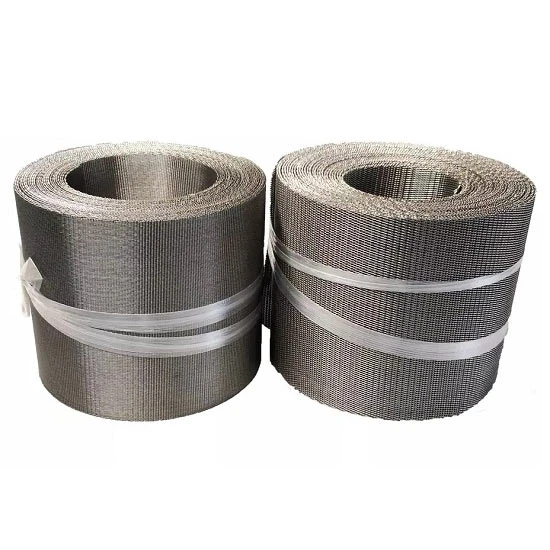
Dutch weave mesh finds widespread use in diverse industries. It's commonly used in filtration systems for liquids and gases, particularly in chemical processing, pharmaceutical manufacturing, and food and beverage production. Its robust construction makes it suitable for sieve screens in mining and aggregate industries. The mesh is also utilized in producing filter cloths, electrode media, and loudspeaker grills. Furthermore, it's frequently employed in creating specialized screens for paper mills, plastic extrusion, and various industrial cleaning processes.
Application Areas:
• Filtration of liquids and gases
• Sieve screens for mining and aggregates
• Filter cloths for industrial processes
• Electrode media for electrochemical applications
Dutch Weave Mesh vs. Other Weave Types
Compared to plain weave and twill weave meshes, Dutch weave offers unique advantages. Plain weave provides even strength and filtration but typically has lower permeability. Twill weave offers higher density and strength but can be more prone to clogging. Dutch weave strikes a balance, providing significant strength coupled with superior flow rates due to its varied opening sizes. This makes it a preferable choice when efficient filtration without excessive pressure drop is essential.
Factors to Consider When Choosing Dutch Weave Mesh
Selecting the appropriate Dutch weave mesh requires careful consideration of several factors. The particle size you need to filter is paramount. Mesh count (wires per inch) determines the opening size and thus the filtration efficiency. Material selection is also crucial – stainless steel is common for its corrosion resistance, while other materials like brass or monel may be suitable for specific applications. Furthermore, the operating temperature and pressure must be factored in to ensure the mesh can withstand the conditions. Working with a reputable supplier like Ansheng Filterscreen ensures you receive a quality product tailored to your requirements.
Dutch Weave Mesh Specifications and Available Options
We offer a comprehensive range of Dutch weave mesh options to suit various applications. The following table provides a quick overview of some standard specifications.
Conclusion: Choosing the Right Dutch Weave Mesh for Your Needs
Dutch weave mesh offers a compelling combination of strength, permeability, and durability, making it ideal for a wide array of applications. Understanding the different weave types, material options, and specifications will help you make an informed decision. Ansheng Filterscreen is dedicated to providing high-quality Dutch weave mesh and expert guidance to ensure you find the perfect solution for your project.
Frequently Asked Questions (FAQs)
What is the typical lifespan of Dutch weave mesh?
The lifespan of Dutch weave mesh depends heavily on the operating environment and the materials used. Stainless steel meshes generally have a very long lifespan with minimal degradation. However, exposure to corrosive substances, extreme temperatures, or abrasive materials can shorten the lifespan. Regular inspection for wear and tear is recommended. With proper care, Dutch weave mesh can reliably perform for many years.
Can Dutch weave mesh be custom-made?
Yes, Ansheng Filterscreen specializes in custom-made Dutch weave mesh. We can tailor the mesh count, material, width, and length to your specific requirements. Customization allows you to optimize the mesh for your unique application and achieve the desired filtration efficiency and performance.
What are the common materials used for Dutch weave mesh?
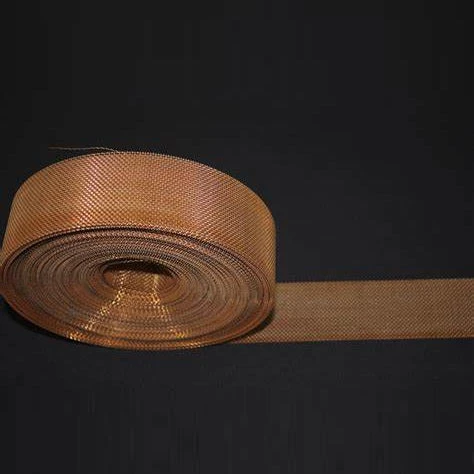
Common materials include stainless steel (304, 316, 316L), brass, copper, and monel. Stainless steel is popular for its corrosion resistance and durability. Brass offers good electrical conductivity. Monel is chosen for its resistance to harsh chemicals. The best material depends on the specific application and the environment it will be used in.
How do I clean Dutch weave mesh?
Cleaning methods depend on the type of contaminant. For loose particles, brushing or gentle air blowing is often sufficient. For more stubborn residues, mild detergents or ultrasonic cleaning can be used. Avoid abrasive cleaners or harsh chemicals that could damage the mesh. It’s important to choose a cleaning method compatible with the mesh material.
Post time: Jan . 27, 2026 18:25