
Understanding Dutch Weave Mesh Applications and Industrial Benefits

Understanding Dutch Weave: Applications and Benefits

Dutch weave is a versatile type of woven wire mesh known for its unique structure and diverse applications. It's characterized by alternating plain and twill weaves, resulting in a fabric with excellent strength, flexibility, and permeability. This makes it ideal for a range of uses in industries like filtration, screening, and reinforcement. Ansheng Filter Screen specializes in high-quality dutch weave mesh, catering to diverse industrial needs. Understanding the properties and applications of dutch weave is key to maximizing its benefits in various sectors.
Understanding Dutch Weave Mesh Applications and Industrial Benefits

What Exactly is Dutch Weave?

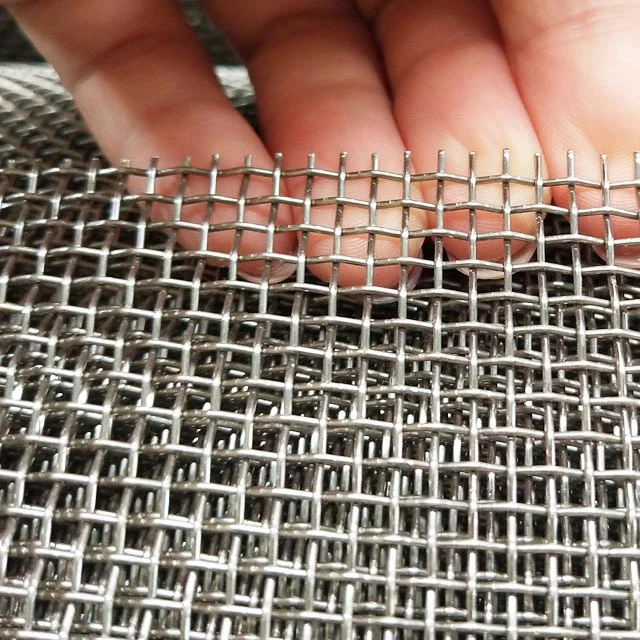
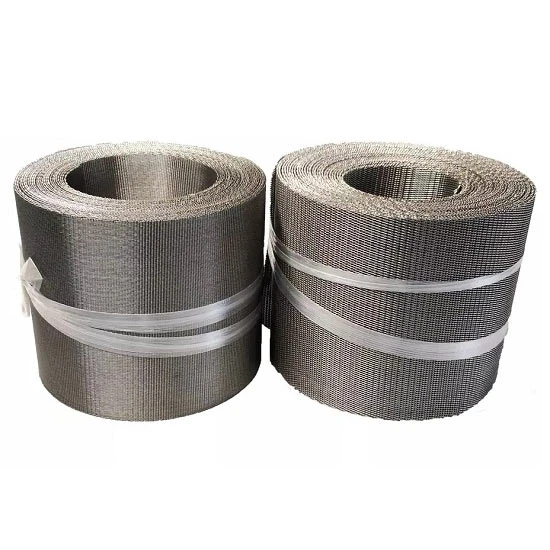
Dutch weave isn’t a single weave pattern but a combination. It’s created by alternately weaving plain and twill patterns. The twill weave creates a diagonal rib pattern which impacts the mesh’s properties. This unique construction results in a mesh that is more open in one direction than the other, providing excellent flow characteristics. This makes it superior for applications needing high permeability while maintaining good structural integrity. The material used to create dutch weave can vary, including stainless steel, brass, copper, and other alloys, depending on the specific application and required properties. Ansheng Filter Screen offers a comprehensive selection of materials to suit your specific needs.

Key Highlights: The alternating plain and twill weave creates a unique mesh with varying openings, excellent flow characteristics, and strong structural integrity.

Applications of Dutch Weave Mesh

The unique properties of dutch weave lend themselves to a broad range of applications. In filtration, it's commonly used in filter cloths for separating solids from liquids, particularly in industries like food processing, pharmaceuticals, and chemical production. Its high permeability makes it ideal for applications where maintaining flow rates is critical. Dutch weave is also extensively used in screening applications for sizing materials, such as in aggregate production and soil classification. Further, it’s used for wire cloth reinforcement in composite materials and as a vibration screen in various industrial processes. Explore Ansheng’s range of applications and solutions.

Application Areas:

• Filtration of liquids and gases

• Screening and sizing of materials

• Composite material reinforcement

• Vibration screens

Dutch Weave vs. Plain Weave: A Detailed Comparison

Understanding the differences between dutch weave and plain weave is crucial for selecting the right mesh for your application. Plain weave, with its simple over-under pattern, offers uniform strength and stability. However, it tends to have smaller openings and lower permeability compared to dutch weave. Dutch weave, with its alternating plain and twill structure, provides greater permeability and flexibility, making it suitable for applications where fluid flow is paramount. The following table highlights the key differences between these two common weave types:

Feature Dutch Weave Plain Weave
Permeability High Low
Strength Good High
Openings Variable, larger in one direction Uniform
Flexibility High Moderate

Factors Influencing Dutch Weave Performance

Several factors influence the performance of dutch weave mesh. Wire material, wire diameter, weave pattern density, and the overall mesh count all play a critical role. Selecting the right combination of these factors depends heavily on the intended application. For example, finer wire diameters and higher mesh counts are suitable for applications requiring very fine filtration, while coarser wires and lower mesh counts are appropriate for heavier-duty screening. Environmental conditions, such as temperature and exposure to corrosive substances, must also be considered when choosing a material. Ansheng Filter Screen can provide expert guidance to help you select the optimal dutch weave mesh for your specific needs.
Understanding Dutch Weave Mesh Applications and Industrial Benefits

Choosing the Right Supplier: Ansheng Filter Screen

Selecting a reliable supplier is critical when sourcing dutch weave mesh. Ansheng Filter Screen is a leading manufacturer and supplier, committed to delivering high-quality products and exceptional customer service. We offer a wide range of materials, weave patterns, and mesh counts to meet diverse industrial requirements. Our experienced team can provide technical support and guidance to help you select the optimal solution for your application. We pride ourselves on fast turnaround times, competitive pricing, and consistent quality control.

Conclusion: Leveraging the Benefits of Dutch Weave with Ansheng

Dutch weave mesh offers a unique combination of permeability, strength, and flexibility, making it ideal for a wide range of industrial applications. By partnering with a trusted supplier like Ansheng Filter Screen, you can ensure you receive high-quality products and expert support. Invest in the right mesh for your needs and unlock the full potential of this versatile material.

Frequently Asked Questions (FAQs)

What materials is dutch weave typically made from?

Dutch weave can be manufactured from a variety of materials, including stainless steel (304, 316, 316L), brass, copper, aluminum, and other specialized alloys. The choice of material depends on the specific application and the required properties, such as corrosion resistance, temperature resistance, and strength. Stainless steel is the most common material due to its excellent durability and resistance to corrosion. Ansheng Filter Screen provides dutch weave in a comprehensive range of materials to meet diverse needs.

How is the ‘openness’ of Dutch weave measured?

The openness of dutch weave is typically quantified by the mesh count, which refers to the number of wires per inch. A lower mesh count indicates larger openings and greater permeability. However, it’s crucial to consider that the openness varies in two directions due to the weave structure. The warp (lengthwise) and weft (widthwise) openings will be different. The wire diameter also influences the overall opening size. Our technical team can help you determine the optimal mesh count for your application.

What are the benefits of using stainless steel dutch weave?

Stainless steel dutch weave offers several key benefits, including exceptional corrosion resistance, high strength, and durability. It can withstand harsh environments and extreme temperatures, making it suitable for a wide range of applications. Stainless steel is also hygienic and easy to clean, making it ideal for food processing and pharmaceutical industries. Furthermore, it offers a long service life, reducing the need for frequent replacements.

Can dutch weave be custom-made to specific dimensions?

Yes, Ansheng Filter Screen offers custom fabrication services for dutch weave mesh. We can cut, shape, and weld the mesh to your exact specifications. We can also provide finishing options, such as edge treatments and framing, to meet your specific requirements. Our experienced team can work with you to develop a custom solution that perfectly fits your application.


Post time: Jan . 30, 2026 14:55
Prev:

This is the first article

Related News
  • Protecting crops, buildings, and infrastructure from bird damage is a significant concern for many industries. Galvanised bird mesh provides a robust and effective solution. This article will explore the benefits, applications, and key considerations when choosing galvanised bird mesh, offering a detailed overview for those seeking reliable bird control. From agricultural protection to industrial applications, we will cover everything you need to know about this versatile product. Galvanised bird mesh is a woven wire netting coated with a layer of zinc. This galvanisation process provides excellent corrosion resistance, making it suitable for outdoor applications and harsh environments. The mesh is typically made from steel wire, offering strength and durability. Different mesh sizes are available to cater to various bird species and protection needs.

  • When selecting materials for industrial filtration, construction, or agricultural applications, galvanized steel mesh screen stands out as a durable and cost-effective solution. This article will provide a detailed overview of galvanized steel mesh screen, covering its properties, applications, benefits, and important considerations when making a purchase. Understanding its characteristics can help you determine if it’s the ideal material for your specific needs. We will delve into the nuances of this versatile material and how Ansheng Filter Screen provides quality products. Galvanized steel mesh screen is a woven wire mesh manufactured from steel that has been coated with a layer of zinc. This zinc coating acts as a protective barrier against corrosion and rust, significantly extending the lifespan of the steel. The galvanization process can be hot-dip galvanizing or electro-galvanizing, each offering different levels of protection and cost. The mesh is typically available in various weave patterns, such as plain weave, twill weave, and dutch weave, each suited for different filtration and screening needs.

  • Galvanized netting is a versatile and cost-effective solution for a wide range of applications, from agricultural fencing to industrial safety barriers. Its durability and resistance to corrosion make it a popular choice across numerous industries. This article will delve into the properties of galvanized netting, exploring its benefits, common uses, different types available, and how to select the best netting for your specific needs. Understanding the nuances of galvanized netting will ensure you make an informed decision and maximize its lifespan and effectiveness. Galvanized netting is woven from steel wire that has been coated with a layer of zinc through a process called galvanization. This zinc coating acts as a barrier against corrosion, protecting the steel from rust and environmental damage. There are two primary galvanization methods: hot-dip galvanizing and electro-galvanizing. Hot-dip galvanizing involves immersing the steel wire in a bath of molten zinc, creating a thick and durable coating. Electro-galvanizing uses an electric current to deposit a thinner layer of zinc onto the wire.

  • Dutch weave mesh is a versatile and durable material used in a wide range of industrial and filtration applications. Known for its unique weaving pattern, it provides excellent strength and permeability. This article will explore the characteristics, applications, benefits, and considerations when choosing Dutch weave mesh, providing a thorough understanding for professionals and buyers. Understanding its properties is vital to selecting the right mesh for your needs. Dutch weave mesh is created by weaving two sets of wires – one heavier warp wire and one finer shute wire – in a specific pattern. This construction results in a mesh with larger openings in one direction and smaller openings in the other. The heavier warp wires provide strength and dimensional stability, while the finer shute wires create a greater open area for improved flow rates. This unique structure differentiates it from plain weave or twill weave meshes, making it ideal for applications requiring both filtration and structural integrity.

  • Explore the benefits, applications, and vendors of Reverse Dutch Weave for industrial filtration systems. Learn how Ansheng Filter Screen delivers durable and high-performance filtration solutions.

  • Explore the benefits, applications, and vendor landscape of Reverse Dutch Weave Wire Mesh. Learn how Ansheng Filterscreen can help you optimize your filtration processes.

  • In today's industrial and commercial fields, super fine wire mesh has grown into a critical component thanks to its precision and efficiency. This mesh type, often used in air and liquid filtration, can trap incredibly small particles while allowing air or fluids to pass through.

WE PROVIDE HIGH QUALITYEQUIPMENT
Recommend Products
  • Stainless Steel Plain Weave Wire Mesh

    Stainless steel plain weave wire mesh, also known as Stainless steel wire cloth, stainless steel screen, stainless steel gauze. Materials: Stainless steel 201, 304, 316, 316L, etc. Plain weave scope of Mesh : 1mesh-635mesh Plain weave scope of wire diameter: 1mm-0.001mm Plain weave scope of width: usually 0.915m-2meters, and special specifications can be customized according to customer requirements. Plain weave scope of length: generally 30 meters. Stainless steel wire mesh weave type: plain weave, twill weave, herringbone weave, dutch weave, reserve dutch weave

  • Stainless Steel Reverse Dutch Weave Wire Mesh

    Stainless steel reserve dutch weave wire mesh, also known as Stainless steel wire cloth, stainless steel screen, stainless steel gauze. Materials: Stainless steel 201, 304, 316, 316L, etc. Reserve dutch weave scope of Mesh : 72x15mesh-260x40mesh Reserve dutch weave scope of wire diameter: 0.55mm-0.15mm Reserve dutch weave scope of width: usually 60mm-300mm, and special specifications can be customized according to customer requirements. Reserve dutch weave scope of length: generally 10 meters, 20 meters, 30meters. Stainless steel wire mesh weave type: plain weave, twill weave, herringbone weave, dutch weave, reserve dutch weave

  • Iron Dutch Weave Wire Mesh

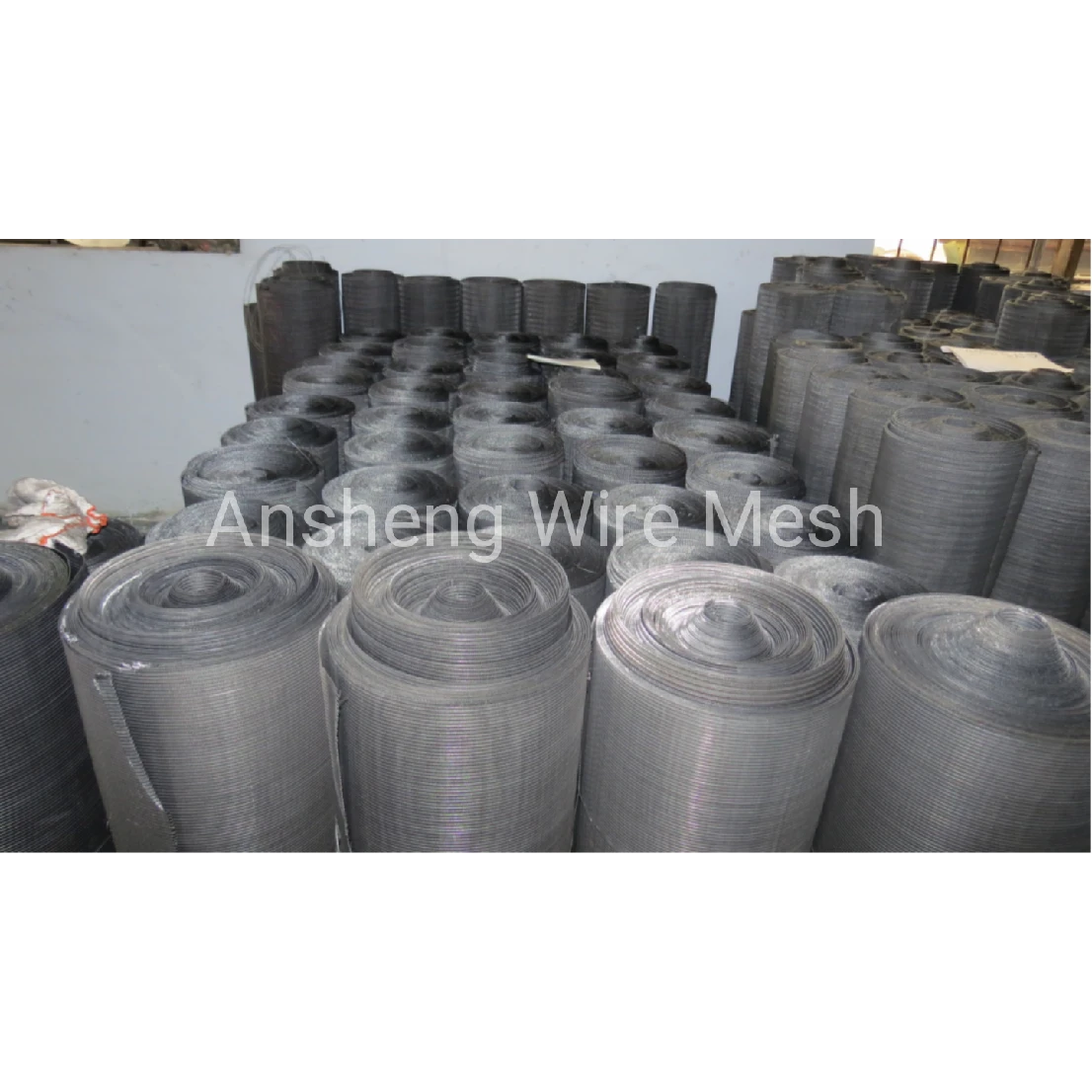
    Low-carbon steel dutch weave wire mesh, also known as iron wire filter mesh, black wire cloth. Materials: Low-carbon steel Scope of Mesh : 7x55mesh-40x200mesh Scope of wire diameter: 0.14mm-0.75mm Scope of width: usually 0.915m-1.3meters, and special specifications can be customized according to customer requirements. Scope of length: generally 30 meters. Weave: plain weave, herringbone weave, dutch weave

  • Phosphor Copper Wire Mesh

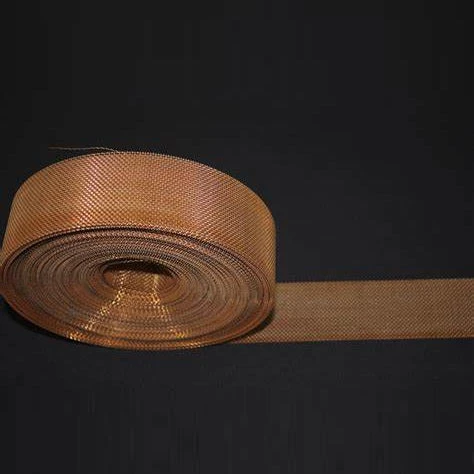
    Phosphor copper wire mesh, also known as copper wire mesh. Materials: QSn6.5-0.1,QSn6.5-0.4 Property: Non-magnetic, wear resistant, good ductility Scope of Mesh : 2-300mesh Scope of wire diameter: 0.08mm-0.8mm Scope of width: usually 1m-1.5meters, and special specifications can be customized according to customer requirements. Scope of length: generally 30 meters. Weave: plain weave, twill weave

tel email tel top

If you are interested in our products, you can choose to leave your information here, and we will be in touch with you shortly.