
Understanding Dutch Wire Mesh: A Comprehensive Guide
Dutch wire mesh, renowned for its precision and versatility, is a crucial material across various industries, from filtration and screening to architectural applications. This article delves into the specifics of Dutch wire mesh, its properties, applications, and why Ansheng Filter Screen is a leading provider of high-quality Dutch wire mesh solutions. Whether you are in need of precise filtration, robust screening, or specialized weaving, understanding the nuances of this material is key to making informed decisions. Let's explore the world of Dutch wire mesh and uncover its many benefits.
What is Dutch Wire Mesh?
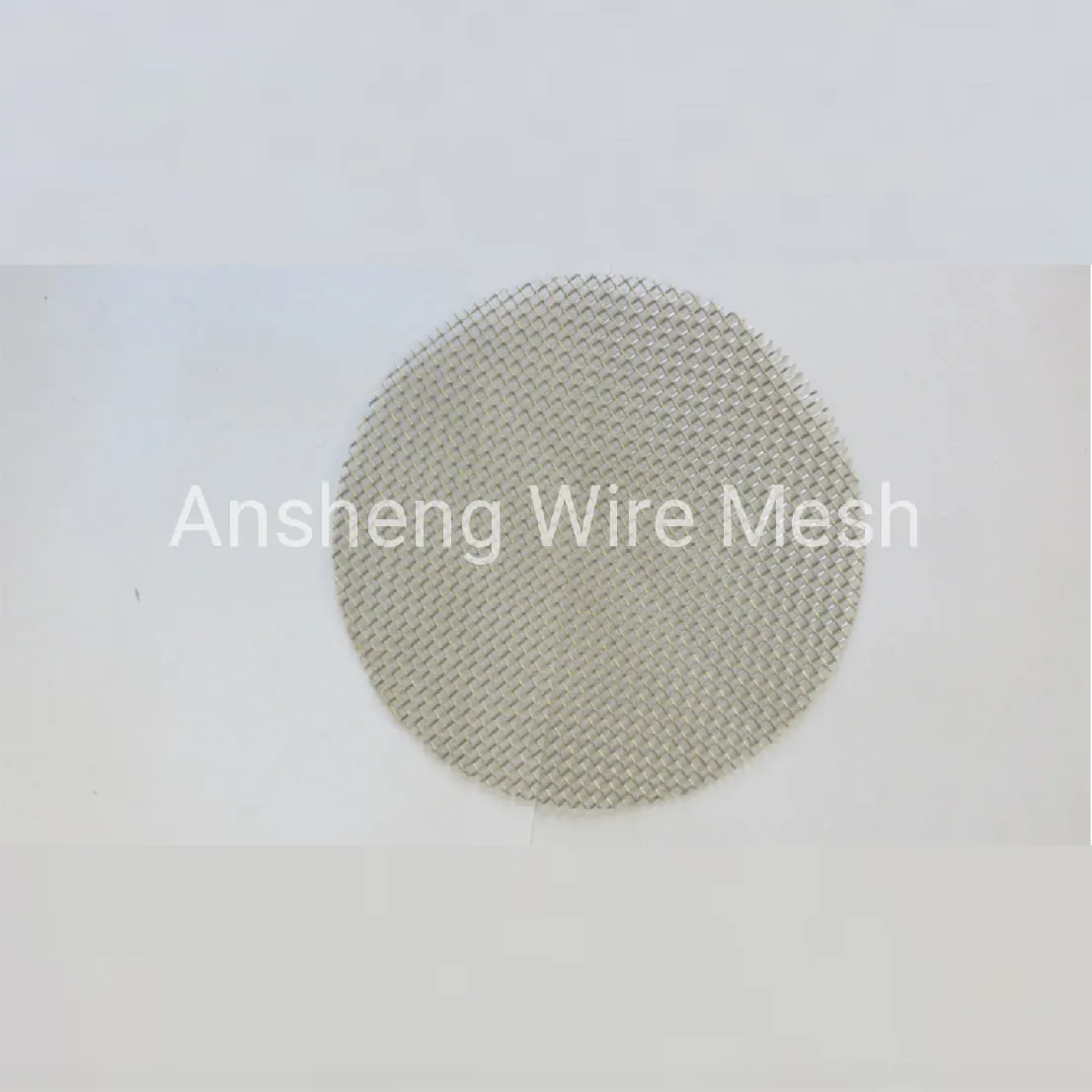
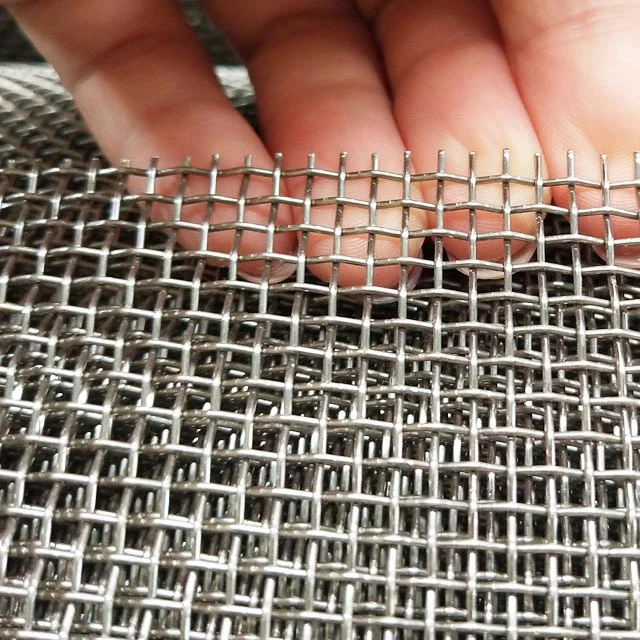
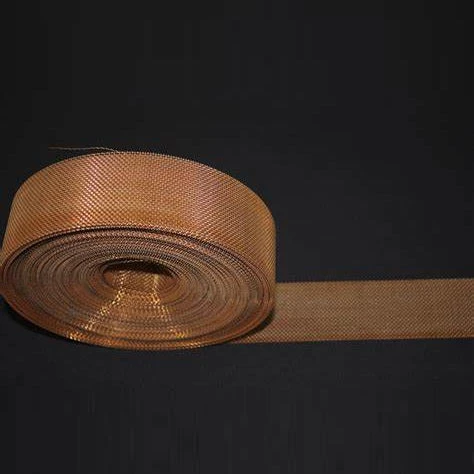
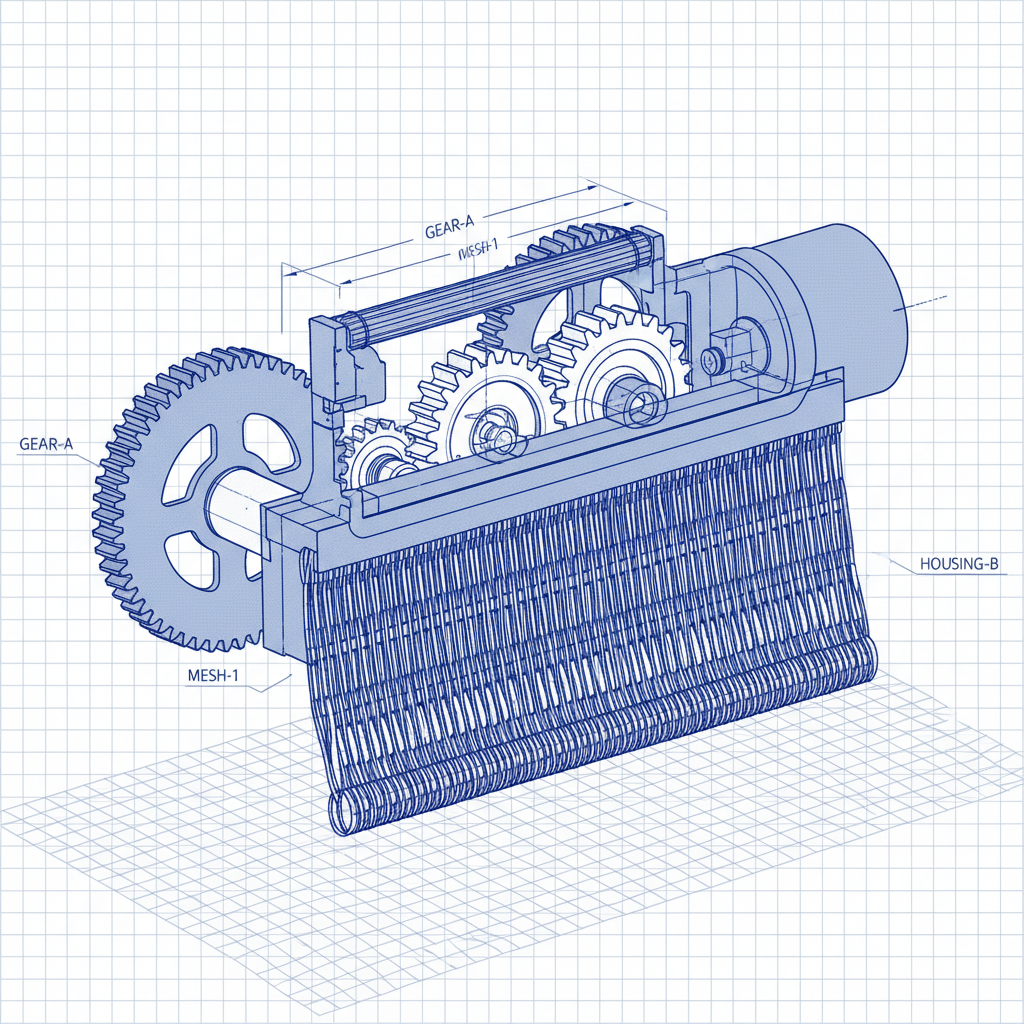
Dutch wire mesh isn’t a specific weave style but rather a term signifying a precise method of weaving wire, primarily focusing on achieving extremely consistent aperture sizes. It’s characterized by its tightly controlled weave and uniform openings, making it ideal for applications where precise filtration or screening is critical. Typically made from stainless steel (304, 316L, and others), the mesh is known for its durability, corrosion resistance, and ability to withstand high temperatures. The process involves weaving wires in both warp and weft directions, creating a stable and dimensionally accurate fabric. Ansheng Filter Screen specializes in producing Dutch wire mesh to meet the most demanding specifications.
Key Highlights: Precise weaving for consistent aperture sizes, commonly made from stainless steel for durability and corrosion resistance, ideal for critical filtration and screening applications.
Key Properties of Dutch Wire Mesh
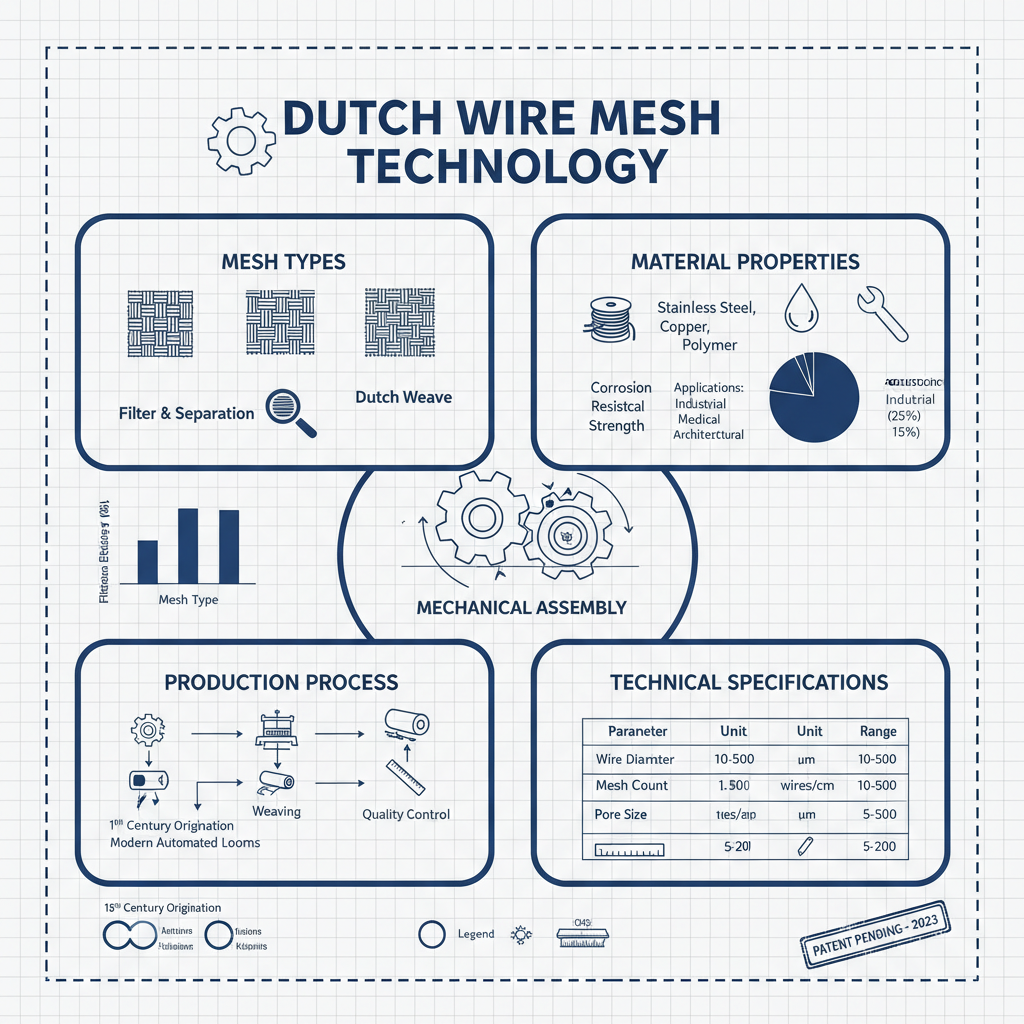
Dutch wire mesh boasts a remarkable set of properties that make it suitable for a wide array of applications. These include excellent tensile strength, ensuring its ability to withstand significant stress and strain. Its precise aperture sizes provide accurate filtration and screening capabilities. Furthermore, its corrosion resistance, particularly when made from stainless steel, makes it ideal for harsh environments. The mesh also exhibits good thermal stability, maintaining its properties at elevated temperatures. Finally, its woven construction provides dimensional stability, minimizing stretching or deformation over time. Ansheng Filter Screen leverages these properties to deliver superior quality mesh products.
Key Properties:
• High Tensile Strength
• Precise Aperture Sizes
• Corrosion Resistance
• Thermal Stability
• Dimensional Stability
Applications of Dutch Wire Mesh
The applications of Dutch wire mesh are incredibly diverse. In the filtration industry, it's used for filtering liquids and gases, ensuring purity and removing contaminants. It's also critical in pharmaceutical production for sterilizing processes and in the food and beverage industry for separating solids from liquids. In architectural applications, it can be used for decorative screens, safety barriers, and facade cladding. Furthermore, Dutch wire mesh is frequently used in environmental applications, such as wastewater treatment and air purification. Ansheng Filter Screen provides solutions for all these applications and more.
Dutch Wire Mesh Specifications & Material Options
Dutch wire mesh is available in a variety of specifications to meet specific application requirements. Common materials include Stainless Steel 304, 316L, and other alloys. Mesh count, ranging from coarse to very fine, determines the aperture size. Wire diameter also varies depending on the desired strength and filtration requirements. Furthermore, different weave patterns, such as plain weave, twill weave, and reverse Dutch weave, provide varying levels of filtration efficiency and flow rates. Ansheng Filter Screen can customize mesh to your exact specifications.
Conclusion: Partnering with Ansheng for Dutch Wire Mesh Excellence
Choosing the right Dutch wire mesh supplier is vital for ensuring the quality and performance of your application. Ansheng Filter Screen offers a comprehensive range of customizable solutions, backed by expertise and a commitment to customer satisfaction. From precise specifications to reliable delivery, we are your trusted partner for all your Dutch wire mesh needs. Contact us today to discuss your project requirements and experience the difference.
Frequently Asked Questions (FAQs)
What are the main benefits of using Dutch wire mesh over other types of mesh?
Dutch wire mesh stands out due to its incredibly precise weave and consistent aperture sizes. Unlike standard mesh, it offers superior filtration and screening accuracy. The tightly controlled weave also provides enhanced stability and durability. This makes it the preferred choice for applications demanding high precision, such as pharmaceutical filtration, or where consistent performance is critical. Its high-quality materials, like stainless steel, add to its longevity and resistance to harsh conditions.
What types of stainless steel are commonly used in Dutch wire mesh?
The most common stainless steel grades used in Dutch wire mesh are 304 and 316L. 304 stainless steel provides excellent corrosion resistance and is suitable for a wide range of applications. 316L, containing molybdenum, offers superior resistance to chloride corrosion and is ideal for marine environments or applications involving harsh chemicals. The choice of stainless steel grade depends on the specific application and the environment it will be exposed to.
Can Dutch wire mesh be customized to specific dimensions and shapes?
Yes, Ansheng Filter Screen specializes in providing customized Dutch wire mesh solutions. We can tailor the mesh to specific dimensions, shapes, and weave patterns to meet your exact requirements. This includes cutting the mesh to size, forming it into specific shapes, and even welding it into larger structures. Our team works closely with clients to understand their needs and deliver precisely engineered solutions.
How do I determine the appropriate mesh count for my application?
Determining the appropriate mesh count depends on the particle size you need to filter or screen. A higher mesh count indicates smaller openings, which are suitable for filtering finer particles. Consider the size of the particles you want to retain versus those you want to pass through. Consulting with a filtration expert at Ansheng Filter Screen can help you select the optimal mesh count for your specific application.
Post time: Feb . 11, 2026 02:45