
Understanding Stainless Steel BBQ Mesh: Benefits, Applications & Industry Trends

Understanding Stainless Steel BBQ Mesh: A Global Perspective

Stainless steel BBQ mesh might not be the first thing that comes to mind when you think about global trade or industrial design, but oddly enough, it touches on some surprisingly wide-ranging themes—from durable cooking solutions to commercial food safety standards. This resilient material matters worldwide, not just for the backyard grill enthusiast, but for industries looking for reliable, hygienic, and long-lasting mesh products. In this article, we’ll explore what stainless steel BBQ mesh really is, why it’s important on a global scale, and how understanding its characteristics and uses can benefit you, whether you’re running a kitchen or managing industrial operations.

Mini Takeaway: Stainless steel BBQ mesh is more than just a grill accessory; it’s a durable industrial component with global relevance in food safety, manufacturing, and sustainability.

Global Context and Industry Relevance

Globally, the food processing and outdoor cooking markets have been growing steadily—UN data suggests that demand for hygienic, reusable cooking materials is rising with urbanization and lifestyle shifts. Stainless steel, ranked under ISO standards for corrosion resistance and food-grade safety, proves ideal. Yet many still struggle with cheap, inferior BBQ mesh alternatives that rust, contaminate food, or break easily, resulting in waste and health risks.

For manufacturers and consumers alike, quality stainless steel meshes offer a solution—one that aligns well with environmental regulations and consumer expectations for durability and food safety. According to market research, the global stainless steel mesh market is expected to grow annually, driven by innovations in alloy composition and mesh weave patterns.

Mini Takeaway: Stainless steel BBQ mesh meets a global demand for sustainability and reliability in cooking materials, directly responding to food safety and environmental concerns.

What Exactly Is Stainless Steel BBQ Mesh?

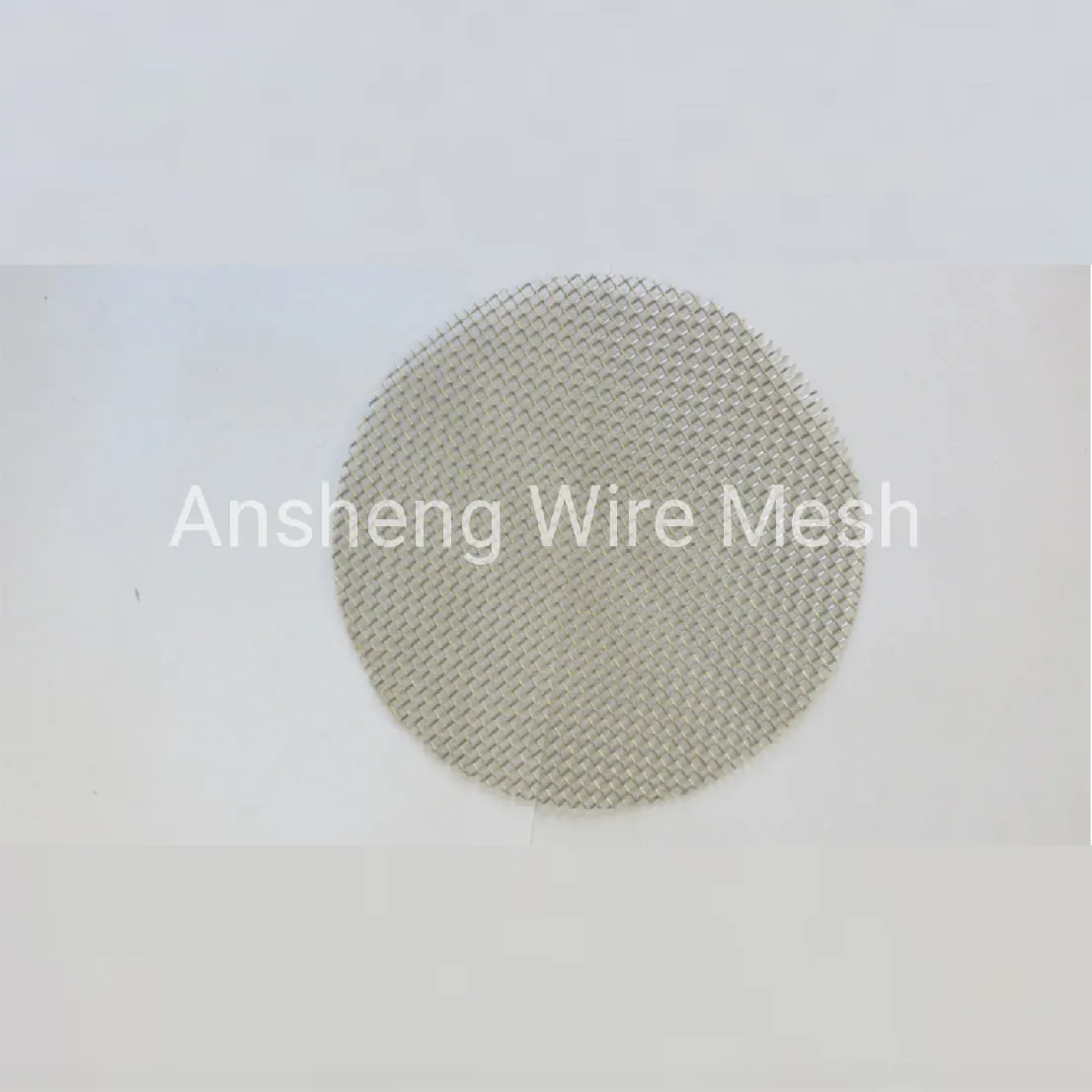
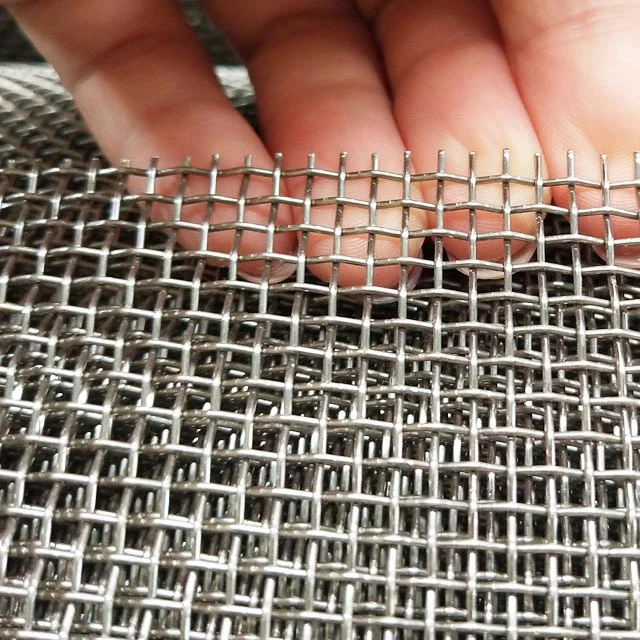
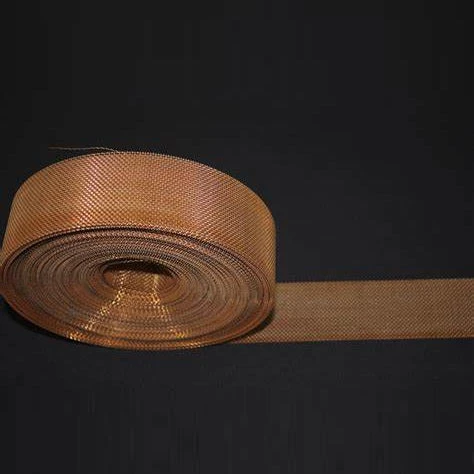
In simple terms, stainless steel BBQ mesh is a woven grid made from corrosion-resistant stainless steel wire designed to withstand high temperatures and repetitive use. It’s the grilling surface that holds your food securely over flames or charcoal. But beyond the backyard, this mesh is an industrial product, engineered carefully with specific grades of steel—like 304 or 316 stainless steel—to resist rust, contamination, and warping.

Its significance extends beyond cooking—industries use stainless steel mesh for filtration, ventilation, and protective barriers, showcasing its versatility. In humanitarian efforts, for example, durable mesh can be deployed in portable kitchens or clean water setups because it’s easy to sanitize and lasts longer than many other materials.

Mini Takeaway: Stainless steel BBQ mesh blends simplicity with engineering precision, making it a versatile material for food preparation and industrial applications.

Key Factors Defining Stainless Steel BBQ Mesh

1. Durability

One of the standout features is durability. Stainless steel resists corrosion caused by exposure to heat, moisture, and acidic foods. This durability cuts down replacement frequency, especially important in commercial kitchens.

2. Food Safety

FDA-approved grades mean the mesh won’t leach harmful substances or absorb bacteria. It’s easy to clean, which directly supports hygiene standards in food prep environments.

3. Heat Resistance

Unlike cheaper mesh alternatives, stainless steel can handle direct grill heat without warping or deteriorating, ensuring consistent cooking results.

4. Customization and Scalability

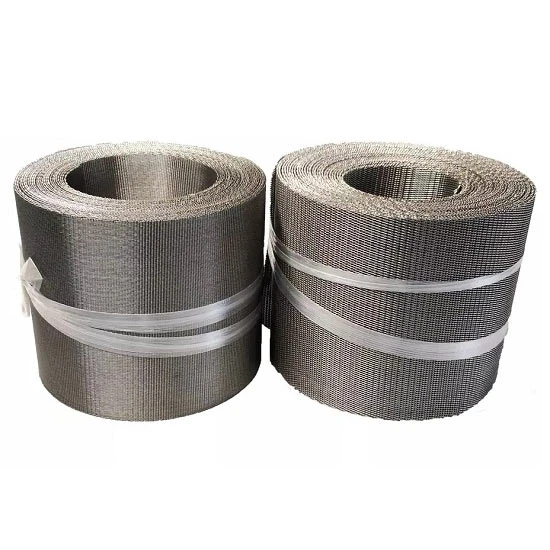
The mesh can be woven with varying thicknesses and patterns—whether fine for delicate seafood or coarser for steaks. Also, manufacturers can scale production to cater from individual users to industrial orders.

5. Cost Efficiency Over Time

While upfront costs may appear higher than some alternatives, the lifespan benefits and reduced contamination risks balance out expenses.

6. Environmental Impact

Recyclable and long-lasting, stainless steel mesh contributes to sustainability efforts by lowering waste.

Mini Takeaway: Durability, safety, and customization make stainless steel BBQ mesh a smart, long-term investment for various industries.

Global Applications & Real-World Use Cases

Regions with rich grilling cultures—such as the US, South America, and parts of Asia—naturally lead in stainless steel BBQ mesh consumption. But industries worldwide use this mesh beyond just food grills. For instance:

  • Food processing plants rely on mesh for hygienic sieves and drying racks.
  • Outdoor catering companies use customized mesh grills for events in remote locations.
  • Post-disaster relief agencies utilize rugged, easy-to-clean mesh in portable cooking units.

In many industrial zones, stainless steel mesh acts as a component in filtration systems where durability is critical.

Mini Takeaway: Stainless steel BBQ mesh bridges traditional culinary uses with critical roles in industry and humanitarian aid.

Advantages & Long-Term Value

First, using stainless steel BBQ mesh enhances safety—less rust means fewer contaminants in food. There's an emotional comfort in knowing you're cooking on a clean, reliable surface. Logically, it saves money thanks to longevity and less need for replacements.

Socially, reliance on sustainable, recyclable materials reflects corporate responsibility, which many consumers now demand. Plus, innovation in mesh designs improves airflow and heat transfer, resulting in better cooking experiences.

Product Specifications of a Typical Stainless Steel BBQ Mesh

Specification Details
Material Grade 304 Stainless Steel (Food Grade)
Wire Diameter 0.7 mm (standard range 0.6-1.2 mm)
Mesh Size 5x5 mm (varies by application)
Dimensions Available custom sizes up to 1m x 2m
Finish Polished or matte
Temperature Resistance Up to 900°C

Vendor Comparison: Top Stainless Steel BBQ Mesh Suppliers

Supplier Product Range Customization Price Range (USD) Shipping Regions
Ansheng Filter Screen Wide mesh sizes & alloy types Full customization $$$ Global
Global Steel Mesh Co. Standard mesh sizes Limited $–$$ North America, Europe
Asia Mesh Supplies Large inventory but fewer alloys Custom sizes only $ Asia-Pacific

Future Trends & Innovations

The stainless steel BBQ mesh market isn’t standing still. Frankly, there’s a push toward developing even more corrosion-resistant alloys that use less nickel (which is expensive and environmentally taxing to mine). Also, digital transformation is creeping in—some manufacturers implement laser-cutting technologies to produce ultra-precise mesh patterns. Sustainability-minded buyers are encouraging the use of recycled stainless steel.

Green energy also plays a role: manufacturing plants powered by renewable sources shrink the carbon footprint of these products further. Alongside, automated quality control using AI ensures defects in mesh lifecycles are caught early, increasing customer trust.

Mini Takeaway: Ongoing innovations promise a greener, smarter future for stainless steel BBQ mesh, boosting quality and sustainability in tandem.

Challenges & Solutions in Using Stainless Steel BBQ Mesh

Of course, not everything’s perfect. Stainless steel mesh can be more costly upfront, and heavier than alternatives such as aluminum or fiberglass mesh. Plus, some cheaper variants still flood markets, confusing buyers about quality.

To tackle these issues, experts recommend:

  • Careful grade selection to balance price and durability;
  • Educating end-users on long-term cost savings;
  • Working with reputable suppliers who provide transparent testing and certifications.

The right knowledge can make the difference between frustration and success here.

FAQ: Frequently Asked Questions About Stainless Steel BBQ Mesh

Q: How long does high-quality stainless steel BBQ mesh typically last?
A: When properly maintained, stainless steel BBQ mesh can last for decades, especially industrial-grade types like 304 or 316 stainless steel. Regular cleaning and avoiding exposure to corrosive chemicals help extend its lifespan.
Q: Is stainless steel BBQ mesh safe for all types of grilling?
A: Yes, food-grade stainless steel mesh is widely recognized as safe for all grilling styles, including direct flame and indirect heat. It resists rust and doesn't react with acidic foods.
Q: Can stainless steel BBQ mesh be customized for unusual grills?
A: Absolutely. Manufacturers, including Ansheng Filter Screen, often offer custom sizes, wire thicknesses, and mesh patterns based on client needs.
Q: How do I clean and maintain stainless steel BBQ mesh?
A: Simple soap and water work well. For tougher residues, soaking in vinegar or using a brush keeps the mesh clean and functional. Avoid harsh abrasives that can damage the surface.
Q: Where can I purchase high-quality stainless steel BBQ mesh?
A: Look for verified suppliers with food-grade certifications. Ansheng Filter Screen is a respected vendor offering global shipping and custom solutions.

Conclusion: Why Stainless Steel BBQ Mesh Matters for the Long Run

To wrap up, stainless steel BBQ mesh embodies more than just a grilling surface. It’s a product at the crossroads of culinary tradition, industrial precision, and sustainable innovation. Offering unmatched durability, hygiene, and versatility, it serves the evolving needs of diverse global markets—from homes to humanitarian kitchens. If you want something reliable that also supports a greener planet, this mesh is definitely worth serious consideration.

Interested in exploring top-quality options? Visit Ansheng Filter Screen to learn more and find a product tailored to your needs.

Oddly enough, something as simple as a mesh can reveal a lot about the connections between industry, environment, and daily life.

References:

  1. Wikipedia: Stainless Steel
  2. ISO 9001 & Food Safety Standards
  3. UN Food Systems Summit: Sustainable Practices

Post time: Dec . 02, 2025 09:20
Related News
  • Discover precision engineering and durable solutions with Wire Mesh Discs from Anping County Ansheng. Combining cost-effective customization with advanced CNC machining, our discs ensure industrial excellence. Explore now: https://www.anshengfilterscreen.com/single-layer.html

  • Plain weave is one of the most basic and fundamental fabric weaves. Its simplicity doesn’t equate to limited use; on the contrary, it's incredibly versatile and found in countless applications. This article will explore the characteristics of plain weave, its advantages, and, most importantly, what is plain weave used for across various industries. Understanding this weave is crucial for anyone involved in textiles, filtration, or composite materials. It's a cornerstone of many modern manufacturing processes. The plain weave is characterized by its simple over-under pattern. Each weft yarn (horizontal) alternates crossing over and under each warp yarn (vertical). This creates a distinct checkerboard-like appearance. This seemingly simple structure gives the fabric excellent stability and a balanced texture. The density of the weave – the number of warp and weft yarns per inch – directly affects the fabric’s properties, such as its strength, permeability, and drape. It’s a remarkably efficient weave, making it cost-effective for large-scale production. The versatility of plain weave makes it a go-to choice in numerous industries. Here's a breakdown of some key applications: Apparel Fabrics: Cotton, linen, and polyester plain weaves are used extensively in clothing – think shirts, blouses, bedsheets, and linings. Filtration: Plain weave fabrics are a fundamental component of many filter screens, used for separating solids from liquids or gases.

  • Dutch wire mesh, renowned for its precision and versatility, is a crucial material across various industries, from filtration and screening to architectural applications. This article delves into the specifics of Dutch wire mesh, its properties, applications, and why Ansheng Filter Screen is a leading provider of high-quality Dutch wire mesh solutions. Whether you are in need of precise filtration, robust screening, or specialized weaving, understanding the nuances of this material is key to making informed decisions. Let's explore the world of Dutch wire mesh and uncover its many benefits. Dutch wire mesh isn’t a specific weave style but rather a term signifying a precise method of weaving wire, primarily focusing on achieving extremely consistent aperture sizes. It’s characterized by its tightly controlled weave and uniform openings, making it ideal for applications where precise filtration or screening is critical. Typically made from stainless steel (304, 316L, and others), the mesh is known for its durability, corrosion resistance, and ability to withstand high temperatures. The process involves weaving wires in both warp and weft directions, creating a stable and dimensionally accurate fabric.

  • Dutch weave is a versatile type of woven wire mesh known for its unique structure and diverse applications. It's characterized by alternating plain and twill weaves, resulting in a fabric with excellent strength, flexibility, and permeability. This makes it ideal for a range of uses in industries like filtration, screening, and reinforcement. Ansheng Filter Screen specializes in high-quality dutch weave mesh, catering to diverse industrial needs. Understanding the properties and applications of dutch weave is key to maximizing its benefits in various sectors. Dutch weave isn’t a single weave pattern but a combination. It’s created by alternately weaving plain and twill patterns. The twill weave creates a diagonal rib pattern which impacts the mesh’s properties. This unique construction results in a mesh that is more open in one direction than the other, providing excellent flow characteristics. This makes it superior for applications needing high permeability while maintaining good structural integrity.

  • Protecting crops, buildings, and infrastructure from bird damage is a significant concern for many industries. Galvanised bird mesh provides a robust and effective solution. This article will explore the benefits, applications, and key considerations when choosing galvanised bird mesh, offering a detailed overview for those seeking reliable bird control. From agricultural protection to industrial applications, we will cover everything you need to know about this versatile product. Galvanised bird mesh is a woven wire netting coated with a layer of zinc. This galvanisation process provides excellent corrosion resistance, making it suitable for outdoor applications and harsh environments. The mesh is typically made from steel wire, offering strength and durability. Different mesh sizes are available to cater to various bird species and protection needs.

  • When selecting materials for industrial filtration, construction, or agricultural applications, galvanized steel mesh screen stands out as a durable and cost-effective solution. This article will provide a detailed overview of galvanized steel mesh screen, covering its properties, applications, benefits, and important considerations when making a purchase. Understanding its characteristics can help you determine if it’s the ideal material for your specific needs. We will delve into the nuances of this versatile material and how Ansheng Filter Screen provides quality products. Galvanized steel mesh screen is a woven wire mesh manufactured from steel that has been coated with a layer of zinc. This zinc coating acts as a protective barrier against corrosion and rust, significantly extending the lifespan of the steel. The galvanization process can be hot-dip galvanizing or electro-galvanizing, each offering different levels of protection and cost. The mesh is typically available in various weave patterns, such as plain weave, twill weave, and dutch weave, each suited for different filtration and screening needs.

  • Galvanized netting is a versatile and cost-effective solution for a wide range of applications, from agricultural fencing to industrial safety barriers. Its durability and resistance to corrosion make it a popular choice across numerous industries. This article will delve into the properties of galvanized netting, exploring its benefits, common uses, different types available, and how to select the best netting for your specific needs. Understanding the nuances of galvanized netting will ensure you make an informed decision and maximize its lifespan and effectiveness. Galvanized netting is woven from steel wire that has been coated with a layer of zinc through a process called galvanization. This zinc coating acts as a barrier against corrosion, protecting the steel from rust and environmental damage. There are two primary galvanization methods: hot-dip galvanizing and electro-galvanizing. Hot-dip galvanizing involves immersing the steel wire in a bath of molten zinc, creating a thick and durable coating. Electro-galvanizing uses an electric current to deposit a thinner layer of zinc onto the wire.

  • Dutch weave mesh is a versatile and durable material used in a wide range of industrial and filtration applications. Known for its unique weaving pattern, it provides excellent strength and permeability. This article will explore the characteristics, applications, benefits, and considerations when choosing Dutch weave mesh, providing a thorough understanding for professionals and buyers. Understanding its properties is vital to selecting the right mesh for your needs. Dutch weave mesh is created by weaving two sets of wires – one heavier warp wire and one finer shute wire – in a specific pattern. This construction results in a mesh with larger openings in one direction and smaller openings in the other. The heavier warp wires provide strength and dimensional stability, while the finer shute wires create a greater open area for improved flow rates. This unique structure differentiates it from plain weave or twill weave meshes, making it ideal for applications requiring both filtration and structural integrity.

WE PROVIDE HIGH QUALITYEQUIPMENT
Recommend Products
  • Stainless Steel Plain Weave Wire Mesh

    Stainless steel plain weave wire mesh, also known as Stainless steel wire cloth, stainless steel screen, stainless steel gauze. Materials: Stainless steel 201, 304, 316, 316L, etc. Plain weave scope of Mesh : 1mesh-635mesh Plain weave scope of wire diameter: 1mm-0.001mm Plain weave scope of width: usually 0.915m-2meters, and special specifications can be customized according to customer requirements. Plain weave scope of length: generally 30 meters. Stainless steel wire mesh weave type: plain weave, twill weave, herringbone weave, dutch weave, reserve dutch weave

  • Stainless Steel Reverse Dutch Weave Wire Mesh

    Stainless steel reserve dutch weave wire mesh, also known as Stainless steel wire cloth, stainless steel screen, stainless steel gauze. Materials: Stainless steel 201, 304, 316, 316L, etc. Reserve dutch weave scope of Mesh : 72x15mesh-260x40mesh Reserve dutch weave scope of wire diameter: 0.55mm-0.15mm Reserve dutch weave scope of width: usually 60mm-300mm, and special specifications can be customized according to customer requirements. Reserve dutch weave scope of length: generally 10 meters, 20 meters, 30meters. Stainless steel wire mesh weave type: plain weave, twill weave, herringbone weave, dutch weave, reserve dutch weave

  • Iron Dutch Weave Wire Mesh

    Low-carbon steel dutch weave wire mesh, also known as iron wire filter mesh, black wire cloth. Materials: Low-carbon steel Scope of Mesh : 7x55mesh-40x200mesh Scope of wire diameter: 0.14mm-0.75mm Scope of width: usually 0.915m-1.3meters, and special specifications can be customized according to customer requirements. Scope of length: generally 30 meters. Weave: plain weave, herringbone weave, dutch weave

  • Phosphor Copper Wire Mesh

    Phosphor copper wire mesh, also known as copper wire mesh. Materials: QSn6.5-0.1,QSn6.5-0.4 Property: Non-magnetic, wear resistant, good ductility Scope of Mesh : 2-300mesh Scope of wire diameter: 0.08mm-0.8mm Scope of width: usually 1m-1.5meters, and special specifications can be customized according to customer requirements. Scope of length: generally 30 meters. Weave: plain weave, twill weave

tel email tel top

If you are interested in our products, you can choose to leave your information here, and we will be in touch with you shortly.