
Understanding Stainless Grill Mesh: Essential Insights and Global Impact
Stainless grill mesh—sounds straightforward, right? But when you dig a little deeper, it’s actually a surprisingly versatile and important material with a global footprint. From reinforcing industrial equipment to commercial cooking and even humanitarian aid, stainless grill mesh plays a quiet but vital role. Why does it matter? Put simply, it’s a material that combines durability, hygiene, and adaptability, all of which are central to industries worldwide aiming for sustainable and efficient solutions. Let’s unpack what stainless grill mesh is, why it's indispensable, and how it’s evolving to meet 21st-century challenges.
Global Context: Why Stainless Grill Mesh Matters Today
Globally, stainless steel — the core of stainless grill mesh — is integral to numerous sectors. According to the International Stainless Steel Forum (ISSF), global stainless steel production topped 54 million tonnes in 2022, reflecting enduring demand spanning construction, transportation, food processing, and more. But beyond volume, there’s a growing emphasis on materials that resist corrosion, reduce maintenance, and improve safety standards. This is where stainless grill mesh steps in.
In many parts of the world, from industrial manufacturing hubs in Asia to food service centers in Europe and North America, stainless grill mesh addresses a persistent challenge: finding materials that resist extreme conditions yet remain cost-effective. The mesh’s corrosion resistance and strength make it the go-to choice not only for grills and sieves but for filtration, security applications, and structural reinforcement. For humanitarian fields, it often appears in makeshift grills and field kitchens where hygiene and durability are non-negotiable.
In short, stainless grill mesh is a modest hero in the background, keeping various systems running smoothly, hygienically, and safely — and frankly, as populations grow and industries expand, that role only becomes more crucial.
What Exactly is Stainless Grill Mesh?
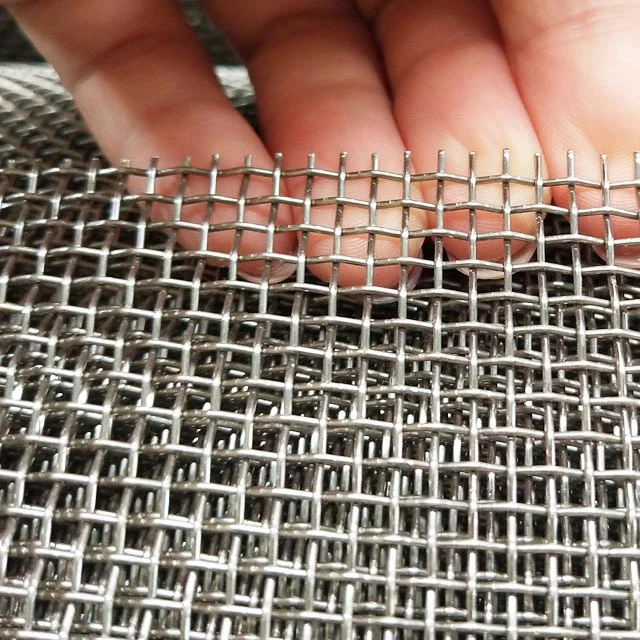
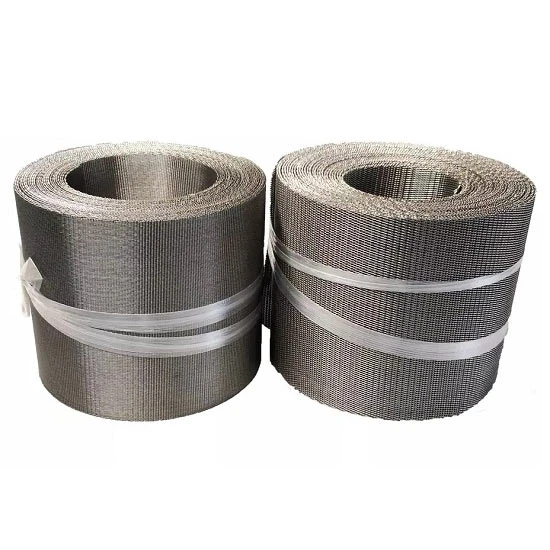
At its core, stainless grill mesh is a woven or welded grid of stainless steel wires. It can vary widely — from very fine mesh used in filtration to coarser patterns typical for barbecue grills. The “stainless” part means it contains chromium (at least 10.5%), which forms a protective oxide layer preventing rust and corrosion. This basic property is why stainless grill mesh is prized across so many different fields.
Its connection to modern industry is robust: it serves both functional and safety purposes, whether by enabling clean airflow in machinery or ensuring food is cooked evenly on commercial grills. Humanitarian organizations value it because it is reusable, easy to clean, and robust enough to withstand rough conditions.
Key Factors of Stainless Grill Mesh
1. Durability
Stainless grill mesh is incredibly durable — resistant not only to rust but to heat, chemicals, and physical wear. This longevity saves money and downtime in industrial settings.
2. Hygiene
The non-porous nature of stainless steel makes the mesh easy to clean and sterilize. This is critical in food preparation and healthcare environments.
3. Versatility
Available in various weave types and wire thicknesses, mesh can be tailored for everything from fine particle filtering to heavy-duty grilling.
4. Cost Efficiency
While initial costs can be higher than some alternatives, its long lifespan and low maintenance often lead to better total value.
5. Corrosion Resistance
Essential in coastal or humid environments, the corrosion resistance prevents degradation that could compromise safety or efficiency.
| Parameter | Value/Range |
|---|---|
| Material Grade | 304, 316, 316L Stainless Steel |
| Wire Diameter | 0.1 to 2.0 mm |
| Mesh Size | 5 to 100 mesh (holes per linear inch) |
| Finish | Mill, Electro-polished |
| Max Operating Temperature | 870°C (1600°F) |
Global Applications and Use Cases
It’s kind of amazing how stainless grill mesh shows up everywhere—from high-tech manufacturing plants in Germany to open-air kitchens in rural Africa. In stainless grill mesh for commercial food production, hygienic properties are crucial, ensuring safety compliance. Meanwhile, in chemical plants across South America, the mesh filters out impurities, optimizing production quality. You even find it reinforcing concrete frameworks or fencing in harsh marine environments, courtesy of its corrosion resistance.
In post-disaster relief operations, mesh screens help build makeshift grills and protective covers, maintaining nutrition and safety when traditional infrastructure is unavailable. Similarly, mining operations in remote regions rely on the mesh for sieve and screening applications, proving its ruggedness time and again.
Advantages & Long-Term Value
There’s a lot to like about stainless grill mesh. Practically, it cuts down costs over time thanks to its durability and low maintenance needs. It’s a sustainable choice too—recyclable and long-lasting. But beyond the numbers, there’s an emotional side — it supports safe, dignified food handling and preparation, reflecting a respect for human wellbeing.
To me, it feels like investing in stainless grill mesh is a win-win: it advances innovation while safeguarding safety. That’s a rare combo in industrial materials.
Vendor Comparison: Top Stainless Grill Mesh Manufacturers
| Vendor | Material Grades | Customization | Typical Lead Time | Price Range (USD per m²) |
|---|---|---|---|---|
| Ansheng Filters & Screen | 304, 316L | Full Custom Weaves & Dimensions | 2-3 weeks | $30–50 |
| GlobalMesh Corp. | 304, 316 | Standard Sizes | 1-2 weeks | $25–45 |
| SteelMesh Solutions | 316L Only | Limited Custom Options | 3-4 weeks | $40–60 |
Future Trends & Innovations
Looking ahead, stainless grill mesh is likely to get smarter — literally. Integration with digital quality control and automation in production lines is already underway. Oddly enough, advances like nanocoatings could improve corrosion resistance even further without sacrificing breathability or flexibility. Sustainability trends push for greener steel production too, reducing the environmental footprint.
Besides materials innovations, policy changes around food safety and industrial standards (e.g., ISO 22000 for food safety management) raise the bar for mesh quality globally — to the consumer's benefit.
Challenges & Expert Solutions
Not everything is perfect — stainless grill mesh can be cost-prohibitive for small-scale users. Also, fine meshes may clog or be difficult to clean without proper techniques. Some environments expose the mesh to extreme acids or alkalis that even stainless steel can’t withstand indefinitely.
Experts suggest customized alloy blends or hybrid materials for those hardest cases. Also, well-designed cleaning protocols and modular mesh replacements help mitigate these issues.
FAQ: Frequently Asked Questions About Stainless Grill Mesh
- Q: What makes stainless grill mesh better for commercial kitchens than other materials?
A: Its corrosion resistance, ease of cleaning, and durability mean it doesn’t harbor bacteria and withstands constant heat and moisture — essential for hygiene and safety. - Q: How long can stainless grill mesh typically last in industrial use?
A: With proper maintenance, it can last 5-10 years or more, far outlasting cheaper alternatives. - Q: Is stainless grill mesh recyclable?
A: Yes, stainless steel is highly recyclable, reducing environmental impact and making it a sustainable choice. - Q: Can customized stainless grill mesh be ordered internationally?
A: Definitely—many vendors like Ansheng Filters & Screen handle international shipping and can create bespoke mesh to client specs.
Conclusion
In real terms, stainless grill mesh might seem like a modest product, but it’s a cornerstone for industries valuing hygiene, safety, and reliability. Whether you're in food production, chemical filtration, or post-disaster relief, understanding and choosing the right stainless grill mesh can make all the difference. Curious to explore your options or need custom solutions? Visit our website: Ansheng Filters & Screen to get started.
References
Post time: Dec . 02, 2025 09:55