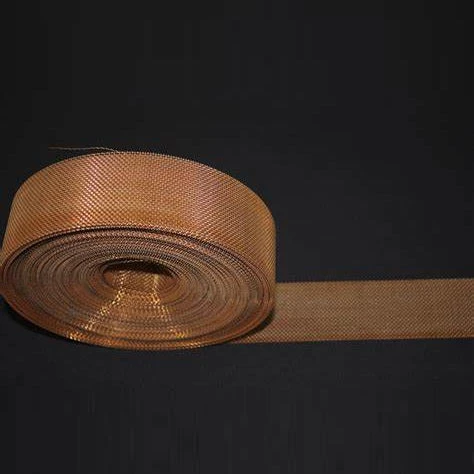

Understanding 4x4 Stainless Steel Wire Mesh: A Global Perspective
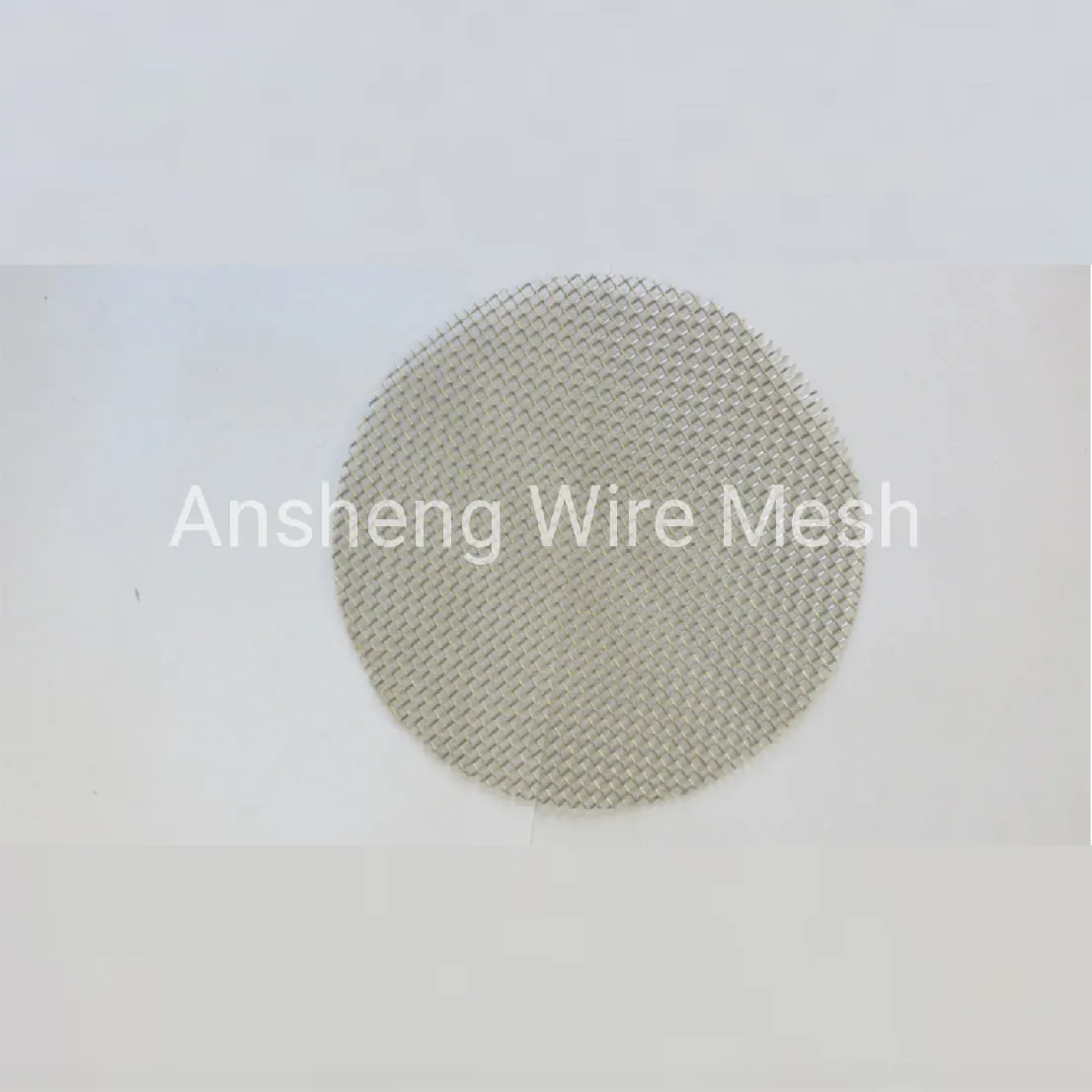
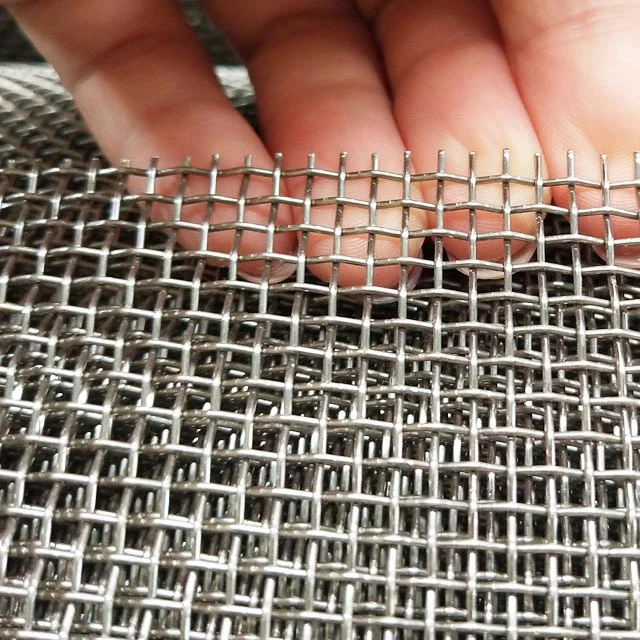
The term 4x4 stainless steel wire mesh might sound technical, but it’s incredibly relevant across industries worldwide—from construction and manufacturing to environmental protection and humanitarian aid. Essentially, it's a sturdy grid made of stainless steel wires spaced 4 millimeters apart in both directions, creating a precise, square pattern.
Why does this matter globally? Well, its durability, corrosion resistance, and versatility mean it offers long-term solutions for filtration, reinforcement, safety barriers, and more. Around the world, these meshes form the backbone of infrastructure projects, food safety equipment, and disaster relief solutions. Understanding their specifications and applications helps industries innovate sustainably and solve real-world problems efficiently.
Introduction: The Global Significance of 4x4 Stainless Steel Wire Mesh
According to recent reports from the International Organization for Standardization (ISO) and environmental agencies, global demand for stainless steel meshes has grown annually by roughly 5–7% due to urbanization and industrial growth. This growth taps directly into challenges like safer water filtration, stronger building materials in earthquake zones, or reliable food processing meshes in developing regions.
Yet, challenges remain. Many industries still struggle with mesh products that corrode quickly or lack uniformity, affecting both safety and cost. Here, 4x4 stainless steel wire mesh is a reliable answer—offering consistency and longevity where others fail.
What Is 4x4 Stainless Steel Wire Mesh?
Put simply, it’s a woven or welded grid made from stainless steel wire with a pitch (distance between wires) of 4 mm by 4 mm. The “4x4” notation refers to this mesh size, critical for applications needing fine filtration or moderate structural support.
Its connection to industry and humanitarian needs is quite fascinating. From food safety checks ensuring microscopic contaminants don’t pass through to disaster zones requiring robust fencing or meshes for shelter reinforcement, this wire mesh quietly supports human safety and progress.
Key Factors of 4x4 Stainless Steel Wire Mesh
Durability
The stainless steel’s anti-corrosive qualities mean it handles moisture, chemicals, and temperature fluctuations well. This avoids costly replacements, a big plus in remote or harsh environments.
Precision & Uniformity
The exact 4x4 grid results in consistent pore sizes, essential for precise filtration or separation tasks.
Cost Efficiency
While stainless steel isn’t the cheapest material upfront, its lifespan and maintenance savings usually compensate, especially over large-scale projects.
Scalability & Customization
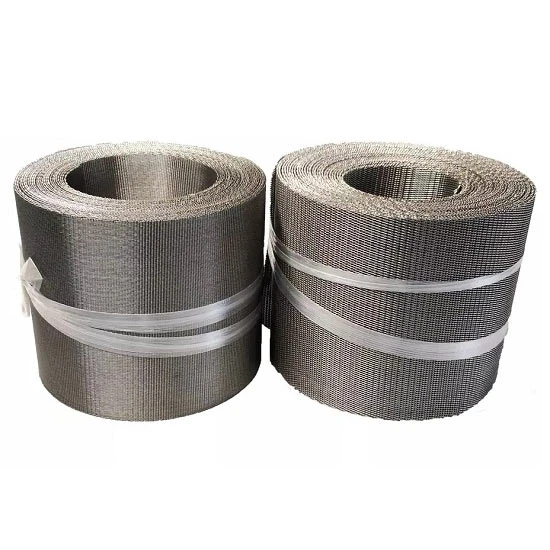
Available in rolls or cut panels, the mesh can be adapted for various designs—from HVAC filters to protective cages.
Environmental Sustainability
Many manufacturers now emphasize recyclable materials and eco-friendly production.
Safety Compliance
Meets international safety norms, making it suitable for certified industrial or food-grade applications.
| Specification | Details |
|---|---|
| Material | Stainless steel (304/316 options) |
| Mesh Size | 4 mm x 4 mm |
| Wire Diameter | 0.5 mm - 1.2 mm |
| Tensile Strength | 500 - 900 MPa |
| Standard Sizes | 1m x 10m rolls / custom cut |
| Finish | Polished / Matte / Electro-polished |
Global Applications & Use Cases
Oddly enough, you’ll find 4x4 stainless steel wire mesh in all sorts of places:
- Water Treatment Plants: Filtering particles in municipal and industrial water systems.
- Food Industry: As hygienic conveyor belts or strainers because stainless steel doesn’t rust or contaminate.
- Construction & Infrastructure: Reinforcement for walls, ceilings, or road barriers—especially in seismic zones.
- Agriculture: Protecting crops from pests without pesticides, especially in Africa and India.
- Disaster Relief & Humanitarian Housing: Quick-to-assemble fencing or mesh panels to support temporary shelters.
For instance, NGOs working after floods in Southeast Asia use this mesh to reinforce plastic sheeting, making shelters windproof and more durable. Similarly, in remote industrial zones in Canada, stainless steel mesh helps secure hazardous areas while withstanding harsh winter conditions.
Advantages & Long-Term Value
Choosing 4x4 stainless steel mesh means:
- Safety — Its toughness means protecting people and equipment reliably.
- Cost Savings — Less frequent replacement and maintenance.
- Sustainability — Stainless steel is fully recyclable, reducing environmental footprint.
- Dignity & Trust — In humanitarian contexts, strong materials signal care and commitment to affected communities.
- Innovative Potential — Compatible with emerging tech like smart sensors embedded in infrastructure.
In real terms, many engineers say the peace of mind that comes with knowing a product lasts “decades, not months” is priceless.
Future Trends & Innovations
Looking ahead, the mesh world isn’t standing still:
- Green Manufacturing: Using recycled stainless steel and reducing process emissions.
- Functional Coatings: Nano-coatings to enhance anti-fouling or self-cleaning properties.
- Smart Mesh Systems: Embedding sensors to monitor structural health in real time.
- Customization at Scale: Additive manufacturing or laser cutting for precision shapes.
- Regulatory Shifts: Stricter safety and sustainability standards pushing higher-quality mesh products.
Challenges & Solutions
Of course, no product is perfect. Some common issues with stainless steel wire mesh include:
- Costly Initial Investment: Although cheaper in the long run, upfront costs can deter smaller users.
- Weight: Stainless steel can be heavier than alternatives, complicating transport or installation.
- Customization Limits: Very fine or extremely heavy-duty mesh types can be hard to produce economically.
Experts recommend:
- Working closely with suppliers to tailor specifications precisely.
- Investing in modular, easy-to-install systems to reduce labor costs.
- Exploring hybrid materials or coatings to reduce weight without sacrificing strength.
Vendor Comparison
| Vendor | Price per m² | Lead Time | Customization | Certifications |
|---|---|---|---|---|
| Ansheng Filter Screen | $25 - $30 | 1-2 weeks | High (mesh size, finish) | ISO, CE |
| Global Mesh Co. | $28 - $32 | 2-3 weeks | Medium | ISO |
| SteelNet Solutions | $22 - $27 | 3-4 weeks | Low | CE |
FAQ: Frequently Asked Questions About 4x4 Stainless Steel Wire Mesh
- What industries benefit most from 4x4 stainless steel wire mesh?
- Primarily, water treatment, food processing, construction, agriculture, and humanitarian sectors rely heavily on this mesh for filtration, protection, and durability.
- How long does 4x4 stainless steel wire mesh typically last?
- With proper installation and maintenance, it can last 20-30 years or more due to corrosion resistance and tensile strength.
- Is 4x4 stainless steel wire mesh recyclable?
- Yes, stainless steel is 100% recyclable without losing quality, making it an environmentally responsible choice.
- Can I get customized mesh sizes and finishes?
- Most reputable vendors, such as Ansheng Filter Screen, offer extensive customization to fit project-specific needs.
- What are the key challenges when importing wire mesh internationally?
- Shipping costs, customs duties, and certification compliance can pose hurdles. Working with experienced exporters who provide proper documentation helps.
Conclusion
Long story short, 4x4 stainless steel wire mesh is a sturdy, versatile solution that ticks many boxes—from durability and precision to sustainability and cost-efficiency. Whether your project is about building safer structures, securing food production, or providing dependable humanitarian aid, understanding this product’s capabilities can make a huge difference.
Curious to explore more or need custom orders? Visit our website: 4x4 stainless steel wire mesh for trusted products and expert support.
A little sturdy mesh, a lot of solutions—sometimes the simple things hold up the complex world.
References
Post time: Dec . 02, 2025 08:40