
Copper Metal Mesh: A Critical Component in Modern Industry and Infrastructure
When you first hear copper metal mesh, it might just sound like another industrial material. Yet, this simple woven or perforated network of copper wire is quietly underpinning some of the most critical advances in electrical engineering, construction, and even humanitarian relief efforts. Its global importance is no small matter—in an era driven by technological innovation, sustainability concerns, and economic pressures, understanding copper mesh unlocks insights into better shielding, filtration, and structural solutions worldwide.
Introduction: The Global Context of Copper Metal Mesh
Copper’s storied history as a conductive and corrosion-resistant metal means it's been a staple for over a millennium, but copper metal mesh specifically has gained new traction. According to the International Copper Association, global copper demand continues to surge, boosted by energy transition and infrastructure growth. Copper mesh is often deployed wherever precise filtration, electromagnetic interference (EMI) shielding, or durable reinforcement is required. In real terms, these applications span from telecom hubs in Europe to solar farms in Asia and even clean water initiatives in Africa.
One problem copper mesh addresses globally is how to effectively manage electromagnetic pollution and maintain structural integrity in harsh environments. As cities become smarter and industries more automated, the need for reliable, efficient, and eco-friendly solutions is critical—and copper mesh fits perfectly into that slot.
What Is Copper Metal Mesh?
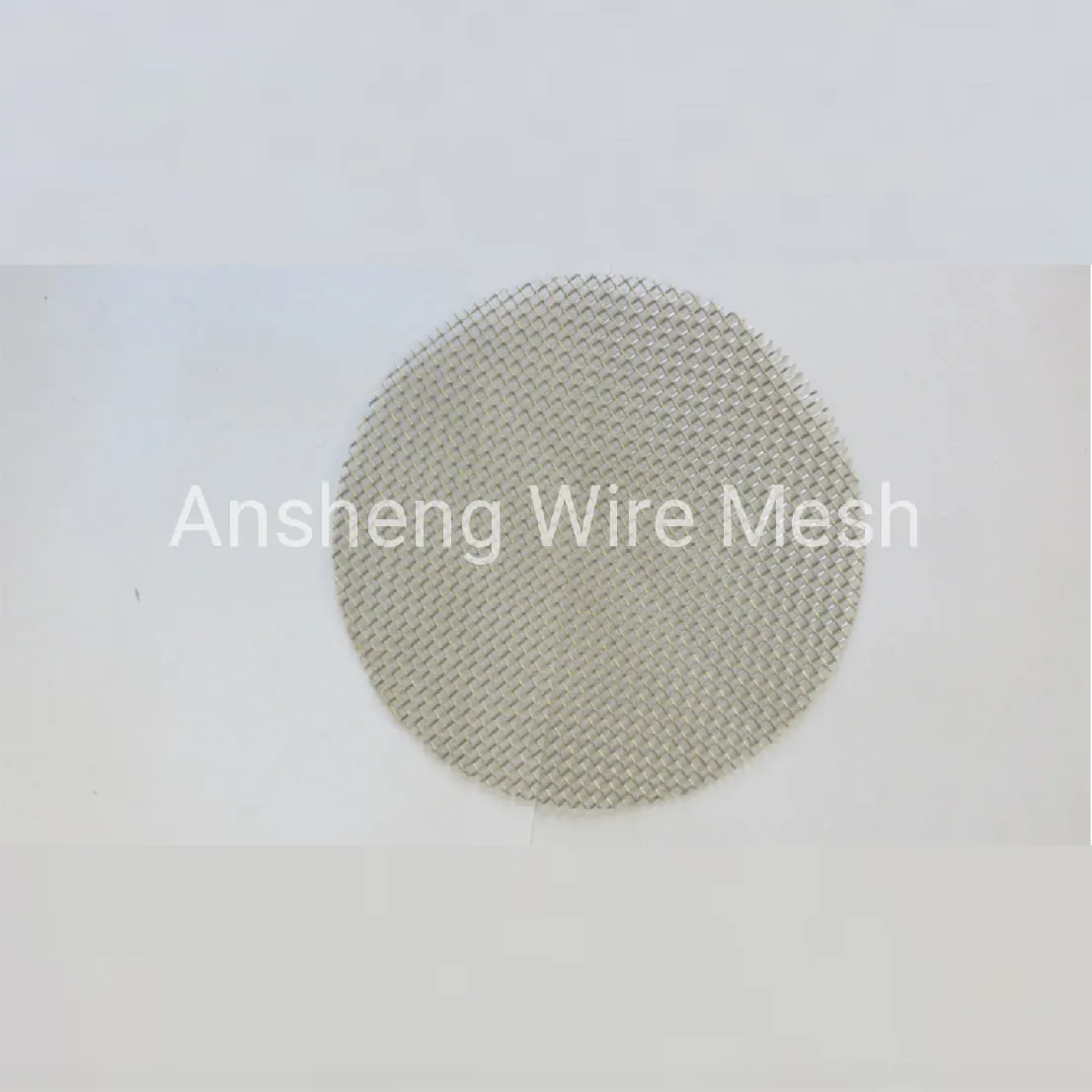
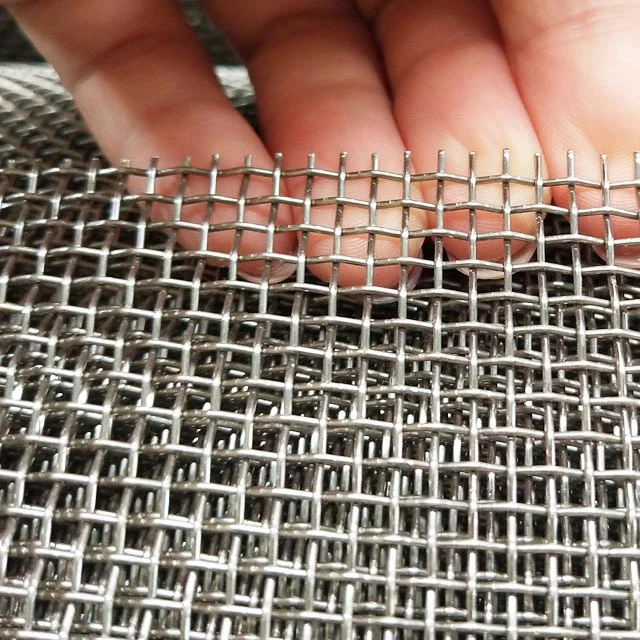
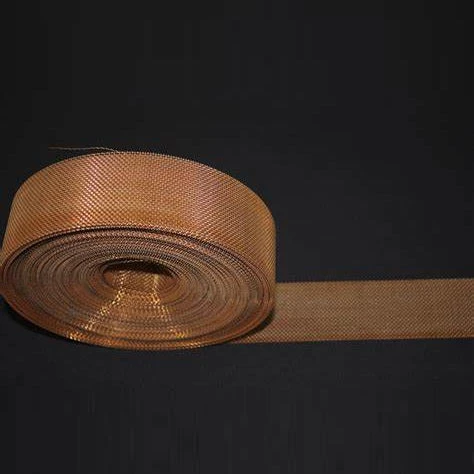
Simply put, copper metal mesh is a fabric-like sheet made by weaving or welding thin copper wires into a grid pattern. This mesh offers excellent electrical conductivity, remarkable corrosion resistance, and mechanical strength, all wrapped in one material. It's less a ‘product’ and more of a platform that modern industry customizes to specific needs—from delicate electronic components shielding against EMI to large industrial filters capturing fine particulates.
Its connection to modern needs goes beyond engineering. For example, humanitarian groups increasingly use copper mesh in water purification systems because of its antimicrobial properties, contributing to safer drinking water in remote or disaster-affected regions.
Core Components and Key Factors
1. Durability and Corrosion Resistance
Copper’s natural resistance to rust and oxidation means that copper mesh can work outdoors or underwater without degrading quickly. This longevity reduces replacement frequency, saving money and resources.
2. Electrical Conductivity
This is crucial for EMI/RFI shielding applications where copper mesh forms a Faraday cage, blocking unwanted electromagnetic interference that might disrupt sensitive devices.
3. Scalability and Customization
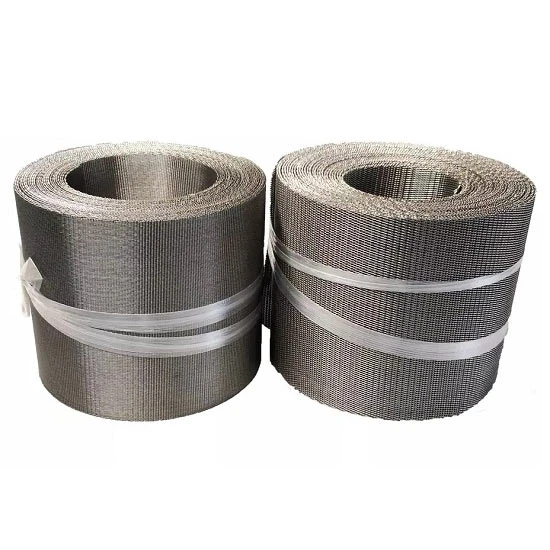
Copper mesh can be produced in various thicknesses, mesh sizes, and formats—flat sheets, cylinders, or bespoke shapes suit the scale from tiny electronics to large-scale industrial filters.
4. Sustainability
Because copper is recyclable without loss of properties and mining efficiencies continue to improve, copper mesh is considered environmentally responsible compared to many synthetic materials.
5. Cost Efficiency
While copper itself is more expensive than aluminum or steel, the extended lifespan and superior functionality of copper mesh often mean it delivers better long-term value.
Quick Takeaway:
- Copper mesh blends natural durability and electrical benefits.
- Its adaptability allows diverse applications across industries.
- Though it costs more upfront, sustainability and lifespan justify investment.
Copper Metal Mesh Product Specifications
| Specification | Typical Range | Notes |
|---|---|---|
| Wire Diameter | 0.1 – 1.0 mm | Smaller wires used in fine filtration |
| Mesh Count (Openings per inch) | 10 – 200 | Higher counts mean finer filtering |
| Sheet Thickness | 0.5 – 3 mm | Varies by structural use |
| Material Grade | C11000 (Electrolytic Tough Pitch Copper) | Standard for electrical applications |
| Surface Finish | Bare, Tin-plated, Nickel-plated | Coatings boost corrosion resistance and solderability |
Global Applications and Industry Use Cases
Copper metal mesh’s functionality spans a bewildering variety of sectors. For example:
- Telecommunications: EMI shielding in data centers and telecom towers in North America and Europe.
- Water Filtration: NGOs deploy copper mesh filters in sub-Saharan Africa for water safety.
- Renewable Energy: Solar panel fabrics and shielding components in Asia-Pacific installations.
- Construction: Reinforcement in concrete, bird control screens, or decorative architectural panels worldwide.
Interestingly, some disaster relief agencies have noted how quickly copper mesh products can restore filtered water supply or rebuild electromagnetic protective infrastructure in earthquake or flood zones.
Vendor Comparison Table: Copper Mesh Suppliers
| Supplier | Product Range | Lead Time | Sustainability Certification | Price Level |
|---|---|---|---|---|
| Ansheng Filters | Custom mesh, filtration, EMI shielding | 2-4 weeks | ISO 14001, RoHS | Medium |
| CopperMesh Co. | Standard mesh sizes, wire diameters | 1-3 weeks | None | Low |
| Global Copper Co. | Industrial & architectural copper mesh | 4-6 weeks | LEED certified supplier | High |
Advantages & Long-Term Value of Copper Metal Mesh
From a business perspective, copper mesh offers excellent ROI due to its extended service life and reduced maintenance. Its environmentally friendly credentials also appeal to companies embracing circular economy principles. On an emotional level, the reliability of copper mesh can mean safety in medical or communication devices—sometimes literally making a difference in critical life-supporting infrastructure.
Additionally, copper’s antimicrobial effect means it can safeguard water supplies or HVAC systems, reducing illness risks long-term. Oddly enough, this mesh is often overlooked but quietly serves as a workhorse for social dignity and innovation alike.
Future Trends & Innovations
Experts foresee copper mesh evolving with nano-coatings for enhanced performance, integration with smart sensors for digital infrastructure, and lighter composites for aerospace applications. The green energy push will only increase demand, particularly in battery enclosures and electric vehicle components where EMI shielding is vital. Plus, additive manufacturing might let producers create even more complex copper mesh configurations that save weight and upgrade durability.
Challenges & Solutions
Of course, copper itself faces price volatility and mining environmental concerns. Yet, recycling reduces raw material demand significantly. Also, producing ultra-fine mesh can be difficult—requiring tighter quality control and skilled manufacturing. Many vendors are tackling this through automation and new alloy developments. For international customers, sourcing certified sustainable copper is critical to ensuring supply chain transparency.
FAQ: Frequently Asked Questions About Copper Metal Mesh
-
Q: How does copper mesh compare to aluminum or steel mesh for EMI shielding?
A: Copper mesh generally offers superior electrical conductivity and corrosion resistance compared to aluminum and steel, which makes it more effective for EMI shielding. While it tends to be pricier, its long-term performance often justifies the investment. -
Q: Can copper metal mesh be used outdoors without additional protection?
A: Yes, copper naturally resists corrosion and oxidation, so it typically endures outdoor environments well. However, in highly aggressive conditions, surface treatments like tin or nickel plating may be recommended. -
Q: Is copper mesh easily customizable to fit unique industrial needs?
A: Absolutely. Suppliers, like Ansheng Filters, can produce copper mesh in custom sizes, wire diameters, and patterns to match specific applications ranging from fine filtration to structural reinforcements. -
Q: How environmentally friendly is copper mesh?
A: Copper is 100% recyclable without quality loss, and environmentally certified suppliers minimize mining impacts. Using recycled copper mesh supports sustainable manufacturing and waste reduction goals.
Conclusion & Call to Action
In summary, copper metal mesh remains a vital, versatile material bridging the gap between durability, performance, and sustainability. Its role in filtration, shielding, and structural applications continues to expand as industries evolve. For anyone involved in electronics, construction, or water safety, copper mesh should be on the radar—not least because of the advantages it offers in reliability and environmental responsibility.
If you want to explore more about how copper metal mesh can elevate your projects, visit Ansheng Filters’ website to get started with expert advice and tailored solutions.
It’s fascinating to see a material with such ancient origins continue to innovate its way into the future.
References
Post time: Dec . 03, 2025 19:00