
Copper Knitted Mesh: What It Is and Why It Matters Globally
In today’s interconnected world, materials like copper knitted mesh often quietly support industries ranging from electronics to environmental engineering, yet don’t always get the spotlight they deserve. At first glance, it’s just woven copper wires—but dive a little deeper, and you find a material with fascinating properties that address very real global challenges. Understanding copper knitted mesh is important because it offers unique benefits such as excellent conductivity, durability, and flexibility, which have a role in everything from electromagnetic shielding in electronics to sustainable construction solutions in humanitarian efforts worldwide.
Frankly, copper knitted mesh is one of those unsung heroes in materials technology, combining traditional craftsmanship with modern-day innovation. Getting familiar with its characteristics and applications can open doors for engineers, designers, and even disaster relief planners who seek reliable, efficient, and eco-friendly materials.
Global Context: Why Copper Knitted Mesh Is Relevant Now
Globally, industries are pushing for materials that enhance durability while cutting energy loss and environmental impact. According to the International Copper Association and ISO standards on metal meshes, copper knitted mesh has seen increasing demand thanks to its adaptability and sustainability. Oddly enough, the surge in electronic devices needing effective electromagnetic interference (EMI) shielding has paired well with this mesh’s capabilities. Additionally, copper's natural antimicrobial properties address hygiene concerns in medical and food facilities, which has felt increasingly important post-pandemic.
Yet, challenges remain in sourcing copper sustainably and optimizing production to balance cost and performance. That’s where advanced design and research come in, offering fresh solutions that will soon ripple through industries from aerospace to architectural cladding.
What Is Copper Knitted Mesh?
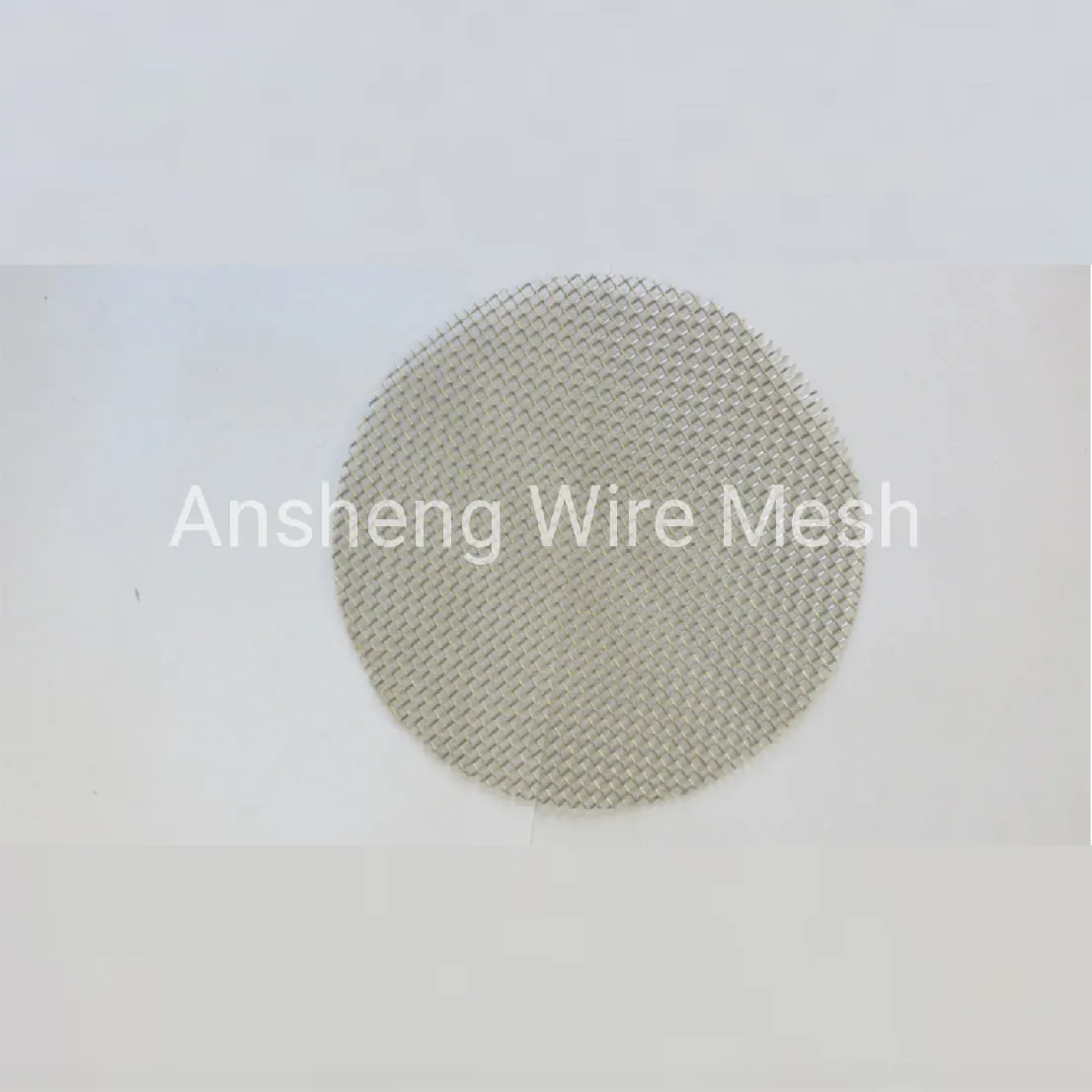
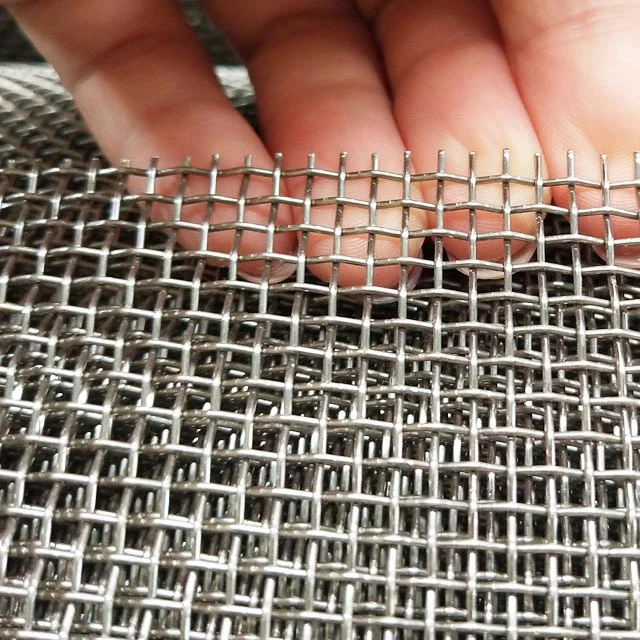
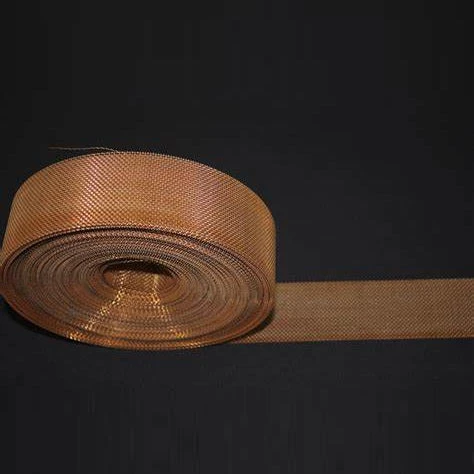
Simply put, copper knitted mesh refers to a flexible metallic fabric made by interlocking copper wires in a knitted pattern, producing a porous but sturdy material. This construction endows the mesh with excellent electrical conductivity, corrosion resistance, and mechanical flexibility. Unlike woven meshes that have perpendicular wire crossings, the knitting technique allows for more elasticity—meaning it can conform to surfaces and resist fatigue better.
In modern industries, copper knitted mesh frequently serves in EMI shielding, filtration systems, and grounding applications. On a broader scale, it’s part of the toolbox helping engineers build safer electronics and more efficient environmental controls. In humanitarian contexts, it shows up as part of durable housing components or protective barriers, illustrating the surprising versatility of this material.
Key Factors Behind Copper Knitted Mesh’s Success
1. Durability and Corrosion Resistance
Copper is naturally resistant to oxidation, which helps the mesh maintain integrity in harsh environments. This trait ensures long-term performance in outdoor or industrial conditions, which is a big deal for maintenance planning.
2. Electrical and Thermal Conductivity
One of copper knitted mesh’s standout features is its outstanding ability to conduct electricity and heat. This makes it invaluable for sensitive electronic equipment shielding and thermal management systems.
3. Flexibility and Formability
Because it’s knitted rather than woven, the mesh offers a stretchiness that can be adjusted to fit complex shapes, which is crucial when fitting irregular surfaces or customized parts.
4. Environmental Impact
Copper is 100% recyclable without loss of properties. The mesh also helps extend equipment lifespans by preventing interference or corrosion, contributing to sustainability goals across sectors.
5. Cost Efficiency
While copper isn’t the cheapest metal around, the longevity and multipurpose nature of knitted mesh provide good value over time through maintenance savings and performance gains.
| Specification | Value |
|---|---|
| Wire Diameter | 0.2 mm – 0.8 mm |
| Mesh Count | 10 – 80 loops per inch |
| Material Purity | 99.9% Electrolytic Copper |
| Typical Thickness | 1 – 5 mm |
| Tensile Strength | 250 – 300 MPa |
Mini Takeaway: Copper knitted mesh is a robust, adaptable material delivering durability and conductivity, well-suited for modern technical demands, with eco-friendly benefits.
Global Applications & Use Cases
Across the globe, copper knitted mesh finds roles in various sectors:
- Electronics: As EMI shields in smartphones, aerospace avionic housings, and medical devices.
- Construction: Used in facades and roofing to reduce electromagnetic pollution and improve durability.
- Filtration Systems: For water purification plants and gas filtration—thanks to its corrosion resistance.
- Humanitarian Aid: In post-disaster relief, copper meshes have been used as conductive layers in modular shelters, improving electrical safety and grounding.
- Healthcare: Exploiting copper’s antimicrobial properties, knitted mesh lines medical equipment filters.
Regions like Southeast Asia and Europe have seen significant growth in deploying copper knitted mesh, especially in rapidly growing electronics manufacturing hubs and clean water infrastructure projects.
Mini Takeaway: The real-world uses of copper knitted mesh span technology, environment, and social sectors—showing its broad impact worldwide.
Advantages & Long-Term Value of Copper Knitted Mesh
The benefits here are twofold. From a practical stance, copper knitted mesh offers unmatched longevity, reducing replacement cycles and thus lowering total cost of ownership. Sustainability-wise, its recyclability and ability to extend equipment lifetime align with global moves toward greener, circular economies.
On a softer level, industries using the mesh report increased trust from clients due to better product reliability—something quite intangible but powerful. For consumers, it bolsters safety and dignity by ensuring clean, interference-free environments, whether that’s in a hospital or a home.
What’s Next? Future Trends & Innovations
Manufacturers are now experimenting with copper alloys and coating technologies to further improve corrosion resistance while maintaining conductivity. Integration of copper knitted mesh with digital smart sensors is emerging, making “smart” meshes that monitor environmental conditions or structural integrity real-time.
Also, the push for green energy applications is driving research into lightweight, flexible copper meshes optimized for solar panel protection or wind turbine components.
Challenges & Practical Solutions
One notable challenge is the fluctuating price and availability of copper, sometimes hitting small manufacturers with unexpected cost pressures. Another is the technical skill required to knit copper wires reliably at scale. However, improved automation and robotics in manufacturing processes are easing these issues. Copper recovery from scrap and waste meshes is also becoming more prevalent, geeking out on circular economy principles.
| Vendor | Price Range (per sq.m.) | Customization Options | Lead Time | ISO Certification |
|---|---|---|---|---|
| Ansheng Filters | $50–$70 | Yes (Sizes, Wire Diameter) | 2–4 weeks | ISO 9001 |
| Global Mesh Corp | $45–$65 | Limited | 3–5 weeks | ISO 14001 |
| EcoMetal Fabrics | $55–$75 | Yes (Color Coating) | 4 weeks | ISO 9001 & 14001 |
FAQ: Frequently Asked Questions About Copper Knitted Mesh
- Q1: What makes copper knitted mesh better than woven copper mesh for EMI shielding?
- A1: Copper knitted mesh typically offers greater flexibility and stretch due to its looped structure, allowing it to conform better to irregular shapes without losing conductivity. This makes it highly effective in complex electronic housings where tight sealing and reliability are essential.
- Q2: How long does copper knitted mesh typically last in outdoor applications?
- A2: With proper maintenance, copper knitted mesh can last 10+ years outdoors. Its natural corrosion resistance and ability to develop a protective patina prolong its lifespan even in humid or salty environments.
- Q3: Can copper knitted mesh be recycled after use?
- A3: Definitely. Copper is one of the most recyclable metals, retaining its quality indefinitely. Recycling copper knitted mesh reduces environmental impact and supports circular economy practices.
- Q4: How do I source custom sizes of copper knitted mesh?
- A4: Many suppliers, including Ansheng Filters, offer customization services to produce specific mesh sizes, wire diameters, and thicknesses tailored to your project requirements.
Conclusion: The Enduring Value of Copper Knitted Mesh
To sum it up, copper knitted mesh blends tradition with innovation, offering a material that is durable, versatile, and increasingly vital in industries that demand reliability and sustainability. From shielding sensitive electronics to supporting humanitarian infrastructure, its applications keep expanding globally. If you’re searching for a robust solution that balances performance and eco-friendliness, getting familiar with copper knitted mesh—and sourcing quality products like those at Ansheng Filters—is a wise step forward.
Ready to explore how copper knitted mesh can elevate your projects? Visit our website for in-depth info, custom quotes, and expert advice.
Oddly enough, sometimes the simplest weaving techniques hold the key to complex challenges.
Reflection: As engineers and innovators keep pushing boundaries, careful material selection like copper knitted mesh underscores how sustainable, adaptable materials will shape the future. Stay curious!
Post time: Dec . 03, 2025 19:24