
Why Copper Mesh Rolls Are Essential in Industrial Applications
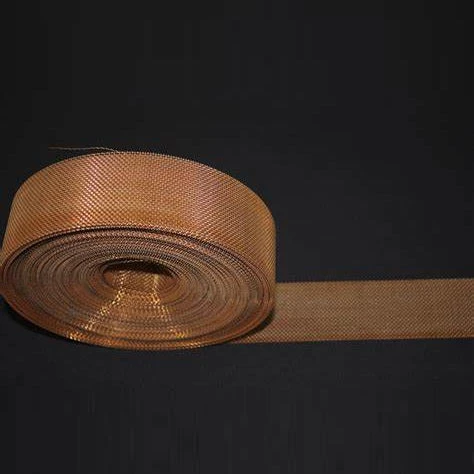
Having spent a good deal of time in the industrial equipment sector, I can tell you copper mesh rolls have quietly become one of those materials that feel indispensable — even if they don’t always get the spotlight they deserve. Their unique blend of physical properties means they pop up everywhere, from EMI shielding to filtration. You know, copper just has this natural knack for conductivity and corrosion resistance that engineers really appreciate.
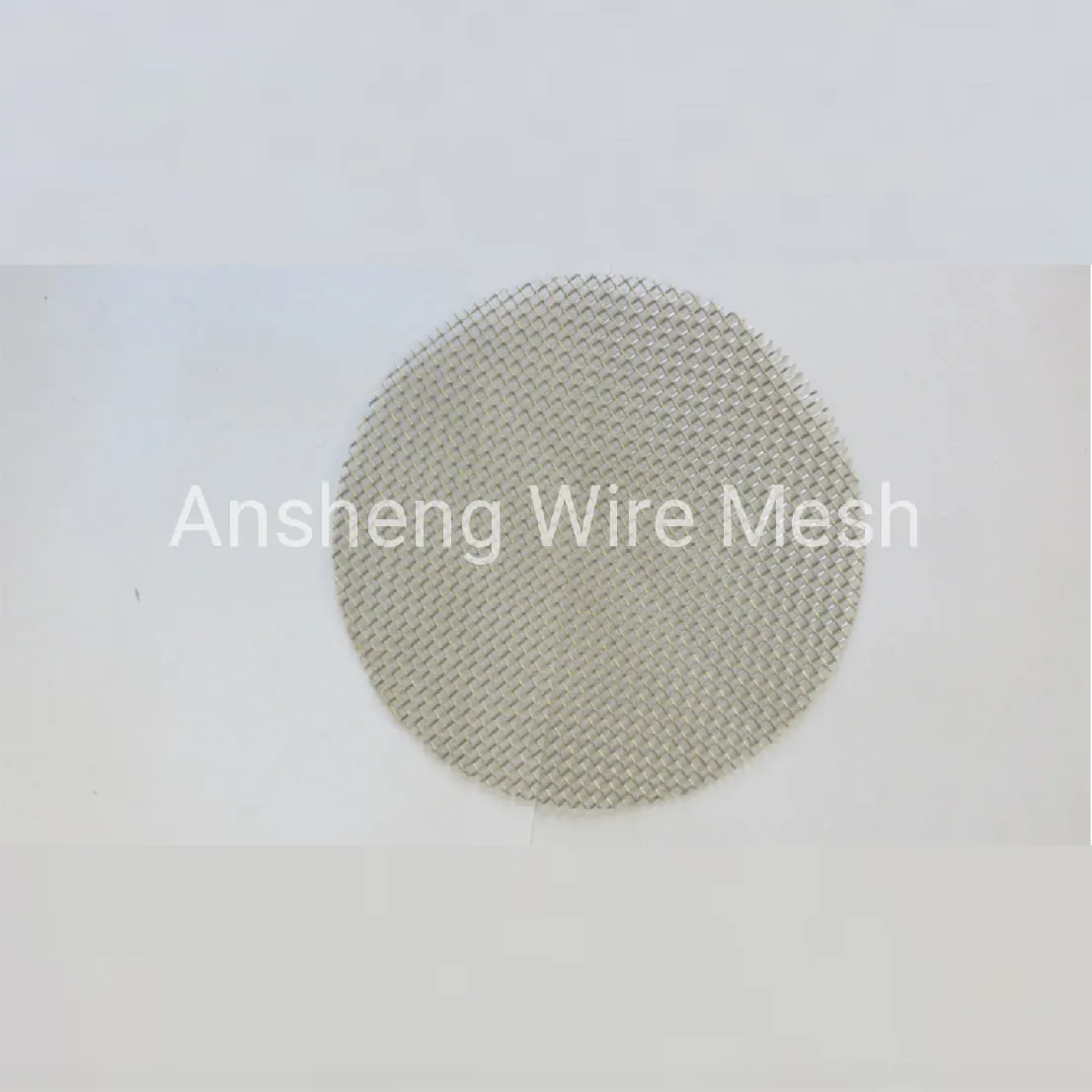
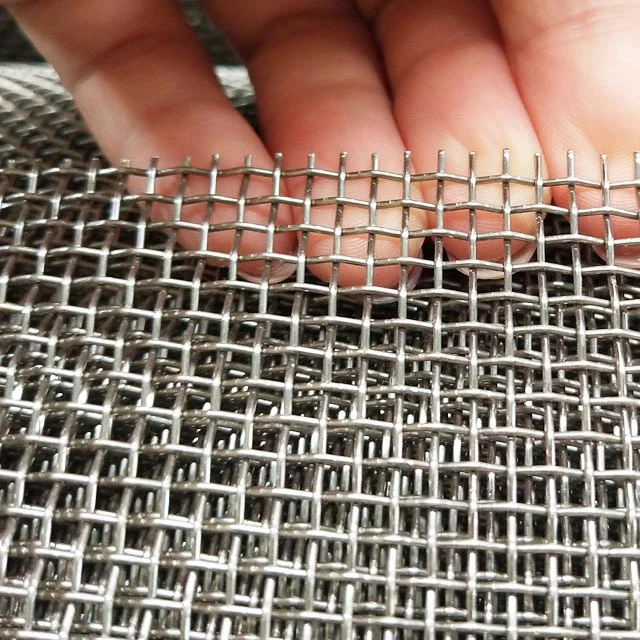
In real terms, these rolls come as woven or knitted meshes with varied thicknesses and weave patterns. The versatility alone is impressive — but it’s the subtle details in materials and construction that make all the difference. I’ve seen specs touted by suppliers before, but not until you handle them do you truly grasp how flexible yet resilient they are.
| Specification | Details |
|---|---|
| Material | High-purity copper (≥ 99.9%) |
| Mesh Count | From 10 to 400 mesh (varies by weave) |
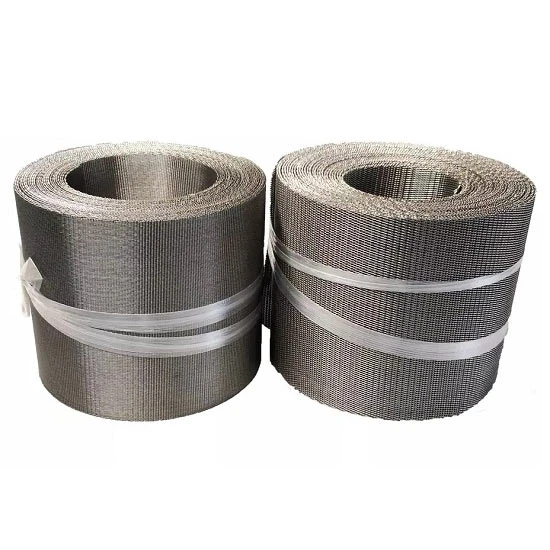
| Roll Width | 50mm up to 1500mm |
| Thickness | 0.05mm to 0.8mm |
| Finish | Annealed, uncoated or electro-tinned |
Oddly enough, one of the reasons these copper mesh rolls are favored in industries like electronics or chemical processing is not just their inherent properties but the customization they offer. Some clients I've worked with routinely order custom widths and lengths specifically designed to streamline their production lines. It’s a small detail, but when you’re assembling hundreds of components, saving a few minutes can really add up.
The testing side of things is rigorous, frankly. I recall a project where we had to ensure meshes provided adequate electromagnetic interference (EMI) shielding for sensitive instruments. We tested not only conductivity but also corrosion resistance under acidic mist conditions. Those copper meshes held up way beyond the baseline requirements, which underscored why investing in quality pays off.
If you want a vendor who really understands these nuances, it’s worth comparing a few. To give you a snapshot, here’s a quick rundown of top suppliers I’ve come across, including pricing hints and reliability notes:
| Vendor | Quality | Customization | Lead Time | Price Range (per roll) |
|---|---|---|---|---|
| Ansheng Filter Screen | Excellent | High (custom orders available) | 2-4 weeks | $80 - $150 |
| CopperPro Mesh Co. | Good | Medium | 3-5 weeks | $70 - $130 |
| MetalWeave Ltd. | Fair | Low | 1-3 weeks | $60 - $120 |
From my experience, copper mesh rolls from Ansheng stand out for their consistent quality and responsive customization. One small project I was involved with required a special mesh thickness for an experimental filtration system, and their team dialed in the specs quickly — that level of service is not as common as it might seem.
As for uses, copper meshes are all over the place: EMI/RFI shielding, chemical filtration, heat exchangers, even landscaping in some niche cases. I once chatted with a colleague who swore by copper mesh in his HVAC designs for durability and contaminant filtering. It’s kind of like a Swiss Army knife material — adaptable yet robust.
To put it simply: if your application calls for reliability combined with excellent conductivity, don’t overlook copper mesh rolls. They’re subtle heroes, doing quiet but vital work behind the scenes.
Takeaway: The right copper mesh roll combines fine engineering, material science, and service — so choose your supplier wisely.
- “Copper Mesh for EMI Shielding” - Journal of Industrial Materials, 2022.
- “Advanced Filtration Technologies” - TechInsights Magazine, March 2023.
- Personal industry notes and field experience, 2015-2024.
Post time: Dec . 03, 2025 18:38