
Why Stainless Steel Net Continues to Lead in Industrial Applications
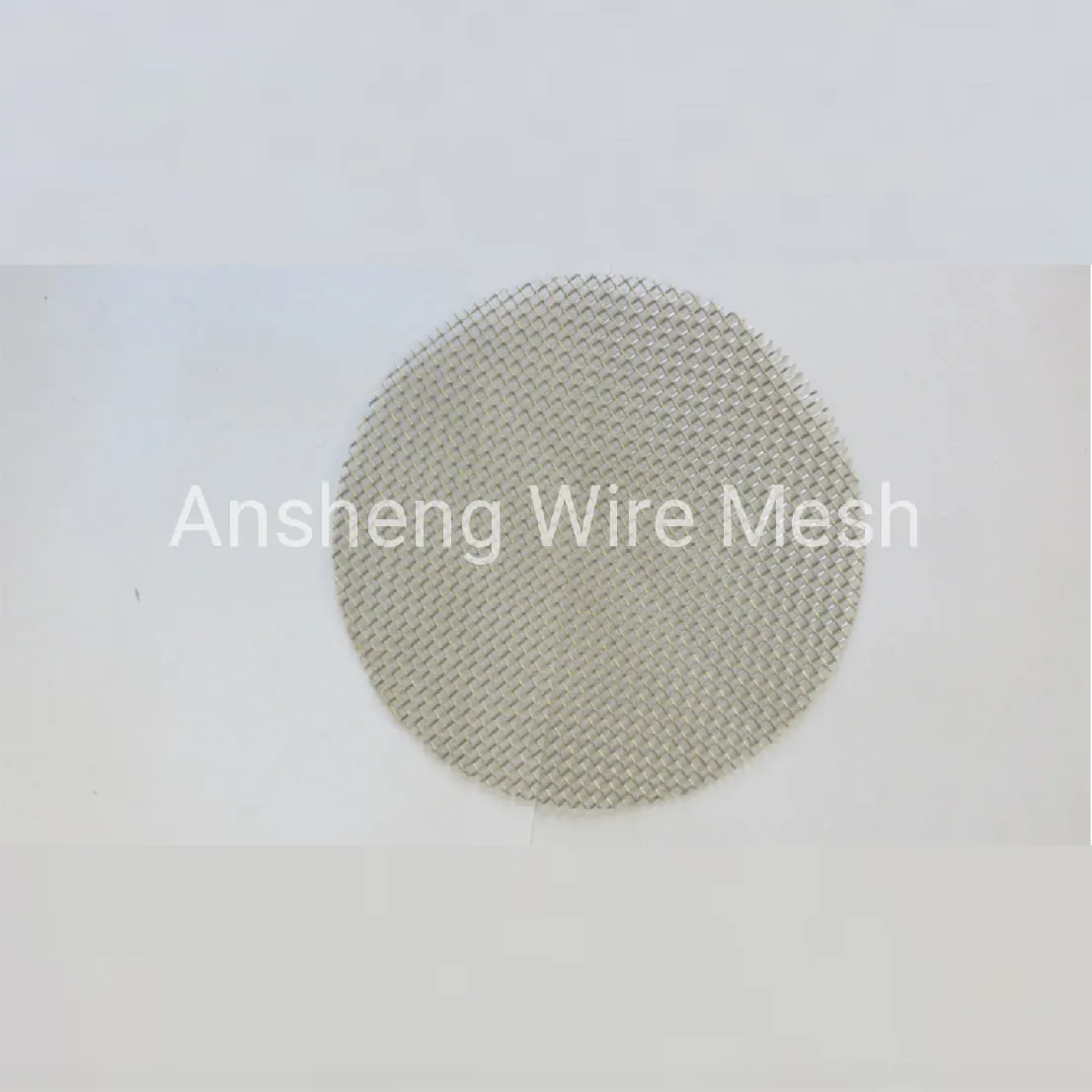
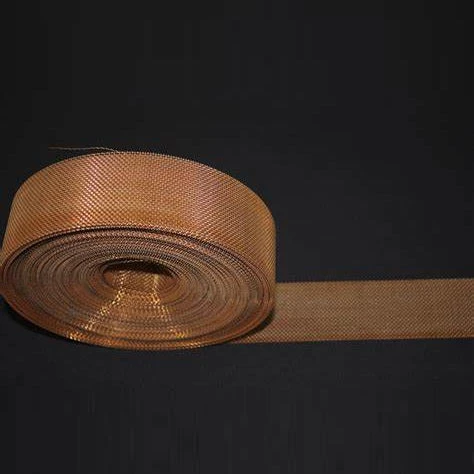
After working years around industrial rigs, conveyor lines, and filtration units, I’ve come to appreciate the humble stainless steel net as one of those almost unsung heroes in equipment design. You’d think other flashy advancements steal the limelight, but this mesh keeps turning up, performing quietly but reliably. Frankly, it’s a staple for durability and precision.
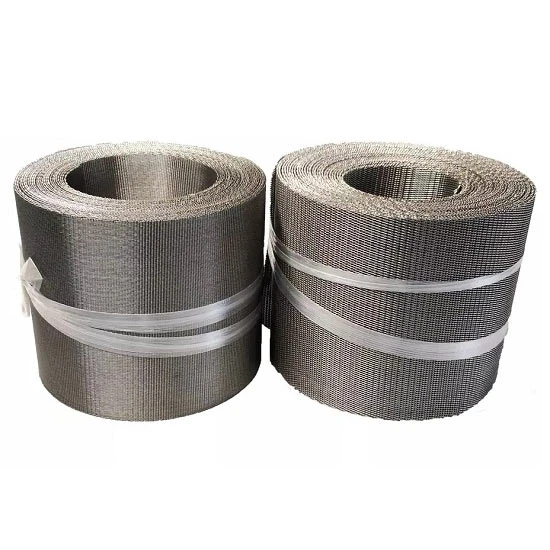
What’s interesting is how versatile the stainless steel net is — not just in filtering and screening but even as structural reinforcement in specific conveyor setups. I remember a project where the team was fussing over corrosion concerns, and switching to a high-grade stainless mesh made all the difference. No surprise, given stainless steel’s natural resistance to rust and varied chemical exposure.
Design and Material: Why Stainless Steel Nets Stand Apart
In real terms, the material quality is king here. Stainless steel nets combine tensile strength with flexibility, which allows tailoring mesh sizes and wire thicknesses based on really diverse industrial needs. Oddly enough, many engineers I know swear by 304 and 316 grades — the latter especially when acids or saline environments enter the picture.
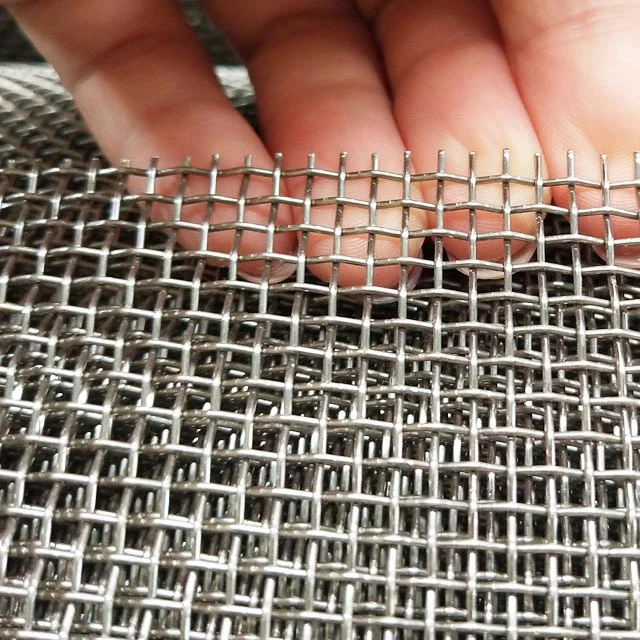
Customization is where things get interesting. Whether it’s woven wire mesh, welded wire mesh, or mesh with unique apertures, the options cater to everything from coarse filtering to ultra-fine separation. I’ve seen mesh patterns designed to optimize airflow on pneumatic conveyors, while others were tightly woven to trap particles as small as a few microns.
| Parameter | Details |
|---|---|
| Material Grades | 304, 316, 310 stainless steel |
| Mesh Size | From 10 mesh up to 400 mesh |
| Wire Diameter | 0.05 mm – 5 mm |
| Surface Finish | Polished, plain, electro-polished |
| Maximum Width | Up to 2.5 meters (customized available) |
Comparing Suppliers: What to Look for in Stainless Steel Net Vendors
If you’ve ever ordered mesh for a plant, you know the variability between suppliers. It’s not just a question of price — sometimes lead times, quality control, and customization options make the bigger difference.
| Vendor | Material Grade Options | Customization | Typical Lead Time | Price Range (per sqm) |
|---|---|---|---|---|
| Vendor A | 304, 316 | High (mesh size, finish) | 2-3 weeks | $20 - $35 |
| Vendor B | 310 only | Medium (limited mesh size) | 1-2 weeks | $25 - $40 |
| Vendor C | 304, 316, custom alloys | Very High (full custom runs) | 3-4 weeks | $30 - $50 |
From what I’ve gathered, selecting a vendor comes down to your tolerance for lead time versus how specific your mesh requirements are. For instance, one of my clients in the food processing sector insisted on a vendor with electro-polished mesh to avoid contamination — and honestly, it saved them a lot of cleanup work downstream.
Usage Insights: What I’ve Seen with Stainless Steel Nets in the Field
Stainless steel mesh isn’t just durable; it’s smartly adaptable. When I first got into the field years ago, some of these nets felt like simple screening tools. Now? They’re integral to complex filtration, ventilation, and mechanical separation tasks.
Take one example — a conveyor belt mesh set up in a mineral processing plant. The stainless steel net had to withstand abrasive particles and frequent washing cycles. Its integrity over months showed just how critical choosing the right mesh is. Things break, yes, but with this material, the downtime drops significantly.
It’s worth mentioning: while stainless steel nets pop up in tons of industrial setups, they also require periodic inspection — the occasional pinhole or stress point can creep in. I've seen seasoned technicians routinely check the mesh tension and surface finish to catch issues early.
In the end, a good stainless steel net, combined with proper installation and maintenance, can seriously elevate plant uptime and process accuracy.
So if you’re on the hunt for industrial-grade mesh, I’d say look no further than stainless steel net. It’s not just another part — it’s one of those quietly reliable investments you make once, then forget you ever had to worry about.
References & Musings:
- Insights from 10+ years of plant engineering roles and supplier meetings.
- Customer feedback and case studies from filtration and conveyor sectors.
- Material science data on stainless steel corrosion resistance (pretty fascinating reading, actually).
Post time: Nov . 14, 2025 18:00