
Understanding Heavy Duty Stainless Steel Mesh: A Global Perspective
If you’ve ever wondered what holds up infrastructures quietly, or how industries protect their assets amidst tough conditions, heavy duty stainless steel mesh is often the unsung hero. It’s one of those materials that’s everywhere yet rarely grabs the spotlight. But frankly, it matters quite a bit — from industrial safety barriers to environmental protection, its role is deeply woven into global development and resilience.
Why should we care on a broader scale? Well, stainless steel meshes not only support physical durability but also help industries meet increasing environmental and safety regulations. Knowing what they are and what they do can open doors to smarter design, sustainable construction, and even humanitarian aid solutions. So, strap in if you’re curious about how these grids of steel wire are shaping more than just fences.
Heavy Duty Stainless Steel Mesh in the Global Industry Context
Globally, industries are pushing harder toward resilience, safety, and sustainability — whether that’s in mining, oil & gas, construction, or urban infrastructure. According to ISO standards and World Bank data, steel demand keeps rising, largely driven by construction and manufacturing sectors. That’s where heavy duty stainless steel mesh comes in, addressing the critical need for materials that resist corrosion, withstand harsh environments, and hold up under mechanical stress.
Yet challenges abound: corrosion in coastal plants, safety in hazardous zones, and longevity in harsh climates are no joke. Heavy duty stainless steel meshes step up as a cost-effective, reliable barrier and filtration solution, promising performance where ordinary materials fail.
What Exactly Is Heavy Duty Stainless Steel Mesh?
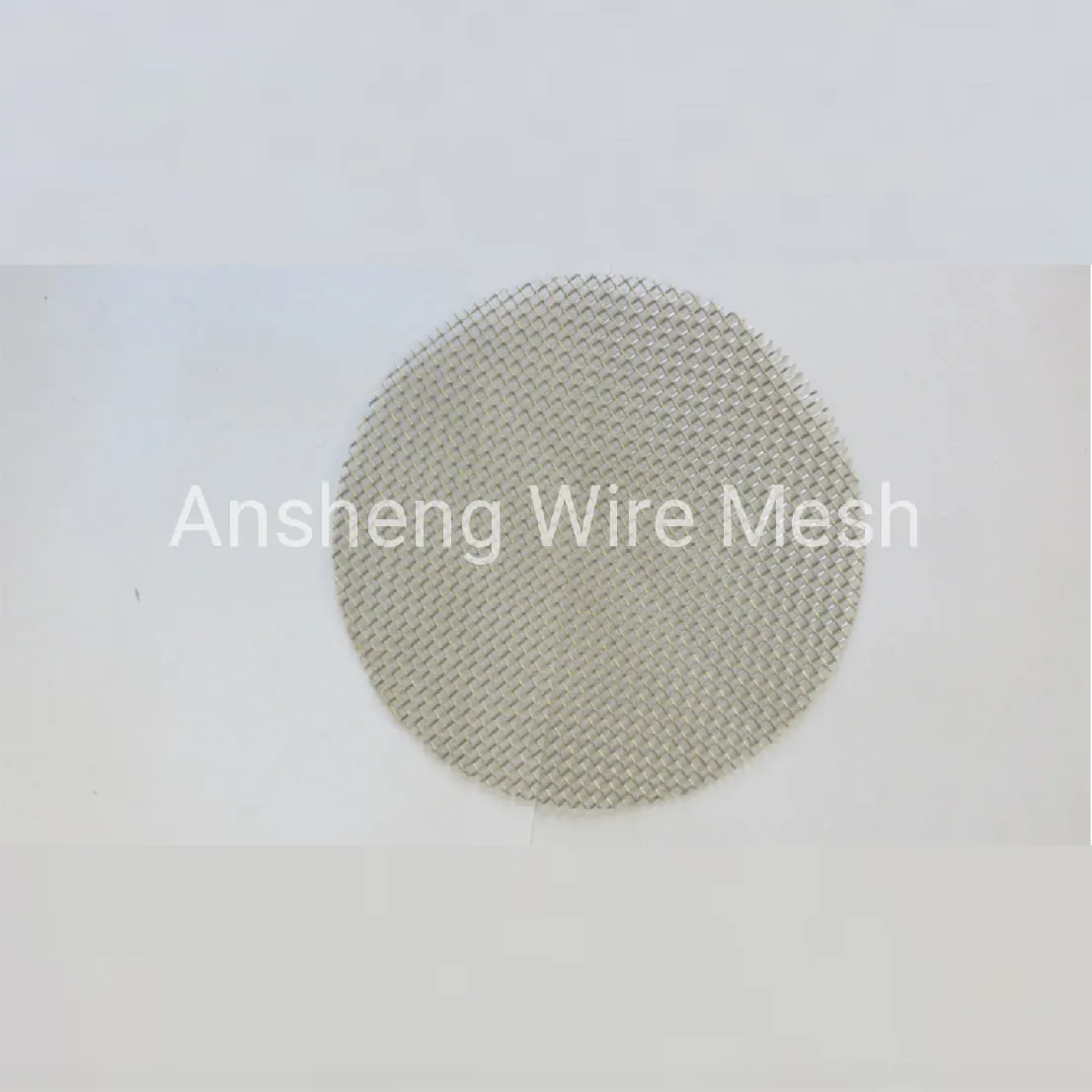
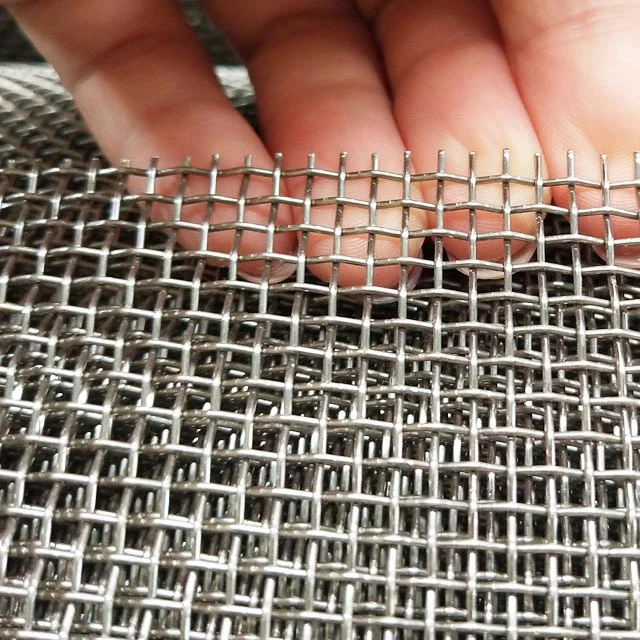
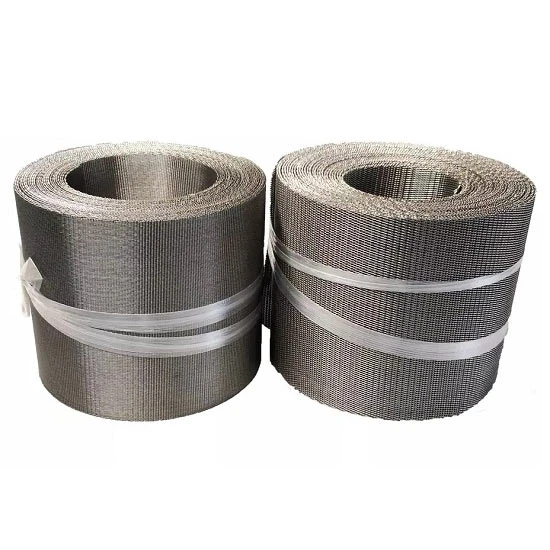
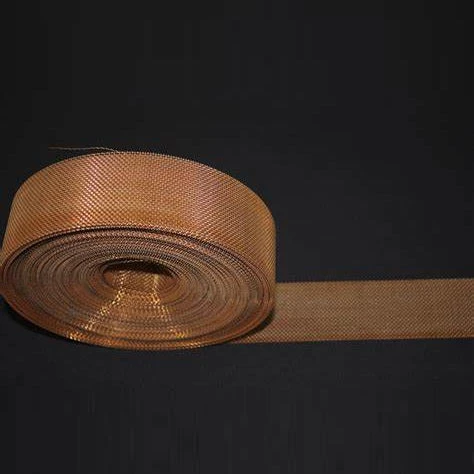
At its core, heavy duty stainless steel mesh is a network of thick stainless steel wires woven or welded to form a strong, corrosion-resistant fabric. Think of it as a fortress wall but made from interlocked steel threads — tough, flexible, and long-lasting. It’s part of an industrial family that’s essential for filtration, screening, protective fencing, and reinforcement.
Its significance extends beyond factory floors to humanitarian spheres too. For example, in refugee camps or disaster zones, these meshes help build strong, reusable shelters and secure storage, showcasing how industrial materials can serve urgent social needs.
Key Factors Behind the Strength and Utility
1. Durability
Heavy duty stainless steel mesh is prized for its ability to resist rust and oxidation, even in wet or chemically exposed settings. That’s thanks to the chromium content in stainless steel, which forms a protective layer preventing corrosion.
2. Load-Bearing Capacity
Its thick wires and sturdy weaving pattern mean it can bear heavy loads, making it ideal for safety barriers or heavy filtration units that need to stand under pressure or impact.
3. Versatility
From fine mesh for industrial filtration to coarse grid fencing, customization exists in wire diameter, weave pattern, and sheet size, enabling users to tailor it for specific jobs — a big bonus in engineering projects.
4. Cost-Efficiency Over Time
While initial costs may be higher than cheaper metals, its longevity and low maintenance translate into reduced total cost of ownership, especially in corrosive environments.
5. Environmental Resistance
Certain grades withstand not just water but extreme temperatures and chemical exposure, opening doors to applications in harsh industrial zones worldwide.
Mini Takeaway: The interplay of durability, load capacity, and adaptability make this mesh a powerhouse in tough industry settings — it’s not just steel, it’s steel engineered to last.
Real World Applications: Where Does Heavy Duty Stainless Steel Mesh Fit In?
This mesh finds its roots everywhere you might expect and a few places you wouldn’t. Mining operations in Australia rely heavily on it for screening and safety due to its resistance to abrasive materials and tropical weather. In Europe, architects use it as a breathable facade element that adds industrial aesthetic without sacrificing weather protection.
In post-disaster zones—think Southeast Asia after typhoons—NGOs have used heavy duty stainless steel mesh to build temporary shelters and storage, leveraging its reusability and robustness. Even offshore platforms in the North Sea use it for protector cages against marine corrosion.
Vendor Comparison: Major Heavy Duty Stainless Steel Mesh Suppliers
| Vendor | Material Grade | Max Wire Diameter (mm) | Typical Applications | Customization Options |
|---|---|---|---|---|
| Ansheng Filter Screen | 304, 316, 316L | 3.5 mm | Filtration, Fencing, Industrial Screening | Custom size, weave type, welding pattern |
| SteelMesh Corp | 304, 321 | 3.0 mm | Marine Screening, Safety Barriers | Limited to stock sizes |
| Duramesh Solutions | 316L, 317L | 4.0 mm | Chemical Plants, Heavy Duty Fencing | Custom fabrication, plasma cutting |
Advantages and Long-Term Value of Heavy Duty Stainless Steel Mesh
Many engineers I’ve talked to say the real charm lies not just in strength but in trust — trust that the mesh will not fail when it matters most. It’s a material that protects lives, infrastructure, and ecosystems, providing:
- Cost savings: Reduced repair and replacement cycles mean operational budgets stretch further.
- Sustainability: Stainless steel is recyclable, and the long lifespan reduces raw material consumption.
- Safety and dignity: Used in humanitarian contexts, it ensures secure shelters and hygienic facilities, a subtle but powerful social impact.
- Reliability: Works under pressure, literally and figuratively — in construction, mining, or marine environments.
So it’s not just a product but a long-term investment into projects you want to stand the test of time.
Specification Table: Typical Heavy Duty Stainless Steel Mesh Properties
| Property | Specification | Notes |
|---|---|---|
| Material Grade | 304, 316, 316L Stainless Steel | Grades determine corrosion resistance |
| Wire Diameter | 1.5 mm – 4.0 mm | Thicker wires = higher load bearing |
| Mesh Opening Size | 2 mm – 20 mm | Customizable based on screening needs |
| Sheet Dimensions | Up to 2m x 6m typical | Varies by vendor |
| Surface Treatment | Polished, Matte, Luster Finish | For aesthetic and corrosion factors |
Emerging Trends and Innovations
Now comes the exciting part — the future. Industry insiders suggest that the integration of digital technologies, like real-time corrosion monitoring sensors embedded within mesh frameworks, is gaining traction. On the materials front, novel alloy blends promise lighter yet stronger meshes. Also, the drive for greener production processes means more meshes will likely be manufactured with recycled metal and less energy use, aligning with global sustainability goals.
For example, in renewable energy sectors, stainless steel meshes are being designed for solar panel protection and offshore wind turbine cages, where durability and resistance are literally mission-critical.
Challenges & Practical Solutions
Of course, no material is without its quirks. Heavy duty stainless steel mesh can be expensive upfront, and weld integrity can vary between vendors, potentially leading to failure if not tested properly. Field engineers report that installation care is crucial — a poorly secured mesh can end up doing more harm than good.
However, advances in automated welding and non-destructive testing (NDT) techniques help improve product consistency. Plus, establishing partnerships with reputable vendors (like heavy duty stainless steel mesh suppliers) eases these concerns considerably.
FAQ: Questions You Might Be Asking
- Q: What makes heavy duty stainless steel mesh better than regular wire mesh?
A: Its thicker gauge and superior stainless steel grades offer enhanced corrosion resistance and load capacity, ideal for harsh or high-stress environments. - Q: How customizable is the mesh for unique industrial needs?
A: Very customizable! Wire thickness, mesh size, weave type, and sheet dimensions can be adjusted to fit a wide range of applications. - Q: Is it easy to maintain in corrosive environments?
A: Yes, its chromium-based protection minimizes rusting and requires little maintenance even in saltwater or chemical-exposure zones. - Q: Can heavy duty stainless steel mesh be recycled?
A: Absolutely. Stainless steel is highly recyclable, which enhances sustainability and reduces environmental impact over its lifecycle. - Q: How can I ensure I’m buying high-quality mesh?
A: Look for vendors with strong quality control, certifications, and testing guarantees — sourcing from established manufacturers is key.
Wrapping Up: Why Heavy Duty Stainless Steel Mesh Is a Wise Investment
So, when you think about the big picture — heavy duty stainless steel mesh isn’t just about strong steel wires. It’s about building systems that endure, that protect, and ultimately, that empower industries and communities worldwide. Its long-term cost-effectiveness, environmental friendliness, and sheer reliability make it a surprisingly invaluable material.
Want to explore options or get custom quotes? Don’t hesitate to check out heavy duty stainless steel mesh providers who specialize in tailored industrial solutions. You’ll find that quality and expertise go hand in hand there.
Mini takeaway: Whether you’re building a mining operation or setting up disaster relief infrastructure, this mesh quietly delivers the backbone for success and safety.
References
Post time: Nov . 15, 2025 04:00