
Stainless Steel Metal Mesh: An Essential Component in Modern Industry
If you’ve ever paused to wonder what holds up heavy industrial sieves, filters, or even some architectural details, you’ve likely brushed shoulders with stainless steel metal mesh. This surprisingly versatile material might not grab headlines daily, but its global impact quietly shapes countless industries — from construction and chemical processing to food safety and public infrastructure.
Globally, stainless steel metal mesh plays a pivotal role in sustainable design and resilience strategies, supporting everything from environmental filtration systems to life-saving medical devices. Learning how this material works, where it excels, and which industries benefit most doesn’t just satisfy curiosity — it lays the foundation for smarter procurement decisions and innovative engineering projects worldwide.
Why Stainless Steel Metal Mesh Matters Globally
According to the International Organization for Standardization (ISO), stainless steel usage has surged by roughly 6% annually, primarily driven by demand in filtration, separation, and reinforcement applications. Given stainless steel’s resistance to corrosion and strength properties, metal mesh made from this alloy helps solve critical challenges like contamination control, structural integrity in harsh environments, and efficient separation processes.
For instance, industries tackling water scarcity rely heavily on mesh filtration to clean water effectively, while aerospace sectors demand lightweight yet sturdy materials. The stainless steel metal mesh serves as a backbone for such solutions, addressing needs that cut across continents and climates.
Mini takeaway: Stainless steel metal mesh is more than a material—it's a global enabler for resilient infrastructure and health-related technologies.
What Exactly Is Stainless Steel Metal Mesh?
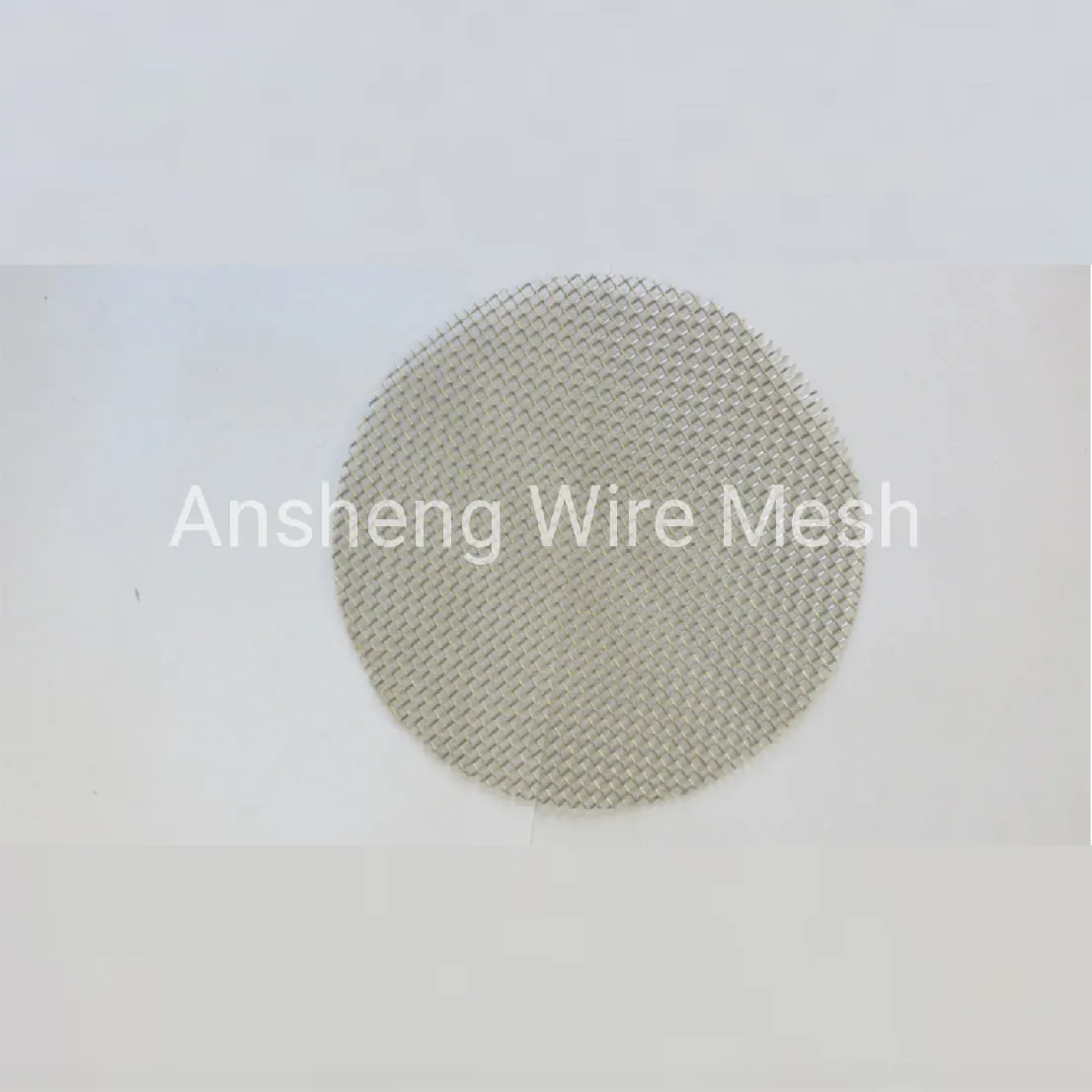
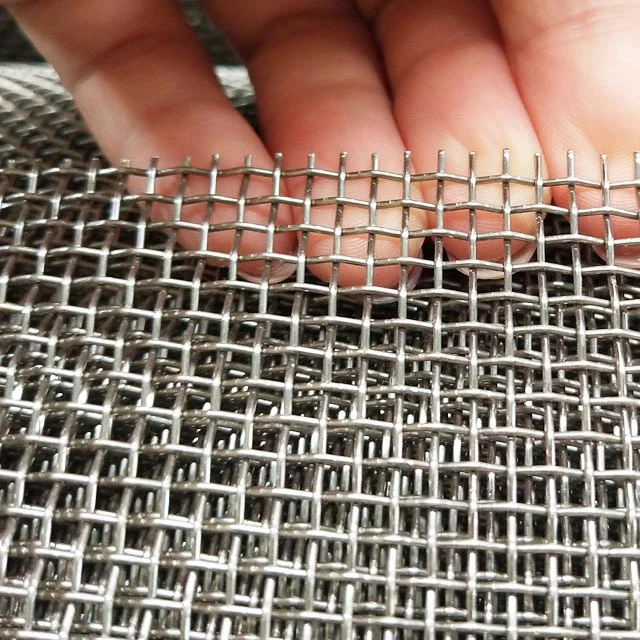
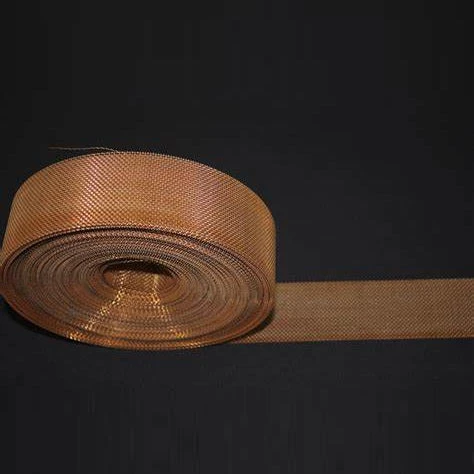
At its core, stainless steel metal mesh is a woven, welded, or perforated sheet made from stainless steel wires. Think of it as a grid of extremely fine or coarse steel threads joined together to create a patterned sheet that’s strong, flexible, and resistant to rust or chemical degradation.
This mesh is tailored to industrial needs: from small openings that filter dust or microbes to large, heavy-duty panels used in reinforcement or screening. Its exceptional balance of durability and adaptability has made it the go-to material in environments where contamination must be minimized, or mechanical strength maximized.
Mini takeaway: The seamless marriage of metal strength and mesh flexibility is what sets stainless steel metal mesh apart.
Core Components that Make Stainless Steel Mesh a Game-Changer
1. Durability & Corrosion Resistance
Stainless steel’s natural chromium content (usually 10-30%) creates a thin protective layer that resists rust and corrosion—even in acid, humidity, or saltwater. This keeps mesh structures intact for decades in chemically aggressive or outdoor environments.
2. Precision & Scalability
Manufacturers can customize mesh sizes from micro-scale filters (microns) to sizeable frameworks, tailoring it exactly to the application. This flexibility allows usage in everything from ultra-fine filtration in pharmaceuticals to robust conveyor guards.
3. Cost Efficiency Over Time
Though initial costs might appear higher than synthetic meshes, stainless steel metal mesh lasts much longer and avoids replacement costs, downtime, or environmental disposal fees, making it cost-effective in the long run.
4. Hygienic & Easy to Clean
Its smooth surface inhibits bacterial growth, which is why it’s indispensable in food processing plants or medical environments.
Mini takeaway: The combination of longevity, adaptability, and cleanliness provides unmatched value in critical applications.
Where and How Stainless Steel Metal Mesh Works Around the World
Consider urban water treatment plants in Europe where stainless steel mesh removes solids before water purification. Or remote mining operations in Australia deploying welded stainless steel mesh screens to separate ores and minimize environmental impact.
NGOs operating in disaster areas also find utility in stainless steel mesh components integrated into makeshift shelters and clean water filters, ensuring reliability and safety under adverse conditions. Airlines use mesh in engine filtration, while architects incorporate decorative metal mesh facades for modern, weatherproof, yet visually pleasing exteriors.
Mini takeaway: From deserts to coastlines, stainless steel metal mesh adapts to diverse industries and climates—underscoring its worldwide relevance.
Specification of a Typical Stainless Steel Metal Mesh Product
| Specification | Details |
|---|---|
| Material Grade | 304 / 316 Stainless Steel |
| Wire Diameter | 0.1mm - 5mm |
| Aperture Size | 10μm - 50mm (customizable) |
| Tensile Strength | ≥ 500 MPa |
| Finish | Mill, Polished, Electro-polished |
| Max Width | 2 meters |
How Do Vendors Stack Up? A Quick Comparison
| Vendor | Product Range | Customization Options | Global Shipping | Price Range |
|---|---|---|---|---|
| Ansheng Filter Screen | Wide (welded, woven, perforated) | High (custom wire & size) | Yes | $$ - $$$ |
| MetalMesh Co. | Standard woven only | Low | Limited | $ - $$ |
| Global Steel Mesh Ltd. | Welded & woven | Medium | Yes | $$ |
The Many Advantages of Stainless Steel Metal Mesh
Aside from mechanical robustness, what really wins hearts and contracts are the long-term gains:
- Environmental Sustainability: Typically recyclable with high scrap value, reducing waste.
- Social Impact: Enhances safety in food and water treatment — a cornerstone for public health.
- Economic Reliability: Reduced downtime and service calls lower operational costs.
- Design Versatility: From industrial filters to architectural accents, it adapts fluidly to creative ideas.
On a more emotional note, this mesh represents trust — material people count on not to fail when it matters most. It also embodies forward thinking, a commitment to resilient infrastructure in an ever-changing world.
Mini takeaway: Stainless steel metal mesh is not just a product; it is a promise of quality, durability, and sustainability.
Looking Ahead: Trends and Innovations
Innovation in stainless steel mesh isn’t stuck in old designs. Industry leaders are exploring:
- Nano-coating Technologies: For enhanced anti-bacterial and anti-corrosive layers.
- Smart Mesh Sensors: Embedded to monitor wear, pressure, or contamination in real time.
- Green Manufacturing: Using less energy and recycled steel to minimize carbon footprints.
- Automation in Custom Weaving: Faster, more precise production with fewer defects.
These developments not only improve performance but echo growing demands for eco-friendly materials and digital integration in industrial products.
Challenges and How the Industry Handles Them
Oddly enough, some challenges still linger, like initial costs or difficulties in very fine mesh weaving. Environmental exposure over decades can still lead to surface fatigue in extreme settings.
However, solutions like improved alloy formulas, better heat treatments, and precision manufacturing techniques are steadily stretching the limits of what stainless steel mesh can do. Plus, partnerships between vendors and end users foster tailored solutions tackling specific problems, which is key.
FAQ: Answers to Common Questions About Stainless Steel Metal Mesh
- What makes stainless steel metal mesh better than plastic or synthetic mesh?
- Stainless steel offers unparalleled strength and corrosion resistance, making it ideal for harsh environments. Unlike plastic, it withstands high temperatures and is recyclable, resulting in better longevity and sustainability.
- How do I choose the right mesh size for my industrial filtration needs?
- The ideal mesh size depends on the materials you need to separate. Finer meshes filter out smaller particles but might trap faster and require maintenance. Consulting with manufacturers like Ansheng Filter Screen helps tailor specifications precisely.
- Is stainless steel mesh suitable for outdoor architectural uses?
- Absolutely. Its resistance to weathering and corrosion makes it perfect for decorative facades, security screening, and sunshades. Plus, it withstands UV exposure unlike many polymers.
- Can stainless steel mesh be customized for unusual shapes or sizes?
- Yes. Vendors offer cutting, welding, weaving, and even electro-polishing services to fit bespoke applications — from curved architectural panels to industrial sieves.
- How long does stainless steel mesh last in industrial settings?
- Its lifespan ranges from several years up to decades depending on exposure and maintenance. Generally, it lasts longer than alternative materials, which reduces replacement and downtime costs.
Wrapping It Up: Why Stainless Steel Metal Mesh Should Be Part of Your Next Project
In real terms, stainless steel metal mesh is more than an industrial commodity. It’s a durable, adaptable, and sustainable solution that tackles real-world challenges—from filtering water for millions to protecting critical infrastructure.
If you value quality and longevity, it pays to explore the offerings by trusted vendors like Ansheng Filter Screen. Their customizable solutions reflect the rich legacy and future promise of stainless steel mesh technologies.
So next time you see a sleek metal mesh screen in a factory or an architectural detail on a modern building, remember it’s part of a quiet revolution shaping safer and smarter industrial landscapes worldwide.
Visit Ansheng Filter Screen to learn more about stainless steel metal mesh solutions tailored to your needs.
References & Further Reading
Post time: Nov . 30, 2025 15:25