
Understanding 1mm Stainless Steel Mesh: Why It Matters Worldwide
If you’ve ever paused to think about the tiny grids that make up industrial filters, architectural screens, or security fences, you might have glimpsed something like the 1mm stainless steel mesh. It’s a fascinating little fabric of metal – a web of strength and durability that quietly impacts everything from water purification in remote villages to the sleek facades of modern skyscrapers. But why exactly does this product matter on a global scale? Well, the answer lies in its versatility, resilience, and sustainability — qualities the world desperately needs.
Globally, stainless steel meshes with a 1mm aperture are symbolic of technical progress and practical problem-solving. They play a direct role in industries that power economies, protect environments, and support humanitarian efforts. Knowing what this mesh is, and why engineers and designers swear by it, unlocks insights into how material science quietly shapes our everyday lives.
Global Context: The Unsung Hero of Industry and Infrastructure
According to data from the International Organization for Standardization (ISO), stainless steel usage has increased by roughly 5% annually over the last decade, largely driven by demand in filtration systems and construction. The 1mm stainless steel mesh is a critical component in this trend.
But here’s a problem that not many headline-grabbing: many developing regions still struggle with water filtration and erosion control – areas where this mesh shines. For example, the World Bank cites that nearly 2.2 billion people globally lack access to safely managed drinking water. A product as straightforward as a fine, corrosion-resistant stainless steel mesh, with exactly 1mm apertures, can be a cost-effective filtration solution — a small but mighty fix that delivers big social benefits.
What Exactly Is 1mm Stainless Steel Mesh?
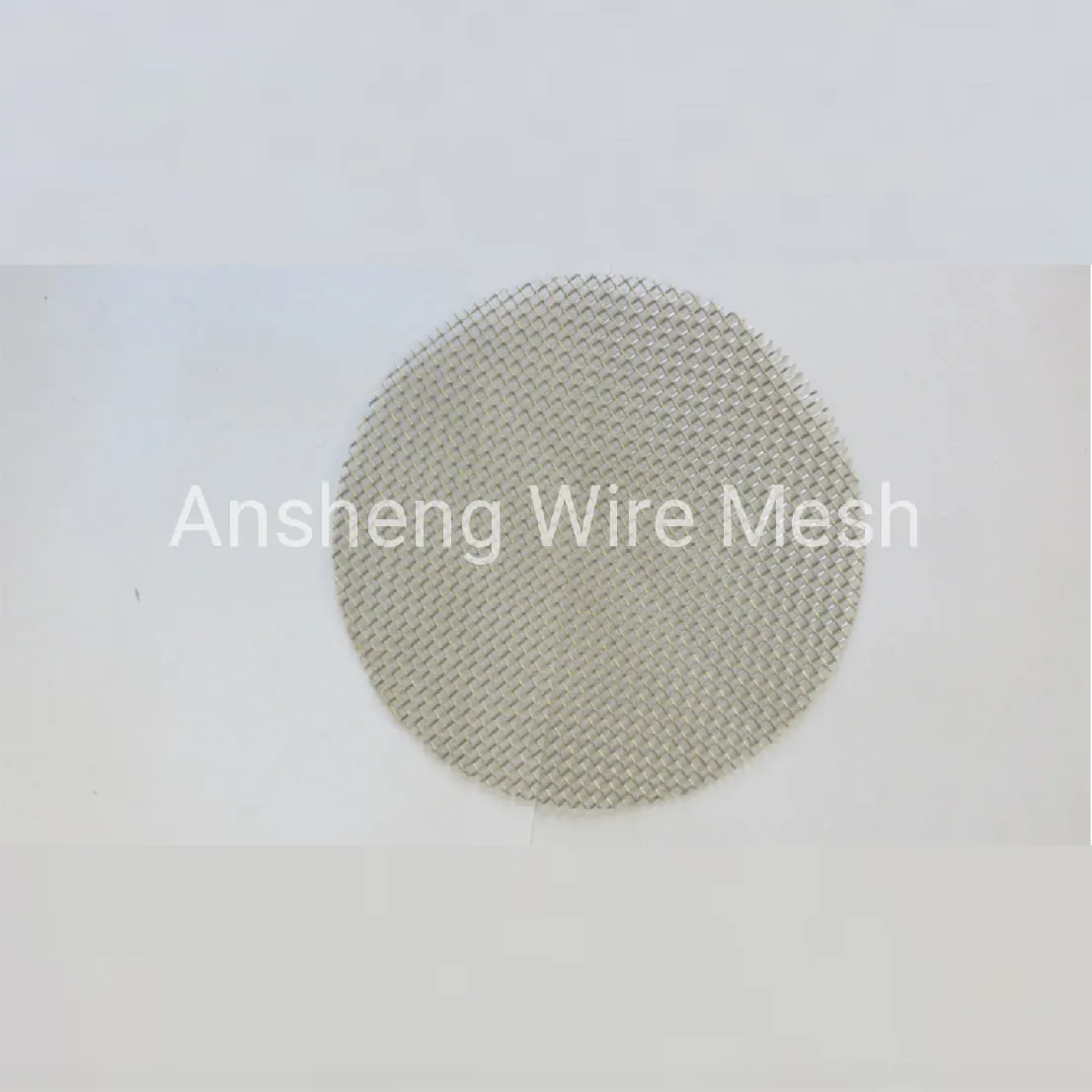
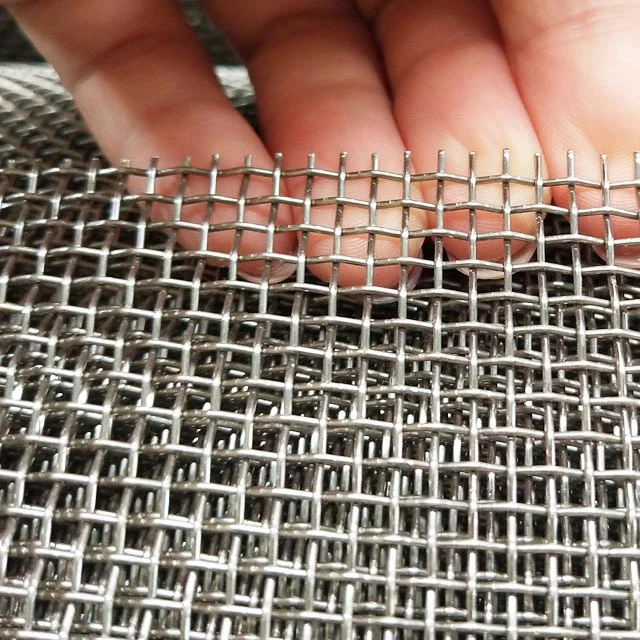
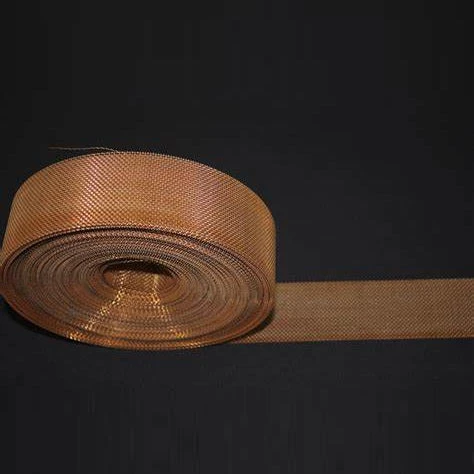
At its core, a 1mm stainless steel mesh refers to a grid-like mesh made from stainless steel wires woven or welded so the openings between the strands are approximately 1 millimeter wide. Stainless steel offers resistance to rust and corrosion, making this mesh ideal for both indoor and harsh outdoor environments.
Think of it as a finely woven metallic fabric that filters, protects, or supports structures without sacrificing durability. Its fine aperture makes it perfect for filtering tiny particles while withstanding substantial mechanical stress. The mesh serves industries from environmental tech to aviation, humanitarian supply chains to architectural art.
Key Features of 1mm Stainless Steel Mesh
Durability and Corrosion Resistance
One of the biggest selling points is how it can last decades, even in salty marine climates or acidic industrial zones. That inevitable rust problem? Not here. The chromium content in stainless steel forms a passive film that prevents oxidation — an absolute must in filtration systems or outdoor fencing.
Precision and Versatility
Precisely 1mm openings mean this mesh can stop particles as small as sand grains, yet still allow air or water to flow through efficiently. Engineers often emphasize this balance when designing filters or protective layers for machinery.
Scalability and Customization
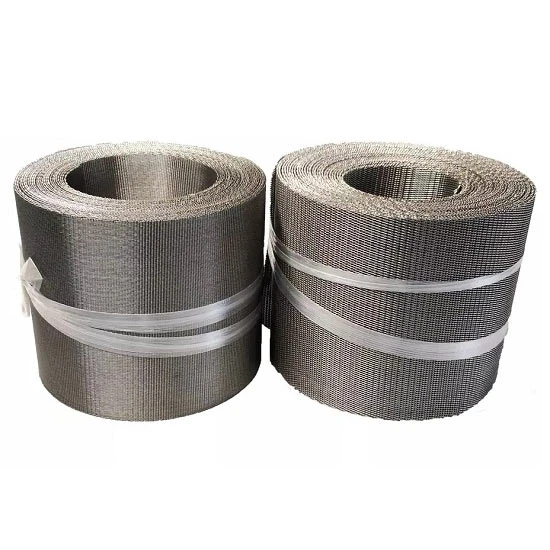
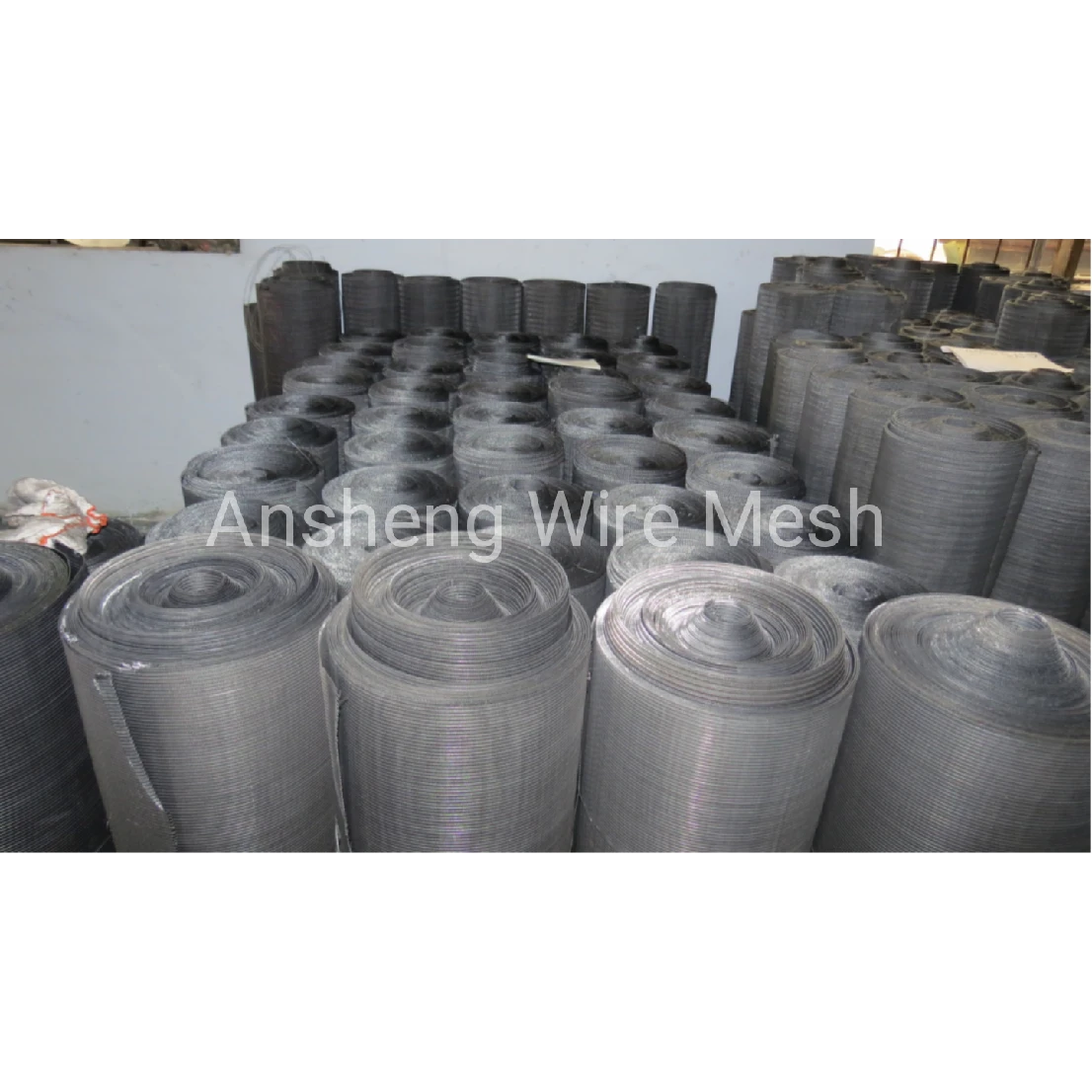
Producers can scale production from small, custom panels for laboratory use up to giant rolls for industrial projects. You also get options for weave type (plain, twill) and thickness that suit different mechanical loads.
Cost Efficiency and Sustainability
True, stainless steel isn’t the cheapest metal around, but the long product life and low maintenance tend to tip the scales. Plus, many manufacturers recycle stainless scrap, so your mesh is environmentally conscious even before installation.
Mini takeaway:
The 1mm stainless steel mesh is part tech marvel, part practical workhorse — engineered to solve challenges while lasting the distance.
Applications Across the Globe: From Remote Relief Zones to Urban Metropolises
Oddly enough, this mesh pops up in some of the most critical yet unassuming places on Earth:
- Water Treatment Plants: In Southeast Asia, municipal systems often use 1mm stainless steel mesh screens to filter contaminants, mitigating health risks from tainted water.
- Disaster Relief: NGOs deploy mesh filters in disaster zones, clearing debris and bacteria from emergency water supplies, ensuring dignity and health for displaced communities.
- Architecture: Urban designers lean on these meshes to create ventilated facades that are both aesthetic and functional, often in windy coastal cities across Europe.
- Food and Pharmaceuticals: In North America and Europe, sieves with 1mm mesh are vital for quality control during production, meeting strict hygiene regulations.
- Mining and Industry: Mining companies in Australia use the mesh for particle separation and safety barriers around hazardous zones.
Mini takeaway:
This mesh is a sort of 'quiet enabler' – without it, many safety and quality processes would be less effective or more costly.
Product Specifications: What You Typically Expect
| Specification | Detail |
|---|---|
| Mesh Opening | 1mm ±0.02mm |
| Wire Diameter | 0.2mm to 0.4mm |
| Material Grades | 304, 316, or 904L stainless steel |
| Weaving Types | Plain weave, twill weave, Dutch weave |
| Max Roll Width | 2 meters (approx.) |
| Tensile Strength | > 500 MPa depending on alloy |
Comparing Major Global Suppliers
| Supplier | Typical Lead Time | Range of Alloys | Customization Options | Price per sqm |
|---|---|---|---|---|
| Ansheng Filter Screen | 2–3 weeks | 304,316 | Wire diameter, weave pattern, size | $45–60 |
| Global Mesh Inc. | 4 weeks | 304,316,904L | Limited | $50–70 |
| SteelNet Solutions | 3 weeks | 304,316 | Wire diameter, finish | $48–65 |
Advantages & Long-term Values You Don't Want To Miss
From a logical perspective, the 1mm stainless steel mesh delivers reliable longevity, which translates into long-term cost savings. Engineers often point out how its corrosion resistance means fewer replacements and less downtime — a huge plus in industrial settings. Emotionally, there’s a peace of mind in knowing your filtration system or safety enclosure won't fail when you need it most.
It’s also a socially positive product. For communities facing water contamination or food safety concerns, the mesh plays a vital role in improving health outcomes and preserving dignity. Plus, the rise in lightweight, durable meshes is pushing architects toward innovation that dazzles without waste.
Future Trends Worth Watching
Looking ahead, the future of 1mm stainless steel mesh revolves around greener manufacturing processes and smarter designs that integrate sensors for real-time contamination detection. Automation in weaving has improved uniformity and scaling capabilities, allowing suppliers to meet growing demand in developing nations.
Innovations in metallic coatings and nanotechnology may soon lend these meshes enhanced self-cleaning or antibacterial properties — crucial for medical or food applications. The push for sustainability means recycled stainless steel meshes will become even more common top-grade options.
Challenges and How Experts Are Tackling Them
No product is perfect, of course. For stainless steel mesh with 1mm apertures, a typical challenge is balancing flexibility with strength — finer wires can be fragile, and thick wires limit flow. Experts recommend specialized weave patterns or hybrid composites to address this.
Environmental concerns around mining metals have also led companies to invest more heavily in recycling and lifecycle assessments. Plus, sourcing certified stainless steel alloys ensures reliable performance in critical applications.
FAQ: Quick Answers You Actually Need
- What industries benefit most from 1mm stainless steel mesh?
- The mesh is broadly used in water filtration, food processing, pharmaceuticals, construction, mining, and disaster relief. Its versatility truly spans many sectors.
- How long can a 1mm stainless steel mesh last outdoors?
- With proper grade selection like 316 stainless steel, the mesh can last 15–20 years even in harsh environments such as coastal or industrial sites.
- Is this mesh easy to clean and maintain?
- Absolutely. Its corrosion resistance and smooth surface make it easy to flush or wipe clean, reducing microbial buildup in filtration or food prep applications.
- Can I customize the mesh size or wire thickness?
- Yes—many manufacturers, including Ansheng, offer customization from wire diameter to weave pattern to suit your project needs.
- Is stainless steel mesh recyclable?
- Definitely. Stainless steel is one of the most widely recycled materials worldwide, which adds to the environmental appeal of this product.
Wrapping Up: A Small Mesh With Big Impacts
To be honest, the 1mm stainless steel mesh feels like one of those quiet heroes of industry and infrastructure. It’s everywhere – quietly working to purify, protect, and beautify. Its long-term durability plus broad adaptability make it a smart choice whether you’re running a municipal water plant or designing a green building facade.
Curious to discover how you can integrate this dependable material into your projects? Visit our website: https://www.anshengfilterscreen.com for detailed specs, sample orders, and expert consultation.
References
Post time: Nov . 30, 2025 17:05