
What is Steel Insect Mesh and Why Should We Care?
In a world where protecting crops, homes, and health remains a persistent challenge, steel insect mesh quietly does its part. Whether in bustling urban centers or remote rural areas, these tough, woven grids guard against tiny invaders that can cause outsized problems—from disease-bearing mosquitoes to crop-damaging pests. Understanding steel insect mesh isn’t just for manufacturers or engineers; its global significance touches public health, agriculture, and even humanitarian relief.
The right mesh design can drastically reduce insect-related damage, enhance ventilation without compromising safety, and support sustainable farming practices at a fraction of cost. It’s one of those products that sit at the crossroads of industrial utility and everyday practical need.
The Global Context: Why Steel Insect Mesh Gains Spotlight
According to the World Health Organization, vector-borne diseases like malaria and dengue still afflict millions worldwide. Steel insect meshes serve as frontline defenses, reducing the intrusion of disease vectors indoors. Meanwhile, the UN notes increased attention on sustainable agriculture, where physical pest barriers are key alternatives to chemical pesticides.
Beyond health, rapid urbanization and global trade make supply chain contamination a serious concern. Mesh barriers help maintain hygienic conditions during food transport and storage, cutting down losses up to 30%, says the Food and Agriculture Organization.
Oddly enough, despite this importance, many people unfamiliar with technical textiles overlook steel insect mesh. It’s a quiet solution, working behind the scenes to tackle issues that threaten food security and health.
What Exactly is Steel Insect Mesh?
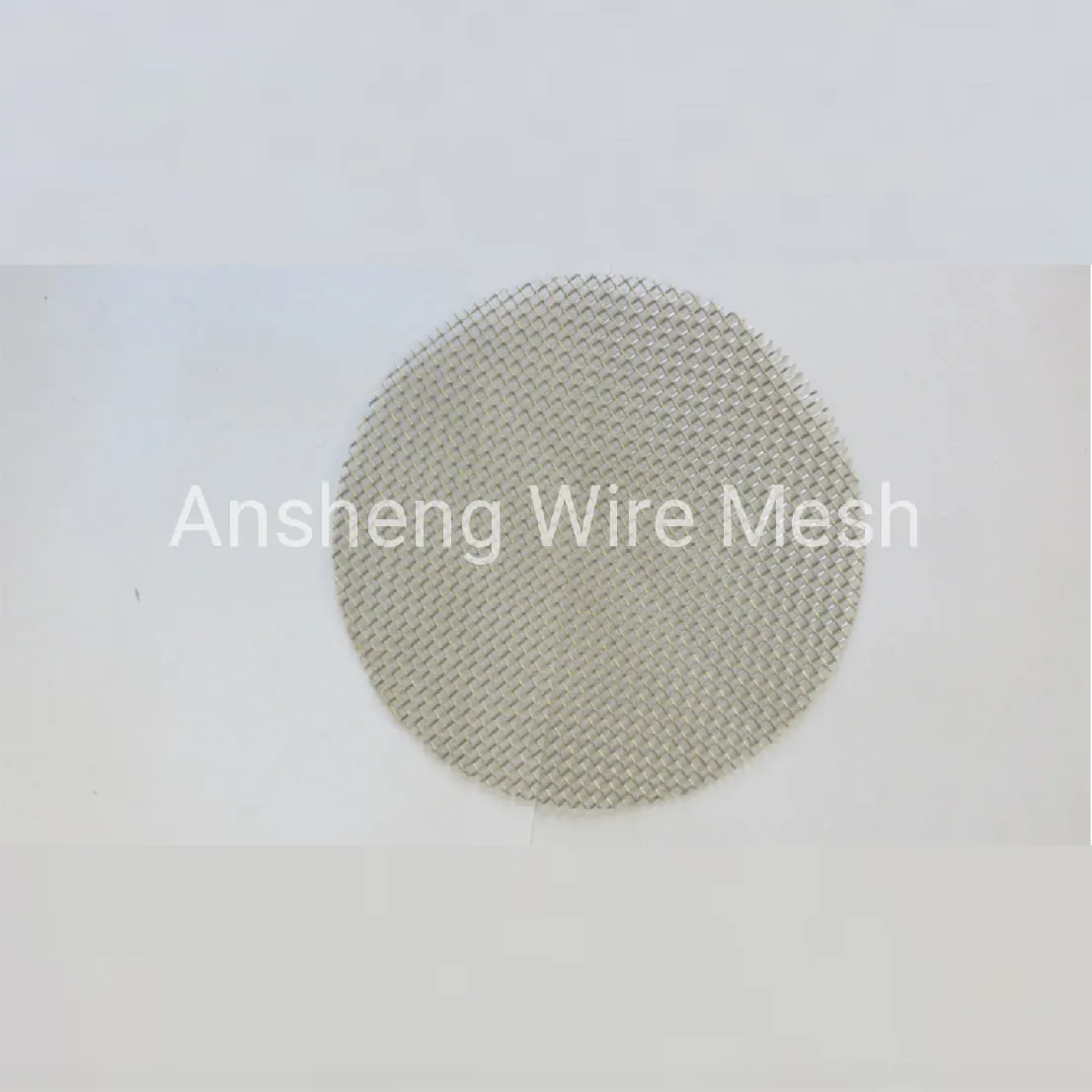
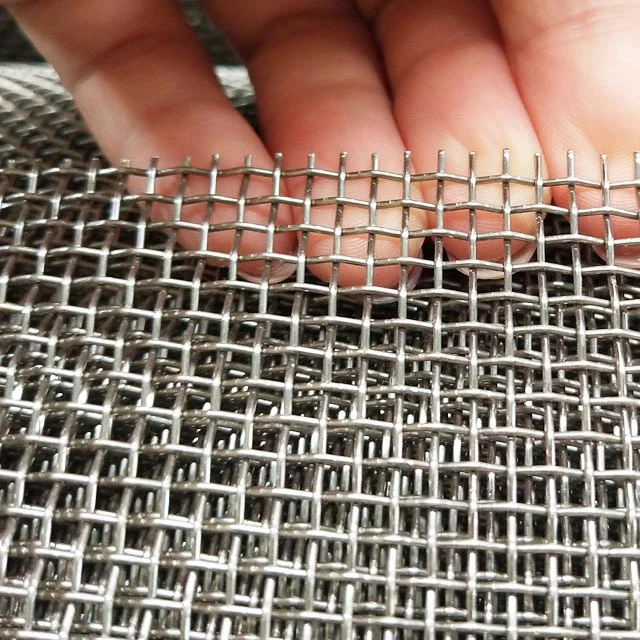
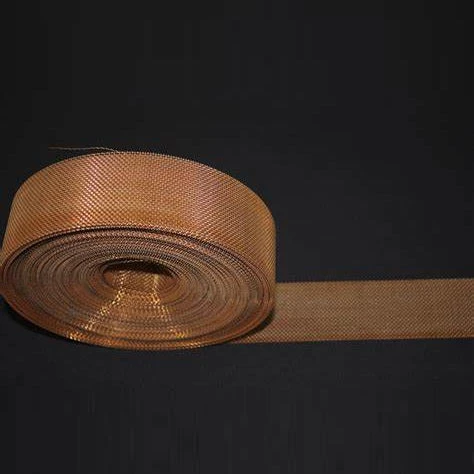
Put simply, steel insect mesh consists of interwoven or welded stainless steel wires, forming a grid fine enough to block insects yet durable enough to withstand harsh environments. It’s similar to window screens but made with robust metal to resist corrosion, physical damage, and wear over years.
This material bridges industrial needs—like factory ventilation, and food safety—with humanitarian ones, such as mosquito barriers in emergency shelters. Unlike plastic or aluminum alternatives, steel insect mesh often lasts longer and resists deformation, which is essential in areas with extreme weather or pest pressure.
Core Features of Steel Insect Mesh
Durability and Corrosion Resistance
The backbone of steel insect mesh is its corrosion-resistant stainless steel, often 304 or 316 grade. This means it can withstand rain, humidity, and salt air without rusting. In coastal or tropical regions, this resilience translates to years of reliable use—something less expensive meshes simply can’t match.
Mesh Aperture and Insect Blocking Efficiency
The mesh size is critical. It must be fine enough to keep out disease-carrying vectors like mosquitoes and sandflies without blocking airflow. Typical aperture diameters range from 0.9 to 2.5 millimeters, balancing ventilation and protection.
Ease of Installation and Scalability
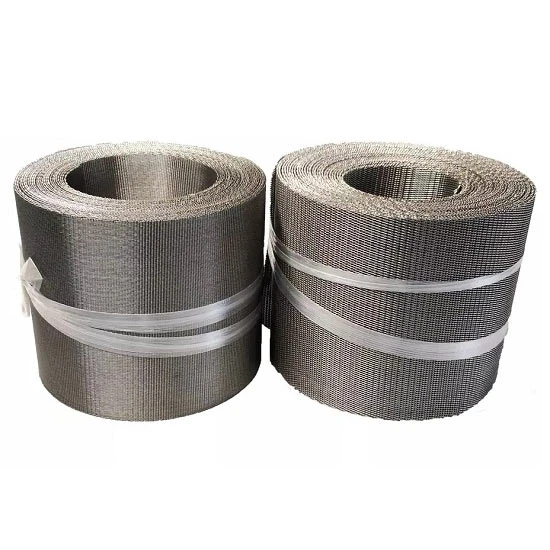
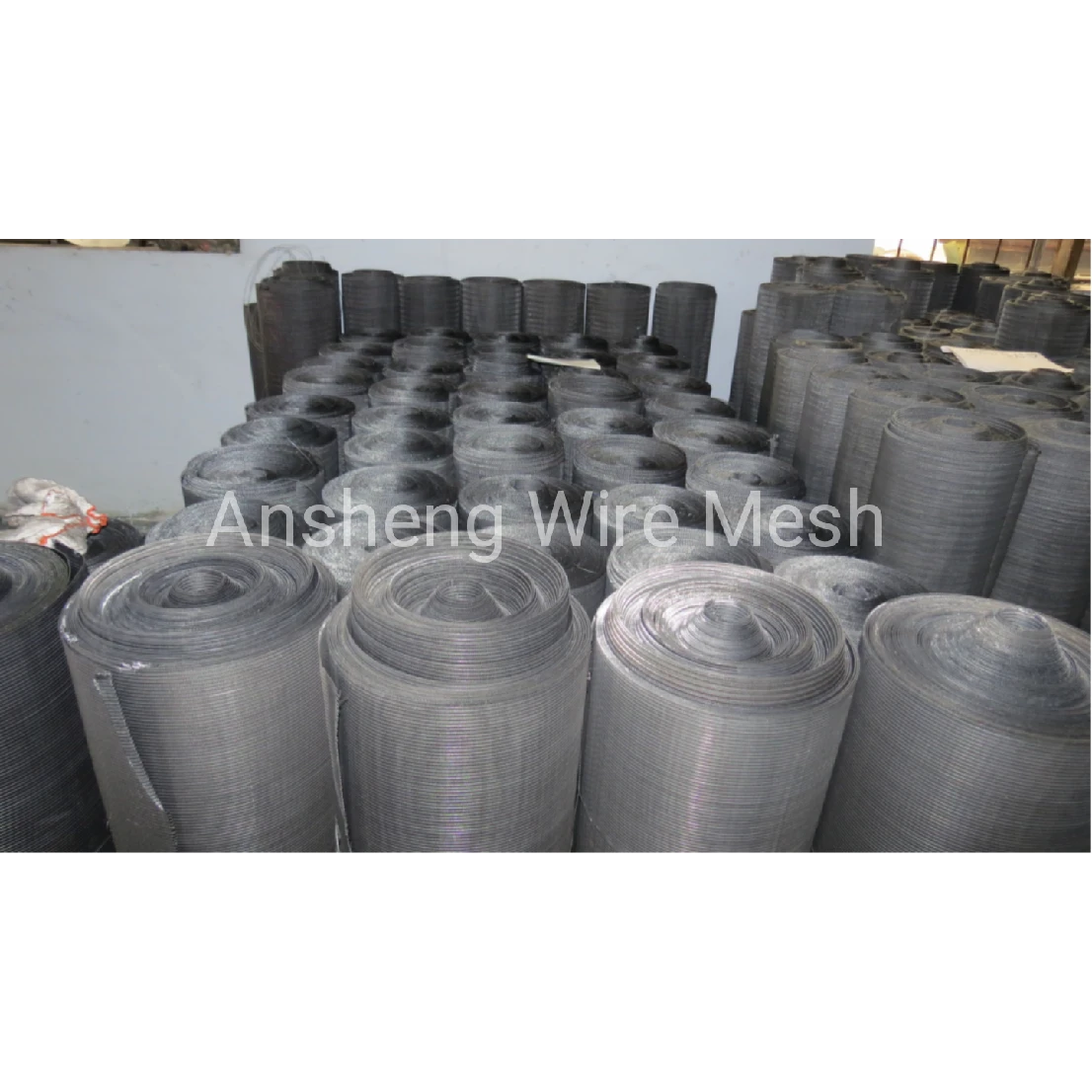
Steel insect mesh often comes in rolls or custom panels, making it adaptable to windows, doors, vents, and even temporary structures like tents. Its modular nature allows usage from household screens to large-scale agricultural netting—scaling according to need.
Cost Efficiency Over Lifetime
While initial costs can be higher than plastic meshes, the longer lifetime reduces replacement cycles and maintenance. Over five to ten years, this often results in net savings, especially where durability is tested.
Aesthetic and Safety Aspects
Unlike plastic, steel insect mesh can support paint coatings or finishes for better aesthetics or added UV protection. It also provides a sturdy physical barrier, preventing not only insects but often deterring small animals—adding a layer of security.
Mini takeaway: Steel insect mesh blends toughness with precision. It’s neither a simple screen nor a heavy-duty fence, but something in between—one that engineers and health experts both appreciate.
Where Can Steel Insect Mesh Make a Difference?
Steel insect mesh pops up in surprising places. In South Asia, it’s a staple for anti-mosquito screens in homes, reducing malaria cases significantly. In Africa, NGOs incorporate this mesh into emergency shelters post-disaster to minimize disease risk.
Meanwhile, agricultural producers in Europe and North America use steel insect mesh to protect greenhouses from aphids and whiteflies without chemicals. Food processing plants favor it for separating insects from warehouses while allowing air circulation.
In sprawling industrial zones across China, ventilated factories use steel insect mesh to maintain hygiene standards while preventing pest intrusion. Even hospitality industries install it on outdoor terraces to enhance customer comfort without sacrificing airflow.
| Specification | Details |
|---|---|
| Material | Stainless steel 304 or 316 |
| Wire Diameter | 0.25 - 0.5 mm |
| Mesh Opening Size | 0.9 - 2.5 mm |
| Roll Width | 1 - 2 meters |
| Length per Roll | 30 - 50 meters |
| Color Options | Natural silver, black-coated available |
Why Choosing Steel Insect Mesh Pays Off in the Long Run
If you’re a facility manager, farmer, or NGO officer, cost isn’t the only metric here. Reliability is key. Steel insect mesh offers peace of mind — a durable barrier backed by years of proven field use. That means fewer surprise repairs, less pesticide dependence, and ultimately a protective environment that respects human and ecological health.
Emotionally, this translates to safety and dignity. Less exposure to insects means fewer cases of malaria or crop failure, greater comfort inside homes and workspaces, and more time spent focusing on growth or recovery.
Plus, with an uptick in sustainability goals worldwide, steel insect mesh fits as a non-toxic, reusable solution. It’s kind of like investing in a trusty umbrella rather than dozens of cheap plastic ones — better quality with a positive ripple effect.
Looking Ahead: Innovation and Trends in Steel Insect Mesh
Emerging tech trends paint an exciting future. Some manufacturers are integrating smart coatings—antimicrobial layers that reduce biofilm buildup. Others combine stainless steel wires with biodegradable polymers to improve eco-friendliness.
Digitally, automation now helps tailor mesh apertures precisely for local pest species—a sort of mesh customization unheard of even a decade ago. And green energy projects increasingly use steel insect mesh in solar panel enclosures to prevent insect buildup and overheating.
Common Challenges & How to Solve Them
No product is perfect. Sometimes, steel insect mesh can be pricey upfront or less flexible compared to plastic alternatives. Installation requires tools and expertise to avoid damage or stretching.
Experts recommend collaborating with suppliers experienced in custom sizes and finishes to minimize those hurdles. Additionally, applying protective black coatings can reduce glare and improve visual comfort without sacrificing durability.
Understanding local pest behaviors also guides optimal mesh size selection, which cuts down on airflow loss and maximizes protection. It’s never just about “one size fits all”—it's about fitting the mesh to the mission.
FAQ: Steel Insect Mesh Essentials
- Q: How does steel insect mesh compare to traditional plastic mesh in durability?
- A: Steel insect mesh typically lasts 5–10 times longer than plastic meshes because of its corrosion resistance and greater tensile strength. This means fewer replacements and better long-term value, especially in harsh environments.
- Q: Can steel insect mesh be customized for different insect sizes?
- A: Yes. Mesh apertures can be fine-tuned between roughly 0.9 and 2.5 mm depending on the targeted insect species. This customizability makes it effective against various pests without sacrificing airflow.
- Q: Is steel insect mesh safe for use in food processing areas?
- A: Absolutely. Stainless steel is food-grade and easy to clean, making it ideal for hygienic environments. It also resists microbial growth, reducing contamination risks.
- Q: What happens if the mesh gets damaged? Can it be repaired?
- A: Minor tears or holes can sometimes be patch-repaired with compatible steel mesh patches. However, because steel insect mesh is modular, damaged panels or rolls are often replaced without extensive downtime.
- Q: How can organizations source reliable steel insect mesh internationally?
- A: Many manufacturers offer worldwide shipping and customization. Negotiating specs, certifications, and lead times in advance helps smooth import logistics. Checking vendor credibility through reviews and meeting standards (ISO 9001, for example) is crucial.
| Vendor | Product Range | Customization | Lead Time | Export Regions |
|---|---|---|---|---|
| Ansheng Filter Screen | Standard & Custom Mesh | High (wire gauge, roll size) | 2-4 weeks | Global |
| Global Mesh Solutions | Standard Mesh Only | Low | 4-6 weeks | Americas, EU |
| EcoMetal Screens | Recycled Steel Mesh | Medium | 3-5 weeks | EU, Asia |
Final Thoughts
Steel insect mesh might seem like a niche industrial product, but it’s quietly woven into the fabric of global health, agriculture, and industry. The more we understand and employ it thoughtfully, the better we can safeguard lives, crops, and businesses.
If you're looking to upgrade your insect protection solutions, whether for health, farming, or industrial use, don’t overlook the proven resilience and flexibility of steel insect mesh. For a deep dive into options and expert support, visit Ansheng Filter Screen. There’s a steel mesh built to fit your needs — and it’s probably simpler than you think.
Mini takeaway: Investing in quality steel insect mesh is a subtle but powerful step toward long-term safety and sustainability. It’s an orchestrated defense that many industries and communities already trust. Maybe it’s time you did too.
References:
1. WHO Vector-borne diseases factsheet
2. Food and Agriculture Organization of the United Nations
3. ISO 9001 Quality Management
Post time: Nov . 30, 2025 13:50