
Understanding Stainless Steel Mesh Tube: A Small Component with a Big Global Impact
If you've never spent time thinking about stainless steel mesh tubes, don’t worry—you’re not alone. They’re not glamourous in the obvious sense, but these components quietly make a huge difference in industries ranging from water treatment to construction, and even in humanitarian operations worldwide. Globally, their role is growing, powered by the increasing demands for durable, corrosion-resistant filtration and structural supports. Understanding these tubes isn’t just for industrial buyers—it’s about grasping how tiny details keep big projects running smoothly, safely, and sustainably.
Why Stainless Steel Mesh Tubes Matter Globally
The world is thirstier (and dustier) than ever. United Nations projections estimate that by 2025, nearly half of the global population will be living in water-stressed areas. On the industrial side, the International Organization for Standardization (ISO) has recognized the importance of reliable filtration and structural components that can withstand aggressive environments. Stainless steel mesh tubes align perfectly with these needs, effectively addressing challenges like corrosion, mechanical wear, and contamination.
Whether it’s in wastewater treatment plants in Europe, offshore oil rigs in the Gulf, or industrial filters in Asia, the mesh tube plays the quiet lead role in keeping systems functional under stress. Frankly, it’s odd how the humble mesh tube stands at the intersection of so many solutions that impact public health, industrial safety, and environmental protection.
What Exactly Is a Stainless Steel Mesh Tube?
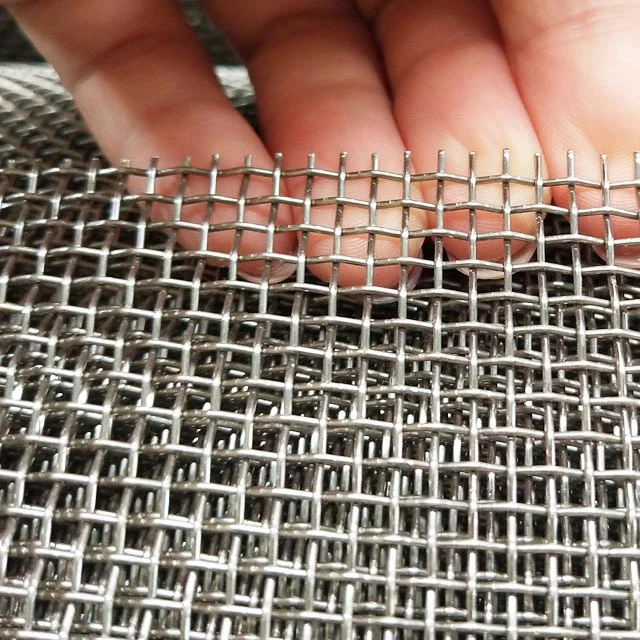
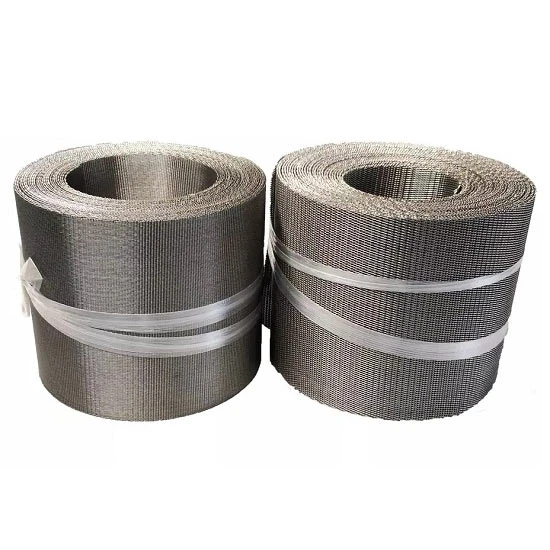
At its core, a stainless steel mesh tube is a cylindrical framework woven or perforated from stainless steel wire, designed to allow fluid or air flow while providing mechanical strength and filtration. Think of it as a protective sieve that simultaneously resists corrosion, withstands temperature swings, and supports pressure—all wrapped into a neat tube form that fits snugly wherever filtration or protection is required.
In modern industry, these tubes serve as the backbone for systems requiring contaminant separation, structural reinforcement, or even acoustic management. On a humanitarian note, in initiatives such as clean water projects or disaster relief infrastructure, their robustness means less downtime and longer service cycles. That’s quite a feat for something that, at first glance, looks like a fancy piece of metal fencing.
Key Aspects of Stainless Steel Mesh Tubes
Durability and Corrosion Resistance
The stainless steel alloy composition—often grades 304 or 316—ensures exceptional resistance to rust and chemical degradation. In environments like saltwater exposure or acidic waste streams, this property isn’t just convenient; it’s essential to system reliability.
Filtration Efficiency
The mesh size and weave pattern directly impact particle retention and flow rate. Engineers can specify mesh apertures from microns to millimeters, controlling precisely what enters downstream equipment. Oddly enough, tiny adjustments here cascade into huge savings by protecting pumps or valves from damage.
Mechanical Strength and Structural Integrity
It's not just about filtering; these tubes also often act as structural supports, particularly in large filtration systems or as protective coverings. The balance between wire thickness and mesh density is a tradeoff that designers carefully fine-tune.
Cost Efficiency Over Time
While stainless steel mesh tubes tend to have a higher upfront cost compared to plastic or less durable alternatives, their longevity and minimal maintenance needs more than offset initial investments. Many facility managers appreciate the "fit and forget" feel they get with robust materials.
Where Do Stainless Steel Mesh Tubes Come Alive? Real-World Applications
From the deserts of the Middle East to industrial hubs in Germany and Japan, stainless steel mesh tubes see use daily. Here’s a quick peek at key sectors:
- Water and Wastewater Treatment: Serving as strainers and filters in municipal plants, they keep sand, rust, and debris out, ensuring cleaner water delivery.
- Oil and Gas Industry: Offshore rigs rely on these mesh tubes to filter particulates from drilling fluids and protect sensitive instruments in harsh conditions.
- Automotive Manufacturing: Filtration systems for paints and lubricants incorporate these tubes for consistent particle-free flow.
- Food & Beverage: Food processing lines utilize fine mesh tubes to guarantee safety without sacrificing flow rates.
- Emergency & Disaster Relief: Portable water purification units benefit from stainless steel mesh tubes for rapid set-up and durability.
One example I came across involved a remote industrial site in Canada, where operators switched to stainless steel mesh tubes after repeated failures with plastic filters. The result? Fewer shutdowns and a noticeable drop in maintenance hours.
Advantages and Long-Term Value of Stainless Steel Mesh Tubes
Beyond the obvious durability, these tubes represent long-term investments that deliver consistent performance and sustainability. Maintenance teams enjoy fewer replacements and easy cleaning procedures, while environmental goals align thanks to their recyclability and resistance to chemical breakdown.
Emotionally, companies gain trust from clients when their equipment consistently performs without hiccups. There’s reassurance in visible quality—the gleaming stainless steel itself sends a signal of professionalism. As innovation accelerates, relying on solid fundamentals like stainless steel mesh tubes provides a steady footing.
Product Specification Table
| Specification | Details |
|---|---|
| Material Grade | 304, 316 Stainless Steel |
| Mesh Size Range | 20 to 400 mesh (0.063mm to 0.85mm aperture) |
| Diameter Range | 6 mm to 500 mm |
| Max Operating Temp. | 400°C (Gradually varies by alloy) |
| Typical Applications | Filtration, structural supports, acoustic dampeners |
Comparing Vendors: What To Look For
| Feature | Vendor A | Vendor B | Vendor C |
|---|---|---|---|
| Material Certifications | ISO 9001, ASTM | ISO 14001 | ASTM A249, CE |
| Customization Options | Wide mesh sizes, diameter | Standard sizes only | Custom length & coatings |
| Lead Time | 2-3 weeks | 1 week | 3-4 weeks |
| Price Range | $$ | $ | $$$ |
| Technical Support | 24/7 support | Business hours only | Dedicated engineer available |
What’s Next? Future Trends Around Stainless Steel Mesh Tubes
The future feels ripe with innovation. Researchers and manufacturers are exploring nano-coatings to boost corrosion and fouling resistance. Digital monitoring integrated with mesh tube installations—think smart sensors to detect clogging or wear in real time—is moving from concept to standard practice.
Oddly enough, sustainability is also pushing factories to rethink materials. While stainless steel is already recyclable, advances in alloy formulations aim to reduce reliance on scarce elements like nickel. That’s a small socket of change with potentially huge knock-on effects.
Challenges and How Industry Experts Solve Them
It’s not all perfect. One challenge is that stainless steel mesh tubes, if improperly cleaned or installed, can clog or corrode in unexpected ways. Also, the upfront cost can deter small operations, even if savings accrue long term.
Industry experts usually recommend detailed flow analysis and material testing before deployment. New cleaning methods, including ultrasonic and chemical-free processes, help extend tube lifespan. And flexible financing models or vendor leasing have made upgrades more accessible.
FAQ: Your Stainless Steel Mesh Tube Questions Answered
- What makes stainless steel mesh tubes better than plastic alternatives?
- Stainless steel mesh tubes offer superior durability, high temperature resistance, and corrosion protection compared to plastic. Though the upfront cost is higher, their longevity and ability to withstand harsh industrial environments often reduce long-term maintenance and replacement expenses.
- How customizable are stainless steel mesh tubes?
- Very customizable! Sizes, mesh apertures, alloy grades, and tube lengths can be adjusted to fit specific industrial needs, from fine filtration in the food industry to rugged structural applications offshore.
- Are stainless steel mesh tubes environmentally friendly?
- Yes. Stainless steel is highly recyclable, and its durability means fewer replacements and waste. Advances in manufacturing are further refining sustainability, using less energy and reducing emissions during production.
- How do I choose the right stainless steel mesh tube supplier?
- Consider certifications (like ISO or ASTM), customization capabilities, lead times, price, and the level of technical support. It’s also wise to review case studies or client feedback to ensure reliability.
- Can stainless steel mesh tubes be used in disaster relief water purification?
- Absolutely. Their strength and corrosion resistance allow for rapid deployment in portable filtration units, helping supply clean water in challenging conditions with minimal maintenance.
— Written with insights from industry reports and ISO standards for filtration and materials.
References
Post time: Nov . 30, 2025 10:35