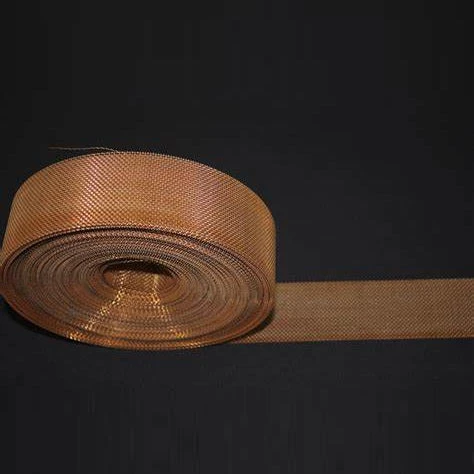

Understanding the Role of 304 Stainless Steel Mesh Screen in Modern Industry
At first glance, a 304 stainless steel mesh screen might seem like a simple, everyday material—just fine wire woven together. But zoom out, and it’s surprisingly pivotal in everything from water filtration to protective barriers in heavy industry. Globally, this unassuming screen contributes massively to safety, sustainability, and efficiency across countless sectors. With increasing demand for durable, corrosion-resistant materials, 304 stainless steel mesh is gaining attention for its versatility and performance.
Why does this matter on a global scale? Well, industries from oil rigs off the coast of Brazil to hospitals in Europe all depend on filtering and safety solutions without contamination or degradation. The right mesh screen essentially safeguards processes—and sometimes lives—by ensuring only specified particles pass through filters or lines. Understanding this product's properties and applications offers clear insight into many supply chains and infrastructure tech worldwide.
Why 304 Stainless Steel Mesh Screen Matters Globally
The global market for stainless steel mesh screens is expanding, projected at roughly a CAGR of 6-7%, supported by rising industrialization and stringent quality standards across regions (according to ISO guidelines on filtration and mesh quality). The World Bank notes increased infrastructure investments worldwide—much of which requires reliable filtration and safety meshes. And with sustainability goals in mind, reusability and corrosion resistance have never been more critical.
Still, challenges remain. Corrosion, mechanical stress, and contamination risk continuously push manufacturers to improve materials. That’s where the balance of chemical composition and weaving technique in a 304 stainless steel mesh screen becomes a key solution.
What Exactly Is a 304 Stainless Steel Mesh Screen?
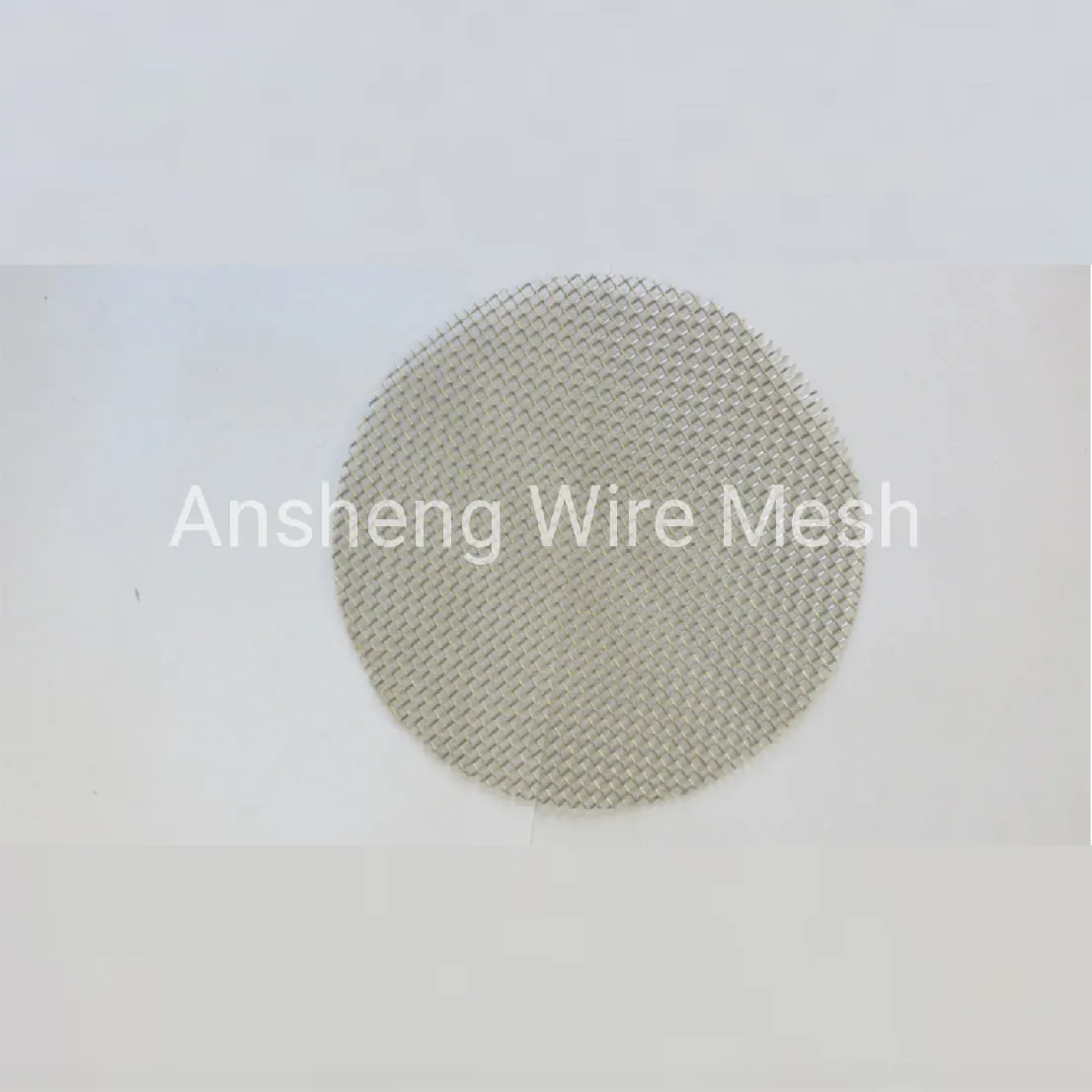
Simply put, a 304 stainless steel mesh screen is a network of crisscrossed wires made from 304-grade stainless steel, which generally contains 18-20% chromium and 8-10.5% nickel. This gives it a solid resistance to rust and oxidation—no small feat when you think of it being exposed to water, chemicals, or extreme environments all day long.
Industries rely on this specific mesh because it won’t easily corrode, stays structurally sound, and can be tailored in terms of weave tightness, wire diameter, and mesh size for multi-purpose uses. It’s become somewhat of a backbone for filtration in water treatment, gas extraction, food processing, and even in humanitarian aid sectors, where clean water and air are critical.
Key Characteristics of 304 Stainless Steel Mesh Screens
Corrosion Resistance
The chromium and nickel content means the mesh resists rust and oxidation even when regularly exposed to moisture or chemicals—an absolute must if you’re using it in water filtration systems or coastal industrial environments.
Durability and Strength
Wire diameter and weaving technique result in a tough but flexible screen that doesn’t easily deform under strain or vibration. This makes it ideal for long-term use in heavy machinery or construction scaffolding.
Versatility and Customization
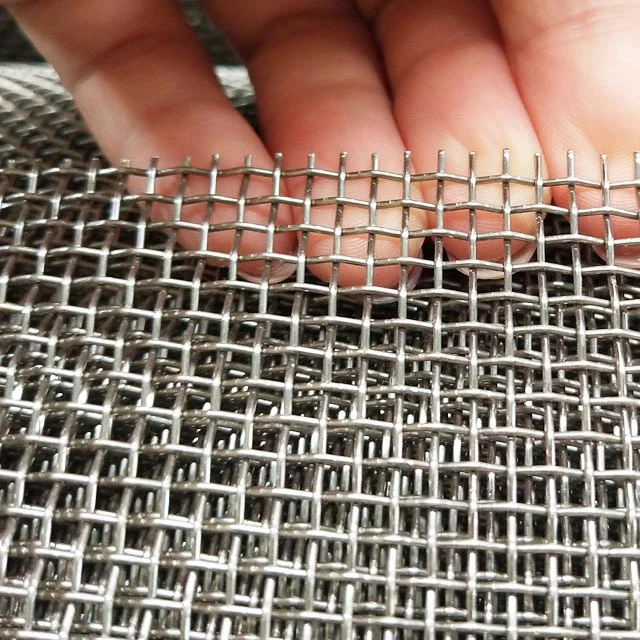
Manufacturers can vary the mesh size (the number of openings per inch), wire thickness, and weave patterns (plain, twill, dutch) to precisely fit different filtration or protection needs.
Thermal and Chemical Stability
The metal can withstand temperatures from cryogenic lows to high-heat industrial processes, making the mesh suitable in aerospace or food processing where temperature fluctuations are routine.
Cleanability and Hygiene
304 stainless steel doesn’t absorb contaminants, making it easy to clean and sanitize, which is why it’s so popular in medical and food applications.
Delivering Solutions Worldwide: Applications of the 304 Stainless Steel Mesh Screen
In real-world terms, you’ll find these meshes installed in:
- Water treatment plants: Filtering contaminants to provide clean drinking water, critical in every city worldwide.
- Oil and gas industries: Separating particles in harsh environments, like offshore rigs where every gram of debris can threaten safety.
- Food processing and pharmaceuticals: Preventing contamination during various production stages to meet strict hygiene regulations.
- Construction safety: Serving as protective barriers and scaffolding overlays for durability under weather stress.
- Humanitarian efforts: In disaster or refugee relief, ensuring water and air filtration setups can endure rough conditions sustainably.
For example, after flooding in Southeast Asia, relief organizations used 304 stainless steel mesh screens in temporary water purification to guarantee safe drinking water for thousands. Oddly enough, the choice of mesh type made a big difference in preventing disease outbreaks.
Product Specification Table
| Feature | Specification | Notes |
|---|---|---|
| Material Grade | 304 Stainless Steel | Austenitic stainless steel |
| Mesh Count (Openings per inch) | 10 to 400+ | Customizable based on filtering needs |
| Wire Diameter | 0.08mm to 3.0mm | Affects strength and flexibility |
| Tensile Strength | ~515 MPa | Adequate for harsh environments |
| Corrosion Resistance | High | Resists oxidation & rust formation |
| Temperature Range | -196°C to 800°C | Suitable for wide thermal applications |
Comparing Leading Vendors of 304 Stainless Steel Mesh Screens
| Vendor | Product Range | Customization Capabilities | Lead Time | Global Reach |
|---|---|---|---|---|
| Ansheng Filter Screen | Wide (10-400 mesh sizes) | High - custom weaving & sizes | 2-4 weeks | Asia, Americas, Europe |
| StainlessPro Ltd. | Medium (20-300 mesh sizes) | Moderate - standard meshes | 3-5 weeks | Primarily Europe |
| GlobalWeave Inc. | Extensive (5-500 mesh sizes) | High - industrial & specialty | 4-6 weeks | Worldwide |
Advantages and Long-Term Value of 304 Stainless Steel Mesh Screens
The benefits ripple through every angle—from cost-effectiveness due to long lifespan to sustainability via reusability. The corrosion resistance dramatically cuts replacement frequency, which is crucial when downtime costs run high. From a social perspective, the reliability of these meshes in clean water initiatives directly supports health and dignity globally.
Innovation here isn’t just about high tech but trustworthiness. Many engineers say you can’t afford to cut corners when contaminants or hazardous particles are involved—that’s where 304 stainless steel mesh truly outperforms.
Looking Ahead: Trends and Innovations in Mesh Screen Technology
Where’s this heading? Think about integrating smart coatings for anti-microbial surfaces, or hybrid meshes mixing stainless steel with nano-materials for ultra-fine filtration. Green manufacturing processes aim to reduce environmental footprints even further, while IoT sensors may someday monitor mesh integrity in real-time, predicting wear before failure.
These steps seem distant but are closer than you’d think. Industry experts are already solving chronic issues like clogging and cross-contamination through innovations layered atop the trusted 304 stainless steel mesh screen foundation.
Common Challenges and How to Address Them
Of course, no solution is magic. The major challenges boil down to:
- Clogging under high particulate loads: Can reduce throughput efficiency.
- Cost and lead-time concerns for custom specs: Slower projects if specifications aren’t nailed down early.
- Wear from mechanical abrasion: Especially in abrasive environments.
Solutions? Well, many users combine mesh screens with optimized pre-filters, phased maintenance schedules, and source material selection wisely. Choosing experienced vendors with customization prowess helps, too—since they can guide the exact mesh weave needed to balance strength and filtering power.
Frequently Asked Questions About 304 Stainless Steel Mesh Screens
- What makes 304 stainless steel mesh screen better than other grades?
- 304 combines excellent corrosion resistance with mechanical strength for broad applications. It resists rust and oxidation easily compared to common stainless steel grades like 201 or 202—meaning it lasts longer in demanding environments without needing constant replacement.
- How customizable is 304 stainless steel mesh screen?
- Manufacturers offer various mesh counts, wire diameters, and weave patterns—enabling tailored solutions for specific filtration or protection needs. Whether you need ultra-fine filtering or a sturdy safety barrier, there’s a customization option.
- Can 304 stainless steel mesh screen withstand extreme temperatures?
- Yes, it performs well from cryogenic temperatures (-196°C) up to 800°C, making it suitable for many industrial and food-grade applications without losing strength or corrosion resistance.
- Are these meshes recyclable or environmentally friendly?
- Absolutely. Stainless steel is 100% recyclable without quality loss, supporting circular economy principles. Using durable mesh also reduces waste by extending service life.
- How do I ensure quality when sourcing 304 stainless steel mesh screens internationally?
- Look for ISO-certified vendors with transparent specification sheets and product testing results. Established suppliers like Ansheng Filter Screen provide customized documentation and ensure compliance with global standards.
In Conclusion: The Enduring Value of the 304 Stainless Steel Mesh Screen
Summing it up, the 304 stainless steel mesh screen is far more than a "mesh." It’s a durable, adaptable linchpin that keeps industries clean, safe, and efficient around the world. Whether paired with humanitarian relief efforts, cutting-edge industrial filtration, or everyday safety, it offers a reliable material solution resistant to corrosion, abrasion, and time.
If you’re considering investing in these screens for your project or operation, diving into the specs and vendor capabilities will pay off. For trusted quality and expertise, don’t hesitate to visit our website and explore the variety of 304 stainless steel mesh screen options available.
After all, when it comes to performance and longevity, it’s those tiny wires woven together that really hold everything in place.
References
Post time: Nov . 30, 2025 12:15