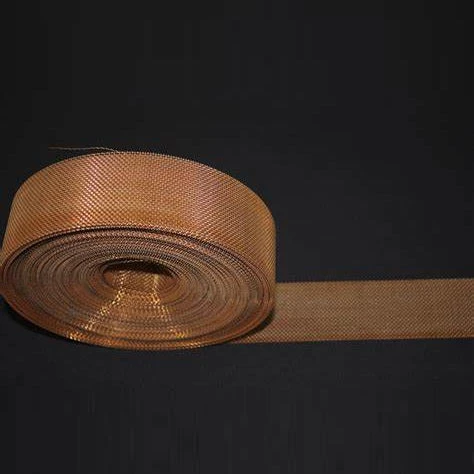

A Closer Look at Thin Metal Mesh: Versatile Solutions for a Complex World
Thin metal mesh might not be the everyday phrase that pops up at dinner parties, yet it quietly holds profound global significance. From intricate industrial applications to humanitarian needs in disaster zones, this delicately engineered material acts as a backbone for filtering, shielding, and structuring. Understanding its nuances is more than just a technical pursuit; it’s about unraveling solutions that impact sustainability, health, safety, and innovation worldwide.
Before we dive in, here’s a quick mini takeaway: thin metal mesh is everywhere, silently shaping industries and improving lives by blending durability with precision.
Global Context: Why Thin Metal Mesh Matters Now More Than Ever
The World Bank estimates that over 70% of manufacturing supply chains lean heavily on filtration and protective materials, with thin metal mesh prominently among them. This mesh’s adaptability meets the pressing needs of sectors from environmental controls to health services. Even the United Nations highlights mesh-based technologies as key components in sustainable infrastructure, especially where water treatment or air quality is concerned.
One global challenge it directly addresses is the ever-growing demand for efficient, cost-effective filtration that meets strict environmental standards. Consider water purification efforts in South Asia or the Middle East where thin metal mesh components play critical roles. Without such materials, clean water access could remain a pipe dream for millions.
Mini takeaway: Thin metal mesh is a quiet warrior in sectors grappling with resource scarcity and environmental challenges worldwide.
Defining Thin Metal Mesh: What Is It Exactly?
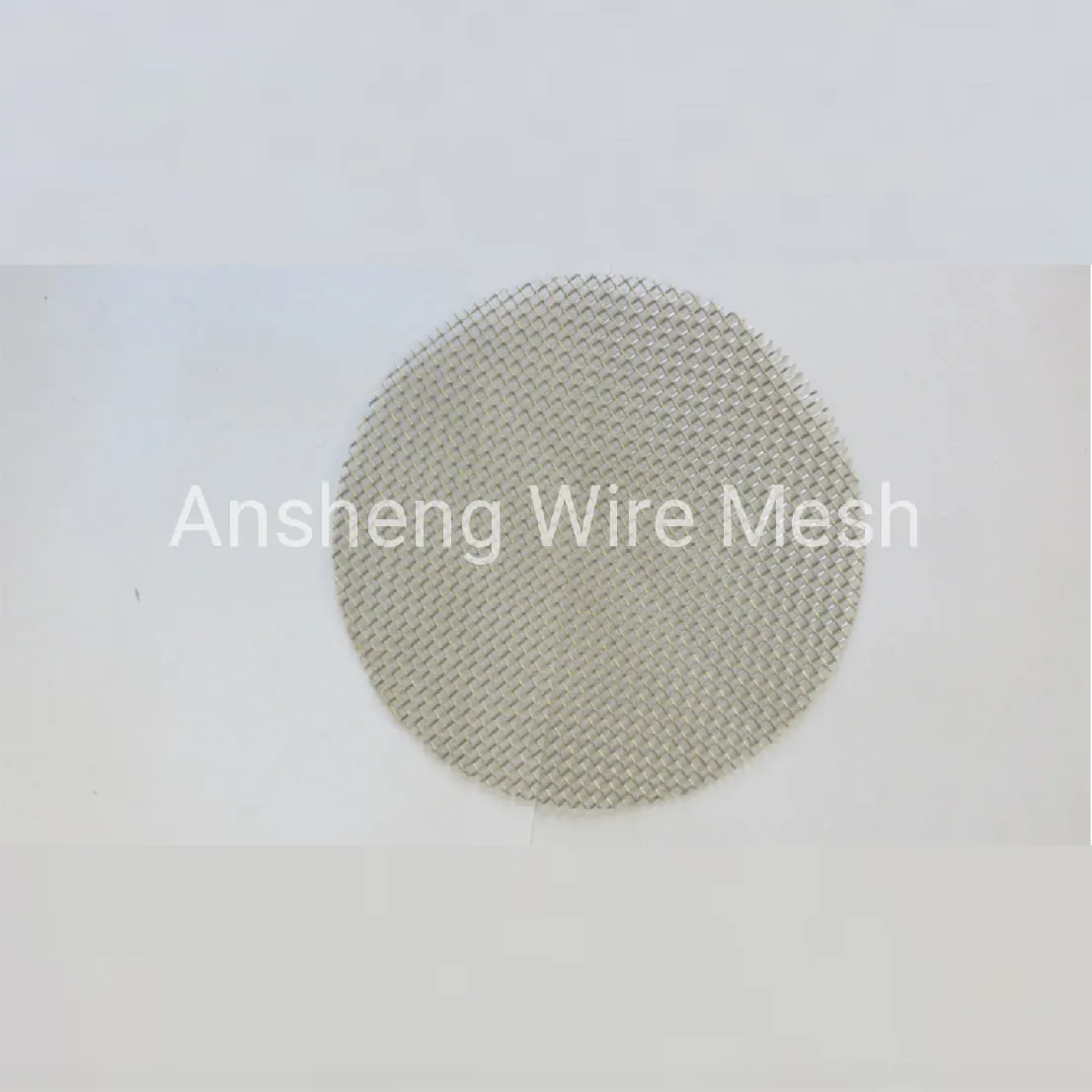
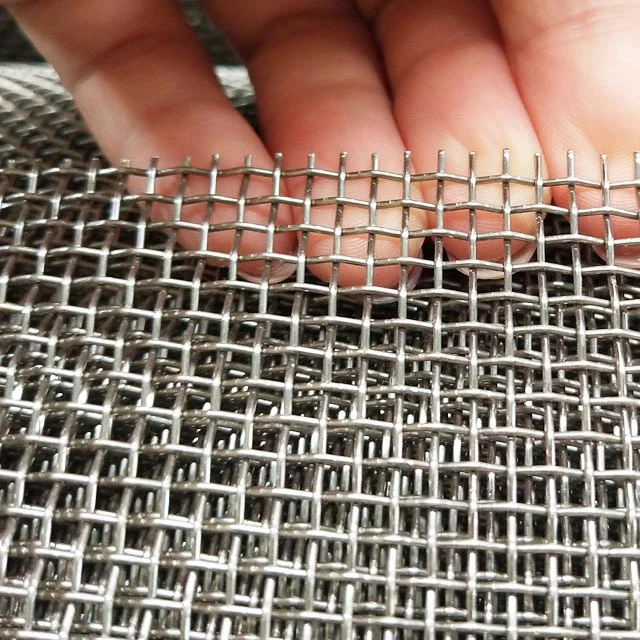
Simply put, thin metal mesh consists of finely woven or perforated metallic strands that form a durable, flexible grid or net. These grids can range from stainless steel to nickel, copper, or aluminum, and their thinness allows for intricate filtering or protection while preserving strength.
In industry or humanitarian settings, thin metal mesh ties directly to functions like filtration of contaminants, electromagnetic shielding, or physical protection. It’s a material that harmonizes physical robustness with microscopic precision—a rare combo that makes it invaluable.
thin metal mesh is also pivotal in high-tech fields like aerospace, electronics, and medical devices, demonstrating just how interconnected modern challenges are with materials science.
Core Components: What Makes Thin Metal Mesh So Effective?
1. Durability
Despite being “thin,” these meshes resist corrosion, tensile stress, and abrasion, often due to stainless steel or treated alloys. That durability is a necessity in demanding environments like marine filters or industrial dust collectors.
2. Precision
The mesh size and weave type can be customized down to microns, allowing selective filtration—from coarse debris blocking in construction to ultrafine particles trapped in pharmaceutical production.
3. Scalability
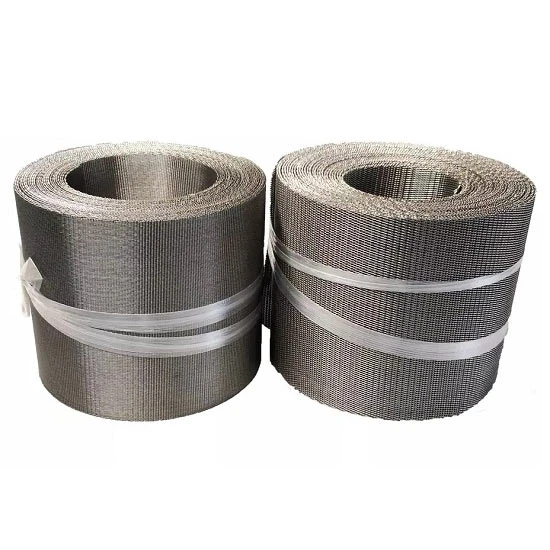
Whether you need square meters of it for factory settings or small, intricate mesh filters for lab instruments, the manufacturing process scales remarkably well, keeping costs reasonable.
4. Cost Efficiency
Compared to alternatives like ceramic or polymer filters, metal mesh is often more durable and easier to clean or reuse, resulting in long-term savings—especially in industrial contexts.
5. Chemical Resistance
This is critical where exposure to acids, bases, or solvents could otherwise degrade filter media or shielding components.
These factors combine to explain why so many engineers prefer thin metal mesh for heavy-duty tasks where reliability is non-negotiable.
From Mountains to Marinas: Real-World Applications
- Water Treatment Plants: Thin metal mesh filters out sediment and microbiological contaminants worldwide, notably in sub-Saharan Africa where water infrastructure often depends on robust, reusable filtration.
- Electronics Manufacturing: Used for electromagnetic interference (EMI) shielding, ensuring sensitive devices maintain integrity amid all the digital noise.
- Automotive Industry: Engine filters, exhaust parts, and ventilation systems benefit greatly from mesh durability.
- Post-Disaster Relief: Lightweight yet strong mesh panels can quickly convert into filtering setups, protective enclosures, or even modular shelter components in crisis zones.
- Architectural Design: Increasingly used in facades and sunscreens, offering airflow without sacrificing security or aesthetics.
I noticed that in remote industrial hubs—think Arctic drilling platforms or desert solar farms—thin metal mesh often plays a quiet but critical role, holding up under harsh conditions where failure simply isn’t an option.
Mini takeaway: The versatility of thin metal mesh means it’s part of everyday solutions in wildly varied landscapes and industries.
The Advantages: Why Choose Thin Metal Mesh?
Cost-wise, the reusability and low maintenance trump many “disposable” counterparts, reducing total operational expenses. From a sustainability perspective, many meshes are recyclable and crafted from metals with circular economy potential.
Socially and emotionally, there’s satisfaction in using materials that enhance safety, from cleaner water to durable shelter components in natural disaster zones. It builds trust in technologies that protect human health and livelihoods.
Technically speaking, low weight combined with strength translates into easier shipping and installation—an advantage not to be overlooked.
Innovations Shaping the Future of Thin Metal Mesh
Ongoing research is pushing boundaries: ultrafine meshes capable of trapping nanoscale particles, bio-compatible meshes for implantable devices, and even electrically conductive meshes assisting in green energy solutions like flexible solar panels.
Moreover, digital manufacturing and AI-driven customization promise rapid prototyping of mesh tailored exactly to application-specific criteria. Imagine ordering a mesh with exact filter size, tensile strength, and corrosion resistance designed and shipped within a week.
Governments and standard organizations like ISO now emphasize sustainability certifications, pushing manufacturers toward greener production methods—meaning tomorrow’s thin metal meshes will not only perform better but have a lighter environmental footprint.
Common Challenges & How Experts Address Them
- Clogging and Fouling: Meshes sometimes get blocked, reducing efficiency. The solution often involves surface treatments, ultrasonic cleaning, or integrating self-cleaning coatings.
- Material Fatigue: Continuous stress in certain environments causes wire breakage over time; choosing alloys with higher fatigue resistance or hybrid meshes helps mitigate this.
- Cost for Custom Orders: Custom-sized or specialty alloy meshes can be pricier. Bulk ordering or modular designs reduce expenses without sacrificing performance.
Ultimately, these challenges push innovation, driving new methods rather than halting progress.
FAQ: Your Top Questions About Thin Metal Mesh
Q1: What industries benefit most from thin metal mesh?A1: Industries like water treatment, automotive, electronics, and construction heavily use thin metal mesh, particularly where filtration, shielding, or ventilation are key. Its flexibility allows custom fits across many sectors.
Q2: How does thin metal mesh compare to polymer-based filters?
A2: Metal mesh is generally more durable, heat-resistant, and easier to clean, which makes it better for industrial or harsh environments. However, polymers might be cheaper and suited for lower-stress uses.
Q3: Can thin metal mesh be recycled?
A3: Yes, most metal meshes, especially stainless steel, are recyclable. This supports sustainable manufacturing and waste reduction goals.
Q4: Is customization available for specific applications?
A4: Absolutely. Manufacturers produce thin metal mesh in various alloys, mesh sizes, thicknesses, and weave types tailored to client needs.
Q5: How do I ensure quality when importing mesh internationally?
A5: Choose suppliers that comply with ISO standards, provide material certifications, and have robust quality checks. Contracts and third-party inspections also help.
Product Specifications: Typical Thin Metal Mesh Features
| Specification | Details |
|---|---|
| Material | Stainless Steel 304, 316; Nickel; Aluminum |
| Mesh Size | 5 to 400 microns |
| Thickness | 0.02 mm to 0.5 mm |
| Tensile Strength | Up to 400 MPa (varies by alloy) |
| Corrosion Resistance | Excellent (especially SS 316) |
| Standard Widths | 1m to 3m (custom cuts available) |
Vendor Comparison: Leading Thin Metal Mesh Suppliers
| Supplier | Materials Offered | Customization | Quality Certifications | Typical Lead Time | Global Reach |
|---|---|---|---|---|---|
| Ansheng Filter Screen | SS 304, 316; Nickel, Alloy 20 | High (custom meshes and shapes) | ISO 9001, CE | 2-3 weeks | Worldwide |
| MeshTech Solutions | Aluminum, SS 304 | Medium (standard options) | ISO 14001 | 3-4 weeks | Asia, Europe |
| Global Mesh Corp | Copper, Nickel, SS 316 | High | ISO 9001, RoHS | 4 weeks | Americas, Europe, Asia |
Wrapping Up: Why Thin Metal Mesh Is Worth Your Attention
In real terms, thin metal mesh isn’t just another industrial component—it’s a bridge between precision engineering and everyday challenges like clean water and reliable electronics. It combines adaptive design, sustainability, and resilience in one package. Wherever you look—from remote water plants to high-tech factories—it quietly delivers solutions.
If you’re looking to understand or implement the best quality thin metal mesh, your search ends with trusted suppliers who combine innovation with experience. After all, the mesh between us and progress is often just a layer of woven metal—intricately thin, yet endlessly strong.
Feel free to visit Ansheng Filter Screen for tailored products, expert advice, and real-world solutions.
References:
Post time: Nov . 30, 2025 09:00