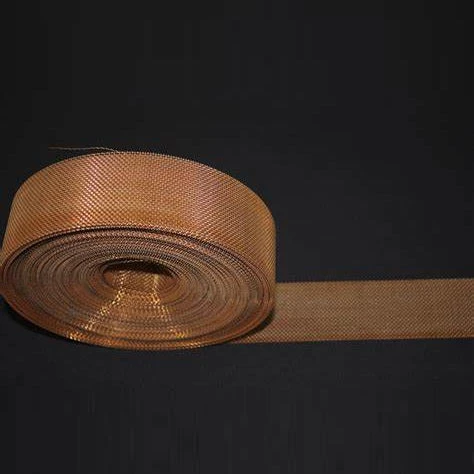

Understanding Stainless Steel Bird Mesh: Why It Matters Globally
When you hear "stainless steel bird mesh," you might picture a simple mesh fence keeping pesky birds away from your garden. But in reality, this mesh is far more than just a bird deterrent. Globally, its role extends deeply into protecting infrastructure, preserving food supplies, and supporting safety in both urban and remote environments. Knowing about stainless steel bird mesh gives insight into a product that quietly but effectively solves a diverse set of challenges — from preventing costly structural damage caused by birds to ensuring hygiene in food processing areas.
Its significance is growing, especially as more industries seek sustainable, durable, and maintenance-friendly solutions for pest control and protective screening. And frankly, understanding its design and applications helps businesses make smarter procurement choices with long-term benefits.
The Global Context of Stainless Steel Bird Mesh
Globally, birds pose a significant threat to infrastructure. According to the United Nations Environment Programme (UNEP), urban bird infestations cause millions of dollars in damage annually—through fouling, nesting in ventilation ducts, and even electrical failures due to nests in power stations.
Transport hubs, food production plants, historical buildings, and even airports face challenges controlling bird access without harming the animals—pushing demand toward humane solutions like stainless steel bird mesh.
ISO standards have also stressed the importance of materials that are corrosion-resistant and safe for food and health industries, which elevates stainless steel bird mesh as a go-to solution. Frankly, the challenge is balancing cost, durability, ease of installation, and environmental responsibility — and stainless steel meshes do a good job meeting all those.
What Exactly Is Stainless Steel Bird Mesh?
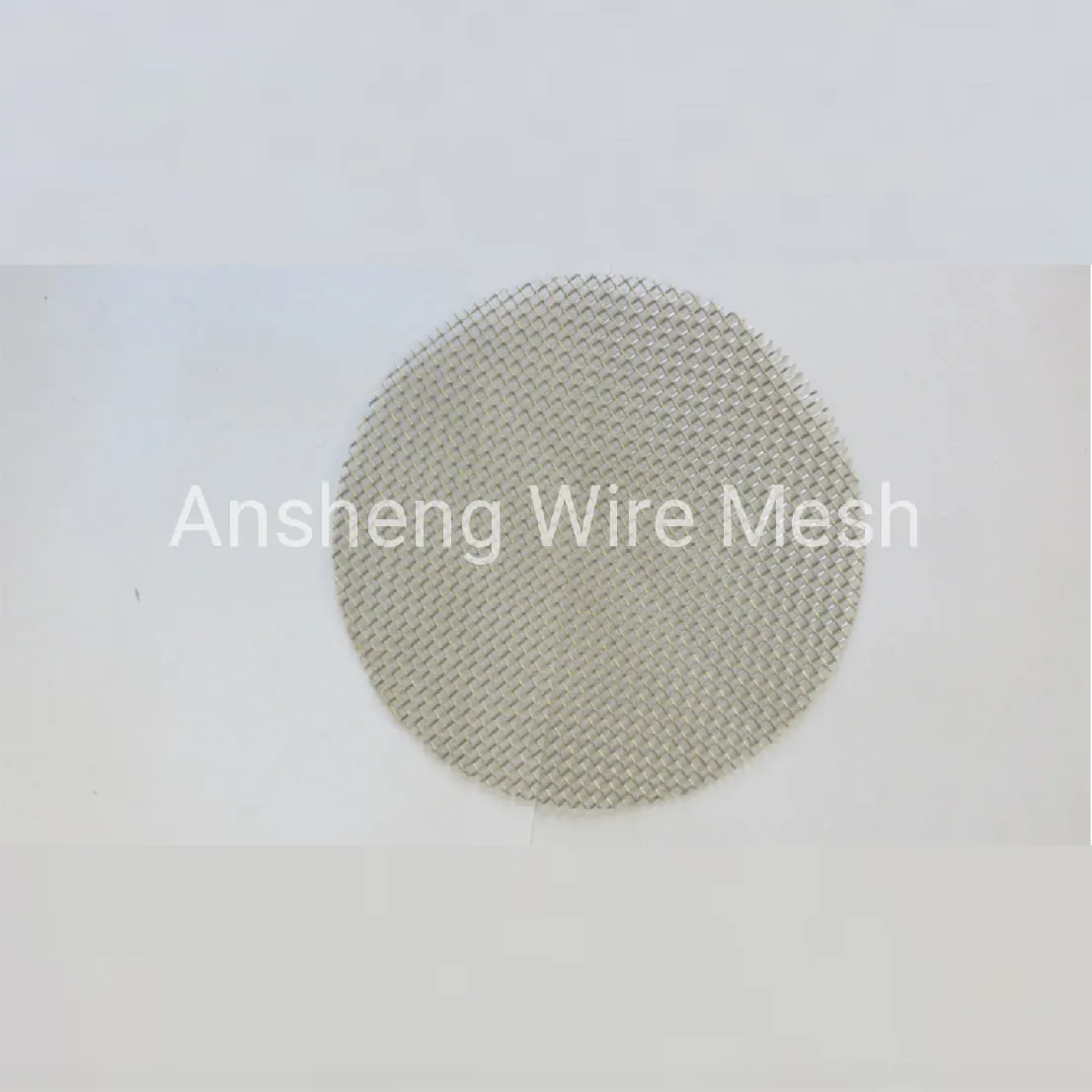
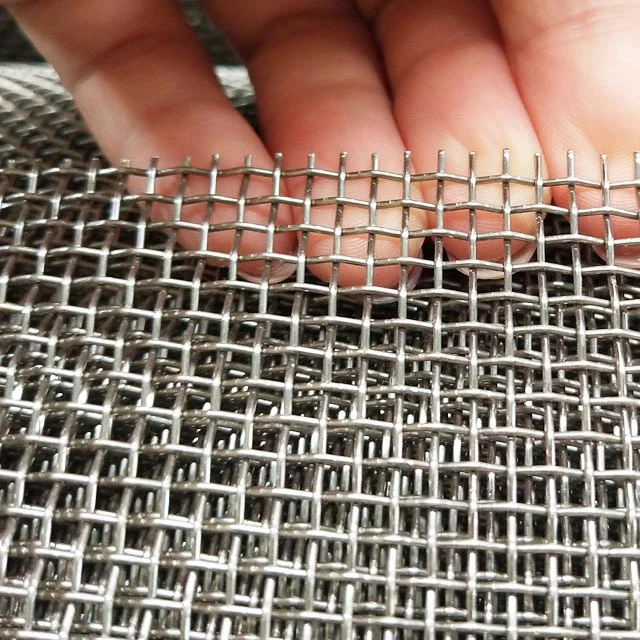
Simply put, stainless steel bird mesh is a screening product made from finely woven or welded stainless steel wires designed to block birds from accessing restricted areas. It’s corrosion-resistant and strong, allowing for long-term outdoor exposure without deteriorating.
Unlike plastic or aluminum alternatives, stainless steel meshes hold up better against weather, UV rays, pests, and even mechanical damage. This makes them critical for sectors where hygiene, robustness, and safety are top priorities—industrial plants, airports, warehouses, and even cultural heritage sites.
The beauty of this mesh lies in its simplicity but durable design — and oddly enough, such a straightforward product holds a surprisingly pivotal role in industrial and environmental health management.
Key Features of Stainless Steel Bird Mesh
1. Durability and Corrosion Resistance
The stainless steel composition (typically grades 304 or 316) resists rust and corrosion — essential when mesh is exposed to rain, salt air, or pollution. For example, coastal factories often rely on 316-grade stainless steel mesh because it withstands salty salty breezes better.
2. Wire Diameter and Mesh Size
The diameter of wires and the aperture size balance durability with effective bird exclusion. Smaller openings, for instance, keep out smaller birds like sparrows, while larger meshes suit pigeons or seagulls. The specifications often vary from 0.5mm wires with 1-2 inch openings to 1.0 mm wires with smaller apertures.
3. Ease of Installation and Scalability
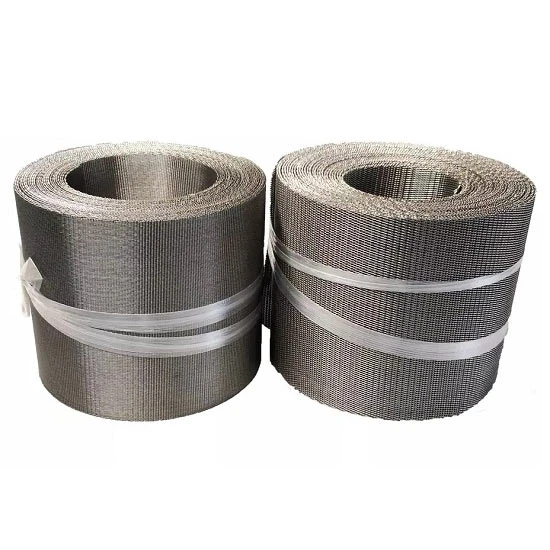
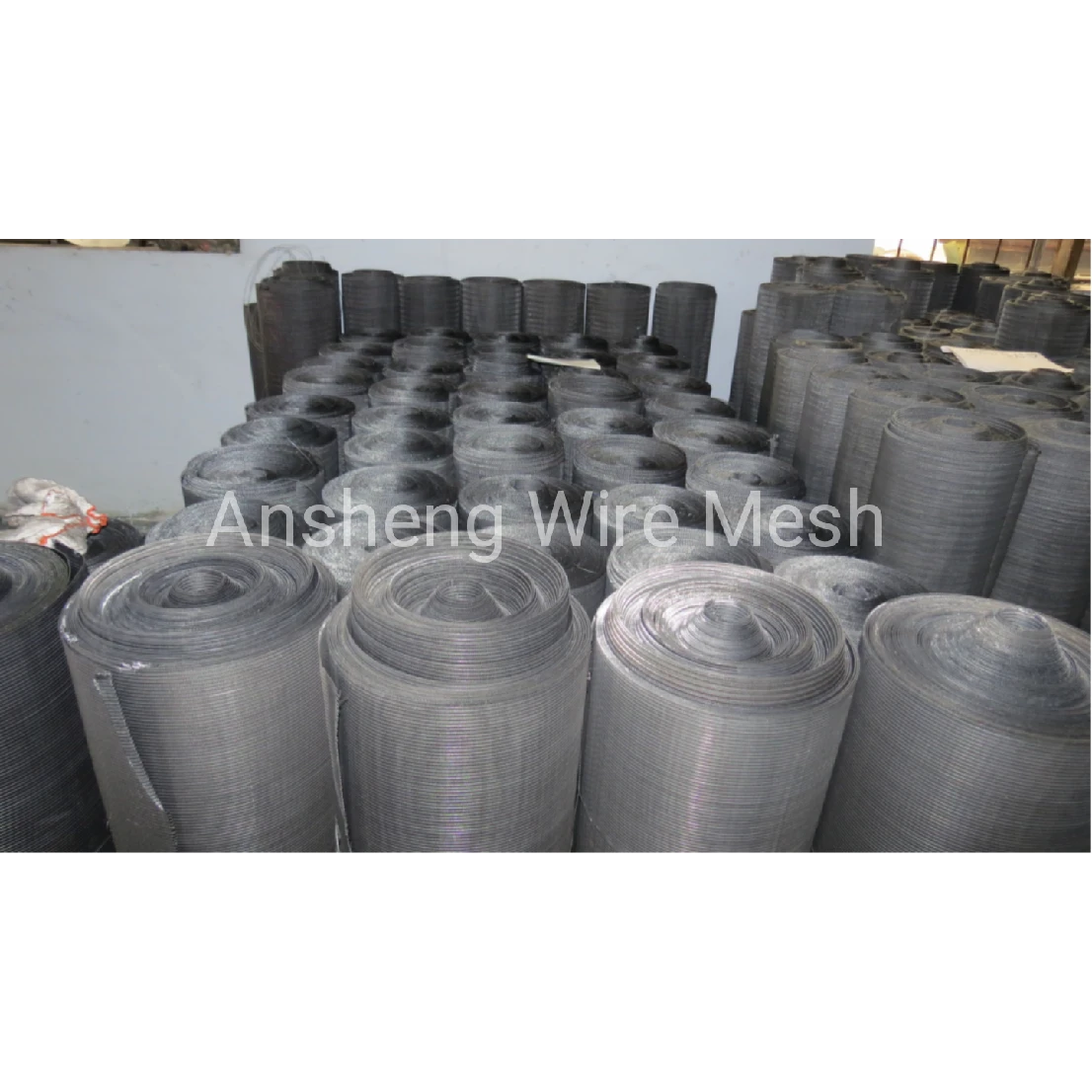
Mesh often comes in rolls or panels, allowing architects and builders to scale up or down easily as project size varies. Installation methods include mounting on frames, cables, or directly affixing to buildings.
4. Cost-Efficiency Over Time
Stainless steel bird mesh might seem pricier upfront compared to plastics, but its lifespan—sometimes 15+ years—makes it very cost-effective when maintenance and replacements are factored in.
Mini Takeaway
Stainless steel bird mesh is a no-nonsense solution combining longevity and versatility — and that’s why industries worldwide keep turning to it.
Industries and Use Cases Across the Globe
Here’s where things get interesting—stainless steel bird mesh isn’t just about birdproofing a house. Different sectors and regions have unique applications for it:
- Agriculture: Protecting grain silos and orchards against pests without using harmful chemicals.
- Food Processing: Ensuring food production plants meet stringent hygiene standards by keeping birds and insects out.
- Aviation: Airports install bird mesh to prevent dangerous bird strikes, safeguarding planes and passengers.
- Cultural Conservation: Museums and historical buildings use bird mesh to protect priceless structures from corrosive bird droppings.
- Urban Infrastructure: Ventilation ducts or building facades in cities are screened to avoid nuisance and safety hazards.
For example, in post-hurricane recovery zones in Southeast Asia, stainless steel bird mesh has been deployed to prevent birds from contaminating makeshift food stores while the community rebuilds.
Advantages That Keep Industry Moving Forward
There’s a practical side but also something a little more intuitive about why stainless steel bird mesh is a winner:
- Longevity means fewer replacements and less disruption.
- Environmental Sustainability: It’s recyclable and doesn’t leach harmful chemicals.
- Social Responsibility: Humane bird exclusion avoids harm while protecting human interests.
- Trust and Safety: Leading companies prefer proven materials for liability reasons.
- Cost Saving: Low maintenance frees up budgets for other priorities.
A Real-World Smart Choice
A packaging plant in Canada shared how switching from plastic mesh to stainless steel bird mesh cut their contamination incidents by 90% in a year — and cut costs for material disposal and replacement by almost half. That’s the kind of data that planners love.
What’s Next? Trends and Innovations
Keep an eye on these exciting developments:
- Eco-friendly coatings: To further enhance corrosion resistance without pollutants.
- Integration with IoT sensors: Some companies are experimenting with embedding sensors on mesh frames to monitor bird activity remotely.
- Automated installation robots: Cutting down labor costs and improving safety on large projects.
- Hybrid meshes: Combining stainless steel with biodegradable materials for temporary use.
It feels like the humble bird mesh might one day be smarter and greener than we imagine.
Common Challenges and Solutions
Like anything, stainless steel bird mesh has hurdles:
- Upfront Cost: Sometimes seen as expensive - but the long-term savings often outweigh the initial investment.
- Installation Complexity: Proper planning and skilled installers are a must to avoid gaps that birds exploit.
- Weight: Heavier than plastic meshes, which can be tricky on delicate facades.
Innovative solutions like modular frame kits and professional installation services address most of these—making the mesh easier to use even on older buildings.
Product Specification Table
| Specification | Value |
|---|---|
| Material Grade | 304 / 316 Stainless Steel |
| Wire Diameter | 0.5mm - 1.0mm |
| Mesh Size (Aperture) | 10mm - 50mm |
| Roll Width | 1m - 2m |
| Length per Roll | 25m - 50m |
| Weight per m² | 0.8 - 1.5 kg |
Comparing Top Vendors for Stainless Steel Bird Mesh
| Vendor | Material Grade Options | Customization | Lead Time | Price Range |
|---|---|---|---|---|
| Ansheng Filter Screen | 304, 316 | Wire diameter, mesh size, roll length | 2-3 weeks | Moderate |
| Global Mesh Inc. | 304 only | Limited | 4 weeks | Low |
| EcoGuard Mesh | 316, Specialty Coated | Custom coatings available | 3 weeks | High |
Frequently Asked Questions About Stainless Steel Bird Mesh
Q1: How long does stainless steel bird mesh typically last outdoors?
Most stainless steel bird meshes, especially grades 304 and 316, can last 15 to 20 years if properly installed and maintained. Factors like coastal salt spray or industrial pollution can shorten this lifespan, but proper grade selection mitigates those risks.
Q2: Can stainless steel bird mesh be customized for different bird species?
Absolutely. By adjusting wire diameter and mesh aperture size, the mesh can exclude everything from small sparrows to larger gulls. This makes it versatile for many environments and bird control needs.
Q3: Is stainless steel bird mesh safe for food processing plants?
Yes, it’s an ideal choice for food industry applications because it meets hygiene standards and won’t rust or contaminate food products. It also withstands frequent cleaning and sanitization.
Q4: How difficult is it to install stainless steel bird mesh on existing buildings?
Installation complexity depends on the structure and mesh configuration, but many vendors provide modular frames or cable systems that simplify retrofit projects — often without needing heavy construction.
Q5: Where can I find reliable suppliers of stainless steel bird mesh?
You’ll want manufacturers with ISO certifications and strong quality guarantees. For example, Ansheng Filter Screen offers certifications and customization for wide-ranging industrial needs.
Wrapping Up: Why Stainless Steel Bird Mesh Is More Than Just a Screen
In the long term, investing in stainless steel bird mesh isn’t just a choice for today’s pest control — it’s a commitment to durability, sustainability, and a quieter coexistence with urban wildlife. It safeguards infrastructure and food industries while respecting environmental and humane values. For anyone exploring reliable bird deterrent options, this product ticks off almost every box.
If you want to explore high-quality options and customized solutions, feel free to visit our website and learn more.
And before I forget, after chatting with a few engineers and field workers, it’s clear that the right stainless steel bird mesh simultaneously solves practical headaches and reflects a company’s values — a win-win in today's demanding markets.
References:
Post time: Nov . 27, 2025 08:55