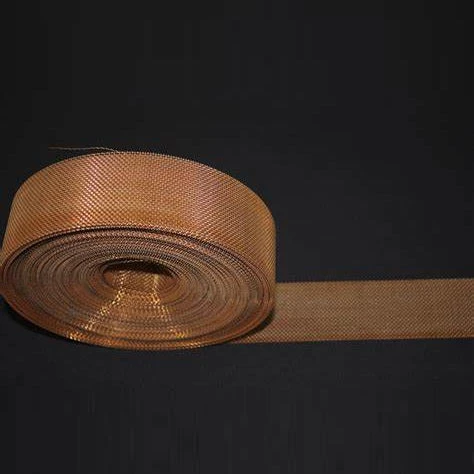

Metal Insect Mesh: A Simple Solution with Global Importance
Let’s start with a quick glance — metal insect mesh isn't just another industrial product; it plays a surprisingly vital role worldwide. At its core, this mesh acts as a shield against pesky insects, reducing disease transmission, protecting crops, and enhancing indoor air quality. Now, why does that matter? In a world battling mosquito-borne illnesses like malaria and dengue fever, and where food security is a lingering challenge, understanding metal insect mesh is a small but mighty piece of the puzzle. Plus, beyond health, this mesh has become a staple in building sustainable infrastructures and improving living conditions globally.
Why Metal Insect Mesh Matters in Today’s World
Here’s where the global context kicks in — according to the World Health Organization, malaria alone affected approximately 247 million people worldwide in recent years, causing a heavy human and economic toll. Metal insect mesh helps reduce mosquito entry into homes and workplaces, directly lowering infection rates in vulnerable regions. On the industrial side, the mesh serves as a protective barrier safeguarding storage facilities, agricultural products, and manufacturing sites, often in remote or developing regions where traditional sealing is impractical.
Yet, one of the biggest challenges is durability under harsh climates — think tropical storms or desert heat. Metal insect mesh is a clever response to this problem, marrying strength with fine mesh sizes that keep out even the tiniest intruders.
What Exactly Is Metal Insect Mesh?
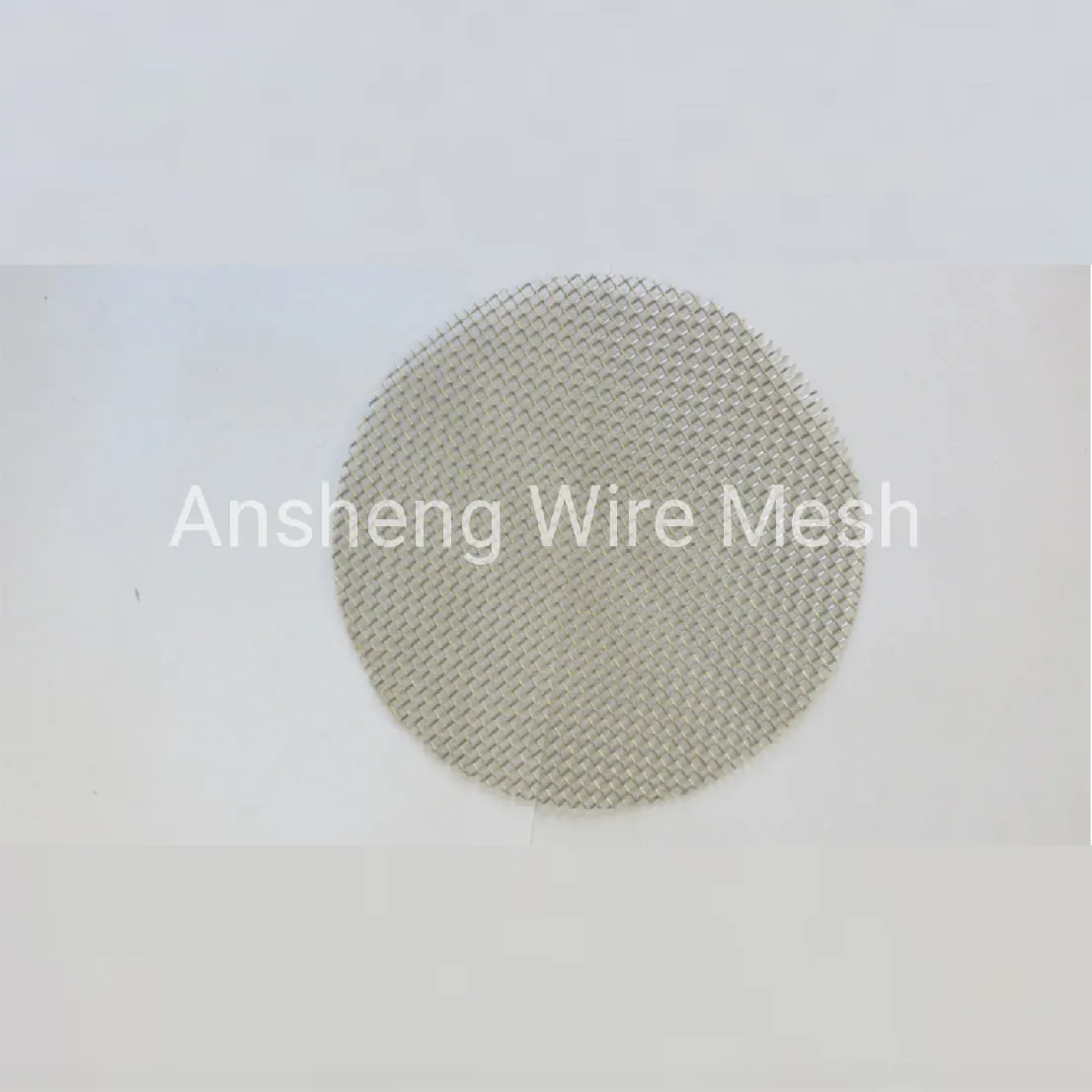
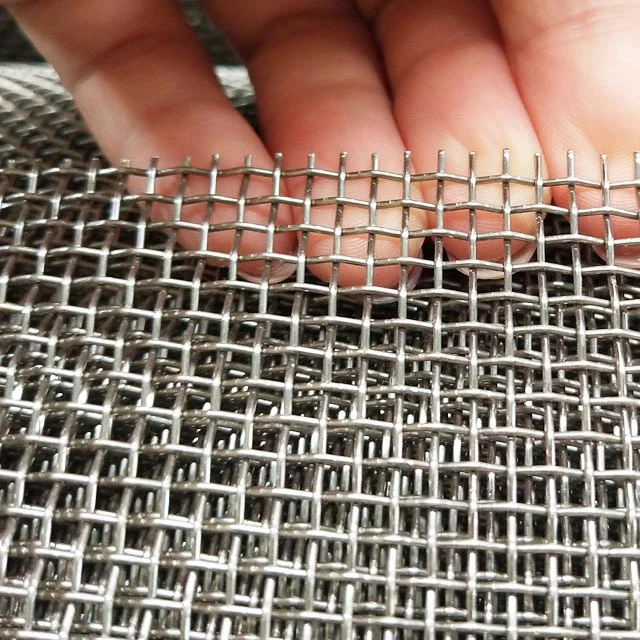
Think of metal insect mesh as a carefully woven fabric made from various metals — commonly stainless steel, aluminum, or galvanized steel — designed with a grid small enough to block insects yet large enough to allow airflow and light. It’s like a functional filter for air and environments, meeting industrial standards for strength and corrosion resistance. It's a small, simple-sounding thing, but it’s actually integral to modern industry and humanitarian efforts alike, providing both physical protection and health safeguards.
Mini takeaway:
Metal insect mesh is essentially a protective screen crafted from metal wires, combining durability and fine mesh design to serve multifaceted roles from health to industry.
Key Factors You Should Know About Metal Insect Mesh
Durability & Corrosion Resistance
Not all meshes are created equal. The choice of metal dramatically influences lifespan. Stainless steel, for example, can endure humid tropical environments without rusting, while galvanized steel offers cost-effective resistance in drier climates. This means the mesh can last years without losing its blocking power.
Mesh Size & Weave Pattern
This is the technical sweet spot. Smaller apertures keep out finer insects like sand flies or no-see-ums, but overly tight meshes can reduce airflow, which isn’t desirable in hot climates. Variations like plain weave or twill weave influence flexibility and filtration efficiency.
Scalability & Customization
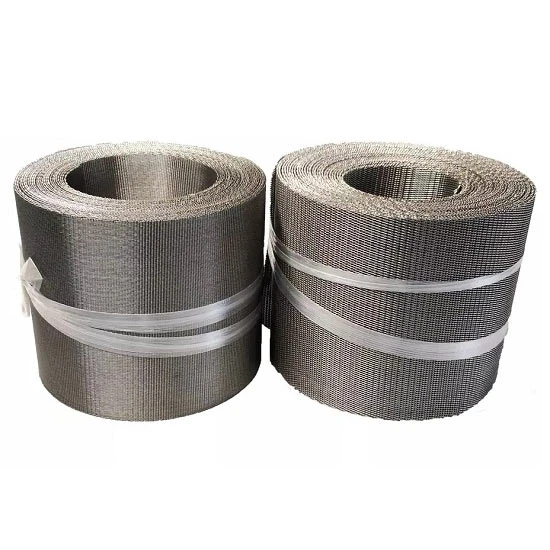
From a tiny window screen to entire industrial vents, metal insect mesh can be tailored in rolls, sheets, or panels of varying thickness and size. Manufacturers often customize based on project needs, which makes it remarkably versatile.
Cost Efficiency & Maintenance
Though upfront costs might edge higher than plastic nets, the long-term savings from durability and fewer replacements make metal insect mesh an economical choice, especially in commercial or disaster-relief applications.
Sustainability Considerations
Between recyclability and the possibility of reducing chemical insecticide use by physically barring entry, metal insect mesh fits into a greener future. Innovations are underway to use eco-friendlier coatings and production processes.
Mini takeaway:
- Durability often hinges on metal type.
- Mesh size must balance protection and airflow.
- Customization enables broad application.
- Long-term economics favor metal over plastic.
- Its sustainability potential aligns with current green goals.
Common Specifications for Metal Insect Mesh
| Specification | Typical Range | Notes |
|---|---|---|
| Material | Stainless Steel, Galvanized Steel, Aluminum | Choice affects durability & cost |
| Mesh Aperture | 0.5mm – 2mm | Smaller size blocks more insect types |
| Wire Diameter | 0.2mm – 0.5mm | Thickness relates to strength and flexibility |
| Roll Width | 1m – 2m | Common roll widths for site installation |
| Weight | 150 – 350 g/m² | Correlated with wire diameter & density |
Who’s Using Metal Insect Mesh Around the World?
Well, its uses span from humble homes to sprawling industrial complexes, and humanitarian zones too. For instance, in sub-Saharan Africa, NGOs utilize metal insect mesh to reinforce community health programs by physically reducing malaria vectors in households. Agricultural exporters in South America install these meshes in storage houses to keep produce free from contamination. On the other hand, manufacturing plants in Southeast Asia depend on sturdy metal insect mesh to meet ISO hygienic standards, preventing contamination by insects.
A neat example? After the 2019 cyclone in Mozambique, relief teams rapidly deployed shelters reinforced with metal insect mesh panels — offering refugees protection not just from rain and wind, but also from disease-carrying insects. In remote mountainous mining sites, the mesh’s ruggedness and custom sizes provide reliable ventilation screens keeping out dust and pests alike.
Mini takeaway:
Metal insect mesh finds its place in health initiatives, food security, industrial hygiene, and disaster relief — flexible enough for fields as varied as those.
Comparing Leading Metal Insect Mesh Suppliers
| Vendor | Material Options | Customization | Typical Lead Time | Price Range |
|---|---|---|---|---|
| Ansheng Filter Screen | Stainless Steel, Galvanized | Roll width, mesh size, thickness | 2-3 weeks | Mid-range |
| Global Mesh Supplies | Aluminum, Steel | Standard sizes only | 1-2 weeks | Budget-friendly |
| Eco Mesh Solutions | Recycled Steel | Custom panels & coatings | 3-4 weeks | Premium |
Why Choosing Metal Insect Mesh Is a Smart Long-Term Investment
To be blunt, metal insect mesh combines longevity with functionality. Unlike fragile plastics or fabrics, metal withstands the elements better, meaning fewer replacements and less waste. It’s not only protecting against insects but cutting down on the need for pest control chemicals, a major plus for sustainability and health. People living behind these metals often report increased peace of mind — safety can feel so intangible, but here it’s quite literal.
Economically, industrial sites save on costly contamination incidents. Locally, communities find dignity in improved living conditions. So the value is both measurable and emotional — a rare combo, really.
Where Is Metal Insect Mesh Heading Next?
Ever since the drive for sustainability hit every industry, metal insect mesh makers are exploring less energy-intensive production and eco-friendly coatings. There's some exciting work with nano-scale coatings that repel dirt and water, needing less cleaning and extending lifespan. Digital tools also help vendors offer exactly tailored products, speeding up fabrication and shipping. Possibly automation will bring even snap-on panels for easy home installation — an appealing thought for quick home upgrades or emergency shelters.
Common Challenges and How They're Tackled
Sure, metal insect mesh isn’t perfect — sometimes costs deter small-scale buyers, and very fine meshes can restrict airflow uncomfortably. Plus, metal’s weight can be problematic in certain installations. But here’s where innovation comes in: lighter alloys and hybrid meshes (metal-plastic blends) are emerging. Suppliers increasingly work with clients to balance mesh density and airflow. Maintenance routines also help prevent corrosion in demanding environments.
FAQ: Practical Questions About Metal Insect Mesh
- Q: How do I choose the right mesh size for my home or business?
- A: It depends on the typical insects in your region. For mosquitoes and smaller bugs, opt for smaller apertures (around 0.5-1mm). If airflow is critical, balance this with slightly larger mesh. Consulting with a vendor like metal insect mesh specialists helps customize your order.
- Q: Can metal insect mesh withstand extreme weather?
- A: Yes, especially stainless steel and galvanized types resist corrosion and mechanical damage well. However, installation quality is crucial: proper framing and tension reduce wear from storms or dust.
- Q: Is metal insect mesh safe for food storage areas?
- A: Absolutely. Many food processing plants use stainless steel meshes to meet ISO hygiene requirements, preventing contamination while allowing ventilation.
- Q: How long does metal insect mesh typically last?
- A: Lifespans vary but generally range from 10 to 30+ years depending on environment and metal choice, which tends to outperform plastic or fiberglass options by far.
- Q: Where can I find reliable metal insect mesh suppliers?
- A: Vendors like Ansheng Filter Screen offer a robust range of customizable metal insect mesh products with clear specifications and quality assurance. Checking vendor comparisons can ease your decision-making.
Summing It Up and Where to Go Next
If you think of metal insect mesh merely as a metal net, you’d be underselling it. It’s a frontline defense for health, an industrial safeguard, and a sustainable solution all wrapped into one. With the ongoing push for resilience and eco-friendliness worldwide, these meshes are only destined to become more essential — and smarter.
Curious to learn more? Or ready to explore options customized to your project? Take a moment to check out metal insect mesh providers who can tailor products that fit local needs precisely. It’s the little details that make a lasting difference.
References
Post time: Nov . 27, 2025 10:50