
Understanding the Impact of 25 Micron Stainless Steel Mesh: Why It Matters Globally
In our increasingly interconnected world, materials like the 25 micron stainless steel mesh are quietly shaping industries across continents. But why should anyone outside industrial manufacturing or filtration give it a second thought? Well, this incredibly fine mesh isn’t just a niche product — it’s a key player in improving water purification, food safety, pharmaceutical manufacturing, and even disaster relief efforts worldwide. Grasping its benefits and applications can open doors to smarter choices in sustainability, economic development, and technological innovation.
Simply put, understanding 25 micron stainless steel mesh means appreciating how precision filtering at this scale keeps essential systems running more reliably, cleanly, and efficiently. The global stakes are high: clean water scarcity, industrial waste, and supply chain challenges all find partial solutions in materials like this.
Mini takeaway: At just 25 microns in mesh size, this stainless steel product acts as a linchpin in multiple critical global processes, blending advanced manufacturing with real-world impact.
The Global Context: Why 25 Micron Stainless Steel Mesh Is Crucial Today
Look around. According to the World Health Organization and UN reports, over 2 billion people worldwide still lack access to safe drinking water, a sobering figure that directly intersects with filtration technology. Roughly speaking, micro-filtration grades like 25 micron stainless steel mesh are needed to remove fine suspended solids and contaminants, providing a reliable barrier before harmful particles reach consumers or industrial processes.
Moreover, ISO standards globally increasingly call for higher performance filtering in food production and chemical processing, where contamination can lead to massive recalls or environmental damage. In manufacturing hubs in Asia and Europe, for example, adherence to these standards hinges on dependable materials — and that’s where a fine mesh filter becomes indispensable.
The challenge? Integrating this mesh into scalable, cost-effective systems that fit both large factories and smaller facilities in developing nations.
Mini takeaway: With global water challenges and tighter industrial standards, the demand for robust 25 micron stainless steel mesh is soaring worldwide.
What Is 25 Micron Stainless Steel Mesh?
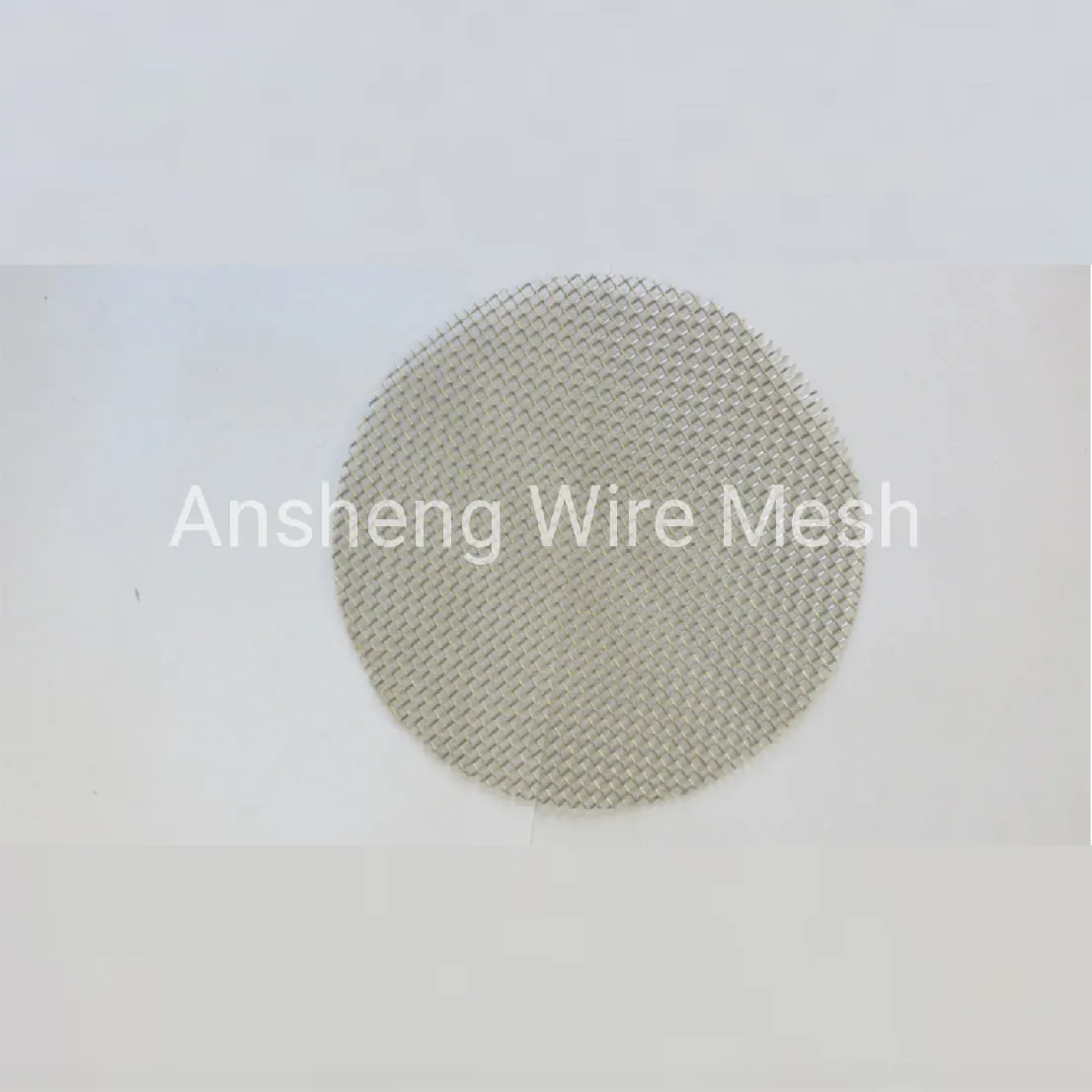
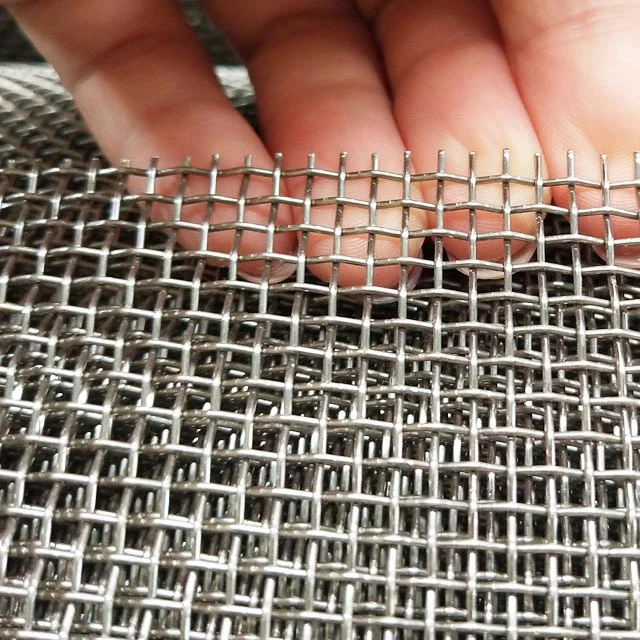
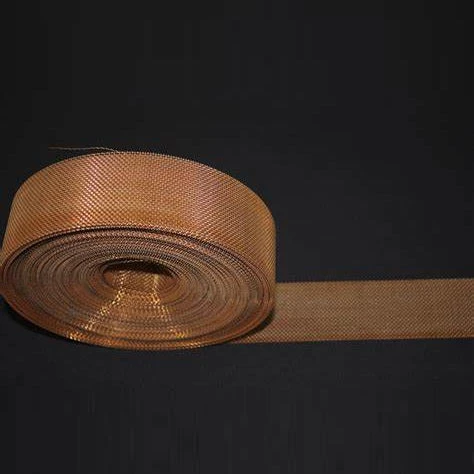
In straightforward terms, a 25 micron stainless steel mesh is a finely woven filtering screen made from stainless steel wires, with openings roughly 25 micrometers (microns) wide. To put this into perspective: a human hair averages about 50-70 microns thick, so the mesh holes are smaller than half a hair!
The stainless steel itself is usually one of the 300 series alloys—think 304 or 316 grade—known for corrosion resistance and mechanical strength. This makes the mesh highly durable and reusable where other materials might degrade or clog.
Industrially, this mesh acts as a sieving layer filtering out particles, sediments, and sometimes bacteria depending on the exact application. It’s a mini power player in any process that demands cleanliness and reliability without sacrificing flow rates.
Mini takeaway: A 25 micron stainless steel mesh is a tiny but mighty filter screen, marrying fine precision with robust material performance.
Core Factors Influencing Its Practical Use
1. Durability and Corrosion Resistance
Due to its stainless steel composition, this mesh is suited for aggressive environments, from chemical processing to harsh water treatment plants. Unlike cheaper polymer meshes, it can withstand high temperatures and abrasive particles without breaking down.
2. Filtration Precision
With an exact 25 micron opening size, it targets very fine particles efficiently—something crucial in pharmaceuticals or microelectronics manufacturing where contamination blocks entire production runs.
3. Scalability and Customization
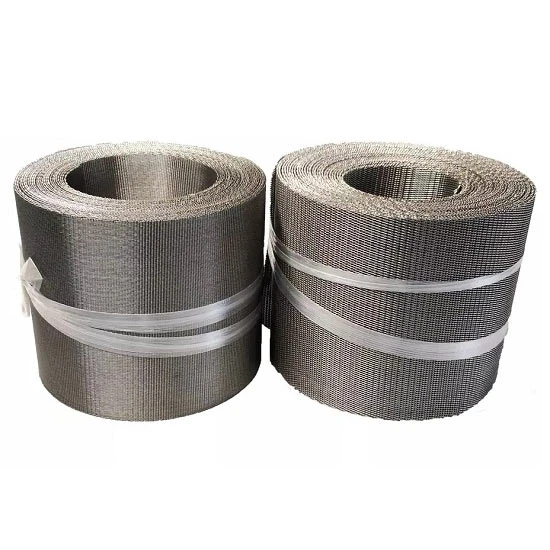
Manufacturers can tailor the mesh’s thickness, weave type, and dimensions to fit varying flow rates and filtration complexities, making it flexible for a range of industries.
4. Cost Efficiency
Though pricier upfront than some alternatives, its long life cycle and cleaning ability deliver solid ROI over time, especially in demanding applications where frequent replacements would be disruptive.
Mini takeaway: Its durability, precision, adaptability, and lifecycle cost make 25 micron stainless steel mesh a practical choice, not just a technical marvel.
How 25 Micron Stainless Steel Mesh Works Around the Globe
This mesh finds applications in many sectors — water purification in Africa, chemical filtration in European factories, food safety in North America, and even disaster relief operations in Asia-Pacific zones. NGOs working in post-disaster settings use portable filtration units with stainless steel mesh to provide safe drinking water fast, a lifesaving detail.
For example, in remote industrial zones without complex infrastructure, this mesh combines simplicity and resilience, filtering out particulates from local water sources or chemical processes. In pharmaceutical labs, it prevents costly batch contamination, ensuring regulatory compliance.
| Industry | Typical Application | Region |
|---|---|---|
| Water Treatment | Particulate filtration before UV treatment | Sub-Saharan Africa |
| Pharmaceutical | Sterile filtration of fine chemicals | Europe, USA |
| Food Processing | Removal of impurities in liquid ingredients | Global |
| Disaster Relief | Portable water purification units | Southeast Asia |
Mini takeaway: The use of 25 micron stainless steel mesh is versatile, stretching from sophisticated labs to makeshift water pumps in remote zones.
The Advantages and Lasting Value of This Fine Mesh
- Reliability: Withstands tough operational conditions for trustworthy performance.
- Sustainability: Reusable after cleaning, reducing waste and replacement frequency.
- Safety: Prevents contamination in vital supply chains, protecting human health.
- Economic Benefits: Long service life lowers overall operational costs.
- Innovation Boost: Enables finer filtration necessary for cutting-edge manufacturing processes.
There’s also an emotional side I find compelling — communities relying on clean water filtration built with this mesh gain not just health but dignity. Companies investing in advanced mesh technologies send a message of commitment to quality and safety.
Looking Ahead: Trends and Innovations in Stainless Steel Mesh Technology
Materials science keeps expanding horizons, with some exciting advances on the horizon. Nano-enhanced coatings that improve self-cleaning are starting to be tested alongside 25 micron stainless steel mesh, promising reduced maintenance.
Also, digital monitoring sensors integrated into filtration systems provide real-time performance data, making predictive maintenance more accessible. Sustainable manufacturing on greener lines and economies of scale — especially in Asia — mean that fine mesh filters will become more affordable and widely used.
Challenges and How Experts Are Tackling Them
One common issue is clogging and fouling — even the finest mesh can get blocked if not properly maintained. Experts recommend periodic backflushing and advanced cleaning protocols. There’s also an ongoing push to balance cost with quality, especially for smaller operations.
Material fatigue, while rarer in stainless steel than in polymers, can appear under intense vibration or pressure cycling — so mesh selection and engineering design must be done carefully.
Quick FAQs About 25 Micron Stainless Steel Mesh
- How does the 25 micron size compare to other filter meshes?
- The 25 micron mesh is fine enough to filter out small particles, roughly half the diameter of a human hair, providing higher filtration precision than common 50 or 100 micron meshes.
- Can this mesh be cleaned and reused?
- Yes, stainless steel’s durability makes the mesh washable with backflushing or ultrasonic cleaning, extending its usable life and improving cost effectiveness.
- Which industries benefit most from 25 micron stainless steel mesh?
- Water treatment, pharmaceuticals, food and beverage, and chemical manufacturing all heavily rely on this grade of mesh for quality assurance.
- Is stainless steel mesh safe for food contact?
- Definitely. Grades like 304 and 316 stainless steel are food-safe and widely used in the food processing industry.
- How do I choose the right stainless steel mesh vendor?
- Look for certified quality standards, proven customer reviews, and customization capabilities—vendor comparison below can help guide you.
Vendor Comparison: A Snapshot of Leading Stainless Steel Mesh Suppliers
| Vendor | Product Range | Customization | Pricing | Key Strength |
|---|---|---|---|---|
| Ansheng Filter Screen | Wide (10–500 micron) | High (Custom weave & size) | Competitive | Reliable quality & global reach |
| MeshPro Solutions | Mid (20–200 micron) | Moderate | Mid-range | Specializes in custom alloys |
| Global Filters Inc. | Limited (25–100 micron) | Low | Premium | High precision, certified products |
Wrapping Up
The humble-sounding 25 micron stainless steel mesh carries weight far beyond its appearance. It anchors reliable filtration in vital global industries, combining precision, durability, and sustainability. Whether purifying water for communities or ensuring pharmaceutical safety, it's silently at work, meeting modern challenges head-on.
I encourage you to explore more on 25 micron stainless steel mesh — it might just transform your next project or mission with its robust simplicity.
References:
Post time: Nov . 27, 2025 06:55