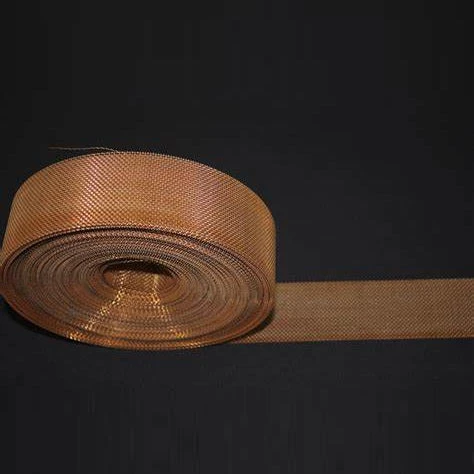

Introduction to Advanced Filtration with Pleated Elements
In industrial filtration, the demand for efficiency, durability, and cost-effectiveness drives continuous innovation. Among the myriad filtration solutions, the pleated filter element stands out as a superior choice for a wide array of applications. Its unique design maximizes surface area, allowing for higher flow rates, greater dirt-holding capacity, and extended service life compared to traditional depth filters. This comprehensive overview delves into the intricate details of pleated filter technology, from its meticulous manufacturing process to its critical role across diverse industries, ensuring optimal performance and compliance with stringent environmental and operational standards.
Understanding the technical specifications, advantages, and customization options available for pleated filter elements is crucial for B2B decision-makers and engineers seeking to optimize their fluid and air purification systems. This article will explore the core aspects that define high-performance pleated filtration, including material science, manufacturing precision, and real-world application efficacy, providing valuable insights for selecting and implementing the most appropriate filtration solution.
Manufacturing Process of a High-Performance Pleated Filter Element
The production of a high-quality pleated filter element is a sophisticated process demanding precision engineering and rigorous quality control. The process begins with the selection of premium materials, which are crucial for defining the element's performance characteristics, such as chemical compatibility, temperature resistance, and filtration efficiency.
Process Flow Schematic:
- Material Selection and Preparation: High-grade filtration media, commonly polypropylene, stainless steel (SS), fiberglass, or PTFE, are chosen based on application requirements. End caps, support cores, and sealing gaskets are also prepared from compatible materials. For a pleated polypropylene filter element, virgin polypropylene fibers are extruded and formed into a non-woven fabric. For an ss pleated filter cartridge, high-quality 304L or 316L stainless steel wire mesh or sintered fiber felt is prepared.
- Pleating: The selected media undergoes a precise pleating process. Specialized machinery creates uniform, consistent pleats, maximizing the effective filtration surface area while maintaining structural integrity. Pleat height, density, and depth are critical parameters, optimized to balance flow rate and dirt-holding capacity.
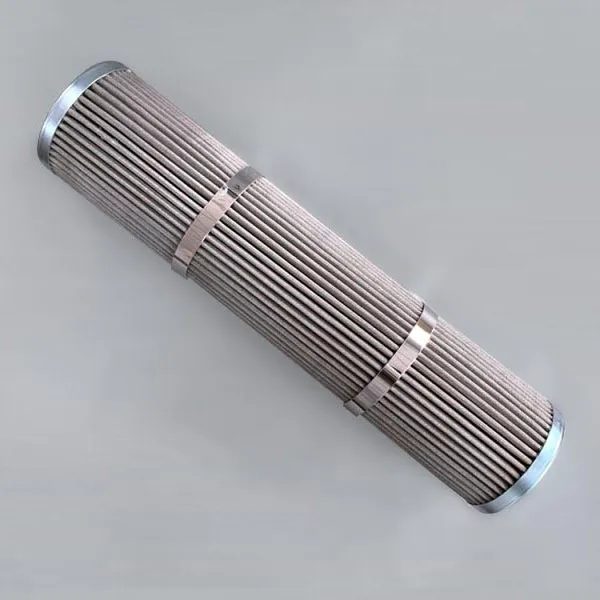
- Media Support and Assembly: The pleated media is then wrapped around a central core, typically made of perforated polypropylene or stainless steel, which provides structural support and prevents media collapse under differential pressure. Outer cages or wraps may be applied to further protect the pleated structure.
- End Cap Welding/Sealing: End caps, often made from polypropylene or various metal alloys, are affixed to the pleated media assembly. This process typically involves thermal welding for polymer-based filters (e.g., ultrasonic or hot melt) or TIG welding for metallic filters, ensuring a leak-proof seal. Gaskets (silicone, EPDM, Viton) are integrated for effective sealing within the filter housing.
- Finishing and Testing: Each assembled filter element undergoes rigorous testing. This includes bubble point tests (ASTM F316-03) to verify absolute micron ratings, integrity tests, and flow rate validation. Dimensional checks and visual inspections are performed to ensure compliance with design specifications.
- Packaging: Filters are cleaned (e.g., flushed with DI water) and individually packaged in protective wraps to prevent contamination during transit and storage.
Testing Standards: Manufacturing adheres to international standards such as ISO 9001 for quality management, ISO 2942 for fabrication and integrity, ISO 2943 for material compatibility, and ISO 3724 for flow fatigue characteristics. For specific applications, compliance with FDA (Food and Drug Administration) regulations for food and beverage or USP Class VI for pharmaceutical contact materials is verified.
Service Life and Advantages: The typical service life of a pleated filter element ranges from 6 to 12 months, depending heavily on the application's particulate load, flow rate, and fluid compatibility. In industries like petrochemical processing, these filters offer significant energy savings due to lower pressure drop, reducing pump energy consumption. For metallurgy and water supply & drainage, their superior corrosion resistance (especially SS variants) and high dirt-holding capacity lead to reduced downtime and maintenance costs.
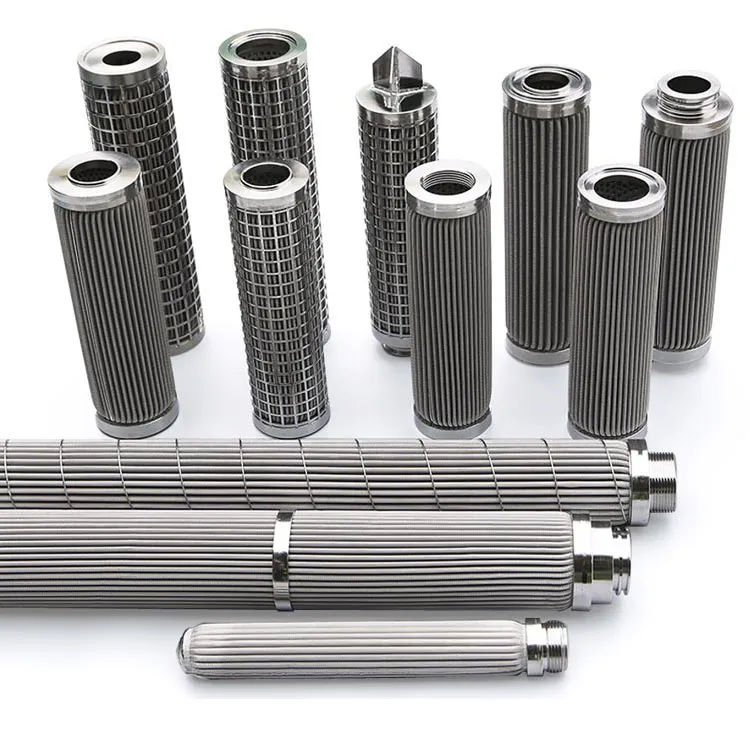
Current Industry Trends in Filtration Technology
The industrial filtration sector is undergoing rapid evolution, driven by increasing regulatory pressures, sustainability mandates, and the pursuit of operational excellence. Key trends impacting the design and adoption of the pleated filter element include:
- Enhanced Filtration Efficiency: There's a growing demand for absolute filtration at finer micron ratings, particularly for critical applications in pharmaceuticals, electronics, and precision manufacturing. This pushes manufacturers to develop advanced media with higher retention efficiencies, often exceeding 99.9% for specific particle sizes.
- Sustainable Materials and Practices: The industry is moving towards more environmentally friendly materials, including recycled content where applicable, and processes that reduce waste and energy consumption. The longer lifespan of pleated filters also contributes to sustainability by reducing disposal frequency.
- Smart Filtration Systems: Integration of IoT (Internet of Things) sensors for real-time monitoring of differential pressure, flow rates, and filter integrity is becoming more common. This allows for predictive maintenance, optimizing filter change-out schedules and preventing unexpected downtime.
- Customization and Specialization: Off-the-shelf solutions are increasingly being replaced by highly customized filters designed for specific process fluids, temperatures, pressures, and chemical compatibilities, especially for aggressive or highly viscous media.
- Regulatory Compliance: Stricter environmental regulations (e.g., discharge limits) and product quality standards (e.g., for food and beverage safety) necessitate filters that not only perform effectively but also provide verifiable compliance data.
These trends highlight the critical role of innovative pleated designs in meeting future industrial demands, offering solutions that are both technologically advanced and operationally resilient.
Technical Specifications and Material Breakdown
The performance of a pleated filter element is defined by its material composition and meticulously engineered technical parameters. Different materials are employed to suit distinct application requirements, ranging from aggressive chemical environments to high-purity water systems.
Common Filter Media:
- Pleated Polypropylene Filter Element: Ideal for general chemical applications, water treatment, and food & beverage. Offers excellent chemical compatibility with acids, bases, and many organic solvents up to 80°C (176°F). Typically provides depth filtration for superior dirt holding capacity and graded pore structure.
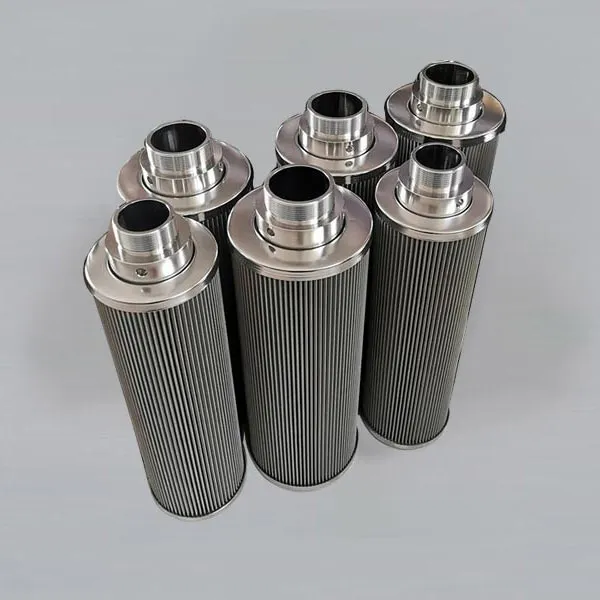
- SS Pleated Filter Cartridge (Stainless Steel): Constructed from 304L or 316L stainless steel wire mesh or sintered fiber felt. These elements provide exceptional high-temperature resistance (up to 480°C / 900°F), high differential pressure capability, and chemical compatibility with a vast range of aggressive fluids. They are also cleanable and reusable, offering a long service life in demanding environments like steam filtration, hot oil, and corrosive chemicals.
- Fiberglass Media: Used for high-efficiency gas and air filtration, particularly for sub-micron particle removal. Often employed in HVAC systems (to answer "what are pleated air filters made of?") and industrial air purification.
- PTFE (Polytetrafluoroethylene): Known for its extreme chemical resistance and hydrophobic properties, making it suitable for aggressive solvents, highly corrosive liquids, and sterile air/gas filtration.
- Cellulose/Synthetic Blends: Common in general industrial applications where cost-effectiveness and good particle retention are required, such as hydraulic oils and fuels (to answer "what are pleated filters made of?").
Typical Product Specification Table: Pleated Filter Element (Polypropylene)
| Parameter | Specification Range | Unit |
|---|---|---|
| Filtration Micron Rating | 0.1 to 100 (Absolute & Nominal) | µm |
| Standard Lengths | 10, 20, 30, 40 | inches |
| Outer Diameter | 2.5, 6 (Big Blue) | inches |
| Max. Operating Temperature | 80 (Polypropylene) | °C |
| Max. Differential Pressure | 4.1 (Clean) | bar |
| Recommended Change-out ΔP | 2.4 | bar |
| End Cap Configurations | DOE, SOE (222/fin, 222/flat, 226/fin) | N/A |
These specifications are crucial for ensuring compatibility with existing systems and achieving desired filtration outcomes. Proper selection based on these parameters directly impacts operational efficiency and equipment longevity.
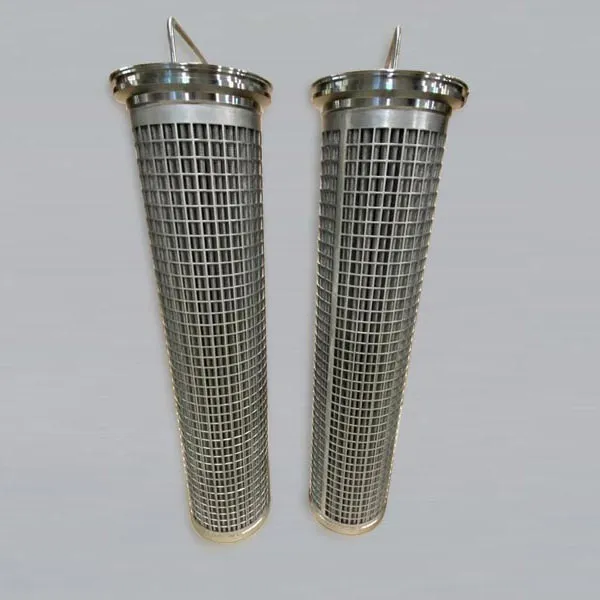
Diverse Application Scenarios
The versatility of the pleated filter element makes it indispensable across numerous industrial sectors requiring precise fluid and gas purification. Its high surface area and robust construction enable effective contaminant removal in demanding conditions.
- Petrochemical & Chemical Processing: Filtration of various chemicals, solvents, acids, and bases. Crucial for protecting sensitive downstream equipment, ensuring product purity, and preventing catalyst poisoning. SS pleated elements are often preferred here for their chemical and temperature resistance.
- Water Treatment & Potable Water: Pre-filtration for RO (Reverse Osmosis) and UF (Ultrafiltration) systems, removal of suspended solids, sediment, and turbidity from municipal and industrial water supplies. Ensures compliance with drinking water standards and protects membrane integrity.
- Food & Beverage: Clarification of beverages (wine, beer, juices), syrup filtration, and process water purification. FDA-compliant polypropylene pleated filters are essential for maintaining product quality, taste, and safety.
- Pharmaceutical & Biotechnology: Sterile filtration of active pharmaceutical ingredients (APIs), buffer solutions, and cell culture media. PTFE and specialized polypropylene elements are used for their high purity, low extractables, and ability to be integrity tested.
- Oil & Gas: Filtration of drilling fluids, completion fluids, produced water, and process lubricants. Essential for equipment protection and environmental discharge compliance.
- Electronics & Semiconductor: Ultrapure water (UPW) filtration, chemical filtration, and gas purification in cleanroom environments. Requires absolute micron ratings and minimal particle shedding.
- Power Generation: Cooling water filtration, condensate polishing, and boiler feedwater treatment. Prevents scale formation and corrosion, enhancing system efficiency and extending equipment life.
In each scenario, the specific design and material of the pleated filter element are tailored to withstand operating conditions and provide the required level of filtration, highlighting the importance of expert consultation for optimal selection.
Technical Advantages and Performance Metrics
The architectural design of a pleated filter element offers several distinct technical advantages that translate into significant operational benefits for industrial users.
- High Surface Area: The primary advantage of pleating is the dramatic increase in filtration surface area within a compact volume. This allows for higher flow rates with lower initial pressure drop, reducing energy consumption and pump wear.
- Extended Service Life: A larger surface area means more space to capture contaminants before the filter becomes clogged. This translates to a significantly longer service life compared to equivalent non-pleated depth filters, leading to fewer change-outs, reduced labor costs, and less waste disposal.
- Consistent Filtration Efficiency: Pleated elements, especially those with absolute micron ratings, maintain consistent particle removal efficiency throughout their lifespan, ensuring reliable product quality and protection for downstream equipment.
- Versatility in Media Options: The pleated design can incorporate various media types (polypropylene, stainless steel, fiberglass, PTFE), allowing for customization to specific chemical compatibility, temperature, and pressure requirements.
- Robust Construction: With proper support cores and end cap sealing, pleated filters are designed to withstand high differential pressures, minimizing the risk of media migration or collapse, even under challenging operating conditions.
Comparative Performance Data: Pleated vs. Depth Filter (Hypothetical Data for Illustrative Purposes)
| Metric | Pleated Filter (5µm Absolute) | Depth Filter (5µm Nominal) |
|---|---|---|
| Effective Surface Area (per 10" cartridge) | 0.65 m² (7 sq ft) | 0.07 m² (0.75 sq ft) |
| Initial Pressure Drop (20 GPM, water) | 0.15 bar (2.2 psi) | 0.35 bar (5.1 psi) |
| Dirt Holding Capacity | 350 grams | 120 grams |
| Typical Service Life | 8-12 weeks | 3-5 weeks |
| Beta Ratio (β5 = 5000) | 99.98% (Absolute) | 90% (Nominal) |
This data clearly illustrates the superior performance metrics of pleated filters, particularly in terms of capacity and pressure drop, which directly translate to operational cost savings and improved process reliability.
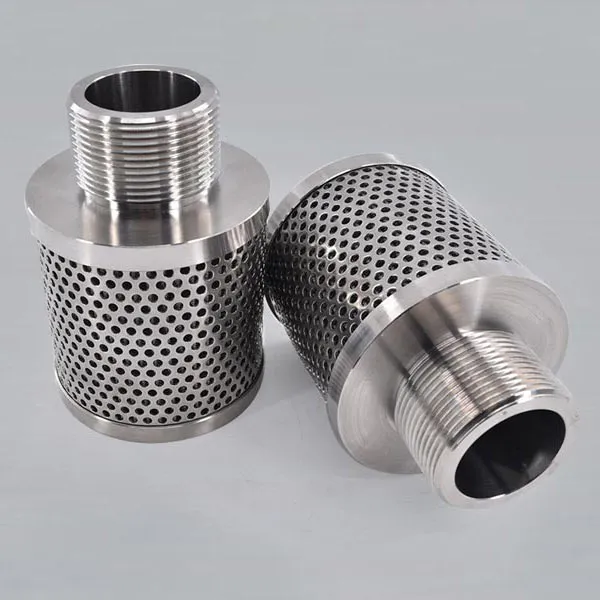
Vendor Comparison and Customized Solutions
When sourcing a pleated filter element, selecting the right vendor is paramount. It's not just about the product itself but also the expertise, support, and flexibility offered. Key differentiating factors among vendors include:
- Technical Expertise & R&D: A leading vendor possesses deep understanding of filtration science, material properties, and process engineering. They invest in R&D to develop next-generation media and designs, offering innovative solutions.
- Quality Assurance & Certifications: Look for vendors with ISO 9001 certification, demonstrating a robust quality management system. Product-specific certifications (e.g., FDA compliance, USP Class VI, CE marking) are critical for regulated industries.
- Customization Capabilities: The ability to provide bespoke filtration solutions, including custom lengths, diameters, end cap configurations, and specialized media blends, is vital for unique industrial processes.
- After-Sales Support & Technical Services: Comprehensive technical support, application engineering assistance, and troubleshooting services are crucial for optimizing filter performance and extending equipment life.
- Supply Chain Reliability: A reliable vendor ensures consistent product availability, efficient logistics, and timely delivery, minimizing downtime for critical operations.
Customized Solutions: Recognizing that no two industrial processes are identical, leading manufacturers offer extensive customization. This includes:
- Specific Media Combinations: Layering different media types for graded density filtration or enhanced chemical resistance.
- Unique Dimensions: Manufacturing elements to fit non-standard housing designs.
- Special End Cap Designs: Tailored to integrate seamlessly with existing filtration systems.
- Application-Specific Testing: Conducting specialized tests (e.g., extractables testing, microbial challenge tests) to meet particular regulatory or performance requirements.
Application Case Studies
Real-world implementations demonstrate the tangible benefits of utilizing high-performance pleated filter element technology.
- Case Study 1: Pharmaceutical API Production
A major pharmaceutical company faced challenges with inconsistent filtration and frequent change-outs of traditional depth filters in their Active Pharmaceutical Ingredient (API) purification process. The presence of fine particulate matter was impacting downstream crystallization and final product quality. By implementing 0.2 µm absolute-rated PTFE pleated filter elements, the company achieved a consistent sterility assurance level, reduced filter change-outs by 40%, and minimized product loss due to clearer filtrates. This switch not only ensured higher product purity but also led to a significant reduction in operational expenditure and compliance risks.
- Case Study 2: Industrial Wastewater Pre-Treatment
A large metal finishing plant struggled with high suspended solids in their wastewater effluent, causing premature fouling of their reverse osmosis (RO) membranes. They upgraded their pre-filtration system with 5 µm pleated polypropylene filter elements in a high-flow configuration. This resulted in a 60% reduction in RO membrane cleaning cycles, a 25% extension of membrane lifespan, and consistent effluent quality compliant with local discharge regulations. The robust construction of the pleated filters also withstood variable particulate loads, ensuring reliable operation.
- Case Study 3: Edible Oil Clarification
A food processing facility encountered issues with haze and fine sediment in their edible oil product, affecting visual appeal and shelf life. Switching from bag filters to 1 µm absolute-rated polypropylene pleated filters specifically designed for viscous liquids dramatically improved clarity. Customer feedback indicated a noticeable improvement in product quality, and the longer service life of the pleated elements reduced labor costs associated with frequent filter changes, providing a rapid return on investment.
Trustworthiness and Support Information
Building trust with B2B partners is paramount. We commit to transparency and robust support for every pleated filter element we provide.
Frequently Asked Questions (FAQ)
Q: What defines an "absolute" vs. "nominal" micron rating for a pleated filter?
A: An absolute micron rating (e.g., 99.9% removal efficiency for a specified particle size) indicates that a filter will remove virtually all particles at or above its stated micron rating. A nominal micron rating (e.g., 90% removal efficiency) indicates that a filter will remove a percentage of particles at or above its stated micron rating, typically for a specific contaminant load. Absolute ratings are critical for high-purity applications, while nominal ratings are suitable for pre-filtration or less critical processes.
Q: How do I determine the appropriate material for my pleated filter element?
A: Material selection depends on several factors: the chemical compatibility with the fluid, maximum operating temperature, differential pressure, and specific regulatory requirements (e.g., FDA for food contact). Polypropylene is versatile for many aqueous and chemical solutions, while stainless steel is ideal for high temperatures and aggressive solvents. Our technical experts can assist in making the optimal choice based on your process parameters.
Q: Can pleated air filters made of synthetic media be washed and reused?
A: While some synthetic pleated air filters can be cleaned and reused, their efficiency may be compromised after washing, and the pleat structure can be damaged. We generally recommend replacement for optimal performance and to maintain air quality standards. Stainless steel pleated elements are designed for cleaning and reuse, offering excellent long-term value in specific applications.
Lead Time & Fulfillment
Standard pleated filter element configurations typically have a lead time of 2-4 weeks, depending on order volume and specific media availability. For urgent requirements or custom orders, expedited manufacturing options are available upon request. We maintain strategic inventory levels of popular elements to support prompt fulfillment and minimize client downtime.
Warranty Commitments
All our pleated filter elements come with a limited warranty against manufacturing defects, typically for 12 months from the date of purchase. This warranty covers materials and workmanship under normal operating conditions. Full warranty details are provided with each order, ensuring peace of mind regarding product quality and reliability.
Customer Support Information
Our dedicated technical support team is available to assist with product selection, application engineering, installation guidance, and troubleshooting. We offer comprehensive pre-sales consultation and post-sales support to ensure optimal performance of your filtration systems. Contact us via phone, email, or our online portal for expert assistance and prompt responses to your inquiries.
Conclusion
The advancements in pleated filter element technology have made them an indispensable component in modern industrial filtration. Their superior surface area, robust construction, and adaptability to various media types offer unparalleled advantages in terms of efficiency, service life, and cost-effectiveness. As industries continue to demand higher purity standards and sustainable solutions, the role of precisely engineered pleated filters will only grow in importance. Partnering with a knowledgeable vendor that prioritizes quality, customization, and comprehensive support is crucial for optimizing filtration processes and achieving operational excellence.
References
- Fluid Filtration: An Overview of Technologies and Applications. Journal of Industrial & Engineering Chemistry Research, Vol. 58, Issue 32, pp. 13627–13645.
- Advances in Polymeric Membrane Filtration for Water Treatment. Environmental Science & Technology, Vol. 55, Issue 18, pp. 12053–12071.
- Stainless Steel Filter Media: Design, Fabrication, and Performance in High-Temperature Applications. Filtration & Separation Technology Review, Vol. 37, No. 4, pp. 210-225.
- The Role of Pleated Cartridges in Optimizing Industrial Fluid Process Purity. International Journal of Filtration & Separation, Vol. 12, Issue 1, pp. 45-58.
- Google's Search Quality Evaluator Guidelines, Section 3.2: E-A-T.
Post time: Sep . 13, 2025 11:40