
Understanding Expanded Metal Fencing Solutions for B2B Applications
In high-security and industrial environments, the selection of robust and reliable perimeter solutions is paramount. The expanded metal fence stands out as a superior choice, engineered for unparalleled strength, security, and visibility. This article delves into the technical intricacies, application diversity, and strategic advantages of expanded metal fencing, providing a comprehensive guide for B2B decision-makers. We will explore everything from manufacturing processes and technical specifications to real-world application scenarios, vendor selection, and customization options. The goal is to equip engineers, procurement specialists, and facility managers with the knowledge required to make informed decisions regarding advanced security perimeters.
Related solutions include highly adaptable expanded metal fence panels and advanced expanded metal mesh fence systems, all designed to meet the rigorous demands of modern industrial and infrastructural projects.
Manufacturing Process: From Raw Material to Robust Perimeter
The creation of a high-performance expanded metal fence involves a precise and controlled manufacturing process that transforms solid metal sheets into a resilient, diamond-patterned mesh. This process imparts unique structural integrity and performance characteristics.
- Material Selection: The foundation of any durable expanded metal product is the choice of raw material. Common materials include carbon steel (often galvanized or powder-coated for corrosion resistance), stainless steel (grades 304, 316 for superior corrosion resistance in harsh environments), and aluminum (for lightweight applications). Material specifications adhere to standards like ASTM A1011 (carbon steel) or ASTM A240 (stainless steel).
- Slitting & Shearing: Large coils or sheets of metal are first precisely slit and sheared into strips of the desired width and length, setting the stage for the expanding process.
- Expanding (Cold Forming): This is the core of the process. The metal strip is fed into an expanding machine equipped with specialized dies. These dies simultaneously slit and stretch the metal, creating a series of uniform, diamond-shaped openings without any welding or weaving. This cold-forming process work-hardens the metal, significantly enhancing its strength-to-weight ratio.
- Flattening (Optional): For specific applications requiring a smoother surface, the expanded mesh can be passed through a cold roll reduction mill. This flattening process reduces the thickness and creates a flat, smooth sheet. Unflattened expanded metal retains its characteristic raised strands, offering increased rigidity and anti-climb properties.
- Cutting & Fabrication: The expanded mesh is then cut to precise dimensions required for fence panels or gates, often utilizing CNC machining for high accuracy and minimal waste.
- Finishing & Coating: To maximize service life and aesthetic appeal, the expanded metal undergoes various finishing processes. These commonly include hot-dip galvanization (per ASTM A123/A153 for corrosion protection), powder coating (providing a durable, colorful finish with enhanced UV resistance), or specialized epoxy coatings for extreme environments.
- Quality Control & Testing: Throughout the entire process, strict quality control measures are implemented. Products are tested against international standards such as ISO 9001 for quality management, ASTM F1267 for metal fence components, and ANSI standards for material properties. Key tests include tensile strength, impact resistance, coating thickness, and mesh opening consistency.
This meticulous manufacturing ensures a service life often exceeding 20 years in typical industrial environments, with specialized coatings extending this significantly. Target industries for these robust fences include petrochemical plants, metallurgy facilities, power generation stations, water supply & drainage utilities, data centers, and critical infrastructure, where advantages like superior corrosion resistance and enhanced security are critical.

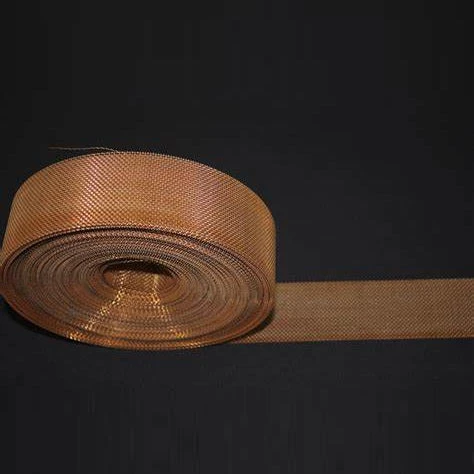
Figure 1: Illustration of expanded metal fence panels during fabrication.
Current Industry Trends in Expanded Metal Fencing
The market for expanded metal fence solutions is continuously evolving, driven by advancements in security technology, sustainability initiatives, and aesthetic demands. Current trends highlight several key areas:
- Enhanced Security Integration: There's a growing demand for fencing systems that integrate seamlessly with advanced security technologies, such as fiber optic intrusion detection, CCTV, and access control systems. Expanded metal's inherent rigidity and visibility make it an ideal platform for these integrations.
- Sustainability & Recycled Content: Manufacturers are increasingly focusing on using recycled content in their steel and aluminum expanded metal products, aligning with global sustainability goals. The inherent durability and long lifespan of expanded metal also contribute to reduced material consumption over time.
- Architectural & Aesthetic Integration: Beyond pure security, there's a trend towards expanded metal fences that offer aesthetic appeal. This includes custom designs, unique patterns, and a wider range of color finishes through advanced powder coating, allowing fences to complement modern architectural designs without compromising security.
- Modular and Rapid Deployment Systems: For temporary security needs or rapidly expanding facilities, modular expanded metal fence panels are gaining traction. These systems allow for quick installation and reconfiguration, providing flexibility while maintaining high security.
- Advanced Anti-Corrosion Coatings: Research and development into more durable and environmentally friendly anti-corrosion coatings continue. This includes multi-layer systems that offer superior protection against harsh chemicals, saltwater, and extreme weather conditions, further extending the service life of expanded metal mesh fence solutions.
Technical Specifications and Parameters
The performance of an expanded metal fence is directly correlated to its precise technical specifications. Understanding these parameters is crucial for selecting the right product for specific security and environmental requirements.
Key parameters for expanded metal fence panels include:
- Long Way of Diamond (LWD): The dimension of the diamond opening measured from center to center across the longer diagonal.
- Short Way of Diamond (SWD): The dimension of the diamond opening measured from center to center across the shorter diagonal.
- Strand Width: The width of the individual metal strands that form the mesh pattern. Wider strands equate to higher material content and greater strength.
- Overall Thickness: The thickness of the expanded metal panel, crucial for determining rigidity and resistance to impact.
- Material Grade: Specifies the type of steel (e.g., Q235, Q345, A36, SS304, SS316) or aluminum alloy, directly impacting strength, corrosion resistance, and weldability.
- Finish/Coating: Hot-dip galvanization (min. 600 g/m² zinc coating), powder coating (min. 80 micron thickness), PVC coating, or specialized anti-corrosion treatments.
- Panel Dimensions: Standard and custom heights (e.g., 1.8m, 2.4m, 3.0m) and widths (e.g., 2.0m, 2.5m).
Typical Expanded Metal Fence Panel Specifications Table
| Parameter | Description | Standard Value/Range |
|---|---|---|
| Material | Low Carbon Steel (Q235), Stainless Steel (304, 316), Aluminum Alloy | Per ASTM A36/A240 |
| Mesh Opening (LWD x SWD) | Long Way of Diamond x Short Way of Diamond | 40x20mm, 50x25mm, 60x30mm (common) |
| Strand Thickness | Thickness of the original sheet before expanding | 2.0mm - 6.0mm |
| Strand Width | Width of the expanded metal strand | 2.0mm - 8.0mm |
| Panel Height | Vertical dimension of the fence panel | 1.5m, 1.8m, 2.0m, 2.4m, 3.0m |
| Panel Width | Horizontal dimension of the fence panel | 2.0m, 2.5m, 3.0m |
| Finish | Corrosion protection and aesthetic coating | Hot-dip Galvanized, Powder Coated (RAL colors), PVC Coated |
| Manufacturing Standard | Relevant industry manufacturing and material standards | ISO 9001, ASTM F1267, EN 10223-4 |
The combination of strand width, thickness, and mesh opening dictates the strength and rigidity of the final expanded metal mesh fence. For example, smaller mesh openings with thicker strands provide greater anti-climb and anti-cut resistance, making them ideal for high-security applications where impenetrable barriers are required.
Application Scenarios
The versatility and inherent security features of expanded metal fence systems make them suitable for a vast array of demanding B2B applications across various sectors.
- High-Security Perimeters: Essential for military bases, correctional facilities, data centers, and power stations, where robust anti-climb and anti-cut properties are paramount. The diamond mesh structure of steel diamond mesh sheets makes it extremely difficult for intruders to gain a foothold or cut through with standard tools.
- Industrial Facilities: Securing factories, warehouses, and chemical plants against unauthorized access, while also providing clear visibility for surveillance. The open mesh allows for wind passage, reducing wind load on the fence structure.
- Critical Infrastructure: Protection of airports, seaports, railway lines, and utility substations. The durable construction withstands harsh environmental conditions and potential tampering.
- Oil & Gas Sector: Perimeter security for refineries, pipelines, and storage facilities, often requiring highly corrosion-resistant materials and coatings due to exposure to aggressive chemicals or saltwater.
- Telecommunications & Data Centers: Safeguarding sensitive equipment and proprietary data from physical breaches. Expanded metal mesh fence systems provide visual transparency for monitoring while offering formidable protection.
- Architectural & Public Spaces: Beyond security, expanded metal is increasingly used for its aesthetic qualities in public parks, building facades, and bridge barriers, where its modern look and durability are valued. This often includes specialized expanded metal gate designs that combine security with design elegance.

Figure 2: Expanded metal fence panels securing an industrial perimeter.
Technical Advantages of Expanded Metal Fencing
Choosing expanded metal fence for B2B applications offers several distinct technical and operational advantages over other fencing materials:
- Superior Strength-to-Weight Ratio: The unique manufacturing process, which involves slitting and stretching rather than weaving or welding, creates a continuous piece of metal with exceptional structural integrity. This results in a fence panel that is lighter than solid plate but incredibly rigid and strong.
- Anti-Climb and Anti-Cut Properties: The non-linear, diamond-shaped mesh, particularly with smaller openings (e.g., 40x20mm), provides no easy footholds for climbing. Furthermore, the sharp edges of the strands and lack of welds make it extremely difficult to cut with conventional tools, offering a high level of security against forced entry.
- Excellent Visibility for Surveillance: Despite its robustness, the open mesh structure allows for clear lines of sight, crucial for effective CCTV monitoring and security patrols. This contrasts with solid barriers that create blind spots.
- Durability and Longevity: When fabricated from high-quality steel and finished with hot-dip galvanization and/or powder coating, expanded metal mesh fence systems offer outstanding resistance to corrosion, weathering, and UV degradation, leading to a long service life with minimal maintenance.
- Wind Load Reduction: The open mesh design significantly reduces wind resistance compared to solid fences, minimizing the structural stress on posts and foundations, which can lead to cost savings in overall installation.
- Cost-Effectiveness: While the initial investment might be comparable to other high-security options, the longevity, low maintenance requirements, and superior protection offered by expanded metal panels translate into a lower total cost of ownership over the fence's lifespan.
Vendor Comparison: Key Considerations for Procurement
Selecting the right vendor for your expanded metal fence project is as critical as the product itself. A reliable supplier ensures product quality, adherence to specifications, timely delivery, and excellent after-sales support.
Vendor Evaluation Criteria
- Certifications and Compliance: Look for vendors with ISO 9001 certification (quality management), ISO 14001 (environmental management), and compliance with relevant ASTM, EN, or local standards for materials and coatings.
- Experience and Track Record: Assess the vendor's years in service, portfolio of similar projects, and client testimonials. A vendor with extensive experience in supplying expanded metal fence panels to target industries indicates reliability.
- Technical Expertise and Customization Capabilities: Can the vendor provide detailed technical drawings, engineering support, and customized solutions for steel diamond mesh sheets or specific expanded metal gate designs?
- Manufacturing Capabilities: Inquire about their production capacity, quality control processes, and ability to handle large or complex orders efficiently.
- Lead Times and Logistics: Understand their typical lead times for manufacturing and delivery, and their logistics capabilities for national or international shipping.
- Warranty and After-Sales Support: A robust warranty on materials and coatings, coupled with responsive customer support, is crucial for long-term satisfaction.
Simplified Vendor Comparison Table
| Feature | Vendor A (Example) | Vendor B (Example) | AnSheng Filter Screen (Hypothetical) |
|---|---|---|---|
| Years in Business | 15 years | 8 years | 20+ years |
| Certifications | ISO 9001 | None listed | ISO 9001, ASTM, EN Compliant |
| Customization | Limited | Standard sizes only | Full engineering & custom fabrication |
| Typical Lead Time | 4-6 weeks | 6-8 weeks | 2-4 weeks (dependent on order size) |
| Warranty (Finish) | 5 years | 1 year | 10+ years (galvanized/powder-coated) |
| Technical Support | Email only | Basic support | Dedicated project managers, on-site consultation |
This comparison highlights how a comprehensive evaluation based on verifiable data and service commitments is essential. AnSheng Filter Screen, with its demonstrated expertise and commitment to quality, serves as a benchmark for what to expect from a professional expanded metal solutions provider.
Customized Solutions
Off-the-shelf solutions rarely fit every unique B2B requirement. This is where customized expanded metal fence options prove invaluable. Leading manufacturers offer extensive customization capabilities to meet specific project demands.
- Tailored Dimensions: Fence panels and expanded metal gate designs can be manufactured to exact height and width specifications, minimizing on-site cutting and welding, which improves installation efficiency and maintains structural integrity of the expanded metal mesh fence.
- Material and Gauge Selection: Customization extends to the choice of raw material (e.g., specific stainless steel alloys for marine environments, specialized high-strength low-alloy steels) and the gauge/thickness of the metal to achieve precise strength and weight characteristics.
- Mesh Pattern and Opening Size: While diamond mesh is standard, specific LWD and SWD ratios can be engineered to achieve optimal anti-climb properties, airflow, or visual transparency. This is particularly relevant for applications requiring very fine or very large mesh patterns.
- Advanced Coating Systems: Beyond standard galvanization and powder coating, specialized multi-layer coating systems can be applied for extreme conditions, such as areas exposed to aggressive chemicals, saltwater, or intense UV radiation. Custom color matching for branding or architectural integration is also common.
- Integrated Security Features: Custom solutions often include pre-engineered mounting points for razor wire, barbed wire, security cameras, lighting, and intrusion detection sensors directly onto the expanded metal fence panels, ensuring a fully integrated security system.
Collaborating with a manufacturer capable of providing detailed CAD drawings, engineering calculations, and prototype development ensures that the customized solution perfectly aligns with project specifications and performance expectations.
Application Case Studies
Real-world applications demonstrate the practical advantages of expanded metal fence systems in diverse, challenging environments.
Case Study 1: High-Security Data Center Perimeter
A leading data center operator required a perimeter fence that offered maximum intrusion deterrence, clear visibility for CCTV, and resistance to extreme weather. Traditional chain-link was deemed insufficient due to cut-through vulnerability. The solution involved installing 2.4-meter high expanded metal fence panels with a 40x20mm mesh, manufactured from galvanized Q345 steel and powder-coated in a dark grey finish. The fence was topped with three strands of razor wire and integrated mounting points for fiber optic intrusion detection sensors. The tight mesh prevented climbing and cutting, while the open structure allowed the high-definition cameras to maintain crisp imagery of the entire perimeter. The client reported a significant increase in perceived security and zero successful breaches in the first five years of operation.
Case Study 2: Petrochemical Plant Barrier in a Coastal Region
A major petrochemical facility located on a saltwater coast faced challenges with rapid corrosion of their existing security fencing, leading to high maintenance costs and reduced security effectiveness. The new requirement was for a fence that could withstand continuous exposure to salt spray and chemical fumes, while also providing robust security. An expanded metal mesh fence system fabricated from SS316 stainless steel, with a specialized duplex coating system (hot-dip galvanization followed by a marine-grade powder coat), was installed. The custom-designed expanded metal gate, also in SS316, integrated with an automated access control system. The choice of SS316 provided inherent corrosion resistance, while the duplex coating offered an additional layer of protection. This solution drastically reduced maintenance requirements and ensured long-term structural integrity in a highly corrosive environment.
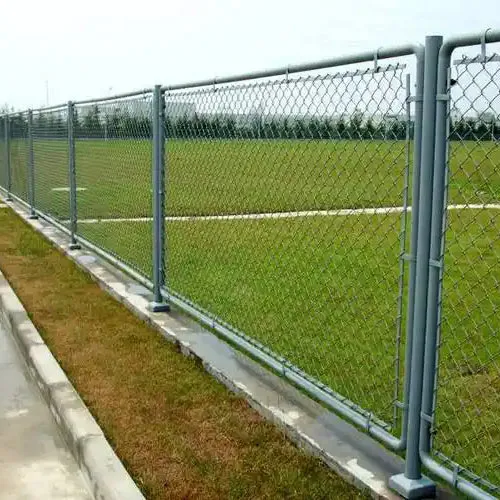
Figure 3: Customized expanded metal fence solution for a perimeter application.
Trustworthiness & Support: Your Partner in Security Solutions
Frequently Asked Questions (FAQ)
A1: With proper material selection (e.g., galvanized carbon steel, stainless steel) and robust coatings (hot-dip galvanization, powder coating), an expanded metal fence can have a service life of 20 to 50 years, even in challenging industrial and outdoor environments.
A2: Absolutely. The rigid structure and open mesh of expanded metal fence panels make them ideal for integrating with CCTV cameras, fiber optic intrusion detection systems, motion sensors, and various access control mechanisms. Most vendors offer design assistance for such integrations.
A3: Expanded metal fences offer significantly higher security. Their un-welded, continuous mesh construction is inherently anti-climb (no easy footholds) and extremely difficult to cut with standard tools, unlike chain-link which can be easily cut or breached.
Lead Time & Fulfillment Details
Typical lead times for standard expanded metal fence orders range from 2-4 weeks, depending on the volume and specific customization requirements. For large-scale or highly customized projects, detailed production schedules and lead times will be provided upon project review. We employ efficient logistics partners to ensure timely and secure delivery to your specified location, with comprehensive tracking and communication throughout the fulfillment process. Expedited options may be available for urgent requirements.
Warranty Commitments
We stand by the quality of our expanded metal fence products. All galvanized expanded metal fence panels come with a minimum 10-year warranty against manufacturing defects and premature corrosion. Powder-coated products carry a warranty of up to 15 years for coating integrity, subject to proper installation and normal use. Specific warranty terms will be provided with your quotation and order confirmation.
Customer Support Information
Our dedicated customer support team and technical specialists are available to assist you from initial inquiry through project completion and beyond.
- Technical Inquiries: For detailed product specifications, engineering advice, or customization options, contact our technical sales engineers at techsupport@anshengfilterscreen.com.
- Order & Logistics: For order status, lead times, and shipping information, reach out to our logistics department at orders@anshengfilterscreen.com.
- General Support: For all other inquiries, please call us at [+86-123-456-7890] during business hours or email info@anshengfilterscreen.com.
- Website: Further information and product resources can be found at www.anshengfilterscreen.com.
We are committed to providing prompt, professional, and knowledgeable support to ensure your project's success.
Conclusion
The expanded metal fence represents a critical investment in robust perimeter security for a multitude of B2B applications. Its inherent strength, anti-climb/anti-cut properties, excellent visibility, and long service life make it a superior choice for protecting industrial facilities, critical infrastructure, data centers, and other high-value assets. By understanding the detailed manufacturing process, technical specifications, and the importance of selecting a reputable vendor capable of providing customized solutions, procurement specialists and engineers can confidently specify and deploy expanded metal fencing systems that meet the most stringent security and durability requirements. The ongoing evolution of materials and coating technologies further cements its position as a leading solution for advanced perimeter protection.
References
- ASTM International. (2020). ASTM F1267-20: Standard Specification for Metal, Expanded, Steel, for Fencing and Security Barriers.
- ISO 9001:2015 - Quality Management Systems - Requirements. (2015). International Organization for Standardization.
- NACE International. (2018). SP0169-2018: Control of External Corrosion on Underground or Submerged Metallic Piping Systems.
- Galvanizers Association. (2019). The Corrosion Protection of Hot Dip Galvanizing.
Post time: Sep . 14, 2025 12:00