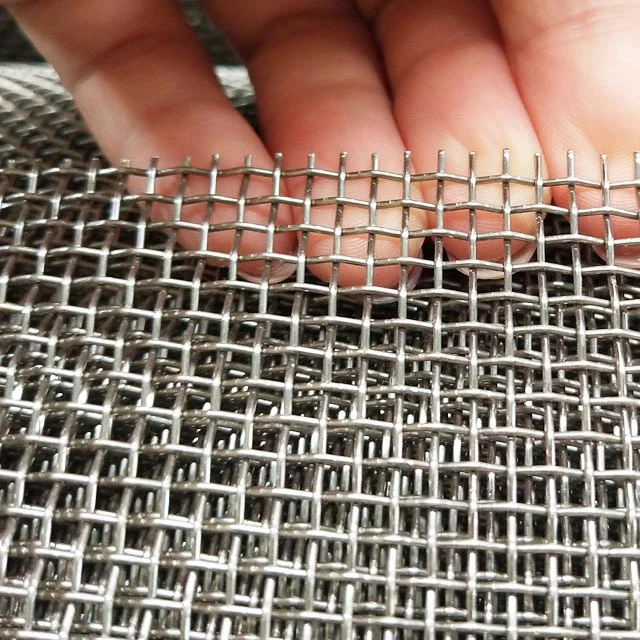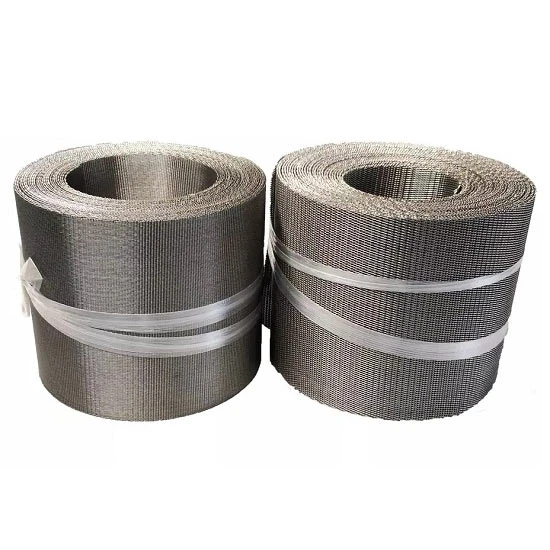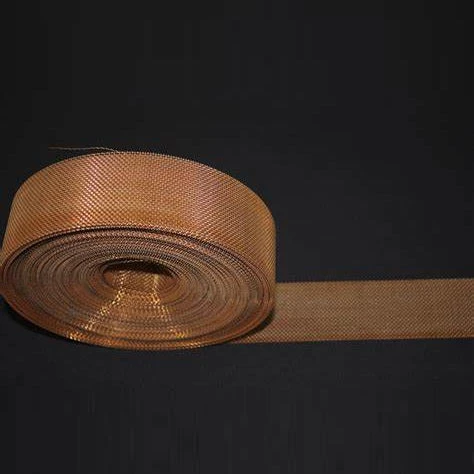

High-Quality Copper Wire Grid for Industrial Filtration & Screening

Why the Copper Wire Grid is Still a Hidden Gem in Industrial Equipment

Working in the industrial equipment sector for over a decade, I’ve seen tons of materials come and go, always promising better durability or efficiency. Yet, the copper wire grid somehow remains persistently relevant — and for good reasons.

Oddly enough, the copper wire grid feels like one of those unsung workhorses. It’s not flashy, but it plays a crucial role in filtration, screening, and various protective applications that keep machinery humming smoothly. I remember working on a mining project years ago where the choice of filter media made all the difference. The copper wire grid stood up to harsh abrasion and corrosive environments better than some newer, glitzy composites.

In real terms, these grids are prized for their excellent conductivity, superior corrosion resistance, and adaptability. Copper’s natural antimicrobial properties? Bonus points in controlled environments where contamination is a concern. And don’t get me started on the mechanical strength—you can customize the grid’s mesh size and wire diameter to suit the specifics of your operation. This flexibility feels particularly vital when dealing with non-standard particle sizes or demanding environmental conditions.

Now, before we dive into some specs, a quick note: the manufacturing process behind these grids influences their performance as much as the copper itself. Precision weaving, tight weave patterns, and proper annealing ensure both longevity and consistency. Many engineers I’ve talked to highlight that a well-produced copper wire grid can last significantly longer than similarly purposed steel meshes, especially in corrosive settings.

Copper Wire Grid Typical Specifications
Specification Typical Range Notes
Wire Diameter 0.1 mm – 1.5 mm Customizable based on mesh size
Mesh Opening Size 0.2 mm – 10 mm Affects filtration precision
Material Purity >99.9% Copper Ensures corrosion resistance
Tensile Strength 210 – 370 MPa Varies by tempering process
Surface Finish Polished / Matte Depends on application

You might be wondering how the copper wire grid stacks up against other vendors or materials. From experience, it’s a bit of a mixed bag — and frankly, price often dictates choices in heavy industry. But when your operation requires longevity and reliability, I’ve seen companies stick to trusted suppliers who guarantee product consistency and offer custom solutions. Here’s a quick run-down:

Copper Wire Grid Vendor Comparison
Feature Ansheng Filter Screen Typical Competitor A Competitor B
Customization Options High - Mesh size, diameter, finish Medium - Standard sizes only Low - Limited mesh variants
Material Purity >99.9% Copper ~98% Copper ~95% Copper with alloys
Lead Times 1-3 weeks 2-4 weeks 3-5 weeks
Price Range Mid to High Low to Mid Lowest
Technical Support Strong, responsive Average Limited

One case that sticks in my mind was a paper mill client who struggled with their filtration process — the typical stainless steel mesh kept corroding and clogging, leading to frequent downtime. Switching to a customized copper wire grid helped them improve uptime by roughly 20%. It felt like quite the win, especially since copper’s antimicrobial properties reduced bacterial build-up, something I hadn’t given much thought to until seeing it firsthand. Stuff like that reminds you why material choice is not just about specs but how it performs day in, day out.

Frankly, if you’re searching for something reliable, adaptable, and quite honestly underrated, the copper wire grid deserves a close look. Whether you’re handling abrasive powders, fluids, or even delicate conductive applications, it fits many niches. And if you want a dependable supply backed by solid expertise, check out the offerings from Ansheng Filter Screen. Their decades of field experience show in product consistency and customer care.

To wrap it up: the copper wire grid isn’t just a “nice to have” — it’s often a “need to have” in tough industrial environments. It’s one of those quiet heroes in manufacturing that’s easy to overlook until things go awry without it. If you’re curious, I’d say explore samples, talk to experts, and maybe get your hands on a few to test. You’ll probably appreciate what feels like a simple, yet remarkably powerful piece of equipment.

Thanks for sticking with me through the rundown — sometimes the most straightforward solutions really do pack the biggest punch.


References:

  1. Field observations from mining and paper mill filtration projects, 2012-2023
  2. Ansheng Filter Screen product literature and test data, 2023
  3. Industry forums and engineering reports on copper wire mesh applications, 2020-2023

Post time: Dec . 07, 2025 14:55
Related News
  • Dutch weave is a versatile type of woven wire mesh known for its unique structure and diverse applications. It's characterized by alternating plain and twill weaves, resulting in a fabric with excellent strength, flexibility, and permeability. This makes it ideal for a range of uses in industries like filtration, screening, and reinforcement. Ansheng Filter Screen specializes in high-quality dutch weave mesh, catering to diverse industrial needs. Understanding the properties and applications of dutch weave is key to maximizing its benefits in various sectors. Dutch weave isn’t a single weave pattern but a combination. It’s created by alternately weaving plain and twill patterns. The twill weave creates a diagonal rib pattern which impacts the mesh’s properties. This unique construction results in a mesh that is more open in one direction than the other, providing excellent flow characteristics. This makes it superior for applications needing high permeability while maintaining good structural integrity.

  • Protecting crops, buildings, and infrastructure from bird damage is a significant concern for many industries. Galvanised bird mesh provides a robust and effective solution. This article will explore the benefits, applications, and key considerations when choosing galvanised bird mesh, offering a detailed overview for those seeking reliable bird control. From agricultural protection to industrial applications, we will cover everything you need to know about this versatile product. Galvanised bird mesh is a woven wire netting coated with a layer of zinc. This galvanisation process provides excellent corrosion resistance, making it suitable for outdoor applications and harsh environments. The mesh is typically made from steel wire, offering strength and durability. Different mesh sizes are available to cater to various bird species and protection needs.

  • When selecting materials for industrial filtration, construction, or agricultural applications, galvanized steel mesh screen stands out as a durable and cost-effective solution. This article will provide a detailed overview of galvanized steel mesh screen, covering its properties, applications, benefits, and important considerations when making a purchase. Understanding its characteristics can help you determine if it’s the ideal material for your specific needs. We will delve into the nuances of this versatile material and how Ansheng Filter Screen provides quality products. Galvanized steel mesh screen is a woven wire mesh manufactured from steel that has been coated with a layer of zinc. This zinc coating acts as a protective barrier against corrosion and rust, significantly extending the lifespan of the steel. The galvanization process can be hot-dip galvanizing or electro-galvanizing, each offering different levels of protection and cost. The mesh is typically available in various weave patterns, such as plain weave, twill weave, and dutch weave, each suited for different filtration and screening needs.

  • Galvanized netting is a versatile and cost-effective solution for a wide range of applications, from agricultural fencing to industrial safety barriers. Its durability and resistance to corrosion make it a popular choice across numerous industries. This article will delve into the properties of galvanized netting, exploring its benefits, common uses, different types available, and how to select the best netting for your specific needs. Understanding the nuances of galvanized netting will ensure you make an informed decision and maximize its lifespan and effectiveness. Galvanized netting is woven from steel wire that has been coated with a layer of zinc through a process called galvanization. This zinc coating acts as a barrier against corrosion, protecting the steel from rust and environmental damage. There are two primary galvanization methods: hot-dip galvanizing and electro-galvanizing. Hot-dip galvanizing involves immersing the steel wire in a bath of molten zinc, creating a thick and durable coating. Electro-galvanizing uses an electric current to deposit a thinner layer of zinc onto the wire.

  • Dutch weave mesh is a versatile and durable material used in a wide range of industrial and filtration applications. Known for its unique weaving pattern, it provides excellent strength and permeability. This article will explore the characteristics, applications, benefits, and considerations when choosing Dutch weave mesh, providing a thorough understanding for professionals and buyers. Understanding its properties is vital to selecting the right mesh for your needs. Dutch weave mesh is created by weaving two sets of wires – one heavier warp wire and one finer shute wire – in a specific pattern. This construction results in a mesh with larger openings in one direction and smaller openings in the other. The heavier warp wires provide strength and dimensional stability, while the finer shute wires create a greater open area for improved flow rates. This unique structure differentiates it from plain weave or twill weave meshes, making it ideal for applications requiring both filtration and structural integrity.

  • Explore the benefits, applications, and vendors of Reverse Dutch Weave for industrial filtration systems. Learn how Ansheng Filter Screen delivers durable and high-performance filtration solutions.

  • Explore the benefits, applications, and vendor landscape of Reverse Dutch Weave Wire Mesh. Learn how Ansheng Filterscreen can help you optimize your filtration processes.

  • In today's industrial and commercial fields, super fine wire mesh has grown into a critical component thanks to its precision and efficiency. This mesh type, often used in air and liquid filtration, can trap incredibly small particles while allowing air or fluids to pass through.

WE PROVIDE HIGH QUALITYEQUIPMENT
Recommend Products
  • Stainless Steel Plain Weave Wire Mesh

    Stainless steel plain weave wire mesh, also known as Stainless steel wire cloth, stainless steel screen, stainless steel gauze. Materials: Stainless steel 201, 304, 316, 316L, etc. Plain weave scope of Mesh : 1mesh-635mesh Plain weave scope of wire diameter: 1mm-0.001mm Plain weave scope of width: usually 0.915m-2meters, and special specifications can be customized according to customer requirements. Plain weave scope of length: generally 30 meters. Stainless steel wire mesh weave type: plain weave, twill weave, herringbone weave, dutch weave, reserve dutch weave

  • Stainless Steel Reverse Dutch Weave Wire Mesh

    Stainless steel reserve dutch weave wire mesh, also known as Stainless steel wire cloth, stainless steel screen, stainless steel gauze. Materials: Stainless steel 201, 304, 316, 316L, etc. Reserve dutch weave scope of Mesh : 72x15mesh-260x40mesh Reserve dutch weave scope of wire diameter: 0.55mm-0.15mm Reserve dutch weave scope of width: usually 60mm-300mm, and special specifications can be customized according to customer requirements. Reserve dutch weave scope of length: generally 10 meters, 20 meters, 30meters. Stainless steel wire mesh weave type: plain weave, twill weave, herringbone weave, dutch weave, reserve dutch weave

  • Iron Dutch Weave Wire Mesh

    Low-carbon steel dutch weave wire mesh, also known as iron wire filter mesh, black wire cloth. Materials: Low-carbon steel Scope of Mesh : 7x55mesh-40x200mesh Scope of wire diameter: 0.14mm-0.75mm Scope of width: usually 0.915m-1.3meters, and special specifications can be customized according to customer requirements. Scope of length: generally 30 meters. Weave: plain weave, herringbone weave, dutch weave

  • Phosphor Copper Wire Mesh

    Phosphor copper wire mesh, also known as copper wire mesh. Materials: QSn6.5-0.1,QSn6.5-0.4 Property: Non-magnetic, wear resistant, good ductility Scope of Mesh : 2-300mesh Scope of wire diameter: 0.08mm-0.8mm Scope of width: usually 1m-1.5meters, and special specifications can be customized according to customer requirements. Scope of length: generally 30 meters. Weave: plain weave, twill weave

tel email tel top

If you are interested in our products, you can choose to leave your information here, and we will be in touch with you shortly.