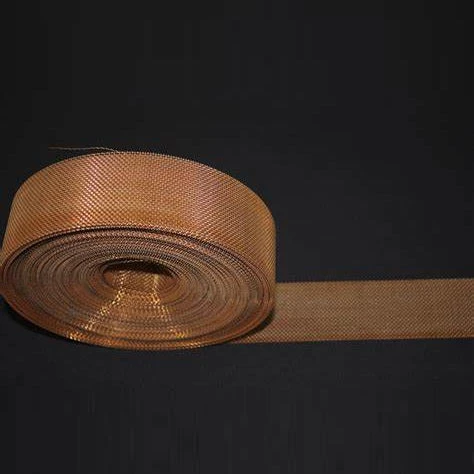

Understanding Copper Wire Mesh Panels: Global Relevance and Benefits
When we talk about copper wire mesh panels, it might sound like just another industrial product—metal woven into sheets, right? But in reality, these panels serve as vital components in industries worldwide, from high-tech electronics to environmental management. Globally, copper’s unique conductivity, corrosion resistance, and antibacterial properties make these panels invaluable. As the world leans into sustainability and advanced manufacturing, understanding copper wire meshes becomes not only interesting but crucial for innovation and practical solutions.
Frankly, the more you learn about these panels, the clearer it is that they’re more than just raw materials—they’re part of a bigger, greener future.
Introduction: The Global Context of Copper Wire Mesh Panels
Copper demand has been steadily increasing worldwide—in 2023, copper production reached over 22 million metric tons, according to the US Geological Survey. This rise is tied to growing sectors like renewable energy, electronics, and water treatment. Copper wire mesh panels, specifically, offer a flexible and efficient medium for various industrial needs, bridging gaps between raw metal and engineered solutions.
However, we face challenges such as sustainable sourcing and economic pressures on supply chains. The World Bank notes potential copper shortages by 2030 if demand keeps accelerating without efficient recycling or alternative materials. That’s where optimizing copper mesh use, like in functional panels, becomes part of the solution for circular economies and resource efficiency.
What Are Copper Wire Mesh Panels?
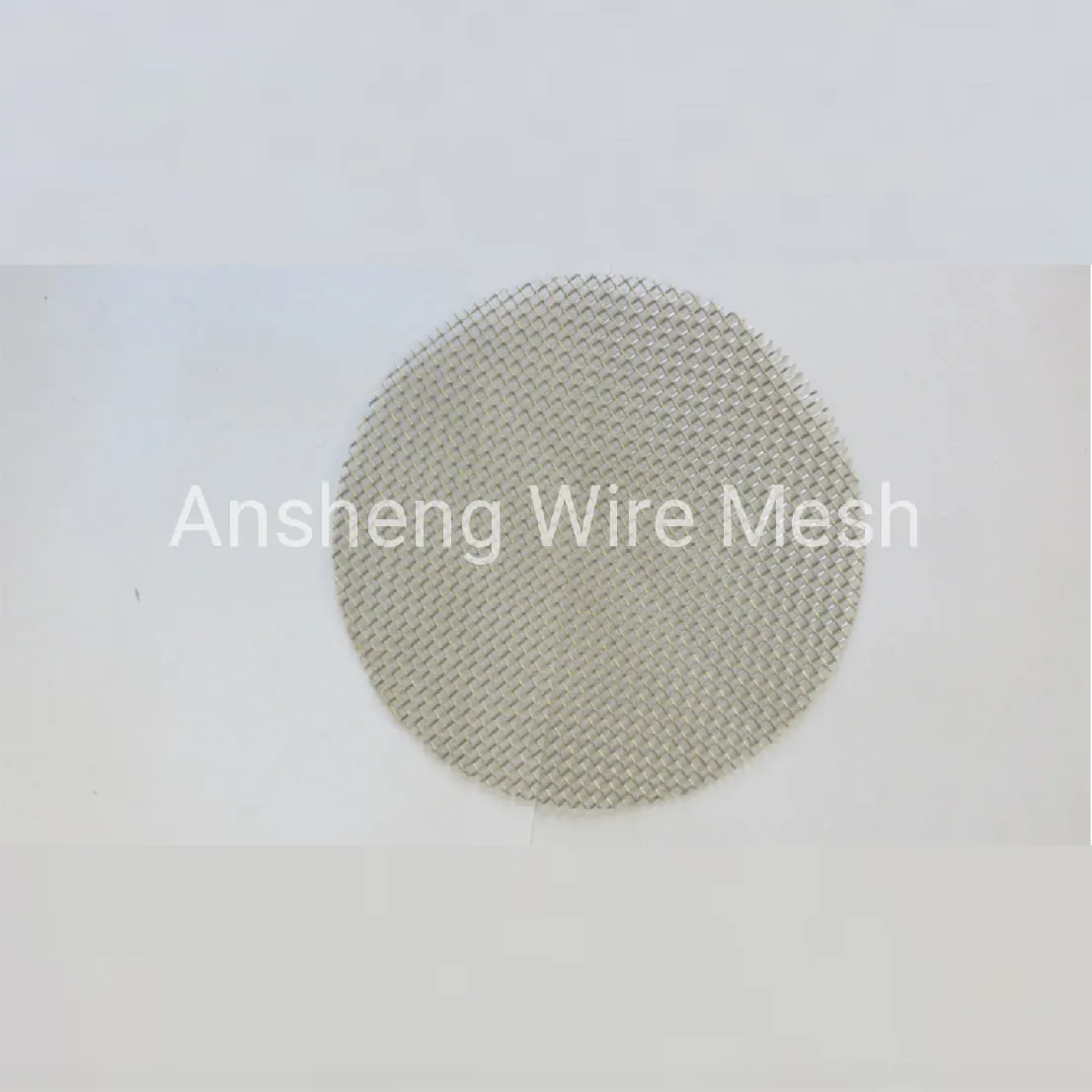
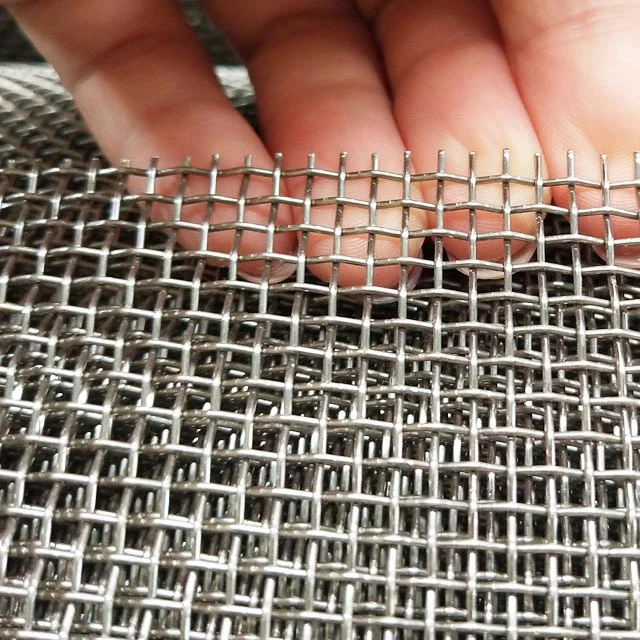
Simply put, copper wire mesh panels are grids formed by weaving copper wires into a flat sheet or panel. The weaving patterns vary, allowing customization for strength, porosity, or electrical properties. You can think of them as the copper equivalent of a filter or scaffold, but one that’s conductive and corrosion-resistant.
In modern industry, these panels are used for electromagnetic shielding, filtration systems, and even architectural elements. Humanitarian applications include water purification setups and protective installations, illustrating their versatile role in both tech and aid sectors.
Key Factors of Copper Wire Mesh Panels
Durability
Copper naturally resists rust and corrosion, which means these panels last much longer than many other wire meshes. In harsh environments—like coastal regions or industrial plants—this durability is a game-changer.
Conductivity
Copper’s excellent electrical conductivity makes these panels ideal for electromagnetic interference (EMI) shielding in electronics or telecommunications equipment.
Flexibility and Customization
The wire gauge, weave pattern, and panel size can be tailored to fit unique specifications. This adaptability makes them suitable for everything from fine filtration to structural reinforcement.
Eco-Friendly Attributes
Because copper is highly recyclable, these panels support sustainability goals. Recycled copper retains conductivity and strength, encouraging circular material flows.
Cost Efficiency
Granted, copper is pricier than materials like steel or aluminum mesh, but its longevity and performance often translate to lower lifecycle costs.
Global Applications and Use Cases
You’ll find copper wire mesh panels across continents—from urban infrastructure in Europe to post-disaster relief in Southeast Asia. For example, in water filtration projects in sub-Saharan Africa, copper’s antibacterial properties help improve hygiene without complex chemical treatments.
In electronics manufacturing hubs like Taiwan and South Korea, copper mesh serves as EMI shields within devices, ensuring product reliability. Similarly, mining operations in Australia use copper mesh as durable screens for material sorting and protection.
Even architectural firms in the US have started integrating copper wire mesh for aesthetic facades that age beautifully and resist weathering.
Product Specification Table
| Specification | Description |
|---|---|
| Material | High-purity copper (99.9%) |
| Wire Diameter | 0.1 mm to 2.0 mm |
| Mesh Aperture | 10 mesh to 200 mesh |
| Standard Panel Size | 1 m × 2 m (custom sizes available) |
| Tensile Strength | 220 MPa minimum |
| Surface Finish | Natural copper or tin-plated for enhanced corrosion resistance |
Mini Takeaway: Copper wire mesh panels combine strength and finesse, making them indispensable for diverse industrial and humanitarian applications worldwide.
Advantages & Long-Term Value
Choosing copper wire mesh panels isn’t simply a technical decision—it’s a long-term investment. Their reliability means fewer replacements and less maintenance, which saves money and downtime. On the sustainability front, copper encourages recycling and environmental stewardship, which, you know, feels right in a planet-conscious world.
From a social perspective, these panels contribute to safer water systems and better electronics, benefitting communities directly. Trust is built when technologies work consistently and responsibly over time.
Vendor Comparison Table
| Vendor | Product Range | Customization Options | Price Range | Lead Time |
|---|---|---|---|---|
| Ansheng Filter Screen | Standard & Custom Copper Mesh Panels | Wire diameter, mesh size, panel dimensions | Mid to premium | 2-4 weeks |
| CopperTech Supplies | Large-scale industrial panels | Limited customization | Budget | 3-6 weeks |
| Global Mesh Solutions | Varied metal meshes including copper | Extensive customization | Premium | 4-8 weeks |
Future Trends & Innovations
The future of copper wire mesh panels looks exciting, honestly. Researchers are exploring nano-coatings that could amplify copper’s already impressive antibacterial effects—critical in medical and food processing fields.
On the sustainability side, policy drives toward circular economies amplify copper recycling. Plus, integrating IoT sensors into mesh panels for smart infrastructure is beginning to take shape, blending digital transformation with traditional materials.
Challenges & Practical Solutions
Though copper is fantastic, the price volatility and raw material limitations can be frustrating. Supply disruptions sometimes delay projects—frankly, that’s a big real-world headache.
Innovative alloying and blended meshes (pairing copper with less costly metals) help reduce costs while maintaining essential properties. Plus, agile supply chain management with transparent vendor relationships can mitigate risks.
FAQ: Your Copper Wire Mesh Questions Answered
- Q: How does copper mesh compare to steel mesh in corrosion resistance?
A: Copper mesh outperforms steel mesh because copper forms a protective patina that resists rust and degradation, especially in moist or salty environments. - Q: Can copper wire mesh panels be recycled?
A: Absolutely. Copper is among the most recyclable metals without losing quality, making copper wire mesh panels an eco-friendly choice for circular economies. - Q: What industries benefit most from copper wire mesh panels?
A: Key sectors include electronics (for EMI shielding), water purification (due to antibacterial properties), and architecture (for durable facades and design elements). - Q: Are custom sizes and weaves easily available?
A: Yes, many suppliers including Ansheng Filter Screen offer customization for wire diameter, mesh size, and panel dimensions to meet diverse needs. - Q: How long do copper wire mesh panels typically last in outdoor applications?
A: With proper installation, they often last decades due to copper’s natural corrosion resistance, even in harsh weather or marine settings.
Conclusion: Why Copper Wire Mesh Panels Matter Long Term
Investing in copper wire mesh panels means embracing a solution that balances performance, durability, and sustainability. You get a product that doesn’t just meet technical demands but also supports environmental responsibility and social impact. Whether for a complex industrial project or a humanitarian initiative, copper mesh panels prove their worth over time.
If you’re looking to explore quality copper wire mesh panels, visit our website to see how customized solutions can meet your unique challenges.
In real terms, it feels like copper wire mesh panels quietly keep parts of the world running better and cleaner. That’s reassuring.
References
Post time: Dec . 07, 2025 16:10