
Understanding Copper Wire Gauze: Essential Insights for Industry and Innovation
Ever stumbled upon the term copper wire gauze and wondered why it's getting so much attention these days? Frankly, there's more to this humble mesh than meets the eye. It's a simple material with outsized global importance—from industrial safety to humanitarian applications. Grasping what copper wire gauze is and why it matters can open doors to smarter material choices in sectors like chemical engineering, disaster relief, and even electronics manufacturing. Beyond its obvious durability and conductive properties, mastering its nuances can lead to cost savings, safer operations, and innovative new uses worldwide.
Global Importance and Context
On a macro scale, copper wire gauze stands as a quietly vital player in sectors foundational to global infrastructure and safety. According to the International Copper Association, global copper demand has steadily risen over 3% annually in recent years, driven largely by electrical and industrial uses. The ISO has even recognized standards for copper mesh manufacturing due to its critical function in flame arrestors and filtration systems. Yet, many industries still grapple with inconsistent supply, quality issues, and limited awareness of copper gauze’s capabilities—problems that can lead to costly failures or hazardous situations.
Defining Copper Wire Gauze
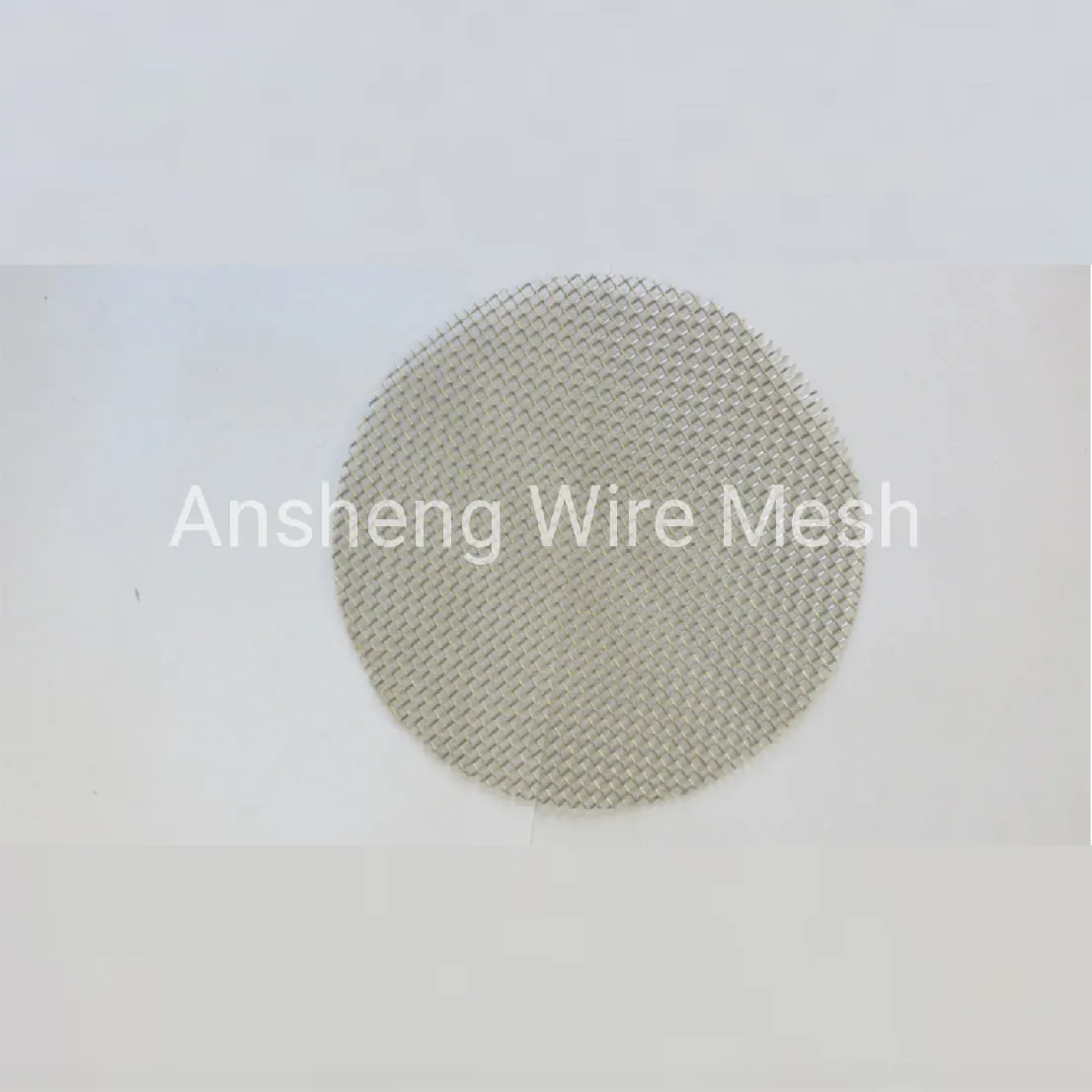
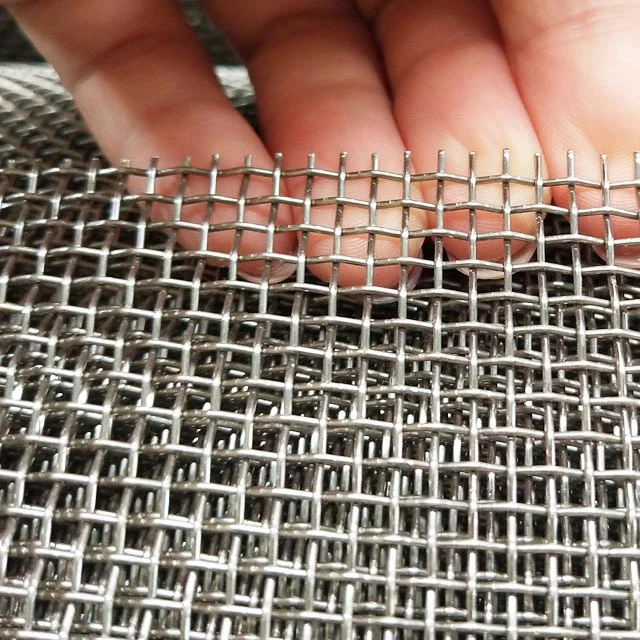
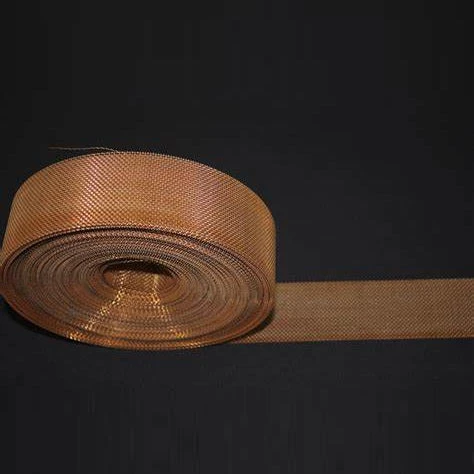
So what exactly is copper wire gauze? At its simplest, it’s a woven mesh made from fine copper wires, interlaced into grids that let air or fluids flow through while acting as a barrier or filter. This material is prized for its conductivity, malleability, corrosion resistance, and thermal properties. From the laboratory gas burners everyone’s familiar with to sophisticated industrial safety equipment, it’s this combination of traits that makes copper wire gauze indispensable, touching everything from research labs to humanitarian aid kits.
Core Characteristics of Copper Wire Gauze
Durability and Corrosion Resistance
One of the biggest draws is how copper naturally resists rust and chemical degradation. Where steel or aluminum might corrode, copper wire gauze generally holds steady, making it ideal for harsh environments—imagine off-shore oil rigs or processing plants running corrosive gases.
Thermal Conductivity
The metal’s exceptional heat transfer ability is why copper gauze is often used in flame arrestors. It quickly dissipates heat from a flame front, preventing explosions—a vital safety function in chemical industries and mining.
Flexibility and Customizability
Engineers can easily adjust wire thickness and mesh size to balance airflow and filtration needs. This flexibility is key for applications ranging from delicate electronics shielding to coarse filtration in water treatment.
Electrical Conductivity
Even beyond mechanical uses, copper wire gauze serves as an EMI (electromagnetic interference) shield in sensitive devices, ensuring reliability in communications and computing contexts.
Mini takeaway: Copper wire gauze is not just a mesh; it’s a multifunctional material marrying strength, heat and electrical management, plus adaptability.
Global Applications & Use Cases
You might be surprised how many corners of the world rely—directly or indirectly—on copper wire gauze. In chemical manufacturing plants, it functions as a critical component of flame arrestors and filters. In post-disaster relief operations, lightweight copper gauze-lined shelters help prevent electrical hazards when power lines are compromised. Remote mining sites in Australia and South Africa use copper wire mesh extensively in ventilation and safety systems. Electronics firms in East Asia layer it in shielding casings to maintain signal clarity.
In fact, in regions where fire safety infrastructure is rudimentary, integrating copper wire gauze technologies has improved industrial safety records measurably. Curious to see nuanced specs? Here’s an overview:
| Specification | Details |
|---|---|
| Wire Diameter | 0.05 – 1.2 mm |
| Mesh Size | 10 – 250 mesh (per inch) |
| Purity | 99.9% copper minimum (oxygen-free options available) |
| Coating | Plain or tin-plated variants |
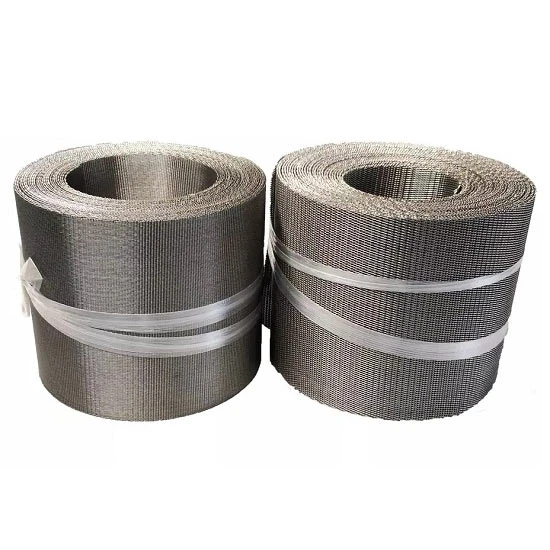
| Standard Length Rolls | 5 to 50 meters |
Advantages and Long-Term Value
- Cost Efficiency: While copper isn’t the cheapest metal, its longevity and reduced maintenance demand often balance total ownership costs favorably.
- Sustainability: Copper is 100% recyclable without quality loss—a fact that aligns well with today’s circular economy principles.
- Reliability & Safety: Its role as a flame arrestor material has saved countless lives, underscoring trustworthiness beyond pure specs.
- Social Impact: In humanitarian contexts, copper wire gauze enables safer living spaces, which is about dignity as much as protection.
Mini takeaway: Copper wire gauze embodies both practical and ethical values – a rare win-win in materials engineering.
Vendor Comparison: Leading Copper Wire Gauze Suppliers
| Vendor | Quality Certification | Price Range (per kg) | Customization Options | Minimum Order |
|---|---|---|---|---|
| Ansheng Filter Screen | ISO 9001, RoHS | $12 – $18 | Mesh size, coating, roll length | 5 kg |
| CopperMESH Ltd. | ASTM certified | $14 – $20 | Standard rolls only | 10 kg |
| MeshPro Solutions | ISO, REACH | $11 – $17 | Full customization + coating variants | 3 kg |
Future Trends & Innovations in Copper Wire Gauze
The curious thing is how this traditional material is evolving alongside cutting-edge tech. There’s growing interest in integrating nano-coatings on copper wire gauze to enhance corrosion resistance and self-cleaning properties. Additive manufacturing and digital weaving techniques are enabling mesh designs with previously impossible geometry and porosity control. Not to mention, sustainability trends push innovation in reclaiming copper from waste and recycling it into new gauze products—closing the loop in a meaningful way. Oddly enough, as automation advances in mining and chemical plants, flame arrestor components that use copper wire gauze are becoming “smart,” with embedded sensors monitoring performance in real time.
Challenges and Solutions
Of course, no tech is perfect. Supply chain disruptions, particularly during global crises, have led to copper price volatility, making procurement tricky for some industries. There’s also the environmental impact of mining copper to consider, though recycling mitigates some concerns. On the practical side, improper installation or poor maintenance can compromise copper wire gauze effectiveness—something many factory managers note. The good news: training programs and quality standards have pretty effectively raised the bar, while innovations in coatings and alloys continue to address durability issues.
FAQ: Frequently Asked Questions About Copper Wire Gauze
- Q: What makes copper wire gauze preferable over stainless steel mesh?
A: Copper wire gauze boasts superior thermal and electrical conductivity, essential for flame arrestors and EMI shielding. Its corrosion resistance in certain environments (e.g., saltwater) also generally outperforms stainless steel, although cost and specific use cases matter. - Q: How do I select the right mesh size for filtration applications?
A: It largely depends on the particle size you need to filter and the allowable airflow or liquid flow rate. For instance, fine mesh (over 200 mesh) traps smaller particulates but reduces flow, while coarser mesh allows more flow but filters less. Consulting with a vendor like copper wire gauze specialists can clarify specifications. - Q: Is copper wire gauze recyclable?
A: Absolutely. Copper can be recycled indefinitely without losing quality, making copper wire gauze an eco-friendly choice when reclaimed properly. - Q: Can copper wire gauze be used in explosive environments?
A: Yes. Because of its role in flame arrestors, copper wire mesh is often employed in hazardous gas areas to prevent flashbacks and explosions—provided it meets relevant safety standards. - Q: How do I import copper wire gauze internationally for industrial use?
A: Working with reputable suppliers who understand export regulations and provide certification helps streamline the process. Documentation for quality, customs, and compliance needs to be clear upfront.
Conclusion & Call to Action
Copper wire gauze might seem like a simple product, but it stands at the crossroads of safety, efficiency, and innovation across diverse industries worldwide. Its unique blend of properties ensures continued relevance—and growing importance—as technologies and environmental demands evolve. For engineers, safety officers, and humanitarian planners alike, copper wire gauze represents a small piece of material engineering that packs a punch. Curious to explore top-quality options? Go ahead and visit our website for detailed info and custom solutions.
Our takeaway? Sometimes, the answer to complex challenges lies in revisiting trusted materials — but with fresh eyes.
References
Post time: Dec . 07, 2025 13:35