
Copper Wire Cloth: An Essential Material Shaping Global Industry and Innovation
What exactly is copper wire cloth, why is it so important around the world, and why should industries and humanitarian actors alike care? At first glance, it might seem like just a specialized metal mesh, but copper wire cloth plays a pivotal role in areas ranging from advanced manufacturing to environmental safety. Understanding its properties and applications not only deepens appreciation for a deceptively simple material, but also highlights solutions for global challenges such as clean water filtration, electromagnetic shielding, and sustainable construction.
Global Context: Why Copper Wire Cloth Matters Today
Copper wire cloth stands at the intersection of tradition and technology. The global copper market alone is projected to reach $226 billion by 2028 (Source: MarketWatch), reflecting its essential role in electrical wiring, electronics, and industrial equipment. A significant portion of this demand involves copper wire cloth — a woven mesh that offers conductivity, corrosion resistance, and mechanical strength in a compact, versatile form. The need for reliable filtration systems, especially in water-stressed regions and industrial sectors, further magnifies the relevance of copper wire cloth worldwide.
Yet there’s a challenge: many filters and mesh materials either corrode quickly or fail under high stress. Copper wire cloth addresses these issues, particularly in harsh environments. Oddly enough, while plastics and composites are trendy alternatives, copper’s recyclability and antimicrobial properties keep it uniquely valuable. So, while industries pivot to greener, smarter solutions, copper wire cloth remains a steadfast foundation.
Defining Copper Wire Cloth
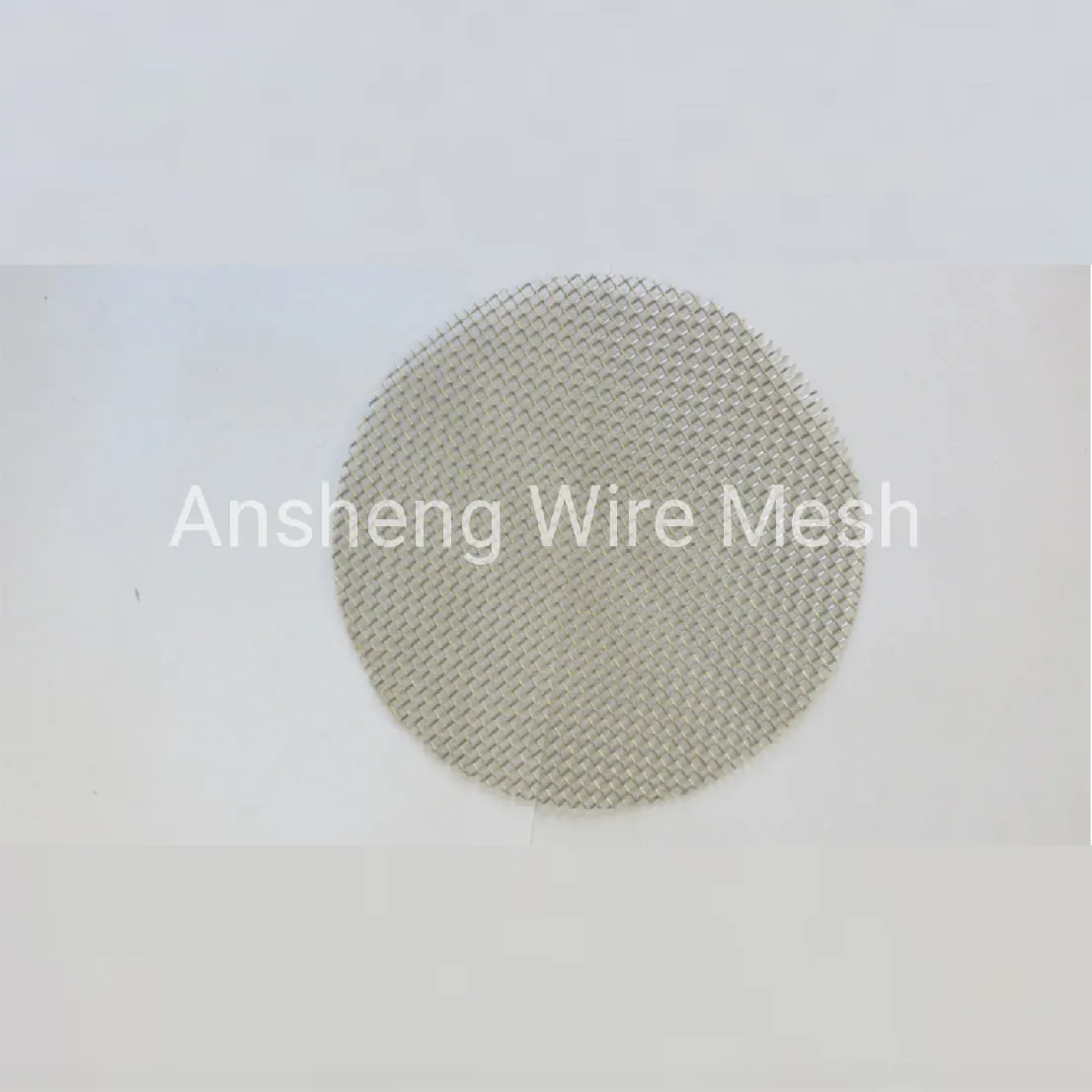
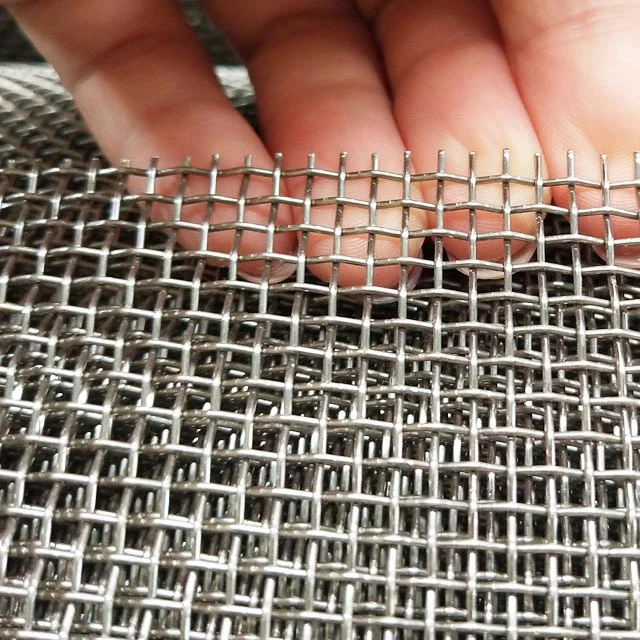
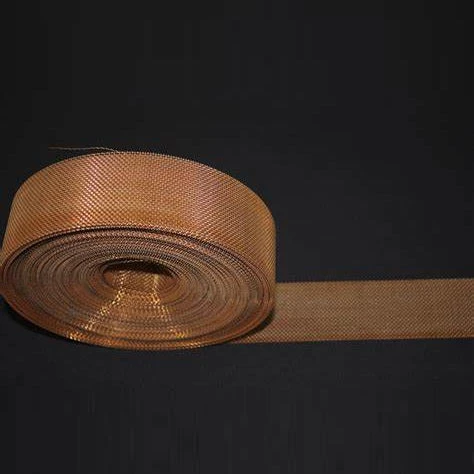
Simply put, copper wire cloth is a woven mesh made from copper wires, similar in structure to fabric but composed entirely of metal. The wires are woven in patterns (plain weave is most common) to create a flexible yet sturdy sheet. Its uses span from filtration and sieving to electromagnetic shielding and heat dissipation.
Its connection to industry and humanitarian needs is quite straightforward. For example, in water filtration systems, this cloth filters out particulates without chemical additives. Its use in hardware and electronics protects sensitive components from interference. Humanitarian organizations value its durability and reusability for emergency shelters and water infrastructure.
Key Features and Core Components of Copper Wire Cloth
1. Durability and Corrosion Resistance
Copper inherently resists corrosion due to its oxide layer. This makes copper wire cloth ideal for use in outdoor and marine environments where rust is a constant enemy.
2. Electrical and Thermal Conductivity
The metal’s excellent conductivity allows copper wire cloth to serve as effective electromagnetic interference (EMI) shielding, a growing priority in today’s electronics-heavy world.
3. Flexibility and Strength
Though metal, the woven nature adds flexibility that solid sheets lack. This flexibility enables easier handling and installation without sacrificing mechanical strength.
4. Antimicrobial Properties
Copper naturally inhibits bacterial growth, making it beneficial in filtration and medical applications.
5. Scalability and Customizability
The mesh size, wire diameter, and weave pattern can be tailored to precise needs, allowing for specialized applications — from fine filtration (copper wire cloth) to architectural screening.
Global Applications and Use Cases
- Water Filtration Systems: Used by NGOs in disaster relief to provide immediate access to clean water by filtering out pathogens and debris.
- Electronics and Telecommunication: EMI shielding in devices ranging from smartphones to satellites.
- Industrial Separation Processes: Separating powders or granules in pharmaceutical and chemical plants.
- Construction and Architecture: Ventilation panels or facade mesh in green building designs.
- Marine and Aerospace: Components exposed to harsh conditions requiring non-corrosive, conductive mesh.
For example, in remote industrial zones of South America, copper wire cloth filters contaminants in mining water discharge, safeguarding local ecosystems — a task no other mesh fulfills so reliably. Similarly, East Asian electronics firms rely heavily on finely woven copper mesh for their high-frequency shielding needs.
Advantages and Long-Term Value
In terms of cost-efficiency, copper wire cloth offers longevity that reduces replacement expenses. Its recyclability supports sustainability goals, cutting down on manufacturing waste. Socially, the antimicrobial nature ensures safer environments, addressing public health concerns.
Technically, its robustness reassures engineers and operators of minimal downtime. Emotionally, for end-users, there’s the implicit trust that comes with using proven materials—especially in critical applications like water sanitation. Innovation-wise, copper wire cloth integrates seamlessly with advances in automation and digital manufacturing, keeping it relevant for decades.
Future Trends and Innovations
Looking ahead, the marriage of copper wire cloth with nanotechnology hints at filters capable of targeting microscopic pollutants. Green energy industries eye copper mesh as a key component in battery manufacturing and ultra-efficient solar panels. Digital factories tweak weave designs through AI-driven processes to optimize performance. Even eco-conscious policies encourage use of copper-based materials because they align with circular economy principles.
Challenges and Their Solutions
Of course, copper wire cloth isn’t without its own hurdles. Cost compared to stainless steel can be higher, and improper maintenance can lead to tarnishing. However, surface treatments and alloying with other metals mitigate these issues.
On a supply side, sourcing high-purity copper meshes globally occasionally bumps into trade restrictions or material shortages. Innovative recycling programs and diversified supplier networks increasingly help ease supply chain risks.
Product Specification Table
| Specification | Detail |
|---|---|
| Material | Electrolytic Copper (Cu 99.9%) |
| Weave Type | Plain Weave (Standard) |
| Wire Diameter | 0.05 mm – 1.0 mm |
| Mesh Count | 10 – 300 mesh |
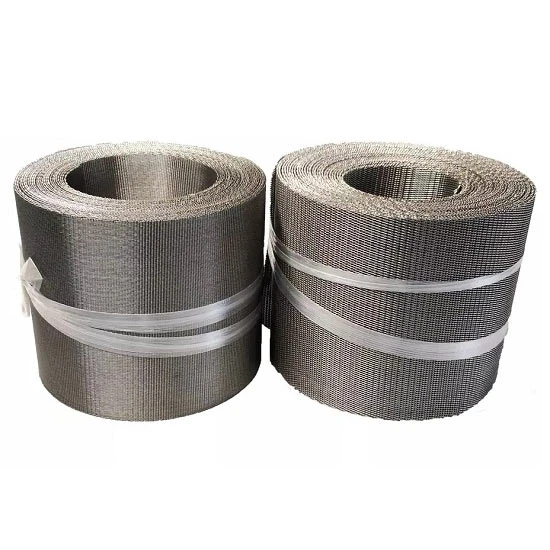
| Max Size | 2 m width rolls |
| Finish | Annealed / Tempered options |
Comparing Leading Copper Wire Cloth Vendors
| Vendor | Product Range | Customization | Lead Time | Eco Credentials |
|---|---|---|---|---|
| Ansheng Filterscreen | Wide (10-300 mesh) | High (custom sizes, alloys) | 2-4 weeks | Recycled materials usage |
| CopperTech Industries | Niche (20-200 mesh) | Moderate | 3-6 weeks | Standard |
| Global Wire Mesh Co. | Extensive (5-400 mesh) | Custom alloys available | 1-3 weeks | ISO 14000 certified factories |
FAQ: Your Copper Wire Cloth Questions Answered
- What makes copper wire cloth better than stainless steel mesh for filtration?
- Copper’s natural antimicrobial properties and superior conductivity set it apart. It also resists corrosion in acidic or saline environments better, extending its service life in water filtration systems.
- How customizable is copper wire cloth for specialized industrial needs?
- Very customizable. Variations in mesh size, wire thickness, and weave patterns allow precise control over filtration level, strength, and flexibility. Many vendors offer alloy blends and finishes to suit particular applications.
- Can copper wire cloth be used in harsh outdoor or marine environments?
- Yes, copper’s corrosion resistance makes it ideal for marine uses. However, regular cleaning and maintenance optimize longevity by preventing surface tarnish and biofouling.
- Is copper wire cloth recyclable, and is recycling commonly practiced?
- Absolutely. Copper is highly recyclable without quality loss. Leading manufacturers and users promote recycling both to reduce costs and support sustainable manufacturing.
Conclusion: Embracing Copper Wire Cloth in a Sustainable Future
From filtration to EMI shielding, copper wire cloth functions as a quietly indispensable component across industries and humanitarian projects. Its remarkable blend of durability, flexibility, and antimicrobial properties ensures it will remain relevant. Embracing copper wire cloth isn’t just a technical choice—it’s a forward-thinking one aligned with sustainability, safety, and innovation.
Interested in exploring high-quality copper wire cloth options? Visit our website at https://www.anshengfilterscreen.com for detailed product specs, customization services, and expert guidance.
Mini takeaway: Copper wire cloth proves that combining age-old materials with modern innovation creates practical solutions for today’s challenges.
References
Post time: Dec . 03, 2025 18:16