
Understanding 300 Micron Stainless Steel Mesh: Why It Matters Globally
Simply put, a 300 micron stainless steel mesh is a finely woven screen made from corrosion-resistant steel wires with openings about 300 microns (or 0.3 millimeters) wide. Sounds simple, right? But here’s the catch — this precision filtering fabric is a backbone in so many industries worldwide, from water purification to aerospace. These tiny openings act like gatekeepers, letting essential materials through while keeping impurities out.
Globally, the demand for reliable high-performance filters is skyrocketing, partly driven by tightening environmental standards and a greater push for sustainable resource usage. Having a solid grasp of such mesh products isn’t just academic; it directly impacts how safely we process water, craft pharmaceuticals, or even build cleaner machines. Frankly, mastering the use of 300 micron stainless steel mesh can be game-changing for engineers and environmentalists alike.
The Widespread Importance of Fine Stainless Steel Mesh Today
Don’t be surprised, but the market for stainless steel mesh continues growing at a healthy clip internationally — a blend of industries from petrochemicals to food manufacturing rely heavily on this material. According to the International Organization for Standardization (ISO), precision filtering meshes help meet stringent quality and safety standards that reduce contamination risks.
Another challenge many regions face, especially in developing economies, is access to clean water and safe processing methods. Enter the 300 micron stainless steel mesh, which helps in filtering out particulate matter effectively, bridging a tiny but crucial gap in water treatment and food safety. Its role in filtering solutions — particularly in disaster-prone or industrially complex zones — makes it a silent hero in tackling global sustainability hurdles.
Summary Takeaway:
- 300 micron stainless steel mesh underpins critical filtration worldwide.
- It addresses major challenges like contamination and regulatory compliance.
- Its use boosts sustainability and public health on a global scale.
Breaking It Down: What Exactly Is 300 Micron Stainless Steel Mesh?
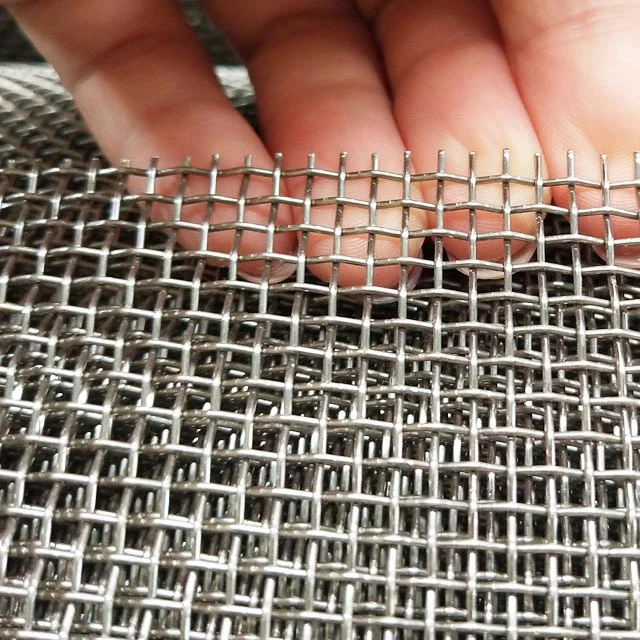
At its core, a 300 micron stainless steel mesh refers to a metal filter cloth where the diameter of each hole measures roughly 300 microns. To put that in perspective: it’s about three-tenths of a millimeter — or roughly the width of a coarse human hair.
Constructed from high-quality stainless steel wires — commonly grades like 304 or 316 — this mesh withstands harsh environments, including chemical exposure and temperature swings. Industries appreciate it for its mechanical strength and resistance to rust or corrosion, which traditional fabric filters just can’t match.
This mesh also plays a direct role in humanitarian causes — clean water access projects use it in filtration systems to trap sediment and bacteria before water reaches communities in need. So the technical precision carries tangible human benefits, neatly linking advanced manufacturing with real-world impact.
Summary Takeaway:
- 300 micron mesh openings equal about 0.3 mm diameter pores.
- Made from corrosion-resistant stainless steel for durability.
- Key connector between industrial tech and humanitarian needs.
Key Components That Make 300 Micron Stainless Steel Mesh a Technical Standout
Durability
Stainless steel’s inherent corrosion resistance ensures the mesh won’t deteriorate quickly, even when immersed in water or chemicals. Its durability translates directly to lifespan — often years longer than polymer screens — making it a smart choice where maintenance is tough (think remote water plants or industrial sites).
Precision & Consistency
Having uniform 300 micron openings allows reliable filtration performance. This consistency is crucial, especially where micron-level accuracy affects product safety — such as in pharmaceutical manufacturing or food processing.
Scalability
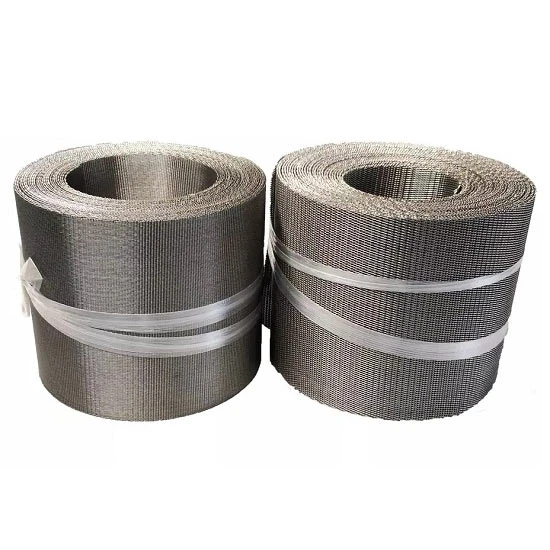
Whether you need small filter panels or industrial-sized rolls, stainless steel mesh manufacturing processes scale well. This flexibility lets manufacturers provide customized filtration solutions tailored to various scales and budgets.
Cost Efficiency Over Time
While stainless steel products may have a higher upfront cost than synthetic filters, their robustness reduces replacement frequency. Over time, this balance tips favorably, especially when factoring in downtime and waste disposal costs.
Easy Maintenance & Sterilization
The mesh’s metal nature means it can withstand high-temperature cleaning and sterilization processes. For sensitive applications, this helps maintain hygienic environments without degrading filter material.
Summary Takeaway:
- Durability and corrosion resistance prolong filter life.
- Precision mesh size ensures reliable performance.
- Scalable solutions fit a range of industrial needs.
- Cost efficiency grows through longevity and minimal upkeep.
Real-Life Applications: Where 300 Micron Stainless Steel Mesh Shines
You’d be surprised how ubiquitous this mesh truly is. For example, in South East Asia, water treatment plants integrate 300 micron filtering screens to remove particulate pollution from river waters before municipal distribution. Meanwhile, in Europe and North America, food processing companies rely on these meshes to capture small debris without affecting product quality.
In the mining sector, especially in Australia and Africa, stainless steel mesh filters separate valuable minerals from unwanted slurry. Disaster relief agencies also stock piles of filtration units incorporating this mesh for quick deployment in emergency water purification.
Even emerging green technologies, like hydrogen fuel production, benefit from stainless steel meshes for filtration in electrolyzer components, ensuring that contaminants don’t degrade sensitive catalysts.
Summary Takeaway:
- Used worldwide in water, food, mining, and green energy sectors.
- Supports humanitarian efforts through emergency filtration kits.
- Adopted by industries prioritizing precision and durability.
Understanding the Tangible Benefits of 300 Micron Stainless Steel Mesh
In practical terms, this filtering mesh saves money, improves long-term operational reliability, and fortifies safety. For instance, a food processor that avoids contamination recalls thanks to stringent filtration safeguards customer trust and cuts legal risks.
On the emotional side, water filtration using stainless steel mesh means communities get safer drinking water, translating into better health outcomes and dignity. One could argue this is technology quietly forging social progress. Moreover, by reducing plastic filter use, stainless steel solutions contribute to sustainability goals — a solid rationale for “green” certifications in many sectors.
Summary Takeaway:
- Lower total cost of ownership due to durability.
- Enables compliance with health and safety standards.
- Boosts social welfare through improved water quality.
- Supports sustainability by reducing disposable waste.
Emerging Innovations Shaping the Future of Stainless Steel Mesh Filters
R&D teams aren’t resting on their laurels. Advances in nanocoatings aim to make stainless steel meshes anti-fouling, reducing clogging from biofilms. Some companies experiment with hybrid meshes combining stainless steel with polymer membranes to balance filtration efficiency and flexibility.
Then there’s Industry 4.0 — digital embedded sensors now monitor mesh integrity and clogging in real-time, feeding data to central control systems. This shift to smart filtration reduces downtime and enhances predictive maintenance.
Climate-conscious initiatives encourage manufacturers to adopt recycled steel inputs and optimize energy use during mesh production, aligning with global carbon reduction pledges.
Summary Takeaway:
- Nanotechnology offers anti-fouling capabilities.
- Smart mesh sensors improve maintenance regimes.
- Eco-friendly manufacturing reduces environmental impact.
Challenges in Deploying 300 Micron Stainless Steel Mesh and Solutions
Despite all the positives, stainless steel mesh isn’t perfect. Some complain about initial cost barriers, especially in low-income countries trying to adopt higher-tech filtration. There’s also the risk that physical damage can compromise mesh integrity if not properly handled.
Yet, innovative approaches exist: leasing models lower upfront expenses, and training programs empower local technicians in mesh maintenance. Protective coatings and stronger wire alloys reduce breakage risk. The industry actively seeks bulk production efficiencies to drop prices without sacrificing quality.
Summary Takeaway:
- Initial cost can be prohibitive but is mitigated by financing and training.
- Mesh damage risk lowered through stronger materials and handling guidelines.
- Industry focus on better scalability and accessibility remains high.
Product Specification Table: Typical 300 Micron Stainless Steel Mesh
| Specification | Value | Unit |
|---|---|---|
| Wire Diameter | 0.2 | mm |
| Aperture Size | 300 | microns |
| Mesh Count (per inch) | 50 | |
| Material Grade | 304/316 | |
| Tensile Strength | 520 | MPa |
| Thermal Resistance | -200 to 850 | °C |
Vendor Comparison: 3 Leading 300 Micron Stainless Steel Mesh Suppliers
| Vendor | Country | Material Grades | Typical Lead Time | Certification |
|---|---|---|---|---|
| Ansheng Filters | China | 304, 316 | 2-3 weeks | ISO 9001 |
| MetalMesh Solutions | Germany | 316L | 3-4 weeks | ISO 14001 |
| FiltraTech Inc. | USA | 304 | 1-2 weeks | FDA Compliant |
Frequently Asked Questions About 300 Micron Stainless Steel Mesh
- What environments is 300 micron stainless steel mesh best suited for?
- Its high corrosion resistance and durability make it ideal for harsh chemical environments, water treatment plants, and food processing where hygiene and longevity are key.
- Can this mesh be customized for different applications?
- Absolutely. Manufacturers offer variations in wire diameter, mesh count, and material grades to suit filtration needs across industries.
- How does 300 micron mesh compare to polymer filters?
- While polymers may be cheaper upfront, stainless steel offers superior heat resistance, mechanical strength, and can be cleaned and reused, making it cost-effective long term.
- Is the mesh compatible with auto-cleaning filter systems?
- Yes. Its mechanical strength withstands automated backflushing and abrasion often seen in industrial filter systems.
- How can I source genuine, quality 300 micron stainless steel mesh?
- Look for certified suppliers like Ansheng Filters, who provide quality assurance and customization options.
Wrapping Up: Why Investing in 300 Micron Stainless Steel Mesh Makes Sense
All things considered, the 300 micron stainless steel mesh isn’t just another industrial component — it’s a key player in ensuring safety, boosting efficiency, and advancing sustainable practices globally. Whether you’re tackling water purification in a remote village or refining precision manufacturing processes, its reliability and adaptability are unmatched.
Interested in exploring your options? Visit our website Ansheng Filters for detailed specs, custom orders, and expert advice on your filtration needs.
References
Post time: Nov . 27, 2025 15:45