
A Practical Dive into Stainless Steel Wire Rope Mesh: What It Is & Why It Matters
If you've ever marvelled at the sheer strength and flexibility of those industrial safety barriers or wildlife enclosures, chances are you've encountered stainless steel wire rope mesh. Despite sounding like a mouthful of technical jargon, it plays a surprisingly pivotal role across various industries globally. From architectural facades that marry form and function, to safety nets that save lives on construction sites — understanding stainless steel wire rope mesh offers insight not only into engineering feats but also into durable, sustainable solutions shaping our modern world.
Given the immense benefits of this material — chiefly its remarkable durability, corrosion resistance, and adaptability — it's no wonder that globally, millions of meters are installed annually. Yet, what exactly is stainless steel wire rope mesh? And why does it increasingly become the go-to choice in environments demanding both strength and finesse?
For further reading on closely related materials and innovative uses, see our page on stainless steel wire rope mesh.
Global Context: Why Stainless Steel Wire Rope Mesh Is a Game-Changer
Look around any modern city—from skyscraper curtain walls in New York to the suspension cables of Swiss bridges—you will find stainless steel wire rope mesh quietly enabling bigger, safer, and more adaptive structures. According to an ISO report (ISO 9001 standards for wire products), stainless steel products have seen a 5% annual growth globally over the last decade, primarily fueled by demands in construction, mining, and environmental engineering sectors.
More importantly, the United Nations climate initiatives emphasize sustainable building materials and resilient infrastructure—two areas where stainless steel wire rope mesh shines. These meshes effectively meet challenges posed by harsh weather, seismic activity, or corrosive environments, making them vital in disaster-prone and industrial zones worldwide.
One notable problem it addresses is the limitation of conventional wire meshes, which often degrade quickly under environmental stress. This limitation causes frequent replacements, safety risks, and increased costs. Stainless steel wire rope mesh, however, promises longevity with minimal maintenance, which in real terms means safer communities and smarter asset management.
What Is Stainless Steel Wire Rope Mesh? A Simple Definition
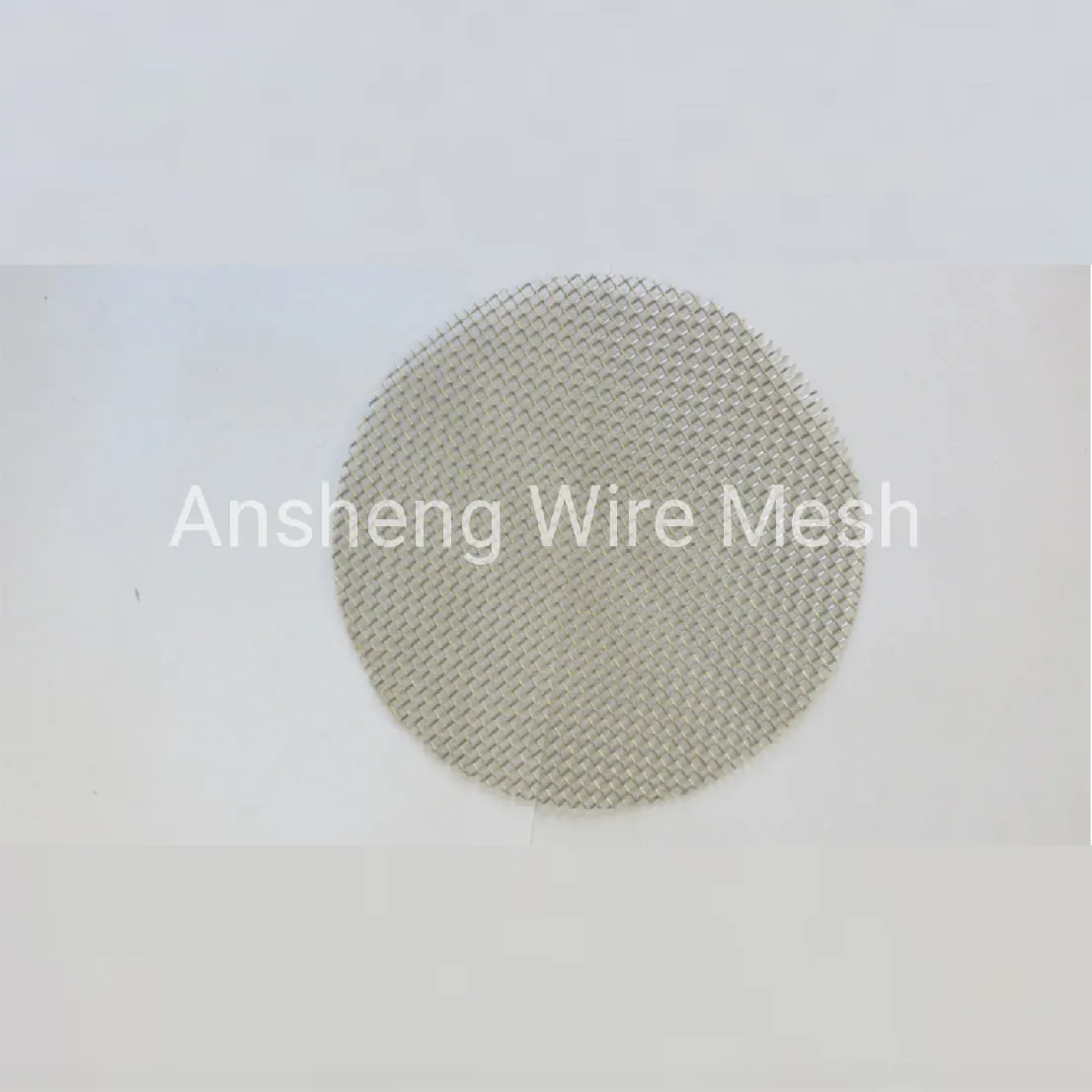
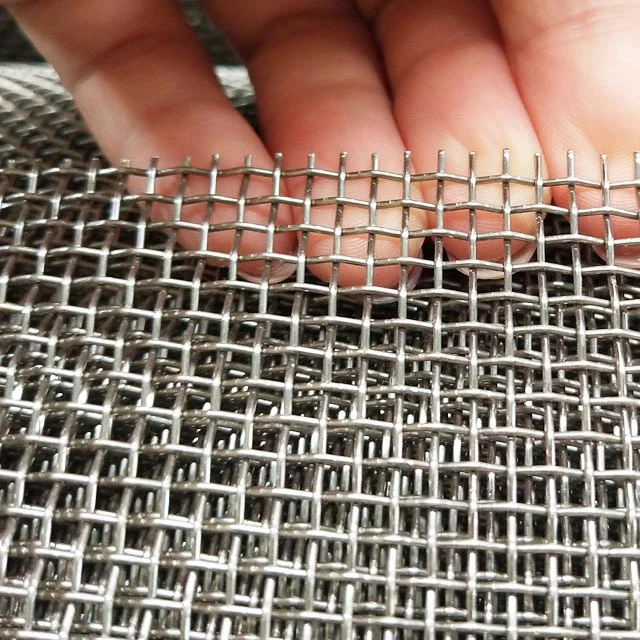
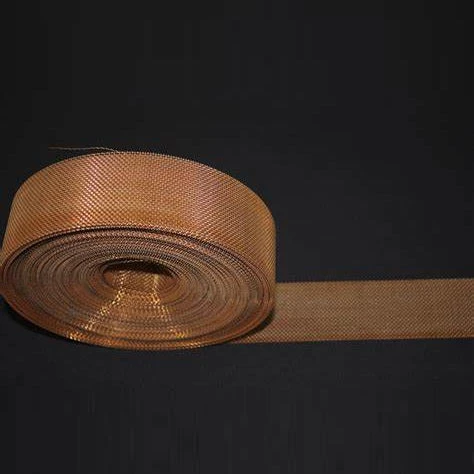
In essence, stainless steel wire rope mesh is a woven or knitted fabric made from twisted stainless steel wires. Unlike simple wire mesh, the wires are formed into ropes before being woven, giving the structure significant strength and flexibility. It's that twist — quite literally — that allows it to bear heavy loads while flexing rather than snapping, much like nature’s own spiderweb but industrial-grade.
Most often, this mesh is made from 304 or 316 grade stainless steel, which guarantees resistance to corrosion and rust. This makes it invaluable for applications that range from architectural design to protective barriers in wildlife reserves, and even heavy-duty industrial sieving.
Mini takeaway:
Think of stainless steel wire rope mesh as a hybrid: stronger than typical mesh, more flexible than steel bars, and sturdier than fabric nets. That combo is why it’s becoming a staple in modern infrastructure.
Key Factors Defining Stainless Steel Wire Rope Mesh
1. Durability
Why does it last so long? The stainless steel composition plus the rope twist technique makes the mesh exceptionally resistant to weathering, abrasion, and chemical corrosion. Many engineers remark that it easily outperforms galvanized or coated wire meshes, especially in marine or industrial outdoor environments.
2. Flexibility & Strength
The unique rope construction lets the mesh absorb shocks and load distribution far better than rigid alternatives. You’ll find hikers’ cable handrails using similar meshes — offering safety without sacrificing aesthetic transparency.
3. Versatility in Design
From custom mesh sizes to wire diameters varying between 1.5 mm to 5 mm and mesh openings from 5 mm to over 100 mm, customization means architects, engineers, and operators can tailor solutions precisely for their needs.
4. Sustainably Manufactured
Due to stainless steel’s recyclability, the mesh aligns well with increasingly stringent environmental regulations globally. Many manufacturers now report reduced waste and energy usage through improved processes, pushing the mesh towards a greener future.
5. Maintenance & Cost Efficiency
Yes, stainless steel wire rope mesh comes with a higher upfront cost compared to plain wire meshes. But its long-term savings in maintenance and replacement costs turn out incredibly economical over 15-20 years of service life.
Mini takeaway:
It’s a rare combo: tough yet pliable, customizable yet standardized, pricey upfront but a bargain long-term — stainless steel wire rope mesh hits so many marks engineers love.
Global Applications & Practical Use Cases
- Architectural Safety & Aesthetics: Cities like Singapore and Dubai integrate these meshes into façades, rooftop balustrades, and large-span canopies, blending safety and visual appeal.
- Environmental Barriers: In New Zealand’s national parks, stainless steel cable meshes protect endangered species without hindering airflow or views, matching conservation needs.
- Industrial & Mining: Safety nets protecting workers in shaft mines or crushers rely heavily on this mesh’s tensile strength to prevent accidents.
- Disaster Relief & Temporary Installations: NGOs use mesh panels for quick fencing and containment in disaster-hit zones, appreciating its rapid deployment and durability under rough conditions.
Interestingly, while originating in Europe and North America, usage of stainless steel wire rope mesh has surged in Asia-Pacific and Africa, driven by booming urbanization and infrastructure projects.
Mini takeaway:
Whether in megacities, sensitive ecological zones, or remote industrial sites, stainless steel wire rope mesh proves itself versatile and trusted — a silent yet essential hero.
Product Specification Overview
| Parameter | Typical Range | Units | Notes |
|---|---|---|---|
| Wire Diameter | 1.5 - 5.0 | mm | Depends on application strength requirements |
| Mesh Opening Size | 5 - 100+ | mm | Customizable to filter, security needs, or visual transparency |
| Material Grade | 304, 316 | - | 316 preferred for salty or chemical environments |
| Weight per m² | 5 - 15 | kg | Varies by wire diameter and mesh density |
| Maximum Tensile Strength | 1300 - 1600 | MPa | Approximate for wire rope; application-dependent |
Comparing Leading Stainless Steel Wire Rope Mesh Vendors
| Vendor | Product Range | Customization | Average Lead Time | Typical Applications |
|---|---|---|---|---|
| Ansheng Filter Screen Co. | Wide (wire diam. 1.5-5mm, mesh up to 100mm) | High (custom sizes & patterns) | 3-4 weeks | Architectural, industrial, conservation |
| Global Mesh Solutions | Medium (limited mesh openings) | Moderate | 4-6 weeks | Mining, infrastructure |
| EuroSteel Systems | Narrow (mostly standard sizes) | Low | 2-3 weeks | Marine, architectural |
Advantages & Long-Term Value of Stainless Steel Wire Rope Mesh
From a practical perspective, its longevity means fewer replacements, less downtime, and lower lifecycle costs. For builders and facility managers, that translates directly into budget and safety gains. But beyond cold numbers, the emotional reassurance it provides cannot be overstated. Workers walking across high gantries, visitors leaning on balcony barriers, and environmentalists aiming to preserve delicate habitats all share a quiet trust in this material.
It’s sustainable too — stainless steel’s recyclability ensures minimal environmental impact, aligning with global commitments under the Paris Agreement and beyond. Plus, the unmatched corrosion resistance means less chemical treatment or repainting, which often involves toxic substances.
Mini takeaway:
It's not just a mesh; it's a promise of safety, durability, and environmental responsibility rolled into one.
Future Trends & Innovations in Stainless Steel Wire Rope Mesh
Looking ahead, industry insiders highlight some exciting frontiers:
- Smart Mesh Integration: Embedding sensors to monitor stress, corrosion, or tension in real-time to preempt failures.
- Eco-Friendly Alloys: Experiments with alloys containing higher recycled content or enhanced passivation layers to further improve lifespan.
- Digital Fabrication & Automation: 3D weaving tech and AI-assisted customization allow for more complex mesh patterns and improved production efficiency.
- Hybrid Solutions: Combining stainless steel wire rope mesh with composite materials to reduce weight while maintaining strength, suitable for aerospace or advanced architecture.
"It feels like the conveyor belts of innovation keep rolling," said one materials engineer. "These meshes will be more than passive barriers — they’ll be active, intelligent parts of infrastructure." Fascinating, right?
Challenges & Solutions in Current Stainless Steel Wire Rope Mesh Use
Despite its merits, challenges remain. The upfront cost can deter smaller projects. Installation requires skilled labor to ensure tensioning and fastening is done correctly — sloppy installation undermines safety. Occasionally, in extremely corrosive environments, even stainless steel needs special coatings.
Solutions involve improved training programs, better supplier support, and innovative coatings such as nano-ceramic layers that increase corrosion resistance without losing flexibility. Some vendors offer modular panel systems for easier installation and repair, lowering barriers for smaller or remote projects.
FAQ: Frequently Asked Questions About Stainless Steel Wire Rope Mesh
- Q1: How long can stainless steel wire rope mesh last in harsh environments?
- A: Typically, with grades like 316 stainless steel, the mesh can last 15-25 years in marine or industrial settings, provided it’s installed correctly and inspected periodically.
- Q2: Is stainless steel wire rope mesh suitable for wildlife enclosures?
- A: Absolutely. Its transparency, flexibility, and resistance to corrosion make it ideal for habitats where minimal visual and physical intrusion is desired.
- Q3: Can the mesh be customized to fit unusual shapes or sizes?
- A: Yes. Most vendors offer customized panels or rolls with scalable wire diameter and mesh openings to fit curvatures, angles, and specific load requirements.
- Q4: How do I maintain stainless steel wire rope mesh installations?
- A: Routine cleaning to remove debris and salt deposits will prolong life, plus annual inspections to check for mechanical damage or loose fittings are advisable.
- Q5: Where can I source high-quality stainless steel wire rope mesh internationally?
- A: Companies like Ansheng Filter Screen Co. specialize in export-ready, certified products with full compliance to global standards.
Conclusion: Why Stainless Steel Wire Rope Mesh Should Be Your Next Go-To
To wrap it up, stainless steel wire rope mesh represents a fascinating blend of strength, adaptability, and sustainability. It's not an overstatement to call it a backbone for safer structures, smarter environmental solutions, and forward-thinking architecture worldwide. The investment might seem steep at first glance, but the longevity, reduced maintenance, and multi-industry versatility deliver undeniable value.
If you’re pondering what mesh to choose for your next project — whether a skyscraper, a wildlife sanctuary, or an industrial site — give stainless steel wire rope mesh a serious look. After all, the best materials quietly do their job for decades, and often without much fanfare, but with huge impact.
Ready to explore options? Visit Ansheng Filter Screen for detailed product catalogs, custom solutions, and expert consultation.
Quick reflections:
Oddly enough, it often takes a small detail — like a mesh — to build trust in something massive, like city structures or conservation areas. Keeping an eye on advances in stainless steel wire rope mesh is like watching the silent workhorse of infrastructure evolve quietly but substantially.
References
Post time: Nov . 27, 2025 17:15