
A Closer Look at 1 Micron Stainless Steel Mesh: What It Is and Why It Matters
When it comes to filtration, separation, or precision sieving in industries ranging from pharmaceuticals to water treatment, the quality and specification of the mesh used can truly make or break a process. Enter the 1 micron stainless steel mesh, a marvel in the fine filtration world that often goes unnoticed despite its critical role. But why exactly do this tiny micron size and sturdy steel matter so much globally? Well, this mesh offers unmatched durability, corrosion resistance, and the ability to filter down to nearly microscopic particles — a blend that’s hard to beat for applications demanding ultra-clean, contaminant-free processes.
Understanding the capabilities and nuances of the 1 micron stainless steel mesh isn’t just for engineers or procurement teams — it has broader implications. It underpins sustainability efforts by enabling cleaner waste management, ensures safer drinking water through effective filtration, and supports high-tech fabrication in areas like aerospace and biotechnology. Simply put, knowing what this mesh does and why it's so valued can impact how industries address some of the world's growing environmental and health challenges.
Mini takeaway: The 1 micron stainless steel mesh is a small but mighty component that plays a pivotal role in precision filtration, impacting everything from environmental safety to advanced manufacturing.
Why Should the World Care About 1 Micron Stainless Steel Mesh?
Globally, clean water scarcity, pollution control, and production purity standards are doubly urgent. According to the United Nations, over 2 billion people live without safely managed drinking water efforts.[1] Industrial filtration technologies that can deliver sub-micron particle removal—like the 1 micron stainless steel mesh—are crucial tools in bridging that gap and moving us closer to Sustainable Development Goal 6 (Clean Water and Sanitation).
Industrial sectors from chemical processing to food and beverage rely heavily on these meshes for consistent quality and safety, especially in regions where environmental regulation is tightening. The global filtration market is projected to grow significantly, partly driven by rising demand for precision meshes that reduce contamination down to micro levels.[2] Yet, the challenge lies in balancing fine filtration capability without sacrificing durability or economics — that’s exactly where 1 micron stainless steel meshes shine.
Mini takeaway: The mesh addresses a pressing global need: delivering fine filtration in a sustainable, reliable format — a bridge between industrial demands and environmental responsibility.
What Exactly Is 1 Micron Stainless Steel Mesh?
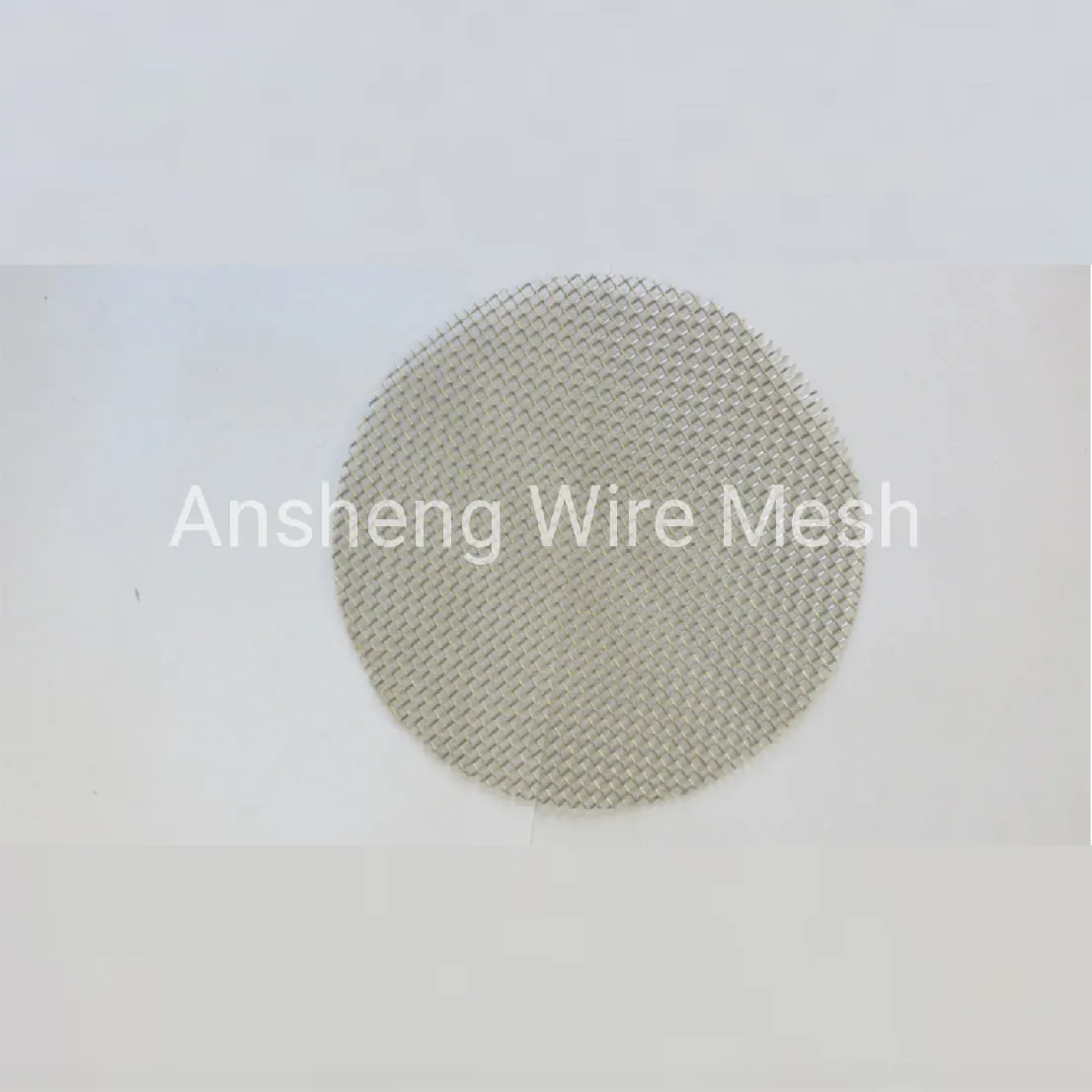
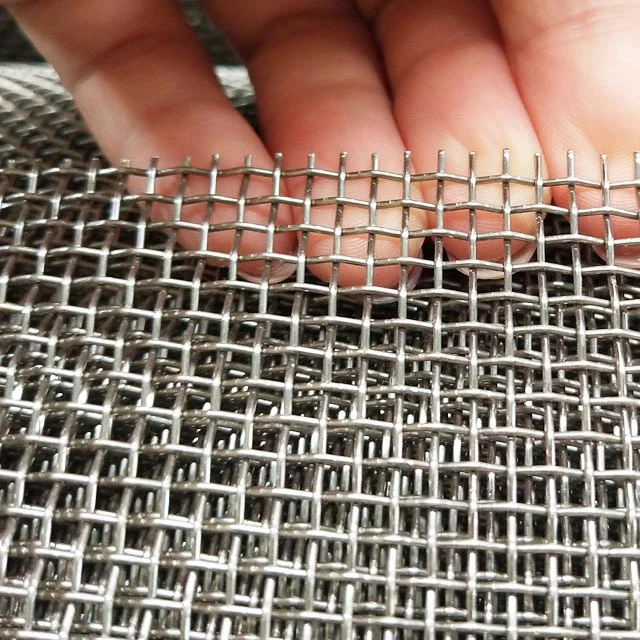
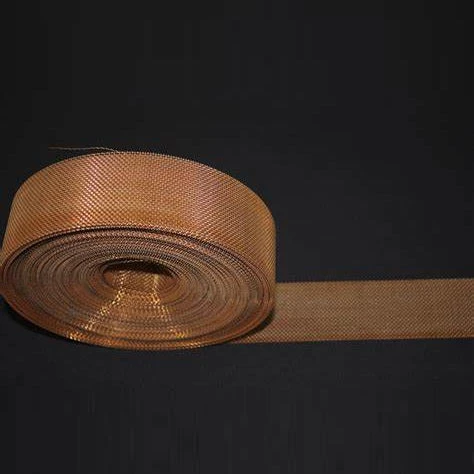
At its core, the 1 micron stainless steel mesh is a woven grid made of stainless steel wires, engineered to allow particles smaller than or equal to 1 micron (that's 1/1,000,000 of a meter) to pass while filtering out larger solids or impurities. This precise mesh size is typically manufactured using advanced weaving techniques that ensure uniform aperture sizes and high tensile strength.
The stainless steel component ensures resistance to rust, temperature fluctuations, and chemical erosion, making it suitable for harsh industrial or humanitarian applications alike. Compared to less durable meshes (like nylon or polyester), steel offers longevity and reusability that can be invaluable, especially where replacement or maintenance is difficult.
This blend of material toughness and microscopic precision connects industries focused on purity—think clean drinking water in remote villages or sterile pharmaceutical environments requiring ultra-fine filtration.
Mini takeaway: The 1 micron stainless steel mesh is a finely woven, highly resilient filtering material allowing near-microscopic filtration for critical industrial and humanitarian functions.
Key Factors Behind the Effectiveness of 1 Micron Stainless Steel Mesh
1. Durability
The stainless steel construction resists corrosion, heat, and mechanical wear, giving it a much longer life compared to plastic or fabric filters. This makes it favored in industrial setups needing steady performance over time.
2. Precision and Consistency
Advanced weaving techniques ensure each aperture is around 1 micron, providing consistent filtration that’s reliable and traceable. This consistency makes it invaluable for quality-critical processes.
3. Scalability
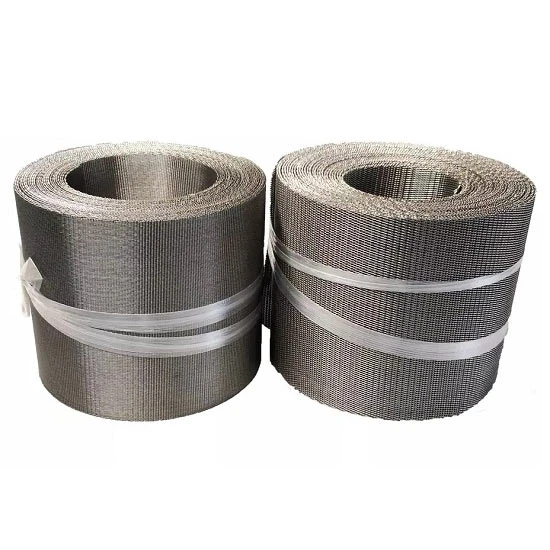
Meshes can be custom-sized and shaped to meet specific operational needs, from small-scale lab filters to large industrial screens in water treatment plants.
4. Cost-effectiveness
Though initial costs might run a bit higher than synthetic filters, their durability and reusability typically reduce total operating expenses, especially in tough environments.
5. Chemical Resistance
Stainless steel meshes withstand many acids and solvents, enabling their use where chemical exposure would damage other materials.
6. Environmental Impact
Reusability and the ability to withstand sterilization reduce waste, making them a greener filtration solution over time.
Mini takeaway: These core characteristics combine to make 1 micron stainless steel mesh a powerhouse product for fine filtration demanding longevity, precision, and sustainability.
Practical Uses of 1 Micron Stainless Steel Mesh Around the World
From water purification plants in Southeast Asia to pharmaceutical companies in Europe, the 1 micron stainless steel mesh’s applications span the globe. Let’s dig into a few:
- Water Treatment: Removing harmful bacteria and particulates from drinking water in remote and urban settings alike.
- Pharmaceutical Manufacturing: Ensuring that drugs remain uncontaminated through ultra-fine filtration stages.
- Food and Beverage Industry: Filtering juices and oils to preserve purity without chemical additives.
- Oil and Gas: Protecting machinery by filtering fine debris from fuels and lubricants.
- Disaster Relief Operations: Portable filtration units embedded with 1 micron mesh help provide safe water rapidly in crisis zones.
Industries across Asia-Pacific, North America, and Europe have reported improved operational uptime and regulatory compliance after switching to stainless steel micromeshes. Oddly enough, many smaller NGOs have adopted these meshes too, since their durability suits tough, mobile use cases better than disposable plastic filters.
Mini takeaway: It's a trusted component worldwide, critical to improving access to clean water, safe products, and reliable industrial processing.
Specifications You Should Know
| Parameter | Typical Value | Unit |
|---|---|---|
| Mesh Aperture Size | 1 | Micron (μm) |
| Wire Diameter | 0.05 - 0.1 | Millimeters (mm) |
| Material Grade | SS 304 / 316 | N/A |
| Tensile Strength | > 560 | MPa |
| Temperature Tolerance | -50 to 800 | °C |
Comparing Top Vendors in Stainless Steel Micron Mesh Supply
| Supplier | Mesh Sizes Offered | Material Grades | Customization | Typical Lead Time | Regional Focus |
|---|---|---|---|---|---|
| Ansheng Filter Screen Co. | 0.5 - 500 micron | SS304, SS316 | Rolls, sheets, custom cuts | 2-3 weeks | Global |
| Metal Mesh Corp. | 1 - 100 micron | SS316L | Custom meshes & framing | 3-4 weeks | North America, Europe |
| FineMesh Solutions | 0.2 - 200 micron | SS304, SS316, Duplex | Bespoke rolls, assemblies | 1-2 weeks | Asia-Pacific |
Advantages and Long-Term Value of Investing in 1 Micron Stainless Steel Mesh
Besides the obvious strength and precision, the emotional and practical benefits here shouldn’t be underestimated. For operators, it means peace of mind knowing their systems won’t fail from mesh corrosion or deformation. For end-users – whether they’re drinking filtered water or receiving clean pharmaceuticals – it means safety, dignity, and improved health outcomes.
Financially, while the upfront cost feels significant compared to simpler mesh options, the payback period is generally quick thanks to lower replacement frequency and decreased downtime. Even environmentally, the ability to clean, sterilize, and reuse these meshes fits increasingly under corporate responsibility and regulation mandates.
Mini takeaway: The mesh provides unmatched reliability, sustainability, and social benefits, making it a sound long-term investment.
Emerging Trends: What’s Next for 1 Micron Stainless Steel Mesh?
Recent developments point towards integration of nanocoatings and smart sensor layers to monitor mesh integrity in real-time. Additionally, additive manufacturing (3D printing) is beginning to influence how these meshes are designed for optimized flow and strength.[3]
Sustainability trends are driving more players to adopt cleaner production processes using stainless steel meshes over synthetic competitors. At the policy level, stricter environmental laws worldwide will push demand even higher, especially in water-stressed regions facing pollution challenges.
Mini takeaway: The future is smart, sustainable, and increasingly sophisticated for micron mesh technology.
Challenges & Solutions in Using Fine Stainless Steel Meshes
Working with ultrafine meshes isn’t without its hurdles. The tiny aperture size means clogging can occur if pre-filtration steps aren’t employed. The high tensile strength of stainless steel sometimes requires specialized cutting and welding tools during installation, which can raise upfront costs and complexity.
Experts recommend regular maintenance schedules and consider hybrid filtration systems where stainless steel mesh handles fine particles after a coarse filter. Innovations like quick-clean backflushing designs help mitigate clogging, increasing operational uptime and reducing lifecycle cost.
FAQ: Frequently Asked Questions About 1 Micron Stainless Steel Mesh
Q1: How does 1 micron stainless steel mesh compare to polymer filters in durability?A: Stainless steel mesh generally offers superior durability, resisting corrosion, chemical attack, and mechanical wear better than polymers. While polymers may be cheaper upfront, steel lasts longer and handles harsher environments, improving overall cost efficiency.
Q2: Can this mesh be customized for unusual shapes or sizes?
A: Yes, many suppliers provide custom cutting, rolling, and even framing services. Some can also weave bespoke configurations tailored for specific applications. For complex needs, discussing with your vendor early ensures you get the best fit.
Q3: How frequently should the 1 micron stainless steel mesh be cleaned or replaced?
A: Cleaning frequency depends on application and particulate load but typically ranges from weekly to monthly. Proper cleaning techniques preserve mesh integrity. Replacement is usually only needed if wires break or exposure conditions cause damage.
Q4: Is stainless steel mesh recyclable?
A: Absolutely. Being metallic, stainless steel mesh can be recycled multiple times without losing quality, supporting circular economy principles.
Q5: Where can I buy reliable 1 micron stainless steel mesh?
A: Suppliers like Ansheng Filter Screen specialize in a broad range of micron meshes with global shipping, custom options, and certifications ensuring quality.
Wrapping Up: Why 1 Micron Stainless Steel Mesh Is Worth Your Attention
All in all, the 1 micron stainless steel mesh might not be flashy, but it quietly underpins essential processes that keep industries running smoothly, products safe, and communities healthy. From engineering resilience to sustainable design, this mesh represents a blend of tradition and innovation that’s incredibly relevant to today's world challenges.
If you’re ready to explore or upgrade your filtration nets, check out trusted experts like Ansheng Filter Screen — they deliver quality with a proven track record.
As industries evolve, so will the technology hopping between microscopic meshes and macro-scale impact — and honestly, that’s pretty exciting to watch.
References:
- UN Water, “Water Scarcity,” https://www.unwater.org/water-facts/scarcity/
- Market Research Future, “Global Filtration Market Trends,” 2023 Report
- ISO 10993-5:2021, Biocompatibility standards involving filtration materials
Post time: Nov . 27, 2025 14:15