
Why Stainless Screen Mesh Sizes Matter More Than You Might Think
At first glance, stainless screen mesh sizes might sound like a fairly niche industrial detail. And okay, it kind of is—but the reality is, this little technical specification carries enormous weight across the globe. From filtering impurities out of drinking water in remote villages, to sieving raw materials in giant factories, mesh sizes shape outcomes in manufacturing, public health, and environmental protection. Understanding the different screen sizes and their material qualities isn’t just about technical specs—it’s about ensuring reliability, safety, and sustainability on a very real scale.
The Global Footprint of Stainless Screen Mesh Sizes
The world’s industrial engine runs on precision parts, and stainless screens are no exception. According to the International Organization for Standardization (ISO) data, stainless steel screen meshes are essential in sectors ranging from pharmaceuticals to mining—industries collectively worth trillions. Meanwhile, the United Nations highlights that clean water access, partly ensured by filtration technologies incorporating these screens, remains a struggle for nearly 2.2 billion people worldwide. So there’s this fascinating intersection of high-tech industry and basic human needs all connected through the humble mesh size.
That said, there’s a common challenge: many users in developing regions face difficulty selecting the right mesh size for their specific filtration needs, leading to inefficiency or excess waste. Knowing your mesh size means getting just the right strain—not too fine to clog quickly, not too coarse to let contaminants slip through. It’s a delicate balance.
What Exactly Are Stainless Screen Mesh Sizes?
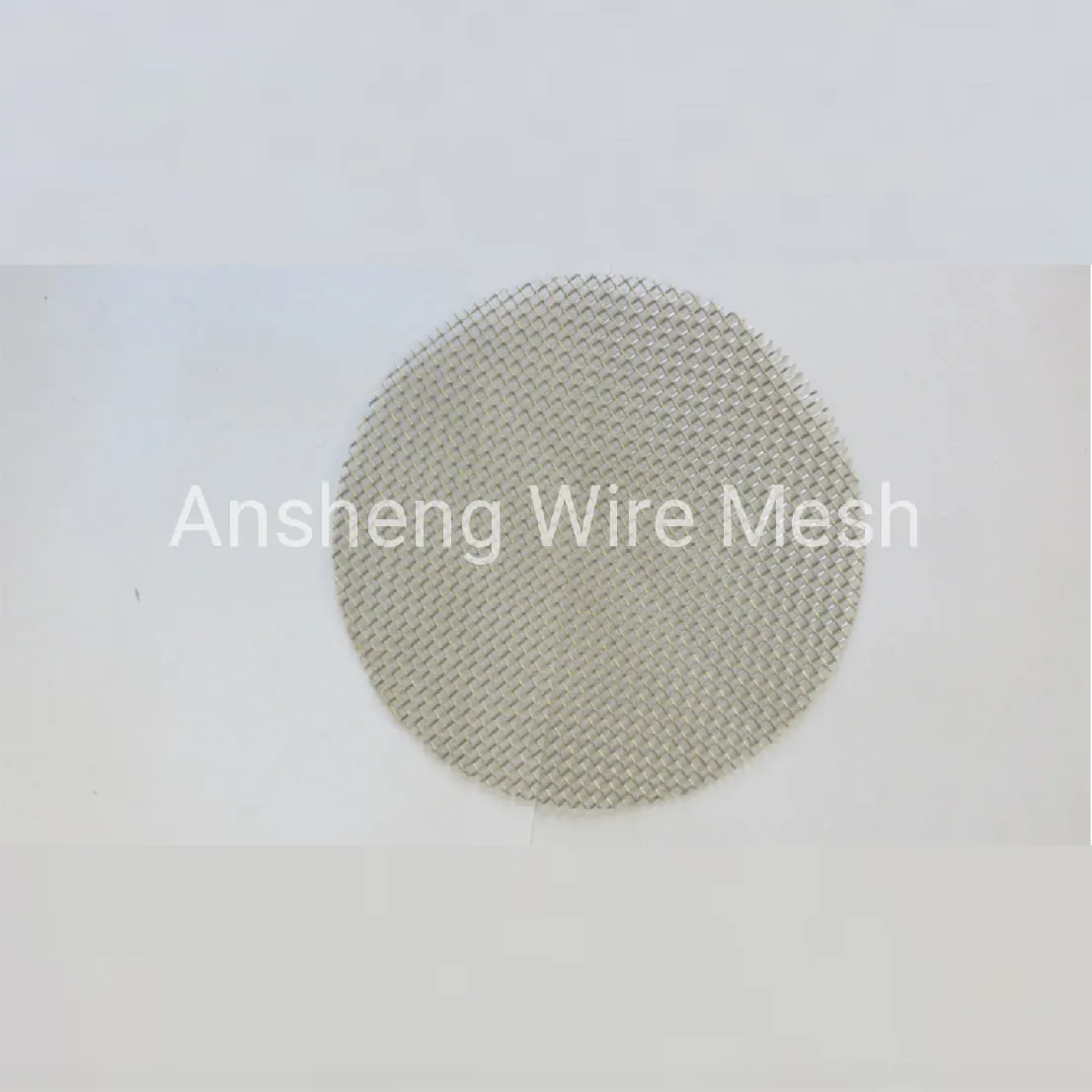
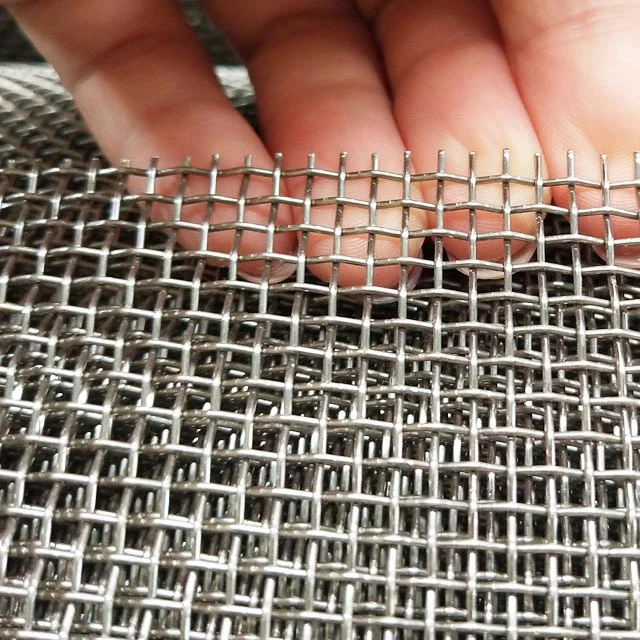
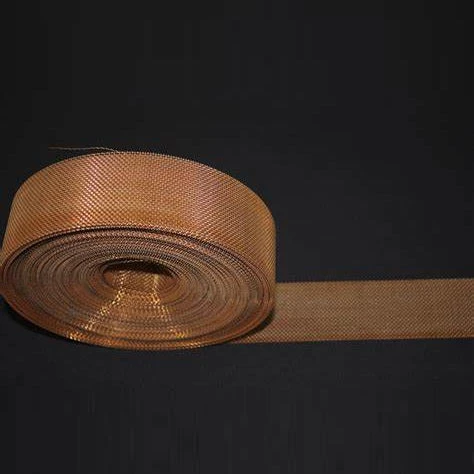
Simply put, stainless screen mesh size refers to the number of open spaces or "apertures" per linear inch in a woven stainless steel screen. Imagine a tiny grid: the higher the mesh number, the smaller the openings, which correspondingly filters out finer particles. It’s like a sieve, but infinitely more precise.
These mesh sizes connect to modern industrial and humanitarian needs because they dictate how well a screen filters, separates, or sorts materials. For instance, pharmaceutical manufacturers rely on precise mesh sizes to ensure medication purity, while disaster relief water filtration systems depend on appropriately sized meshes to keep water potable, without clogging in chaotic environments.
Mini Takeaway
Mesh size is not just a number—it’s a critical factor impacting everything from product quality to human safety.
Key Factors Affecting Stainless Screen Mesh Performance
Durability and Material Grade
Most stainless screens use grades 304 or 316 stainless steel. Grade 316 offers superior corrosion resistance, ideal for harsh environments like marine filtration or chemical processing. Durability isn’t just about strength—it’s about maintaining the mesh integrity over time under repeated exposure to fluids or powders.
Precision & Aperture Uniformity
Accurate mesh counts and uniform openings ensure consistency in filtration. In industries like food processing, even a slight variation can result in contamination risks or production inefficiencies. Manufacturers increasingly use advanced weaving techniques and automated inspection to maintain tight tolerances.
Customization and Scalability
Meshes come in varied sizes—from coarse (under 10 mesh) for heavy screening to ultra-fine (400+ mesh) filters used in delicate laboratory setups. The ability to customize mesh size and weave patterns lets industries scale or refine their filtration needs on the fly.
Cost Efficiency
While finer meshes cost more, their longer lifespan and higher filtration precision can reduce downtime and waste—saving money in the long haul. Interestingly, many engineers say opting for slightly coarser mesh but with better maintenance often outperforms super-fine but fragile options.
Environmental Sustainability
Stainless steel meshes are recyclable and often reused. By selecting the right mesh size, industries can reduce energy consumption associated with over-processing materials or excessive waste filtration.
Mini Takeaway
Choosing the right mesh size is a balancing act between precision, durability, cost, and sustainability.
Where Stainless Screen Mesh Sizes Make a Real Impact
Look around, and you’ll find these mesh screens quietly shaping outcomes almost everywhere. In the water treatment plants of sub-Saharan Africa, they filter out microbial and physical contaminants to make water drinkable. Mining companies in Australia depend on them to sort ores by particle size, maximizing resource recovery with minimal waste.
Post-disaster relief operations often deploy portable water purification units fitted with stainless screens tailored to local contamination profiles. In pharmaceuticals and food industries across Europe and North America, mesh size accuracy ensures compliance with strict health and safety regulations.
Mini Takeaway
The global range of applications shows just how versatile and critical stainless screen mesh sizes are across sectors.
Stainless Screen Mesh Sizes: What You Get For Your Investment
- Operational Reliability: Precise filtering lowers equipment downtime and contamination risks.
- Cost Savings: Longer-lasting screens reduce replacements and maintenance.
- Sustainability: Recyclable materials and optimized filtering reduce environmental footprints.
- Safety & Dignity: Especially where water and food hygiene impact community health, correct mesh sizing supports human well-being.
- Innovation Enablement: Fine meshes support cutting-edge manufacturing technologies.
Understanding Stainless Screen Mesh Sizes: Product Specifications
| Specification | Typical Range | Details |
|---|---|---|
| Mesh Size (aperture count / inch) | 4 mesh - 400 mesh | From coarse to ultra-fine filtering |
| Wire Diameter | 0.03 mm – 0.5 mm | Thicker wires for durability; thinner for finer mesh |
| Material Grade | 304, 316 Stainless Steel | 316 preferred for corrosive environments |
| Open Area Percentage | 20% - 45% | Impacts flow rate and clogging risk |
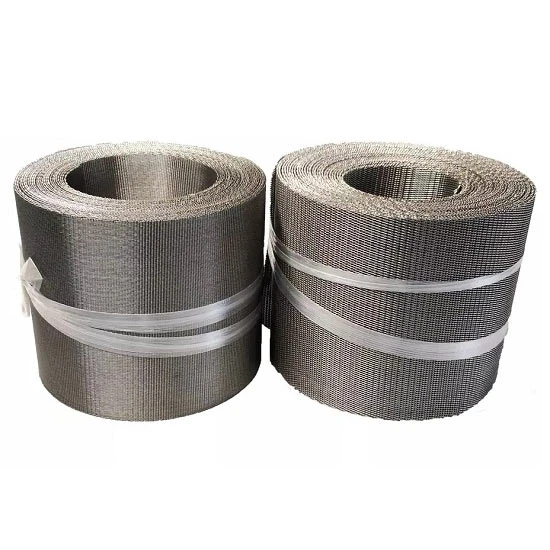
| Standard Widths | 1 m, 1.2 m, 1.5 m rolls | Custom widths available on request |
Comparing Leading Stainless Screen Mesh Vendors
| Company | Range of Mesh Sizes | Material Grades | Global Reach | Customization |
|---|---|---|---|---|
| Ansheng Filters | 4 – 400 mesh | 304, 316 | Asia, Europe, Americas | High; OEM available |
| MetalMesh Corp. | 10 – 350 mesh | 304 only | North America, Europe | Medium |
| Global WireTech | 6 – 400+ mesh | 304, 316, 321 | Worldwide | Very High |
What Does the Future Hold for Stainless Screen Mesh Sizes?
Looking ahead, I’m noticing several exciting trends. Innovations in automated weaving and nanotechnology promise to create ultra-precise meshes with customizable pore geometries—beyond simple square grids. Sustainability is front and center, with companies exploring recycled stainless content and green manufacturing processes.
On the policy side, as governments worldwide deepen regulations for industrial waste and water quality, adaptable filtering meshes must keep pace. Add to this the digital transformation sweeping manufacturing—smart sensors embedded into screens to monitor clogging or wear in real-time are already moving from prototype to practice.
Challenges—and How to Solve Them
Of course, stainless screen mesh sizing isn’t without headaches. Fine meshes prone to clogging or damage, inconsistent standards between vendors, and cost barriers for smaller operations are common complaints. But there are solutions: modular screen panels that are easily swapped out, adherence to international mesh standards (ISO 9044, ASTM E11), and flexible pricing models all help level the playing field.
FAQ: Stainless Screen Mesh Sizes
- How do I choose the right stainless screen mesh size for water filtration?
- Start by identifying the particle size you need to filter out, then select a mesh size with apertures slightly smaller than that. For general water purification, meshes ranging 100–200 mesh are common. Remember to consider water flow rate and potential clogging risks.
- Can stainless screen meshes withstand corrosive chemicals?
- Yes, especially if you use 316 stainless steel grade meshes, which have enhanced resistance to corrosion in harsh chemical environments. However, it’s always best to confirm compatibility with the specific chemicals involved.
- Is it possible to get custom-sized stainless screen meshes?
- Absolutely. Many vendors, including Ansheng Filters, provide tailored mesh sizes, widths, and wire diameters to meet specialized industrial demands.
- How long does a typical stainless steel mesh last?
- Depending on application and maintenance, these meshes can last from several years to decades. Regular cleaning and avoiding mechanical damage extend their service life significantly.
Wrapping It Up
So there you have it: stainless screen mesh sizes aren’t just a technical footnote, but a powerful enabler of quality, efficiency, and safety across countless industries worldwide. Whether you’re filtering water in a remote village or separating materials in a megafactory, getting your mesh size right pays off in the long run.
If you’re in the market for reliable, customizable stainless meshes, do check out Ansheng Filters. They really blend quality with flexibility.
References
Post time: Nov . 27, 2025 18:45