
Understanding Steel Netting Mesh: Practical Insights for a Global Industry
Steel netting mesh might not be something that flashes across your mind daily, but if you’ve ever marveled at bridges, secure fencing, architectural facades, or even emergency shelters, you’ve witnessed its quiet yet crucial role. Globally, steel netting mesh is pivotal in construction, security, environmental protection, and humanitarian efforts. Why does this matter? Because understanding it means appreciating a material that can blend toughness with adaptability, making infrastructure safer and more reliable even in the most challenging environments.
The Global Context Behind Steel Netting Mesh
Steel mesh products are part of a multi-billion dollar industry supplying essential materials worldwide. According to ISO, the global market for metal wire products, including meshes, is projected to grow steadily due to urbanization and industrial growth, especially across Asia-Pacific, Europe, and North America. However, with growing concerns over urban security, structural resilience, and environmental sustainability, traditional materials sometimes fall short.
Steel netting mesh challenges those issues head-on. For example, the World Bank notes the ongoing demand for secure fencing in urban development, while the United Nations highlights protective infrastructure as vital in disaster-prone regions. So when a fragile, low-cost netting might fail to keep livestock in or people safe, steel mesh’s strength and flexibility make a real difference.
Mini Takeaway: Globally, steel netting meshes answer growing needs for safety, sustainability, and structural versatility in an increasingly complex world.
What Exactly Is Steel Netting Mesh?
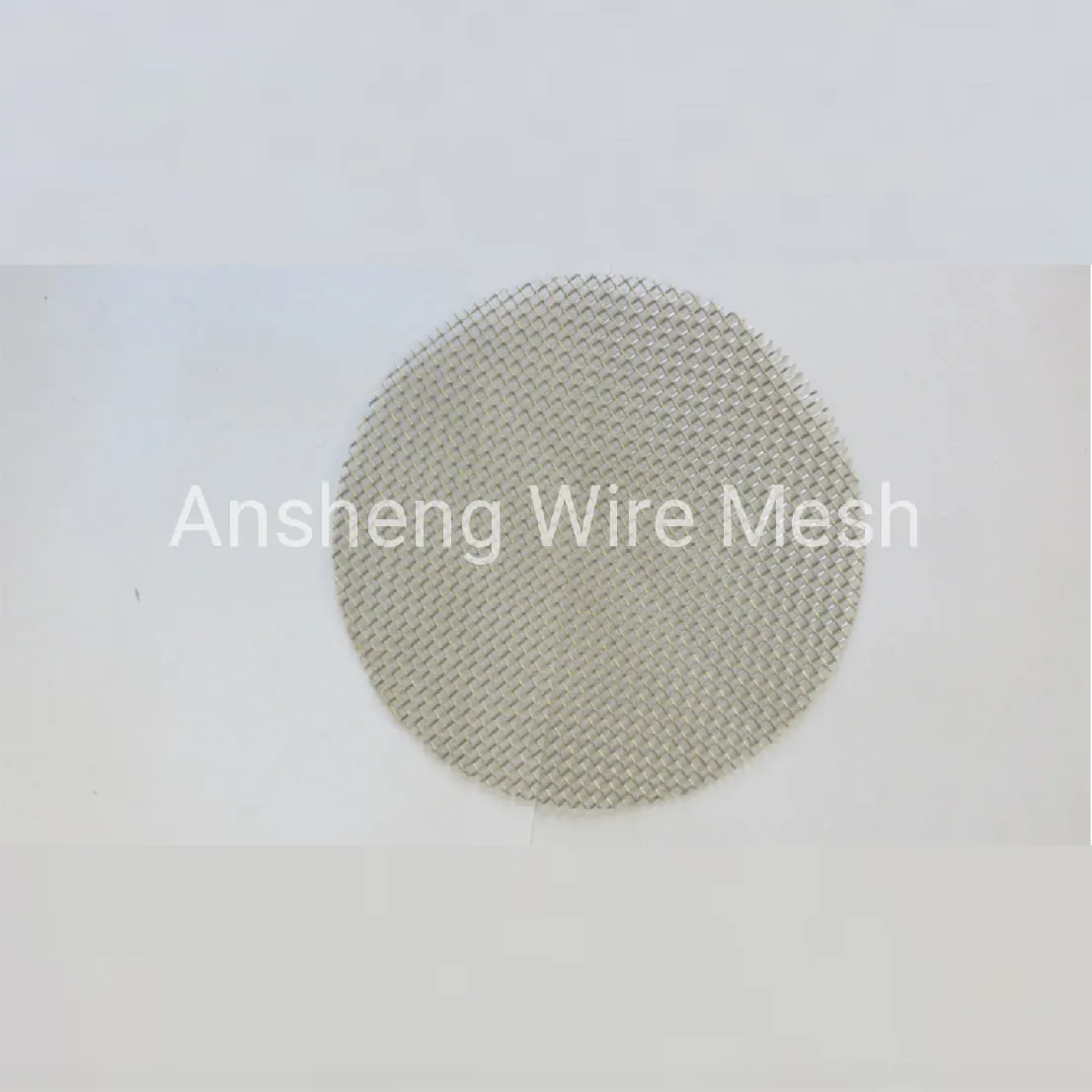
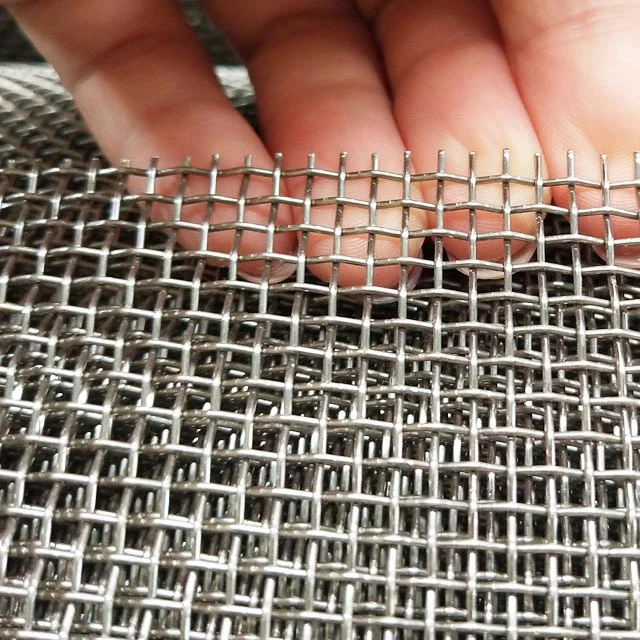
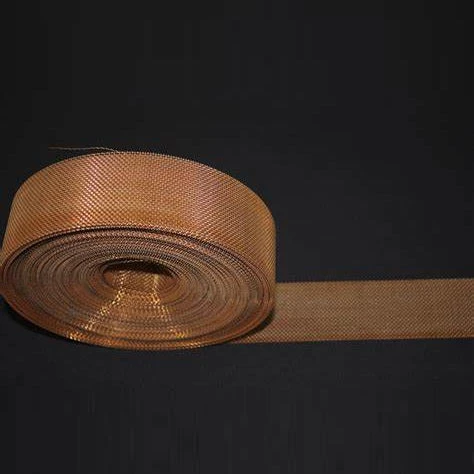
In simple terms, steel netting mesh is a network of steel wires woven, welded, or welded-and-woven to form a grid or lattice. Think of it as a metal fabric, designed to offer mechanical strength with permeability. It’s kind of like what your grandma’s knitting looks like when reimagined on an industrial scale, but with steel instead of yarn.
It’s not just a building material — it forms a bridge between modern industry’s exacting standards and humanitarian needs like shelter reinforcement, soil stabilization, or even anti-intrusion barriers. Its adaptability makes it a go-to solution in sectors ranging from construction and mining to agriculture and disaster relief.
Core Aspects of Steel Netting Mesh
1. Durability and Corrosion Resistance
Steel netting mesh is often galvanized or coated to resist rust and decay. This protects it even in salty coastal environments or humid climates, which is essential for long-term outdoor use.
2. Scalability and Customization
From micron-thin wire meshes used in filtration to heavy-gauge meshes for containment, the product scales impressively. Manufacturers customize mesh size, wire diameter, and weave style — meaning you can roughly tailor any project’s needs with a measure of precision that’s hard to beat.
3. Cost Efficiency
Modern production techniques keep prices competitive, especially when you consider the longevity you’re buying. The initial investment saves hefty replacement or repair costs down the line.
4. Versatility
It’s almost a wild card — used in reinforcing concrete, landscaping, machinery guards, even artistic installations. It adapts to literally dozens of scenarios, often substituting more expensive or fragile materials.
5. Environmental Impact and Sustainability
Since steel is recyclable endlessly, steel netting mesh fits well within circular economy principles promoted by the UN Sustainable Development Goals. Its reusability reduces waste—a critical consideration as industries seek greener materials.
Mini Takeaway: Steel netting mesh balances durability, flexibility, and eco-friendliness – key for modern engineering solutions.
Steel Netting Mesh in Action: Global Applications
Its global footprint is broad and growing. Let's quickly tour a few notable applications:
- Construction: Reinforcement mesh embedded in concrete improves strength and crack resistance.
- Agriculture: Durable fencing to protect crops and livestock from wildlife.
- Disaster Relief: Rapidly deployed mesh panels stabilize soil or reinforce temporary shelters, especially in earthquake or flood zones.
- Mining and Industrial Zones: High-tensile steel netting secures dangerous machinery zones from accidental intrusion.
- Urban Safety: Used in pedestrian bridges, staircases, façade cladding, and security barriers that need transparency but demand toughness.
For example, after the 2015 Nepal earthquake, steel netting mesh was instrumental in rebuilding low-cost shelters that withstand aftershocks better than traditional bamboo walls.
Example Product Specifications
| Specification | Metric | Units |
|---|---|---|
| Wire Diameter | 2.0 - 6.0 | mm |
| Mesh Opening Size | 10 - 100 | mm |
| Tensile Strength | ≥ 500 | MPa |
| Surface Treatment | Hot-dip Galvanized / PVC coated | – |
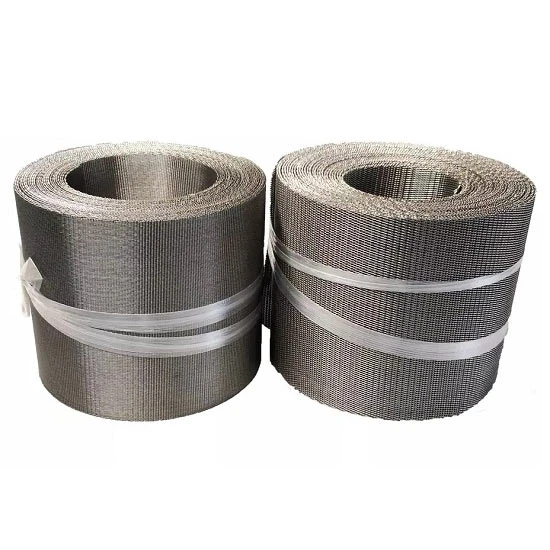
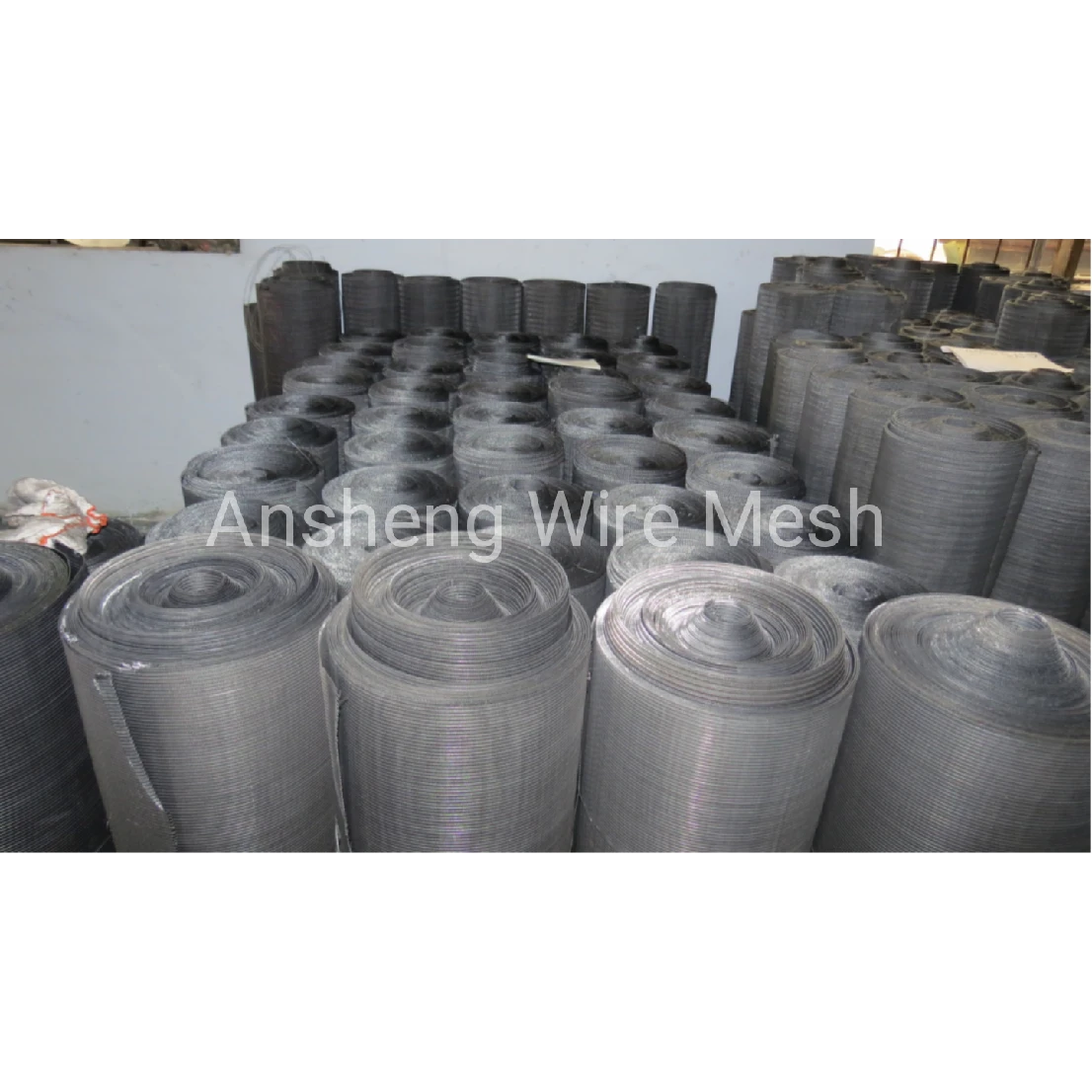
| Roll Width | 1 - 2 | m |
| Roll Length | 10 - 30 | m |
Vendor Comparison: Choosing the Right Steel Netting Mesh Supplier
| Supplier | Product Range | Customization Options | Lead Time | Sustainability Focus |
|---|---|---|---|---|
| Ansheng Filter Screen | Wide (woven, welded, galvanized) | High (custom widths, coatings) | 2-4 weeks | Strong (recycling, minimal waste) |
| Global Steel Mesh Ltd. | Moderate (mostly welded) | Medium (standard sizes) | 3-5 weeks | Medium |
| EcoMesh Solutions | Limited (focused on green products) | Low (select options) | 4-6 weeks | Very High |
Why Invest in Steel Netting Mesh: Advantages & Long-Term Value
What’s not to like about a product that’s simultaneously strong, long-lasting, and recyclable? The tangible practical benefits include lower maintenance, less frequent replacement, and enhanced safety, especially in key infrastructure and protective functions. But beyond that, it instills trust. Knowing that your project includes materials that have passed rigorous quality tests (and often international standards like ISO 9001) reassures clients and end-users.
There’s also the emotional element — steel netting mesh helps communities rebuild with dignity after disasters, enabling structures that blend security with openness, not cold enclosure. Innovation meets empathy.
Looking Forward: Trends in Steel Netting Mesh Technology
Frankly, this field isn't static. One of the biggest innovations is integration with smart coatings — these offer self-cleaning or corrosion-inhibiting properties. Automation in production is ramping up too, meaning faster, more precise manufacturing to keep pace with custom demands.
Also, sustainability drives change. New alloys and recycled steel blends are reducing carbon footprints. Companies are exploring meshes embedded with sensors for structural health monitoring — a sort of digital upgrade for an old favorite.
Common Challenges and How Experts Solve Them
Steel netting mesh isn’t perfect. It can be heavy, sometimes tricky to install without the right tools or skills, and prone to corrosion if poorly treated. Luckily, advances in galvanizing and PVC coating greatly reduce these risks.
Project engineers also recommend early testing and prototyping to avoid costly retrofits. And with greater vendor transparency—like detailed product data sheets and sample approvals—many surprises can be avoided.
FAQ: Frequently Asked Questions About Steel Netting Mesh
- How does steel netting mesh compare to plastic mesh in terms of durability?
- Steel mesh is significantly more durable and resistant to UV, fire, and impact. Plastic mesh can degrade over time, especially outdoors. Steel requires surface treatment but typically lasts much longer under harsh conditions.
- Can steel netting mesh be customized for specific industrial applications?
- Absolutely. Many manufacturers offer various wire diameters, aperture sizes, and coatings. This versatility makes it fit for uses from heavy machinery guarding to fine filtration.
- Is installation complicated for large-scale fencing projects?
- With proper planning and tools, installation is straightforward, although some projects may require welding or securing with tension wires. Experienced contractors help ensure a solid, long-lasting setup.
- What sustainability advantages does steel mesh offer compared to other materials?
- Steel is one of the most recycled materials globally. Reusing steel netting mesh reduces raw material needs and waste, supporting circular economy goals better than many synthetic alternatives.
- Where can I buy quality steel netting mesh for export?
- Many suppliers, including steel netting mesh specialists, provide international shipping and custom solutions. Checking certifications and vendor reviews helps ensure quality and delivery reliability.
Conclusion
Whether you’re reconstructing after a disaster, upgrading security infrastructure, or tackling industrial safety, steel netting mesh offers a blend of strength, sustainability, and adaptability that stands the test of time. Its global relevance is only growing, led by innovation, eco-consciousness, and practical durability.
If you want to see this in action or explore custom options, visit our website — because sometimes the best solutions are also the most straightforward.
References
Post time: Nov . 27, 2025 12:45