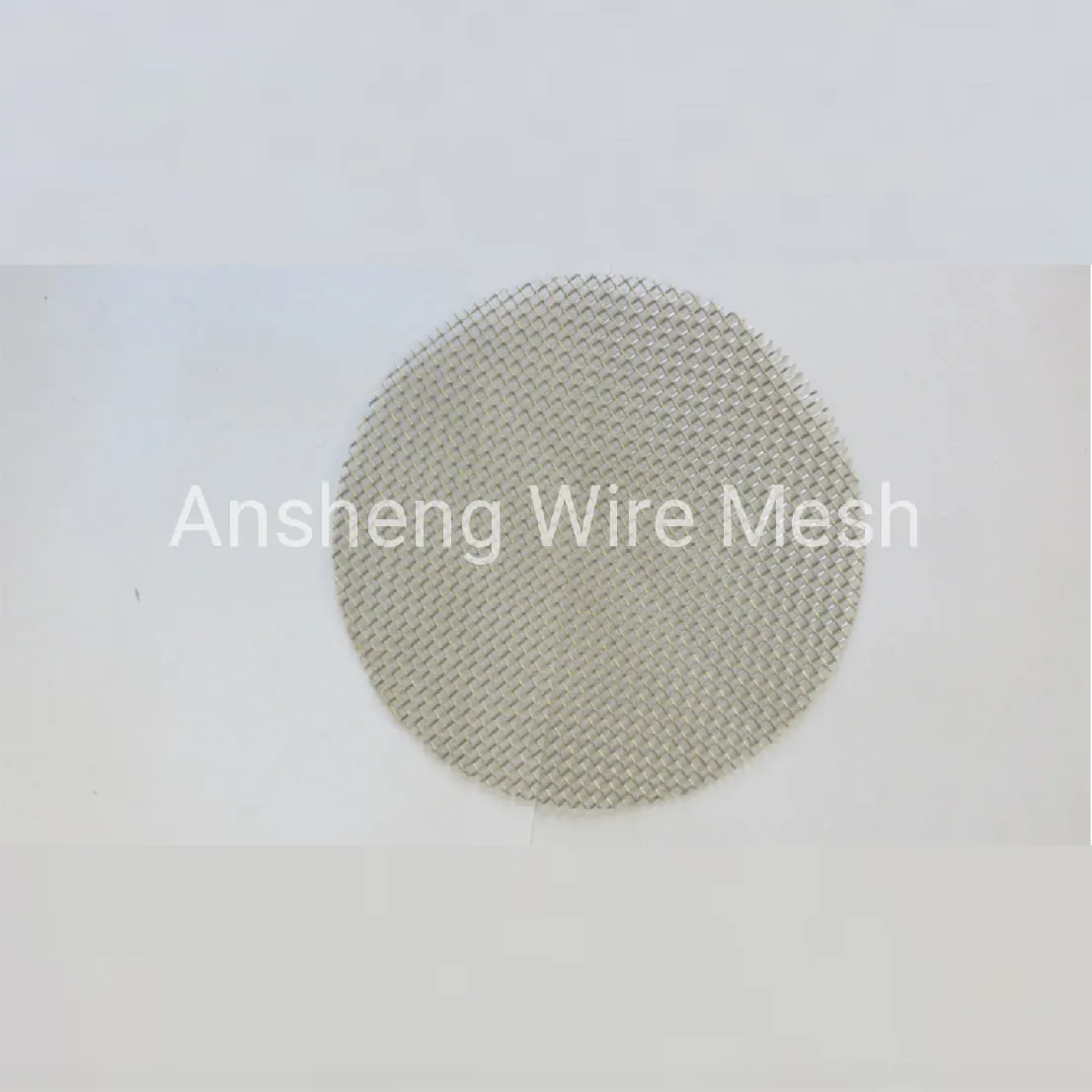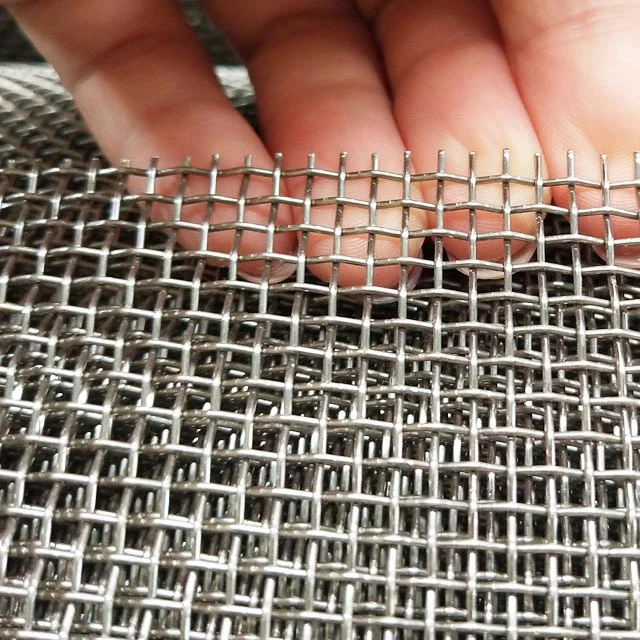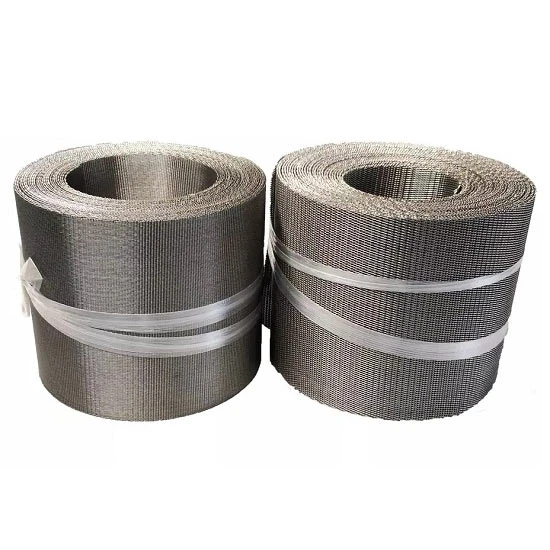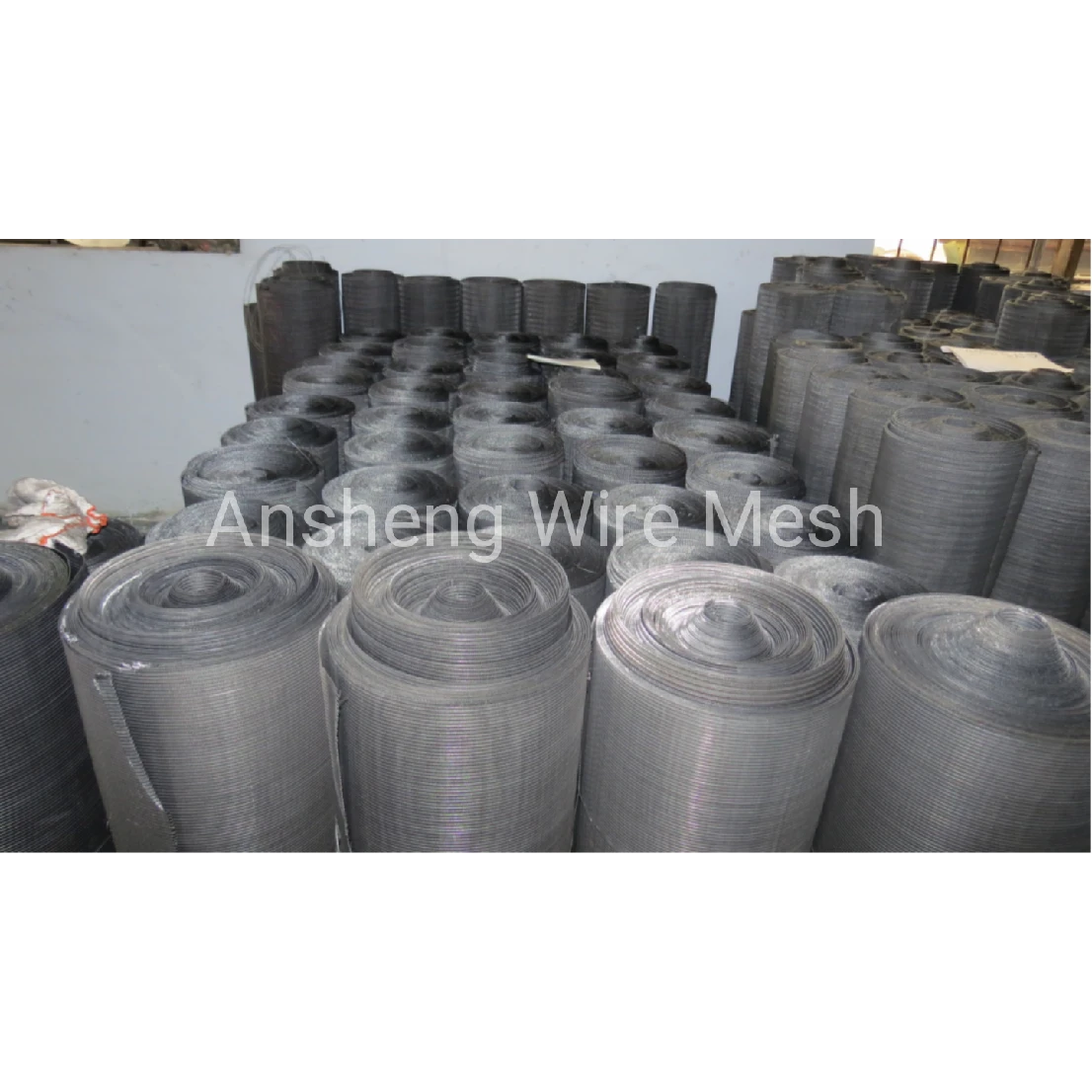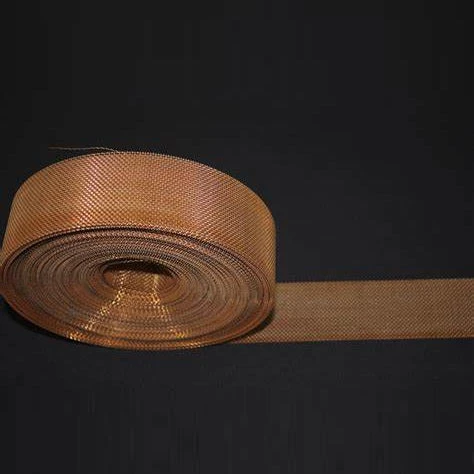

In the realm of modern architecture, the integration of dynamic elements that respond to environmental changes and human interaction has become a hallmark of innovative design. One such element that has captured the imagination of architects and designers alike is the perforated mesh screen. These screens, often crafted from perforated metal or perforated sheet, offer a unique blend of functionality and aesthetics, transforming buildings into living, breathing entities that interact with their surroundings.
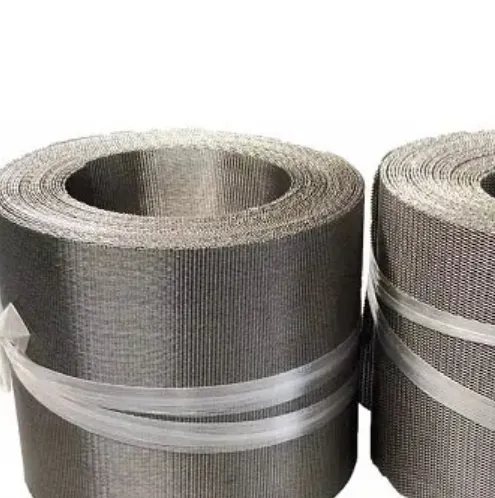
The Art of Perforated Sheet Metal: Light and Shadow
Perforated mesh screens are not just static architectural elements; they are dynamic canvases that play with light and shadow. The intricate patterns of holes in the perforated metal allow light to filter through, creating ever-changing patterns on the surfaces below. As the sun moves across the sky, the shadows cast by the perforated sheet shift and dance, adding a layer of depth and movement to the architectural space.
- Interactive Design:The use of perforated mesh in architecture goes beyond mere decoration. These screens can be designed to respond to environmental stimuli, such as wind or sunlight, creating a truly interactive experience for the occupants. For example, kinetic perforated screens can adjust their orientation based on the angle of the sun, optimizing light penetration and reducing glare.
- Aesthetic Appeal: The visual impact of perforated meshis undeniable. Whether used in facades, partitions, or interior screens, the material adds a modern, industrial, or decorative touch to any space. The variety of hole shapes and sizes, from round and square to hexagonal and slotted, allows for endless customization possibilities, catering to the specific aesthetic needs of each
- Functional Versatility: Beyond their visual appeal, perforated metalscreens serve multiple functional purposes. They can provide ventilation, filtration, and acoustic control, all while maintaining structural integrity. This makes them an ideal choice for a wide range of applications, from industrial settings to residential interiors.
Material Perforated Sheet Metal and Design Innovation
The versatility of perforated mesh lies in its ability to be crafted from a variety of materials, each offering its own unique properties and benefits. From stainless steel and aluminum to plastics like PVC and acrylic, the choice of material can significantly impact the durability, weight, and environmental adaptability of the screen.
- Material Options:The selection of materials for perforated metal screens is vast. Stainless steel is a popular choice for its corrosion resistance and strength, making it suitable for outdoor and industrial applications. Aluminum, on the other hand, offers a lightweight yet durable option, ideal for projects where weight is a concern. Plastics like PVC and acrylic provide additional options for lightweight and cost-effective solutions.
- Customization: The ability to customize perforated meshis one of its greatest strengths. Architects and designers can specify the hole diameter, open area percentage, sheet thickness, and overall dimensions to meet the exact requirements of their project. This level of customization ensures that each perforated screen is tailored to its specific application, whether it be for aesthetic or functional purposes.
- Manufacturing Techniques:The creation of perforated mesh involves advanced manufacturing techniques, including mechanical pressing and laser/CNC cutting. These methods allow for precise hole patterns and intricate designs, enabling the production of both standard and custom perforated sheets. The use of modern technology ensures that each screen is manufactured to the highest quality standards, delivering consistent performance and durability.
Applications of Perforated Metal Across Industries
The applications of perforated mesh screens are as diverse as the materials and designs they can be crafted from. From industrial filtration and ventilation to architectural facades and interior design, perforated metal offers a versatile solution that meets the needs of various industries.
- Industrial Applications: In industrial settings, perforated meshis used for filtration, screening, and ventilation. Sieves, oil filters, and mining screens are just a few examples of how perforated metal is utilized to separate particles, block debris, and allow air circulation. The high strength-to-weight ratio of perforated sheets makes them ideal for heavy-duty applications, contributing to increased efficiency and safety in industrial processes.
- Architectural Applications:Architecturally, perforated mesh screens serve as decorative elements that also provide functional benefits. Facades, sunshades, and interior partitions made from perforated metal offer visual appeal while allowing light and air to pass through. These screens can also be used for safety purposes, such as guardrails and fencing, providing visibility and airflow while preventing access to hazardous areas.
- Consumer and DIY Projects: On a smaller scale, perforated meshis also popular for consumer and DIY projects. Home decor items like furniture, lampshades, and room dividers can be crafted from perforated metal, adding a unique and modern touch to any living space. Garden projects, such as compost bins, trellises, and animal enclosures, also benefit from the durability and versatility of perforated mesh.
Sustainability and Perforated Metal Maintenance
In addition to their functional and aesthetic benefits, perforated mesh screens also offer environmental advantages. The use of durable materials like stainless steel and aluminum ensures that these screens have a long lifespan, reducing the need for frequent replacements. Moreover, the ability to recycle these materials at the end of their life cycle contributes to a more sustainable approach to architecture and design.
- Environmental Adaptability:Perforated mesh is available in materials that are suitable for a wide range of environments. Stainless steel is particularly well-suited for humid and outdoor settings, providing resistance to corrosion and wear. This adaptability ensures that perforated metal screens can be used in various climates and conditions without compromising their performance.
- Maintenance:While perforated mesh screens are designed to be durable, regular maintenance is essential to ensure their longevity. Cleaning and inspection should be performed periodically to prevent clogging and maintain structural integrity. Proper maintenance not only extends the life of the screen but also ensures that it continues to function effectively, whether for filtration, ventilation, or aesthetic purposes.
- Sustainable Practices: The manufacturing process of perforated meshcan also be aligned with sustainable practices. By using recycled materials and minimizing waste, manufacturers can reduce the environmental impact of producing perforated metal This commitment to sustainability ensures that these dynamic architectural elements not only enhance the visual appeal of a building but also contribute to a more environmentally responsible approach to design.
FAQ: About Perforated Metal
What are the common materials used for perforated mesh screens?
Perforated mesh screens can be crafted from a variety of materials, including stainless steel, aluminum, galvanized steel, copper, and specialty alloys like titanium and brass. Plastics such as PVC, acrylic, and polycarbonate are also popular choices for lightweight applications. The selection of material depends on the specific requirements of the project, including environmental conditions, load requirements, and aesthetic needs.
How can perforated mesh screens be customized?
Customization options for perforated mesh screens are extensive. Architects and designers can specify the hole diameter, open area percentage, sheet thickness, and overall dimensions to meet the exact requirements of their project. Additionally, the hole patterns can be customized, with shapes ranging from round and square to hexagonal and slotted. This level of customization ensures that each perforated screen is tailored to its specific application, whether it be for aesthetic or functional purposes.
What are the common applications of perforated mesh screens?
Perforated mesh screens are used across various industries due to their versatility and functionality. In industrial settings, they are used for filtration, screening, and ventilation, such as in sieves, oil filters, and mining screens. Architecturally, perforated mesh serves as decorative elements in facades, sunshades, and interior partitions, offering visual appeal while allowing light and air to pass through. They are also used for safety purposes, such as guardrails and fencing, providing visibility and airflow while preventing access to hazardous areas.
How do perforated mesh screens contribute to sustainability?
Perforated mesh screens contribute to sustainability through the use of durable materials that have a long lifespan, reducing the need for frequent replacements. Many of the materials used, such as stainless steel and aluminum, are recyclable, further minimizing the environmental impact. Additionally, the manufacturing process can be aligned with sustainable practices, such as using recycled materials and minimizing waste, ensuring that these dynamic architectural elements are both visually appealing and environmentally responsible.
What maintenance is required for perforated mesh screens?
Regular maintenance is essential to ensure the longevity and functionality of perforated mesh screens. Cleaning and inspection should be performed periodically to prevent clogging and maintain structural integrity. The frequency of maintenance depends on the specific application and environmental conditions. Proper maintenance not only extends the life of the screen but also ensures that it continues to function effectively, whether for filtration, ventilation, or aesthetic purposes.
In conclusion, perforated mesh screens offer a dynamic and versatile solution for modern architecture, combining functionality with aesthetic appeal. Whether used in industrial settings, architectural facades, or consumer projects, these screens provide a unique and interactive experience that enhances the visual and functional aspects of any space. We encourage wholesalers to promote these innovative products and invite everyone to explore the possibilities of perforated mesh by ordering from our company.
Post time: Sep . 02, 2025 09:42