
Understanding the 316 Stainless Steel Mesh Screen: Why It Matters Globally
In industries ranging from pharmaceuticals to environmental management, the 316 stainless steel mesh screen plays a surprisingly vital role. It’s not just another piece of metal mesh — its unique properties help solve a range of filtration, screening, and separation challenges worldwide. Maybe it’s fairness to say, for anyone working with corrosion resistance or demanding material durability, this mesh is something of a quiet hero. Understanding its function and value can open doors for engineers, architects, and technologists aiming for longevity in their projects or reliability in harsh environments.
316 Stainless Steel Mesh Screen: A Global Industry Perspective
The importance of 316 stainless steel mesh is evident when you consider the multitude of sectors relying on it—oil and gas, chemical processing, water treatment, food production, healthcare, and more. According to ISO standards related to filtration, materials that can withstand corrosive environments and maintain structural integrity are essential. The World Bank also reports increasing investments in sustainable industrial infrastructure, especially in developing regions where long-lasting, maintenance-light materials save resources and reduce downtime.
However, one persistent challenge remains: how to find screening materials that can perform consistently under exposure to chemicals, high humidity, and mechanical wear without corroding or clogging. That's where 316 stainless steel mesh screens come in—they deliver reliable filtering solutions that extend equipment life and cut operational risks globally.
Mini takeaway:
The 316 stainless steel mesh screen isn’t just a material choice; it’s a response to global demands for durability, sustainability, and efficiency in harsh industrial settings.
What Exactly Is a 316 Stainless Steel Mesh Screen?
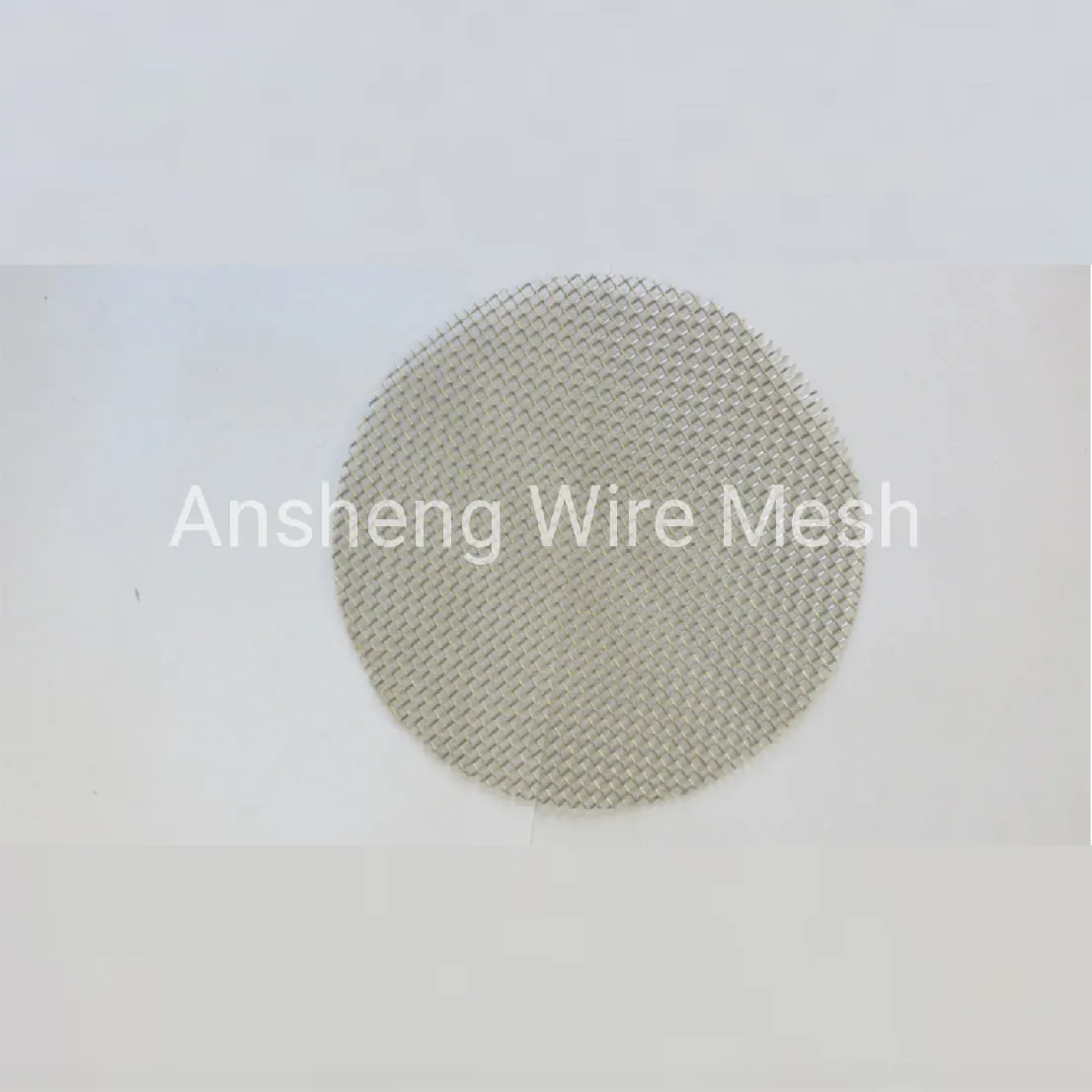
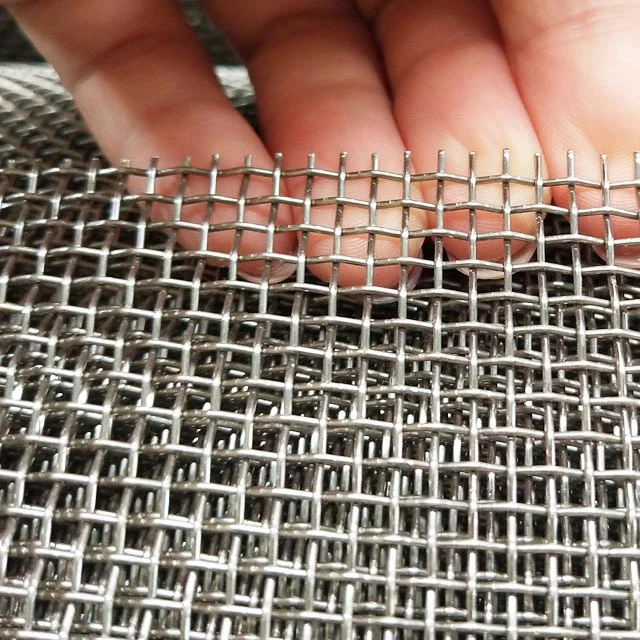
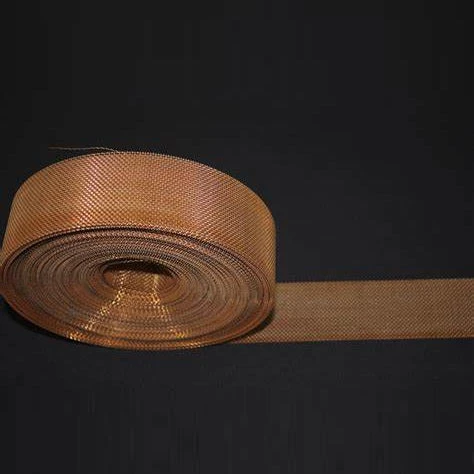
Simply put, a 316 stainless steel mesh screen is a woven or welded mesh made primarily from 316-grade stainless steel alloy. This specific alloy includes molybdenum, giving it enhanced resistance to chlorides and acids—making it highly corrosion-resistant. Think of it as the tough, weatherproof covering that keeps unwanted particles, liquids, or contaminants at bay.
From modern medical devices filtering bacteria to large-scale filtration in petrochemical plants, this mesh offers a critical link between process efficiency and safety. Humanitarian applications, like clean water systems in disaster zones, depend on this same durability. It’s easy to overlook, but without a robust mesh that doesn’t degrade quickly, many vital operations would falter.
Core Characteristics of 316 Stainless Steel Mesh Screens
1. Durability Under Harsh Conditions
316 stainless steel’s corrosion resistance is known worldwide, thanks to its molybdenum content. Unlike other stainless steels, it can brave saltwater exposure and chemical attacks that would degrade lesser alloys. It’s why marine and coastal industries often rely on this mesh—and why filters stay intact longer in wastewater treatment plants.
2. Precision and Scalability
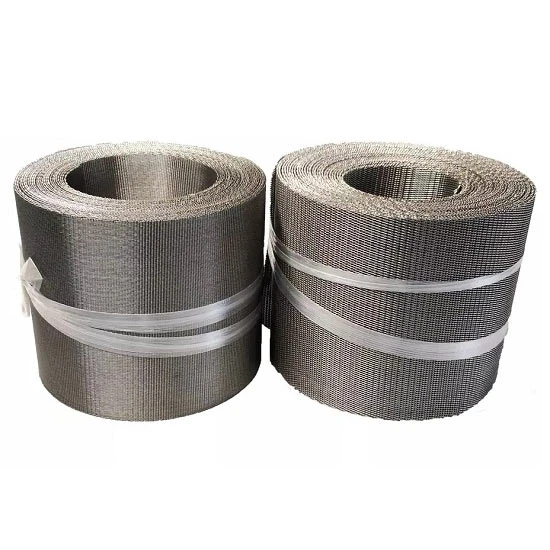
The mesh size—defined by the number of openings per inch—can be customized extensively. This precision allows industries to tailor screening for anything from ultra-fine powders to larger debris. Whether you need a micron-level sieve or a coarse filter, the 316 stainless steel mesh adapts. Likewise, manufacturers can produce large sheets or small precision-cut panels, answering varying production needs.
3. Cost Efficiency in the Long Run
Though the upfront price of 316 stainless steel mesh can be higher than other alloys, the long-term savings are what counts. Its resistance to wear and corrosion means less frequent replacements, less downtime, and fewer maintenance headaches. For industries running 24/7 operations, that reliability directly translates to better bottom-line results.
4. Hygiene and Cleanability
Because it’s non-porous and resistant to rust, the mesh doesn’t harbor bacteria—even in food or pharmaceutical environments where contamination risks are critical. It easily withstands sterilization processes, including autoclaving or chemical washes, a boon for hospitals and laboratories.
Mini takeaway:
Durability, precision, cost benefits, and hygiene make the 316 stainless steel mesh an indispensable tool across sectors where failure is simply not an option.
Real-World Applications of 316 Stainless Steel Mesh Screen
Industries around the world harness the strengths of this mesh in interesting ways:
- Oil & Gas: In offshore rigs, 316 mesh screens filter seawater and particulates, preventing corrosion and clogging in sensitive equipment.
- Water Treatment: Municipal wastewater systems use these screens to trap solid waste while resisting chemical breakdown.
- Pharmaceuticals and Food: Filters in powder-processing plants maintain product purity and comply with hygiene standards.
- Construction and Architecture: Decorative facades and insect-proofing employ the mesh for aesthetics combined with durability.
- Disaster Relief Efforts: Portable water filtration units in remote or disaster-hit areas often incorporate 316 stainless steel mesh because they hold up under extreme conditions.
Regions with harsh marine climates, like coastal Asia or Scandinavia, particularly benefit from these screens due to their resistance to salt spray and environmental wear.
Specifications: A Closer Look
| Specification | Details |
|---|---|
| Material Grade | 316 Stainless Steel (Austenitic) |
| Composition | Chromium 16-18%, Nickel 10-14%, Molybdenum 2-3% |
| Mesh Range | From 5 mesh (coarse) to 400 mesh (fine) |
| Wire Diameter | 0.1 mm to 1.2 mm (customizable) |
| Tensile Strength | 75,000 psi (approx.) |
| Corrosion Resistance | Excellent vs Chlorides and acidic solutions |
| Finish | Polished, Matte, or Custom Coating |
Comparing Popular Vendors of 316 Stainless Steel Mesh Screen
| Vendor | Mesh Range Offered | Customization Options | Lead Time | Price Range |
|---|---|---|---|---|
| Ansheng Filter Screen | 5–400 mesh | Wire diameter, mesh size, finish | 1–3 weeks (standard) | Mid-range, volume discounts |
| Global Mesh Corp | 10–300 mesh | Limited customization | 2–4 weeks | Higher-end pricing |
| EcoScreen Solutions | 20–400 mesh | Eco coatings, fine mesh specialty | 3 weeks | Competitive mid-range |
Advantages That Add Long-Term Value
Choosing a 316 stainless steel mesh screen means opting for:
- Reliability: It works year after year without significant degradation.
- Reduced Environmental Impact: Longevity means fewer replacements and less waste.
- Cost Savings: Lower maintenance keeps operational budgets lean.
- Safety and Trust: In food and pharma, the hygienic nature fosters confidence in your products.
From a social standpoint, it’s reassuring to know that infrastructure built with these materials stands stronger through storms, contaminants, and time—supporting community health and industrial resilience alike.
The Future: Trends Shaping 316 Stainless Steel Mesh Use
As sustainability goals tighten globally, innovations such as 316 stainless steel mesh screens with eco-friendly coatings or optimized weaving techniques are emerging. Automation in manufacturing allows precise mesh sizes beyond traditional limits, benefiting electronics and biotechnology sectors.
Digital monitoring integrated with filters can predict mesh clogging or wear—cutting downtime even further. Plus, as renewable energy industries expand, corrosion-resistant materials like these mesh screens will be critical in wind turbines, solar panel frameworks, and hydrogen fuel infrastructure.
Addressing Challenges & Smart Solutions
Of course, a 316 stainless steel mesh isn’t perfect. It's heavier than some synthetic alternatives, and the initial investment can discourage smaller buyers or startups. Installation complexity sometimes causes delays if not specified correctly in project design. Yet, many engineers advocate investing upfront for longevity.
Innovative surface treatments now aim to reduce weight without sacrificing strength, and modular panel designs simplify installation. Also, hybrid systems combine stainless steel mesh with polymer layers for tailored results.
Frequently Asked Questions About 316 Stainless Steel Mesh Screen
Q1: How long can a 316 stainless steel mesh screen last in corrosive environments?
A: Under typical corrosive conditions like marine or chemical exposure, a well-maintained 316 stainless steel mesh can last decades—often 15–30 years or more. Its molybdenum content substantially delays pitting and general corrosion compared to other grades.
Q2: Can I customize mesh size and wire diameter for specific filtration needs?
A: Absolutely. Manufacturers typically offer a broad spectrum from coarse to ultra-fine mesh sizes, and wire diameters can be adjusted to balance strength and flow rate. Ansheng Filter Screen specializes in customizable options suited to industrial demands.
Q3: Is the 316 stainless steel mesh screen resistant to acids used in the food industry?
A: Yes. Food acids like citric and acetic acid do not significantly harm 316 stainless steel, making it a preferred choice in food processing and pharmaceutical screening processes.
Q4: How do I ensure the proper installation of stainless steel mesh screening in my project?
A: Collaborate early with your vendor or a structural engineer to confirm mesh specifications and mounting hardware compatibility. Proper tensioning and mounting avoid sagging or damage during operation.
Conclusion: Why the 316 Stainless Steel Mesh Screen Remains a Leading Choice
When you stack durability, versatility, and hygiene against initial cost, the 316 stainless steel mesh screen emerges as a front-runner for filtration and screening needs. Its global usage in critical infrastructure—from water treatment plants to disaster relief clean filters—shows it’s more than just a product; it’s a vital material that underpins countless operations worldwide.
If you’re looking for a dependable mesh solution, check out the full range at Ansheng Filter Screen. Because sometimes, the difference between success and costly downtime is really just the right screen.
References:
Post time: Nov . 26, 2025 15:00