
304 Stainless Steel Wire Mesh: Why It Matters More Than You Think
When it comes to material technology, few components quietly underpin the backbone of modern industry and humanitarian efforts quite like the 304 stainless steel wire mesh. This woven, corrosion-resistant mesh isn't just a technical fabric — it’s a versatile, robust material that has become indispensable worldwide.
Why should you care? Because whether it’s about clean water provision in remote regions, industrial filtration, or architectural designs that last decades, understanding 304 stainless steel wire mesh means knowing how resilient infrastructure and safety standards are maintained globally.
It’s a seemingly simple product, yet immensely impactful, hidden in factories, construction sites, and even disaster relief setups. And frankly, despite its widespread use, its full story often goes untold.
Global Perspectives: The Relevance of 304 Stainless Steel Wire Mesh
The need for durable, corrosion-resistant materials has never been greater. According to ISO standards on stainless steel, 304 grade is among the most commonly used austenitic stainless steels worldwide, favored for its high resistance to oxidation and rust in various climates and industries.
Industries spanning from water treatment plants in Europe to filtration systems in South America, and even protective fencing in Asia, rely on this mesh daily. The World Bank reports that over 2 billion people lack access to safe water, making effective filtration solutions critical.
The challenge? Creating wire mesh that withstands harsh environments while being cost-efficient. 304 stainless steel wire mesh addresses this by balancing durability, corrosion resistance, and affordability — a rare trifecta.
Mini takeaway: The global demand for reliable, long-lasting mesh solutions is driven by infrastructure development and environmental challenges, making 304 stainless steel wire mesh essential worldwide.
Defining 304 Stainless Steel Wire Mesh
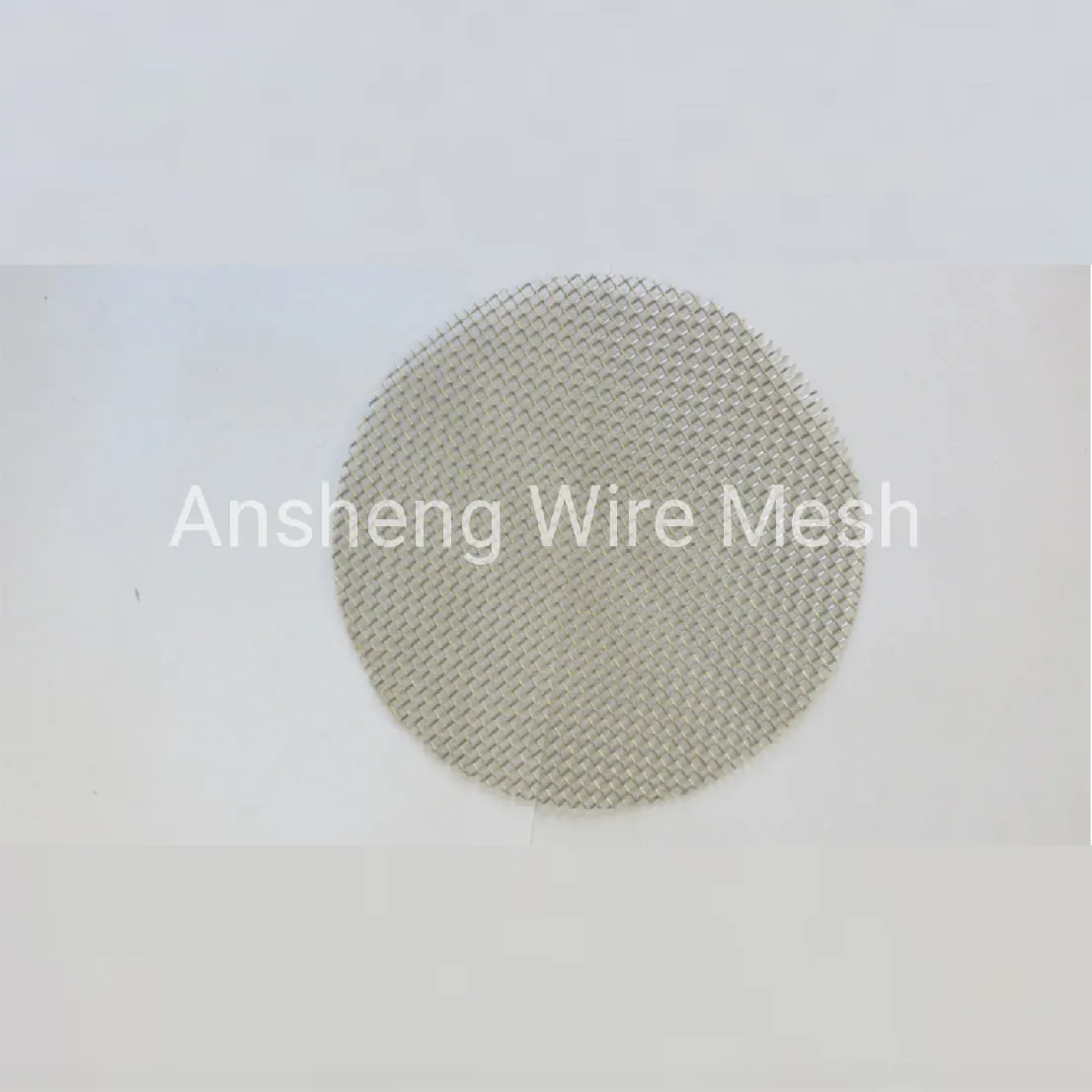
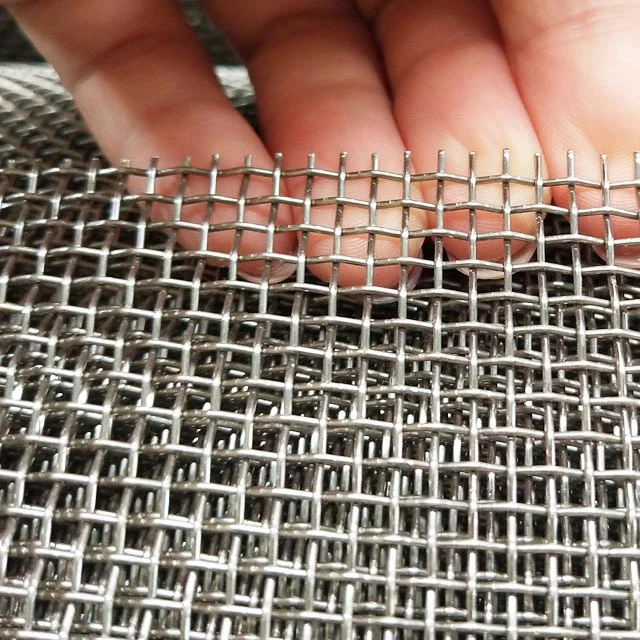
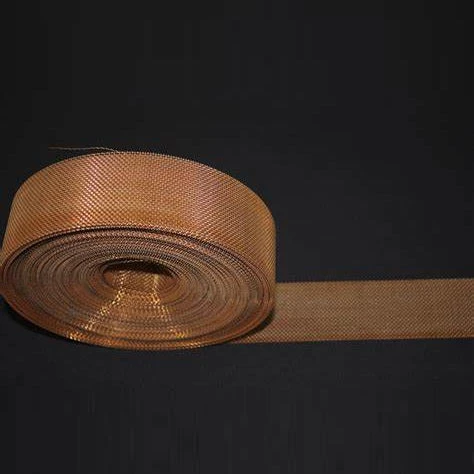
Put simply, 304 stainless steel wire mesh is a woven grid of fine wires made from a blend of chromium (around 18%) and nickel (around 8%), forming an alloy known for its resilience and corrosion resistance. It’s like a fabric made of metal threads, designed to filter, protect, and reinforce.
In industrial contexts, it’s a go-to for filtration systems, screens, and safety guards. In humanitarian terms, it helps ensure clean water filtration and structural reinforcement in temporary shelters — crucial in disaster zones.
So, think of it as a multi-purpose hero fabric — tough, reliable, and surprisingly flexible in application.
Core Components and Key Features of 304 Stainless Steel Wire Mesh
Durability
Thanks to chromium's corrosion-resistant properties, this mesh doesn’t rust even in damp environments or when exposed to chemicals, making it highly sustainable for outdoor and industrial use.
Scalability
Available in various weave types, diameters, and mesh counts (the number of openings per inch), it can be tailored for filters operating at tiny micron levels, or robust security fencing.
Cost Efficiency
Though marginally pricier upfront than low-grade alternatives, its lifespan and low maintenance demands deliver better value long-term — especially noticeable in remote or harsh locations where replacement is costly.
Flexibility in Applications
It’s not just fencing or filters; this mesh can be embedded into composite materials, used in architecture for façade design, or as reinforcement in pipelines — versatility that engineers truly appreciate.
Easy Maintenance & Cleanability
Its smooth surface resists dirt buildup, so cleaning efforts require less water and chemicals, a green bonus for eco-sensitive projects.
Compliance & Safety
Meets multiple international standards (ASTM A240, ISO 9001), ensuring consistent quality trusted across industries.
Mini takeaway: 304 stainless steel wire mesh combines mechanical strength, adaptability, and long-term savings — why many industries stick to it despite more ‘modern’ alternatives popping up now and then.
Worldwide Uses: Where Does 304 Stainless Steel Wire Mesh Shine?
- Water Filtration: Widely used in municipal and private water treatment to remove debris and contamination. For example, filtration plants in Singapore rely on this material for consistent water purity.
- Industrial Separation: Mining and chemical plants in Australia use this mesh to separate particles without corrosion risks from harsh chemicals.
- Agriculture and Food Processing: Mesh screens ensure food safety, filtering unwanted materials out during processing across Europe and North America.
- Architecture and Construction: Facades, security barriers, and reinforcement elements in skyscrapers, particularly in urban Asia.
- Humanitarian Relief: In flood-prone regions of South Asia, 304 stainless wire mesh helps create durable water-treatment units and temporary shelter reinforcements.
In some of the world’s most challenging environments, the mesh’s dependability means the difference between safety and failure. A small factory in Ghana, for instance, uses custom mesh filters to sustain clean water access in a region otherwise hard hit by polluted sources.
Advantages and the Lasting Impact of Choosing 304 Stainless Steel Wire Mesh
When you pick 304 stainless steel wire mesh, you’re not just buying a material; you’re investing in:
- Reliability: The mesh won’t corrode or fail prematurely, helping avoid costly downtime.
- Sustainability: Its recyclability and long life reduce environmental footprints.
- Safety: For workers and communities, offering structural integrity and filtration assurance.
- Innovation: Encourages creative uses from designers and engineers alike.
- Cost Savings: Less frequent replacements, lower maintenance, and fewer failures make it smart economically.
Frankly, the peace of mind offered by reliable materials like this can hardly be overstated — you kind of sleep better knowing your filtration system or security mesh won’t be the week’s failure headline.
A Quick Look at Specifications
| Parameter | Specification |
|---|---|
| Material Grade | 304 Austenitic Stainless Steel |
| Mesh Count | 4-200 mesh (varies by use) |
| Wire Diameter | 0.02 mm – 1.0 mm |
| Tensile Strength | ≥ 520 MPa |
| Corrosion Resistance | Excellent in oxidizing environments |
| Finish | Smooth, polished or matte options |
Comparing Top Vendors of 304 Stainless Steel Wire Mesh
| Vendor | Product Range | Customization | Lead Times | Approx. Pricing |
|---|---|---|---|---|
| Ansheng Filter Screen | Wide (4-200 mesh; custom cuts) | Highly customizable | 3-5 weeks | Mid-range |
| WireCo Global | Extensive, limited custom cuts | Limited customization | 2-4 weeks | Higher |
| Smith Mesh Co. | Standard meshes only | No customization | 1-2 weeks | Budget |
Looking Ahead: Trends and Innovation in Stainless Steel Mesh
Oddly enough, the future of 304 stainless steel wire mesh isn’t just about steel or weaving techniques. It’s trending towards digital transformation and green production. For instance, smart manufacturing uses IoT sensors on mesh production lines for superior quality control.
Plus, there’s a push for eco-friendly coatings to reduce environmental impact further, and improved recycling processes aiming to close the loop on stainless steel supply chains. Meanwhile, using 3D-printed molds to form mesh components is also emerging — cutting waste drastically.
Sustainability is not just a buzzword here: industries are keenly aware that long-term ecological responsibility and performance go hand in hand.
Common Challenges and How They’re Tackled
Of course, nothing’s perfect. Some complain about higher initial costs or the inability of 304 stainless to resist all types of chemical exposures (for more extreme acids, you’d often move on to 316 grade). Then there’s the issue of lead times when customized orders are in the mix — sometimes weeks.
Yet, many manufacturers are streamlining processes to shorten delivery, while hybrid materials combining stainless steel mesh with polymers are being tested to expand chemical resistance without blowing up costs. And for many projects, the durability savings outweigh upfront challenges.
FAQ: Your Top Questions About 304 Stainless Steel Wire Mesh
- How does 304 stainless steel wire mesh compare to other stainless grades?
- 304 offers excellent corrosion resistance and is cost-effective but may not handle highly acidic or saline conditions as well as 316. It’s used where general durability and oxidation resistance are needed.
- Can this wire mesh be custom-cut for specific industrial filters?
- Absolutely. Most vendors, like Ansheng Filter Screen, offer bespoke sizes, weave patterns, and diameters to match precise filtration needs.
- Is 304 stainless steel wire mesh suitable for outdoor security fencing?
- Yes, it resists rusting through weather exposure, making it ideal for fencing, cages, or protective barriers with a long lifespan.
- How is this mesh cleaned in water treatment plants?
- Its smooth surface allows for simple mechanical washing or backflushing, often with minimal chemical cleaning agents, optimizing maintenance and longevity.
- Are there any environmental certifications associated with the material?
- 304 stainless steel is recyclable and commonly used in ISO 14000-compliant facilities aiming at sustainable practices.
Wrapping Up: Why 304 Stainless Steel Wire Mesh Still Holds Strong
Over the long haul, 304 stainless steel wire mesh proves its worth by delivering reliable performance across diverse industries and geographies. The balance of durability, versatility, and cost-efficiency it offers can’t be overstated — it enables innovations in water treatment, manufacturing, and humanitarian aid that many might take for granted.
Interested in finding out how the right type of 304 stainless steel wire mesh could transform your next project? Dive deeper on our site or reach out today—sometimes the simplest materials create the most lasting impact.
References:
Post time: Nov . 26, 2025 11:50