
Stainless Steel Screen Wire: The Unsung Hero of Modern Industry
If you’ve ever wondered about the intricate filigree of meshes behind many industrial and environmental setups, chances are you're looking at stainless steel screen wire. It’s not just a technical component tucked away; globally, it’s a backbone material — supporting everything from water filtration to mining, and even disaster relief infrastructure. Knowing about this wire means appreciating a global tool that quietly tackles contamination, durability, and efficiency with a metallic wink.
Why it Matters Globally
The United Nations estimates that safe, clean water access impacts billions worldwide. Industrial-scale filtration and separation rely heavily on materials with both resilience and reliability. Enter stainless steel screen wire, which plays a quietly pivotal role. According to ISO standards on filtration (ISO 16889:2018), materials like these must meet demanding criteria, serving multiple sectors simultaneously — from manufacturing to humanitarian efforts.
Yet, the challenge lingers: how to maintain efficiency and long-term performance in hostile environments—be it corrosive seawater or harsh mining dust? This is the crux the stainless steel screen wire addresses daily.
What is Stainless Steel Screen Wire?
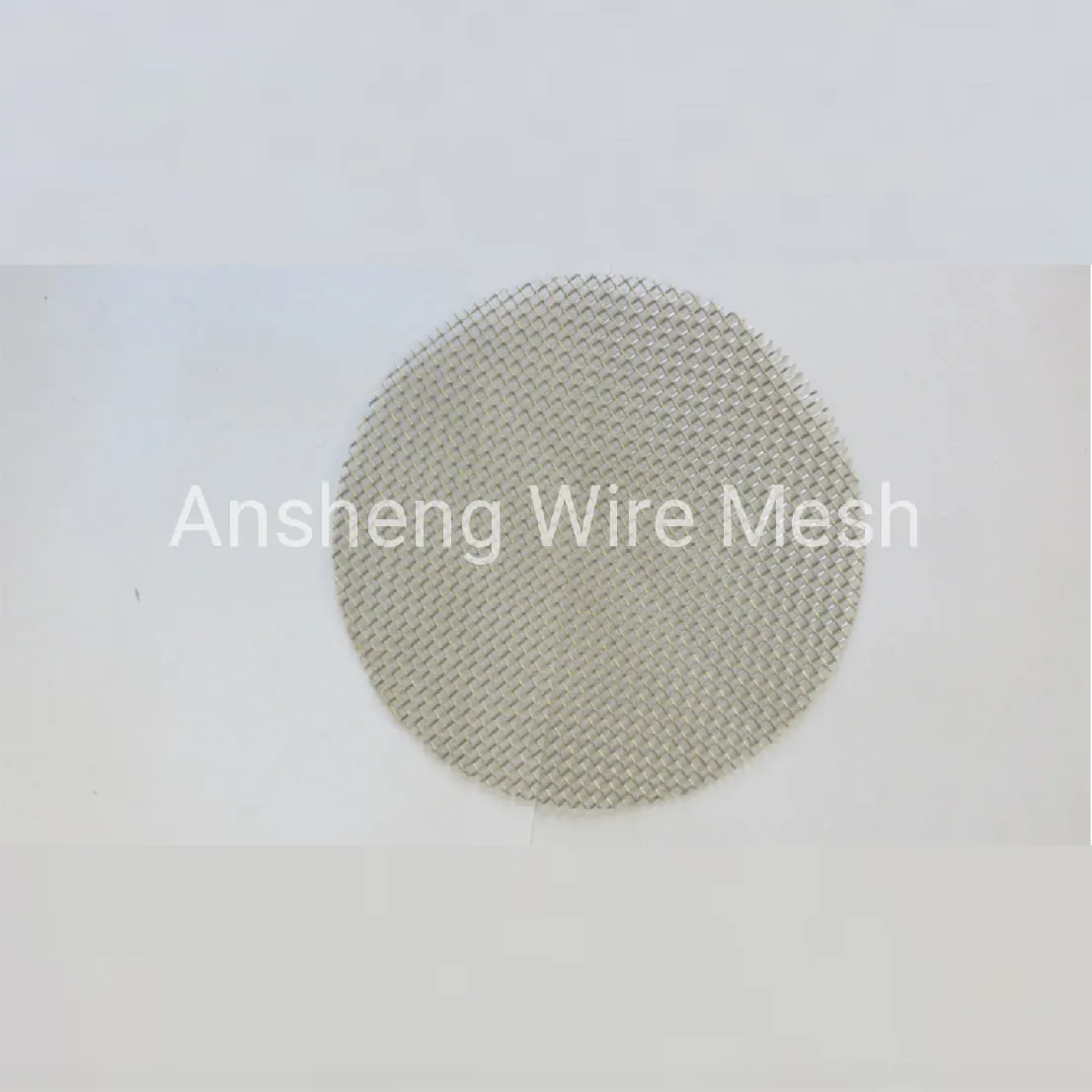
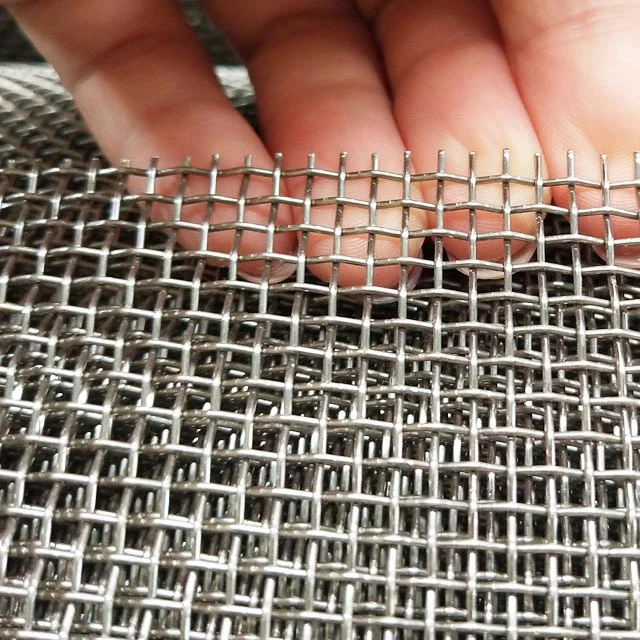
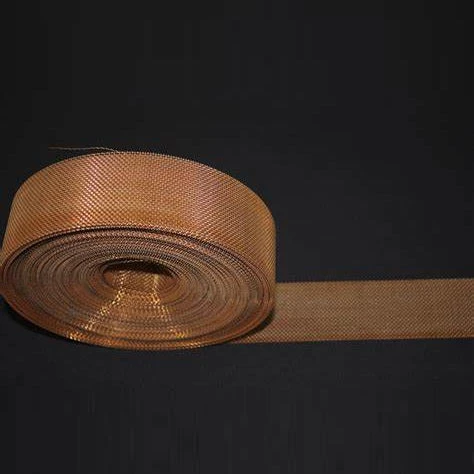
Put simply, stainless steel screen wire is a finely woven or welded mesh made from stainless steel strands. It’s designed to filter, screen, or separate particles across many industries. Its inherent corrosion resistance and mechanical strength make it crucial for modern filtration systems.
Think of it as a sieve with superpowers — invisible to most but essential to many.
From water purification in remote areas to controlling contamination in pharmaceutical plants, this wire meets a variety of industrial and humanitarian needs. The choice of stainless steel isn't arbitrary; it’s about balancing strength with longevity.
Key Factors Behind Stainless Steel Screen Wire's Success
Durability that Withstands the Test of Time
One of the standout features of stainless steel screen wire is, frankly, its durability. Whether exposed to acidic conditions or saltwater, it stands firm. Many engineers swear by 304 and 316 stainless steel grades for their excellent corrosion resistance and hardness. Honestly, it’s this resilience that makes it indispensable.
Precision Filtration and Mesh Uniformity
The mesh is manufactured to exacting standards, allowing for reliable particle size control. This is invaluable in mining operations, chemical processing, even food-grade filters. Uniformity means no surprises down the line when reliability matters most.
Cost Efficiency Over Long-Term Use
Though the initial outlay for stainless steel mesh might be higher than plastic or other wire alternatives, it generally outperforms in life span, reducing replacement frequency. It’s that classic “spend more now, save later” principle, backed by robust field data.
Scalability and Adaptability
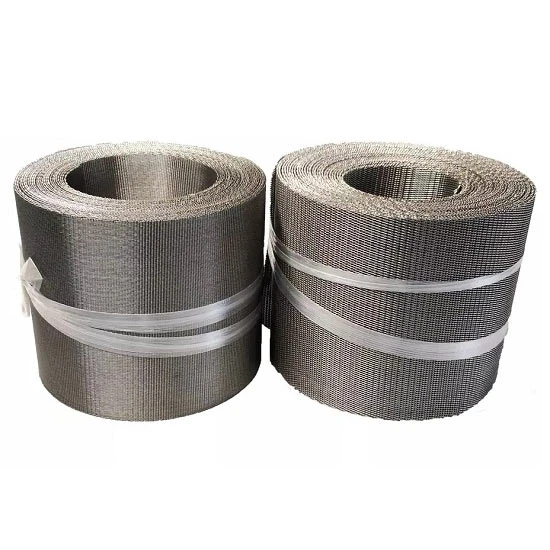
From tiny laboratory filter screens to industrial-scale panels meters wide, stainless steel screen wire can be customized and scaled. Production techniques range from weaving fine wires to welding thick strands for large openings.
Compatibility With Harsh Chemical Environments
It’s hard to overstate how relevant this is — stainless steel alloys handle alkalis, salts, and acids much better than cheaper alternatives. For industrial plants, this can mean fewer costly shutdowns and lower maintenance.
Real World Applications: Stainless Steel Screen Wire in Action
You might find stainless steel screen wire quietly enabling solutions across continents and markets:
- Water Treatment Plants in Southeast Asia: For filtering suspended solids and microbial contaminants in rapidly growing urban centers.
- Mining Operations in Australia and South America: Applied in ore separation and dust control, these wires bear harsh conditions daily.
- Pharmaceutical Manufacturing in Europe: Sterile environments require stainless steel mesh screens for particulate control without contamination.
- Post-Disaster Relief Efforts in Africa: Mobile filtration units with stainless steel screens provide clean water in refugee camps.
In fact, many NGOs incorporating these meshes report improved water clarity and equipment durability, reducing their logistic burden in tough terrain.
Advantages & Long-Term Value: More Than Just Metal Mesh
Okay, now we get to the emotional side: reliability means safety and dignity. In many communities, access to clean water or clean air isn't just technical — it’s a lifeline. Stainless steel screen wire’s longevity ensures fewer failures, which in turn means less downtime, fewer emergency repairs, and crucially, less risk.
Practically, companies save on repeated procurement, and environmental impact decreases since replacement frequency drops. It’s a quiet but profound way to promote sustainability. Plus, the potential for recycling stainless steel meshes aligns nicely with green tech policies emerging globally.
The Future: Innovations on the Horizon for Stainless Steel Screen Wire
Roughly speaking, manufacturers are exploring nanocoatings to boost anti-fouling properties, so the mesh stays cleaner for longer, reducing maintenance. Additive manufacturing may someday tailor-make mesh shapes at scale... Maybe even integrating sensors to monitor particulate blockage in real time?
Meanwhile, digital transformation in manufacturing helps produce filters with laser precision, improving performance and repeatability. Also, as green energy sectors like solar and wind grow, stainless steel mesh could find new roles as robust, corrosion-resistant support structures or filtration media for bioenergy setups.
Challenges & Practical Solutions
No product is perfect—stainless steel screen wire can be heavy, making some applications tricky. Cost upfront can be a hurdle, especially for small businesses or NGOs operating on tight budgets. Installation also demands skill to ensure optimal performance.
Innovative solutions? Lightweight stainless steel alloys or hybrid meshes combining plastic and metal elements seem promising. Training initiatives and modular designs also help ease installation and maintenance burdens.
Product Specifications & Vendor Comparison
| Specification | Typical Values | Unit/Notes |
|---|---|---|
| Material Grades | 304, 316, 316L | Stainless steel alloys |
| Wire Diameter | 0.03 - 1.5 | mm |
| Mesh Opening | 10 - 1000 | Microns |
| Tensile Strength | 500 - 750 | MPa |
| Corrosion Resistance | Excellent | Especially grade 316 |
| Vendor | Product Range | Lead Time | Customization | Price Range |
|---|---|---|---|---|
| Ansheng Filters | Wide (wire stainless steel screen wire meshes) | 2-4 weeks | Fully flexible | Mid to high |
| Global Mesh Corp | Medium (standard sizes mostly) | 3-5 weeks | Limited | Budget |
| SteelWire Tech | Niche (specialty alloys) | 4-6 weeks | Moderate | High-end |
FAQ: Stainless Steel Screen Wire
Q1: How does stainless steel screen wire compare to plastic meshes?
A: Stainless steel screen wire offers superior durability, corrosion resistance, and temperature tolerance. While plastic meshes are lighter and cheaper, they tend to degrade faster in harsh environments, requiring more frequent replacements. Depending on industry needs, the upfront cost difference can be justified by longer service life and consistent performance.
Q2: Can stainless steel meshes be customized for specific filtration needs?
A: Absolutely. Wire diameter, mesh opening size, and weave pattern can be tailored. Industry experts will work with clients to achieve the right balance between filtration efficiency and flow rate depending on the application — from fine pharmaceutical filters to heavy-duty mining screens.
Q3: Is installation complicated for stainless steel screen wire in field use?
A: Installation requires some technical skill to ensure correct tension, fit, and sealing. However, modular frame systems and pre-assembled units are increasingly common, helping non-experts deploy these meshes quickly. Plus, training materials and vendor support smooth the process.
Q4: How does stainless steel screen wire contribute to sustainable development?
A: Its long lifespan reduces waste and procurement frequency, and stainless steel is highly recyclable. Many companies also source materials from sustainable mining operations. Thus, using these meshes aligns with circular economy principles and environmental stewardship.
Wrapping Up: Why Stainless Steel Screen Wire Still Matters Tomorrow
Summing it all up, stainless steel screen wire may not be the flashiest product on your radar, but it sure is one of the most reliable. Its balance of durability, precision, and sustainability keeps industries running smoothly and communities safe. As innovation marches on, these wires are poised to get even smarter and greener — a silver lining made of steel mesh.
For anyone interested in quality and versatility, seriously consider exploring options from trusted vendors like Ansheng Filters. Their range offers a solid starting point to experience the benefits firsthand.
References:
1. Wikipedia: Stainless Steel
2. ISO 16889:2018 on filtration
3. UN Water Scarcity Facts
Post time: Nov . 26, 2025 17:00