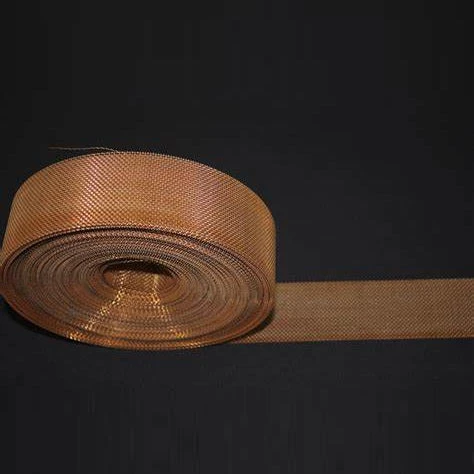

The Unsung Hero: Why Stainless Steel Fly Screen Mesh Matters Globally
It’s easy to overlook something like a stainless steel fly screen mesh — a simple yet brilliant tool that quietly guards our living and working spaces worldwide. But if you pause for a sec, this mesh isn’t just about keeping pesky insects out. It’s a critical component in hygiene, public health, and even industrial safety on a global scale. The versatility, durability, and efficiency of these meshes have positioned them as indispensable in countries everywhere, from ultra-urban environments to remote outposts.
Understanding stainless steel fly screen mesh is more than an industrial footnote — it’s about grasping how small innovations protect billions while improving sustainability, reducing health risks, and saving money. So, whether you’re a facility manager, a manufacturer, or just curious, getting familiar with this practical product pays off in surprising ways.
Seeing the Big Picture: Stainless Steel Fly Screen Mesh in the World Today
Stainless steel fly screen mesh isn’t niche anymore. According to ISO and WHO reports, vector-borne diseases cause hundreds of thousands of deaths yearly, many preventable by proper physical barriers like fly screens. On top of that, the World Bank notes that industrial contamination and airborne debris cause significant productivity losses globally. The simple mesh, especially when made with stainless steel, is a frontline defense that’s both durable and environmentally smart.
Yet, there’s a challenge: in many developing regions, cheap alternatives dominate — often with shorter lifespans and poorer performance. This gap leaves communities exposed and industries paying the price in downtime and equipment damage. Stainless steel fly screen mesh steps in exactly here, offering a reliable, reusable, and scalable solution that mixes low maintenance with outstanding strength.
What Exactly Is Stainless Steel Fly Screen Mesh?
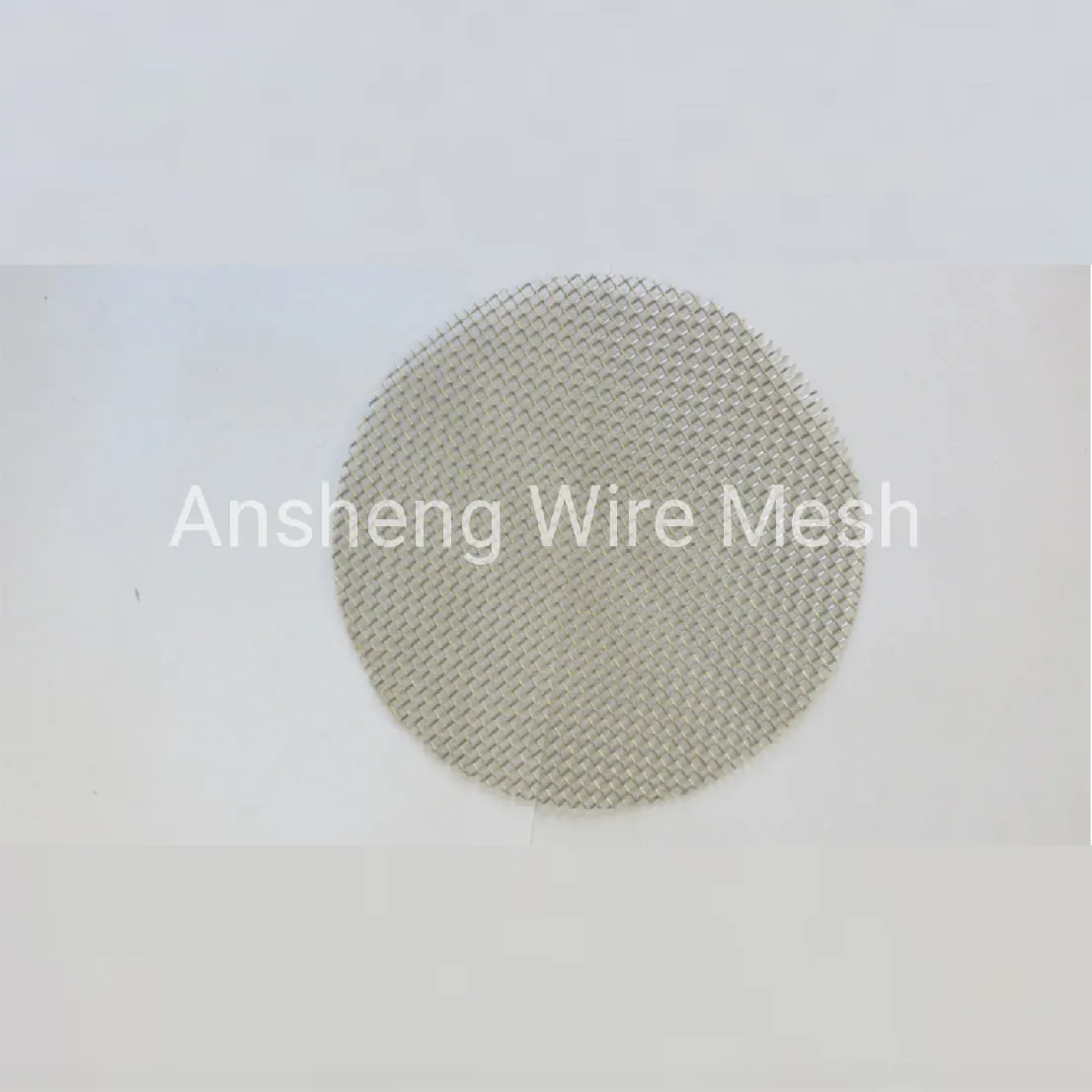
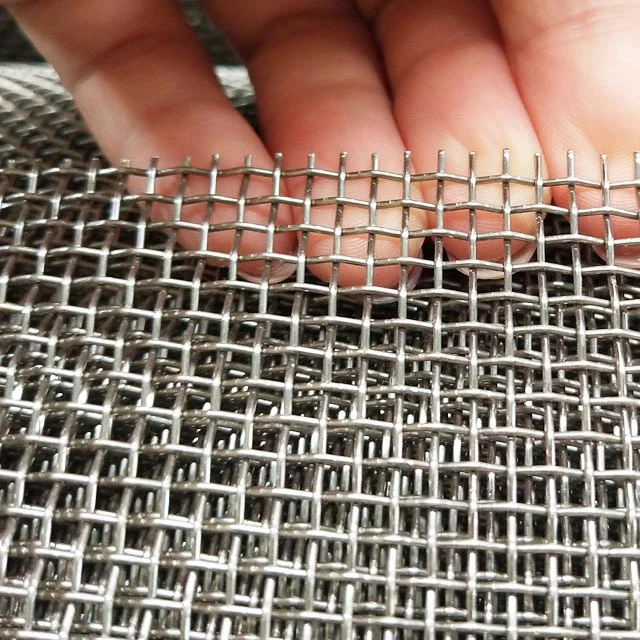
At its core, stainless steel fly screen mesh is a woven or welded mesh made from corrosion-resistant steel alloys designed to cover openings like windows, vents, and doors. Its primary role is to let air and light through while blocking insects, debris, and sometimes even larger particles depending on weave tightness.
Beyond residential screens, these meshes play a pivotal role in industries such as food processing, pharmaceuticals, and chemical manufacturing — places where contamination control isn’t optional. The material’s corrosion resistance means the mesh stays intact and clean even in demanding environments, balancing hygiene with longevity.
Mini Takeaway:
Stainless steel fly screen mesh is simple by design, but its impact ranges from homes to hospitals and factories — a quiet workhorse in health and safety worldwide.
Core Factors That Make Stainless Steel Fly Screen Mesh So Effective
Durability
One of the biggest draws is how long stainless steel lasts. While plastic or aluminum screens may degrade with UV exposure or rust in humid climates, stainless steel resists oxidation and physical wear. In tropical or coastal regions, this resilience is invaluable.
Corrosion Resistance
With thick chromium content, stainless steel mesh stays rust-free even when exposed to moisture, salt air, or chemicals. This quality means fewer replacements, less maintenance, and less waste — something companies focused on sustainability actively appreciate.
Mesh Size & Precision
Fly screen mesh isn’t just about keeping out any insect — it’s often tailored to exclude specific pests or contaminants. Mesh sizes vary, with tighter weaves keeping out tiny flies or particles, and wider weaves improving airflow. Some industries require ultra-fine weaves certified by standards like ISO 9044 for filtration.
Cost Efficiency Over Time
Though initially pricier, stainless steel meshes reduce long-term costs by minimizing replacement cycles and downtime. Unlike easily torn fiberglass or rust-prone metals, they stand up without specialized repairs.
Customizability
Manufacturers can tailor stainless steel fly screen mesh in thickness, weave pattern, and dimensions to fit both standard and custom framing systems. This flexibility lets users address unique entry points — from giant factory vents to window frames in tricky historic buildings.
Mini Takeaway:
Durability, anti-corrosion, and precision weave make stainless steel fly screen mesh the go-to choice for smart, long-term infrastructure planning.
Worldwide Applications: Where Stainless Steel Fly Screen Mesh Really Shines
Think of this mesh in all kinds of settings:
- Healthcare Facilities: Hospitals use these to prevent insect-borne infections while ensuring sterile airflow.
- Food & Beverage Industry: Critical for contamination prevention in factories processing fresh foods, beverages, or medicines.
- Agricultural Operations: Protects stored grain facilities and greenhouses from pests without harmful chemicals.
- Residential and Commercial Construction: Vent covers and window screens that balance ventilation with insect protection.
- Post-Disaster Relief Operations: Rapidly deployable temporary housing and clinics often incorporate fly screens to avoid disease outbreaks.
International NGOs appreciate the mesh's durability in remote zones where importing replacement parts is tough. For example, disaster sites in Southeast Asia successfully used stainless steel fly screen mesh panels to safeguard temporary wards and kitchen areas.
Advantages & The Long-Term Value of Stainless Steel Fly Screen Mesh
Here’s the thing: the tangible benefits of this mesh speak not just to budgets but to human experiences.
- Cost-Savings: Fewer replacements and less cleaning result in meaningful operational cost reductions.
- Eco-Friendly: Durable materials reduce landfill waste, and many meshes are recyclable.
- Safety & Hygiene: Controls insect access — lowering disease risks.
- Trust & Peace of Mind: Both residential users and industrial clients relax knowing their environments are more secure.
- Innovation Backbone: The mesh supports cutting-edge industries by meeting strict standards for contamination control.
Oddly enough, there’s almost an emotional connection from facility managers who’ve had one too many costly interruptions. Investing in good mesh feels like insuring peace of mind.
Looking Forward: Innovations on the Stainless Steel Fly Screen Mesh Horizon
New coatings, like antimicrobial finishes, are becoming standard — helping to fight mold and bacteria. Manufacturing is also embracing laser-cut precision and robotic weaving to create ultra-fine customized meshes quickly.
As sustainability gains ground, recycled stainless steel meshes and those with enhanced longevity are big trends. Partial integration with smart sensors that detect mesh damage or contamination build intrigue too.
Some companies are exploring lightweight composites that blend stainless steel wire and polymer fibers for specific industrial uses — all pointing toward even smarter, greener meshes.
Challenges & Smart Solutions
Like any product, stainless steel fly screen mesh isn’t without hurdles. Installation complexity and upfront cost can deter some buyers. Sometimes, improper maintenance leads to buildup or corrosion if lower-grade steel is mistaken for stainless.
Experts recommend:
- Choosing certified stainless grades like 304 or 316 for harsh environments;
- Partnering with experienced vendors that provide custom fitting services;
- Periodic cleaning with non-abrasive tools to maintain airflow and hygiene.
Many report that investing in quality upfront pays dividends in preventing frustrating failures down the line.
FAQ: Answering Your Top Questions About Stainless Steel Fly Screen Mesh
- What is the lifespan of stainless steel fly screen mesh in outdoor applications?
- Typically, it can last 15–25 years or more, depending on environmental factors and maintenance. Using marine-grade stainless steel (e.g., 316) enhances lifespan in salty air conditions.
- Can stainless steel fly screen mesh be customized to non-standard sizes?
- Yes! Most manufacturers offer bespoke sizing and weave density options to fit specialized frames or filtration requirements.
- How does stainless steel mesh compare to fiberglass in insect protection?
- Stainless steel mesh is far more durable, rust-resistant, and less prone to tears than fiberglass, making it ideal for heavy-use or industrial areas.
- Is the mesh safe for food processing environments?
- Absolutely. Stainless steel fly screen mesh meets hygiene standards in food and beverage sectors, especially if cleaned regularly and made from food-safe grades.
- What maintenance is required to keep the mesh effective?
- Routine cleaning with mild detergents and inspection for physical damage are usually sufficient to keep the mesh working optimally.
Quick Product Specification Table
| Specification | Details |
|---|---|
| Material Grade | 304 or 316 stainless steel |
| Wire Diameter | 0.20 mm – 0.80 mm |
| Mesh Size (Openings per inch) | 12x12 to 100x100 |
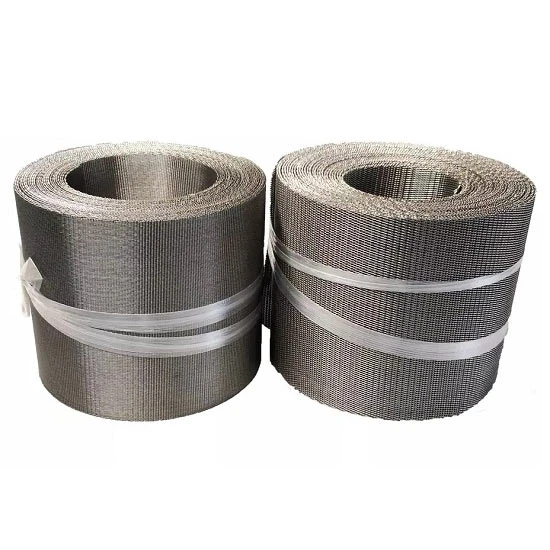
| Width (standard rolls) | 1 meter to 2 meters |
| Finish | Mill finish or coated options |
Vendor Comparison Quick View
| Vendor | Product Range | Customization | Price Range | Lead Time |
|---|---|---|---|---|
| Ansheng Filters | Wide mesh sizes & grades | High (custom weaves & sizes) | Mid-Range | 2–4 weeks |
| Global Mesh Co. | Standard mesh sizes only | Low | Lower | 1–3 weeks |
| SteelSecure Ltd. | Premium industrial meshes | Medium | High | 3–5 weeks |
Final Thoughts and Where to Learn More
The stainless steel fly screen mesh quietly safeguards countless industries and homes across the globe, balancing innovation with reliability. It’s one of those unsung heroes whose importance only grows as global health, sustainability, and efficiency demands rise. Choosing quality stainless steel mesh isn’t just a purchase — it’s a strategic decision that protects people, products, and budgets longer-term.
For anyone wanting to explore their options or source reliable mesh solutions, do yourself a favor and check out stainless steel fly screen mesh specialists who understand the nuances and demands of today’s markets.
Quick Summary
- Stainless steel fly screen mesh combines durability, precision, and corrosion resistance.
- It plays a notable role in health, industrial, and residential applications worldwide.
- Despite upfront cost, long-term savings and safety benefits are substantial.
- Future trends include antimicrobial finishes and smart integration for maintenance.
References
Post time: Nov . 26, 2025 22:25