
Why Stainless Chicken Wire Matters More Than You Think
At first glance, stainless chicken wire might just sound like a piece of hardware you’d find surrounding a backyard coop. But look closer, and you’ll see it plays a surprisingly significant role in industries all over the globe—ranging from agriculture, manufacturing, to even humanitarian aid. Its strength, durability, and adaptability make it a material of choice that quietly underpins safety, sustainability, and efficiency worldwide.
Understanding stainless chicken wire isn’t just for farmers or builders; it also tells a story about global movements towards stronger, longer-lasting materials—ones that resist corrosion and withstand challenging environments. If you’ve ever marveled at how something as simple as a wire mesh can help protect livestock, secure premises in remote areas, or serve as a critical filter in industrial processes, this article will walk you through the core reasons this material is indispensable today.
Mini takeaway: Stainless chicken wire isn’t mere fencing—it’s a versatile tool entwined with global development and industrial progress.
Global Importance: More Than Just Wire Fence
Industries worldwide consume millions of tons of galvanized and stainless steel wire mesh annually, and stainless chicken wire stands out because of its corrosion resistance and longevity. According to the International Organization for Standardization (ISO), materials suited for outdoor and harsh environments must meet rigorous durability standards to reduce waste and maintenance costs.
In developing countries, especially sub-Saharan Africa and parts of Southeast Asia, stainless chicken wire helps farmers secure poultry from predators and diseases, which in turn supports local food security and economies. On the flip side, in industrialized nations, it’s part of high-tech filtration systems, construction reinforcements, and even architectural accents. The World Bank notes that durable materials like stainless steel indirectly support disaster resilience by reducing corrosion-related infrastructure failures.
Yet challenges persist. How to balance cost, environmental impact, and scalability? Stainless chicken wire addresses this by offering a solution that’s robust but not overly expensive, recyclable, and easy to handle—a rare trifecta in industrial materials.
Mini takeaway: Stainless chicken wire bridges the gap between affordability and durability, tackling global challenges from food security to infrastructure resilience.
What Exactly Is Stainless Chicken Wire?
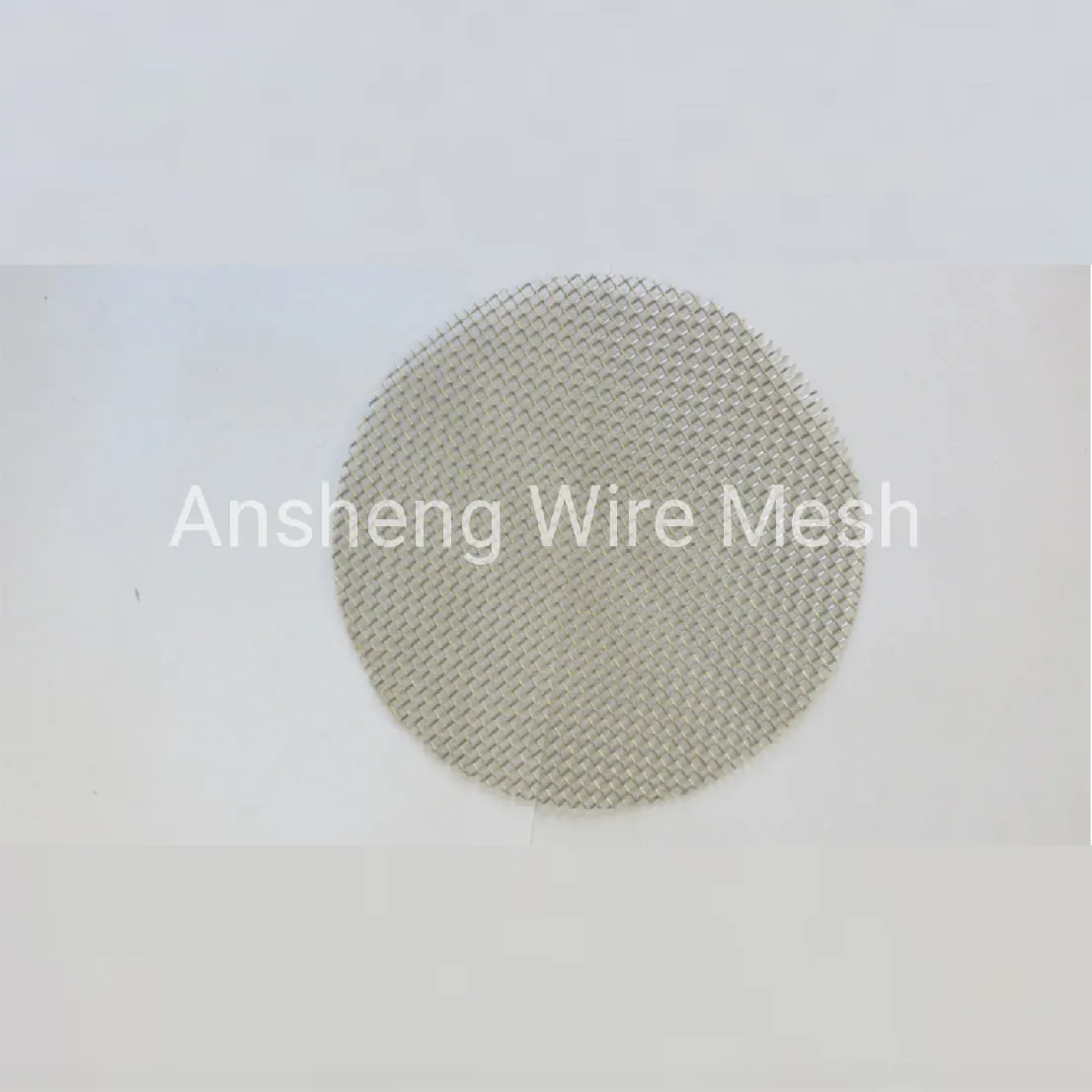
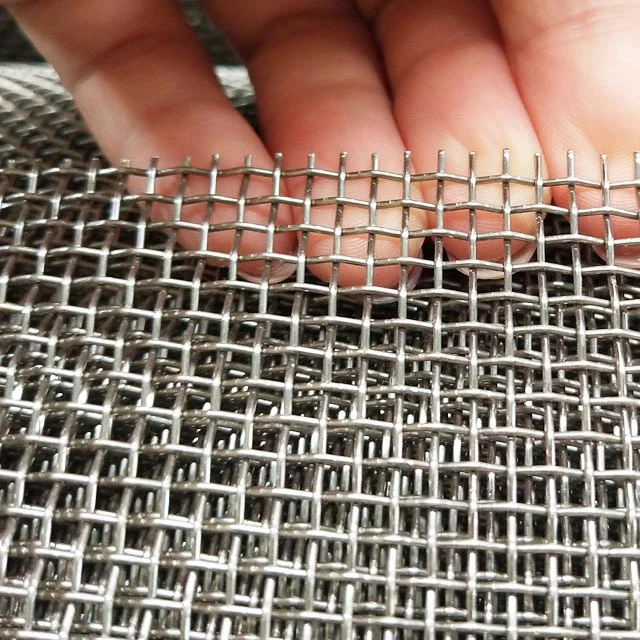
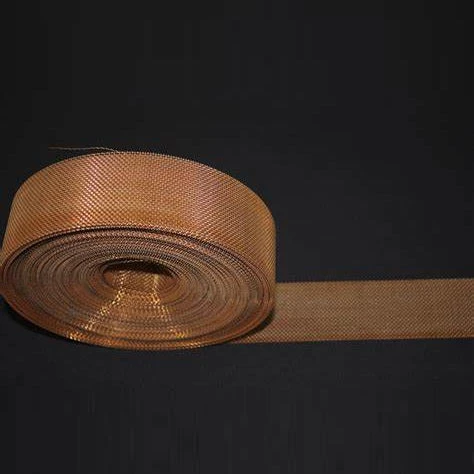
Simply put, stainless chicken wire is a hexagonal mesh fencing made from stainless steel wire. Unlike galvanized alternatives, it doesn't rust easily when exposed to moisture or chemicals thanks to the chromium oxide layer inherent in stainless steel alloys. This trait makes it ideal not only for outdoor fencing but also for filtering applications and protective shielding in harsh settings.
Think of it as a durable armor for animals, infrastructure, or equipment, protecting yet allowing ventilation and visibility. It’s not just a product—the use of stainless steel wire mesh symbolizes a shift to more sustainable, long-term thinking in various sectors.
Mini takeaway: Stainless chicken wire is versatile, corrosion-resistant mesh prized for protection, airflow, and endurance.
Key Factors That Define Stainless Chicken Wire's Value
1. Durability
The chromium in stainless steel prevents rust, making wire mesh suitable for humid, salty, or polluted environments. This extends its lifespan 3 to 5 times compared to ordinary steel wire mesh.
2. Flexibility and Scalability
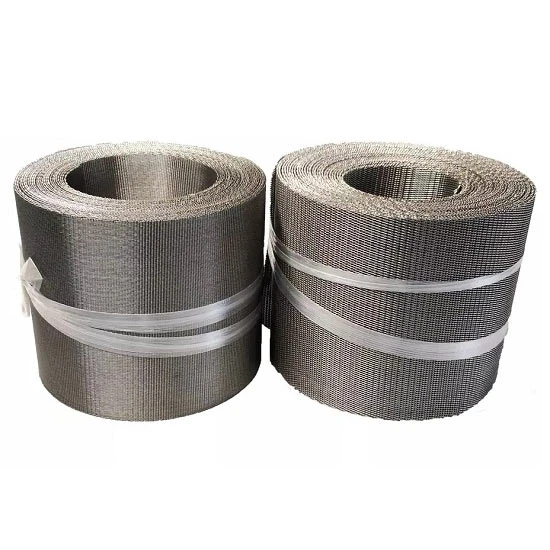
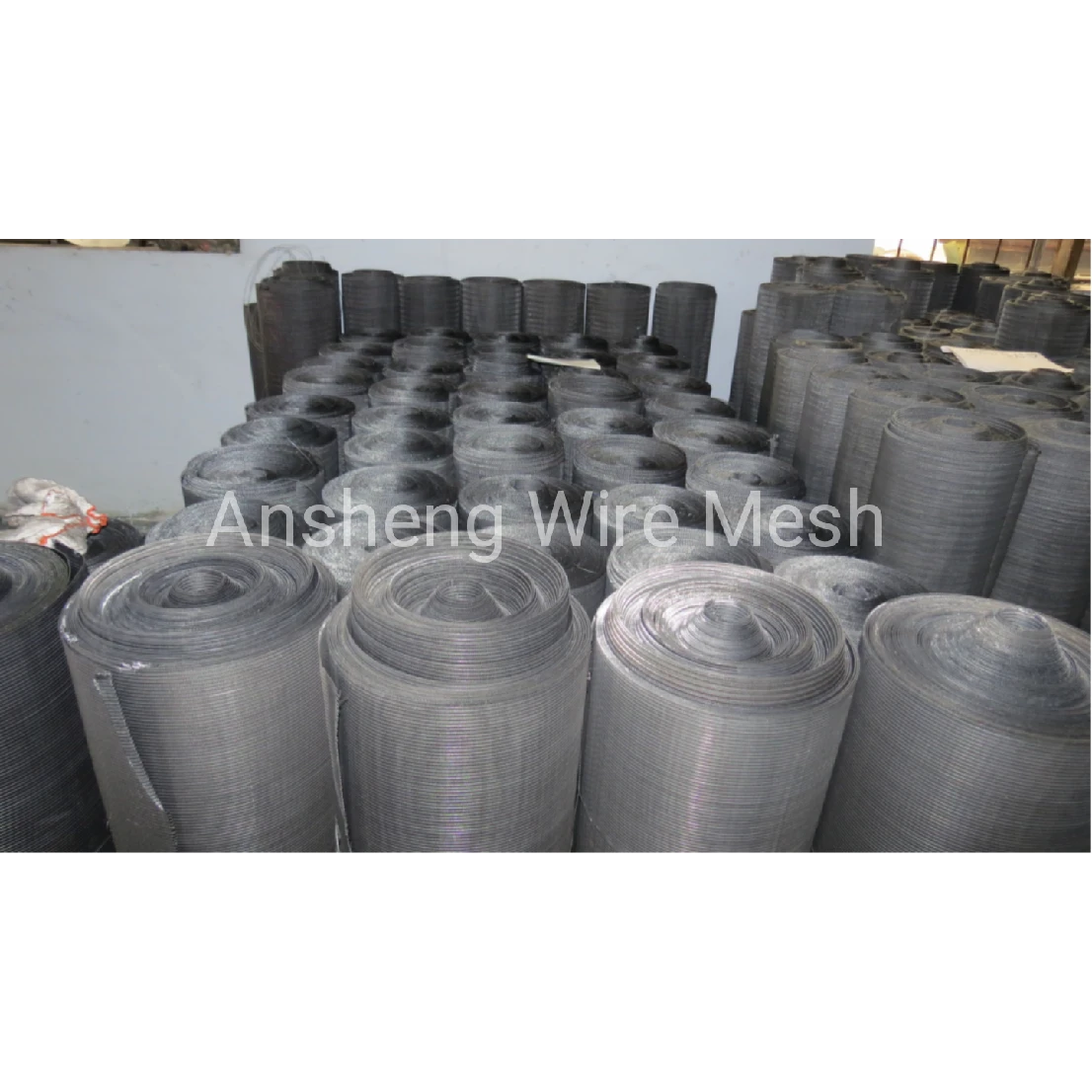
Stainless chicken wire comes in rolls, sheets, or custom sizes, easily cut and shaped. This flexibility means it lends itself to small backyard farms and large industrial sites alike.
3. Cost Efficiency Over Time
Sure, upfront stainless steel costs are higher, but maintenance costs drop significantly since you don’t need to repaint or replace it prematurely.
4. Environmental Sustainability
Made from recyclable materials and requiring less replacement, stainless chicken wire helps reduce waste. Plus, it’s often made using cleaner manufacturing processes adhering to standards like those promoted by the UN Environment Programme.
5. Safety and Animal Welfare
Its sturdy but gentle mesh keeps animals safe without injury, a big concern in ethical farming practices worldwide.
Mini takeaway: Reliability, longevity, and environmental friendliness make stainless chicken wire a material that’s tough to beat.
Real-World Applications – Where Stainless Chicken Wire Makes a Difference
- Agriculture: Used globally for poultry enclosures, protecting birds from foxes or snakes in rural Australia and Kenya.
- Industrial Filtration: In chemical plants across Europe and Asia, stainless wire mesh filters liquids and gases due to its resistance to corrosion and heat.
- Construction Safety: Protects areas on high-rise sites, temporarily securing scaffolding while remaining lightweight for easy repositioning—common in North America and the Middle East.
- Humanitarian Relief: Post-disaster shelters sometimes incorporate stainless chicken wire to strengthen walls or fences due to its rapid deployment and durability.
For example, in remote Himalayan communities, stainless chicken wire helps protect vegetable gardens from wildlife without the heavy cost or logistics of concrete barriers. It’s like a silent guardian—strong, subtle, and dependable.
Mini takeaway: From backyard coops to industrial plants, stainless chicken wire truly gets around.
Advantages and Long-Term Value of Stainless Chicken Wire
Many engineers I spoke with praise stainless chicken wire for its inherent balance between cost and performance. Unlike cheaper alternatives, it saves money over time by resisting weathering and degradation. The longevity means fewer replacements, less waste, and greater reliability for safety.
Emotionally, for farmers and facility managers, this is peace of mind. Knowing that livestock are securely housed or that filters won’t suddenly fail during crucial processes offers priceless confidence. It’s a trust built into a simple wire mesh.
Product Specification Table
| Specification | Description |
|---|---|
| Material | Stainless Steel 304 or 316 |
| Wire Diameter | 0.7 mm to 1.6 mm typical |
| Mesh Opening | 12.7 mm (1/2 inch) hexagonal pattern |
| Roll Length | 10 meters standard |
| Finish | Smooth or galvanized coating (optional) |
Comparison of Leading Vendors
| Vendor | Material Grades | Price Range (USD/roll) | Lead Time | Customization |
|---|---|---|---|---|
| Ansheng Filter Screen | 304, 316 | $50–$70 | 1–2 weeks | Custom sizes & coatings |
| Global Wire Mesh Co. | 304 | $45–$65 | 3–4 weeks | Limited customization |
| SteelNet Solutions | 316 | $65–$80 | 2 weeks | Wide range, premium |
Looking Ahead: Innovations in Stainless Chicken Wire
The future’s looking pretty green—quite literally. Companies are working on improving the sustainability of stainless steel production by reducing energy consumption and increasing recycling rates. New alloys that require less expensive metals but retain corrosion resistance are also underway, which might lower costs.
On the tech side, digital tracking of materials via RFID embedded in wire rolls is gaining traction. It enables better inventory and quality control, alleviating supply chain headaches common in sprawling industries.
Automation in manufacturing means more precise mesh sizes and better product consistency—something that many engineers say has improved performance in filtering and safety fences.
Mini takeaway: Smarter, greener, and cheaper stainless chicken wire will keep expanding its industrial and humanitarian relevance.
Challenges and How Industry Leaders Solve Them
The biggest hurdles? Price sensitivity and supply chain disruptions. Stainless steel raw material costs can fluctuate wildly, meaning budgets strain in large projects. Also, in remote regions, delivery logistics often delay installation and maintenance.
Experts recommend partnering with vendors who offer local warehousing or regional distribution centers to reduce delays. Bulk purchasing and product standardization can also help bring costs down. Plus, many manufacturers encourage switching to high-performance alloys that last longer, offsetting upfront expenses.
Mini takeaway: Strategic sourcing and smarter material use are key to overcoming stainless chicken wire’s cost and delivery challenges.
FAQ: Your Stainless Chicken Wire Questions Answered
- Q: How long does stainless chicken wire typically last outdoors?
A: Depending on the grade (usually 304 or 316) and environment, it can last 15–25 years or more without significant corrosion, especially compared to galvanized wire which may last 5–10 years in similar conditions. - Q: Is stainless chicken wire suitable for harsh coastal climates?
A: Absolutely. The chromium oxide layer repels salt corrosion, making stainless steel the preferred choice for maritime and coastal farming environments. - Q: Can I customize stainless chicken wire sizes for specific projects?
A: Yes. Many suppliers, including Ansheng Filter Screen, offer various mesh openings and wire diameters tailored to your needs. - Q: How do I maintain stainless chicken wire for maximum durability?
A: Generally, minimal upkeep is needed; however, occasional cleaning to remove debris and salt deposits will prolong the mesh’s lifespan. - Q: Is stainless chicken wire eco-friendly?
A: Compared to coated or galvanized wire, stainless steel is more recyclable and lasts longer, helping reduce material waste over time.
In Conclusion: The Quiet Strength of Stainless Chicken Wire
So here’s the thing: stainless chicken wire is more than just a farming tool. It’s a symbol of innovation and durability that keeps many industries moving forward sustainably and safely. Its resilience, flexibility, and cost-effectiveness combine to meet global needs, from small farms to massive industrial projects.
If you’re looking for high-quality stainless chicken wire that balances price with performance, checking out vendors like Ansheng Filter Screen is a smart first step.
There’s something satisfying about a piece of wire mesh that quietly does its job for decades, isn’t there? Strong but subtle, simple but essential.
Further Reading & References
Post time: Nov . 26, 2025 20:25