
Understanding 1 4 Stainless Steel Mesh: Why This Simple Material Means More Than You Think
At first glance, the term 1 4 stainless steel mesh might not spark much excitement — just a grid of tiny squares, right? But here’s the thing: this seemingly straightforward product plays a surprisingly big role worldwide. From industrial filtration to architectural facades, and even in humanitarian projects that tackle some of our planet’s most pressing challenges, its versatility and robust properties make it a global workhorse. Knowing its ins and outs can reveal benefits like increased durability, cost savings, and advances in sustainable materials. Quite a lot packed into those tiny mesh openings.
Setting the Scene: The Global Importance of 1 4 Stainless Steel Mesh
Before you start picturing wire fences, consider that stainless steel mesh in general has a market valued at billions USD, with steady growth forecasted by industry analysts — partly because of expanding urban infrastructure and stricter industrial standards worldwide (ISO 9001 certification, anyone?). According to data from the World Bank and ISO, demand surges not only come from developed countries but also from booming economies in Asia and Africa, where infrastructure projects and manufacturing scale up rapidly. With ever-tightening requirements for filtration, corrosion resistance, and safety, 1 4 stainless steel mesh (meaning mesh with a 1/4 inch square aperture size) emerges as a reliable go-to. It’s a key player in manufacturing filters, safety screens, and architectural grilles. Frankly, many engineers I’ve talked to say it’s a practical balance between strength and flexibility.
There’s a challenge here, too: balancing quality with cost-efficiency, especially in emerging markets where budget constraints run up against the need for durable, long-lasting materials. That’s where standardized sizes like 1 4 stainless steel mesh shine, offering proven performance while keeping production scalable.
What Exactly Is 1 4 Stainless Steel Mesh?
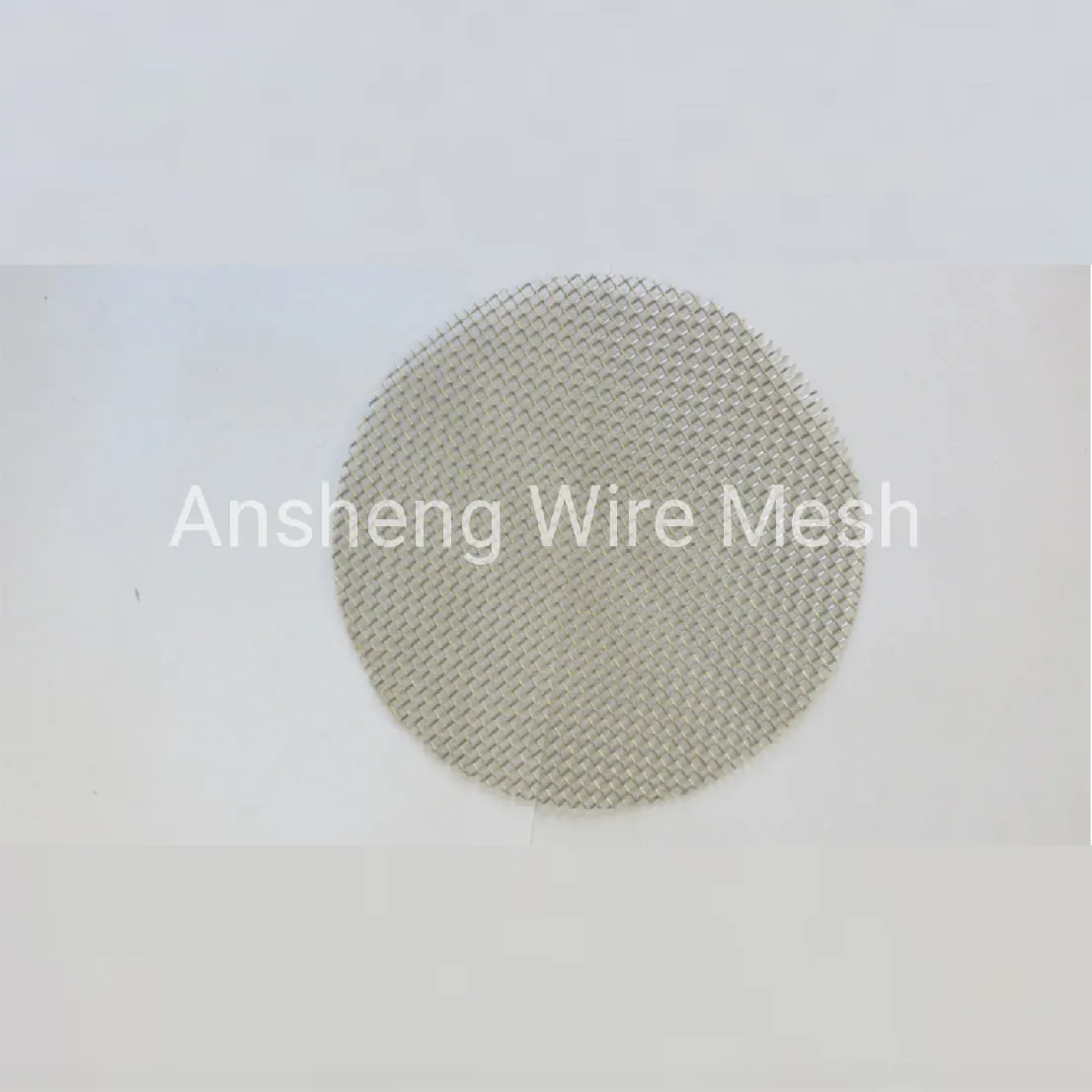
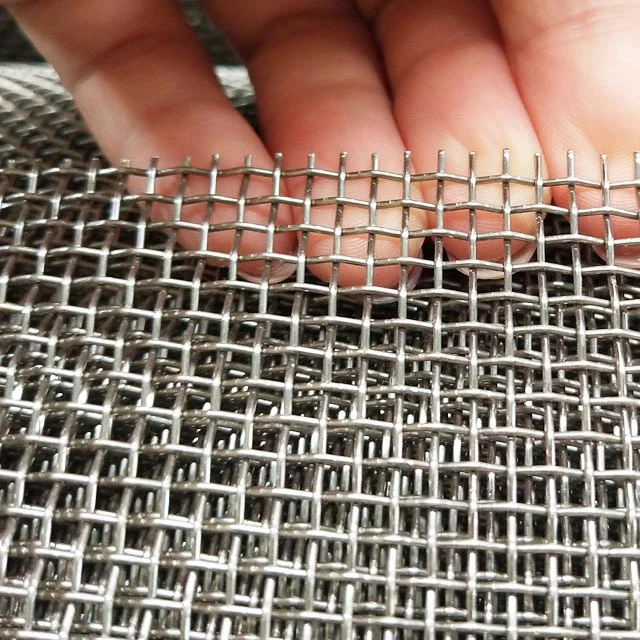
In simple terms, this mesh is a woven or welded pattern of stainless steel wires that creates openings roughly 1/4 inch wide. The “1 4” isn't a typo — it stands for a quarter inch gap size between wires, which is a pretty common mesh size for many filtration and screening applications. Stainless steel itself refers to alloys known for their corrosion resistance and strength, often containing around 10.5% or more chromium. Together, these factors make the mesh a durable, rust-resistant, and versatile material.
Why does this matter? Modern industry demands components that won't degrade under harsh chemicals, high temperature, or physical wear. For example, in humanitarian contexts — say, during post-disaster water filtration — robust mesh screens can be life-saving filters preventing disease outbreaks. The humble 1 4 mesh often works quietly behind the scenes to ensure safety and continuity.
Key Characteristics of 1 4 Stainless Steel Mesh
- Corrosion resistance: Handles wet and corrosive environments without rusting.
- Strength and flexibility: Resists tearing and deformation under stress.
- Uniform aperture size: Ensures consistent filtration or screening.
- Easy maintenance: Cleans simply and lasts for years.
- Standardization: Industry-approved dimensions aid compatibility.
Mini takeaway: The 1 4 stainless steel mesh is not just metal grid — it’s a precisely engineered product designed to deliver reliable, lasting performance across diverse fields.
Core Factors That Define This Mesh’s Success
Durability & Corrosion Resistance
Because it’s stainless steel, the mesh can survive prolonged exposure to water, chemicals, and varying temperatures. This makes it ideal for industries like chemical processing and food production where contamination risks are high. I’ve seen cases where competitors bought cheaper galvanized meshes only to find them rusting within months — very costly headaches avoided here.
Precision Manufacturing
Maintaining that exact 1/4 inch opening is crucial. Variances can affect everything from the flow of liquids through filters to the security features on windows and doors. Advanced weaving machines and quality control ensure tight tolerances — roughly ±0.01 inch in some specs — which in real terms means dependable performance.
Cost Efficiency and Availability
Interestingly, the 1 4 size hits a nice middle ground — small enough for decent filtering but large enough to keep costs down. Manufacturers worldwide produce it in large volumes, so it’s widely available. That matters a lot for projects with strict budgets or tight timelines.
Material Grade Variants
Though “stainless steel” sounds uniform, there are grades from 304 to higher grades like 316 that offer varying degrees of corrosion resistance. 316, for instance, resists saltwater better, suitable for marine or coastal applications.
Customization & Adaptability
Beyond the standard 1 4 aperture, vendors increasingly offer tailored solutions: heavier wire gauges for extra strength, or special finishes for aesthetic applications. This versatility expands where and how the mesh can be deployed.
Product Specification Table: Typical 1 4 Stainless Steel Mesh
| Specification | Details |
|---|---|
| Wire Diameter | 0.018" to 0.032" (0.45 to 0.81 mm) |
| Aperture Size | 1/4 inch (6.35 mm) |
| Material Grade | 304 or 316 Stainless Steel |
| Finish | Mill finish or electro-polished |
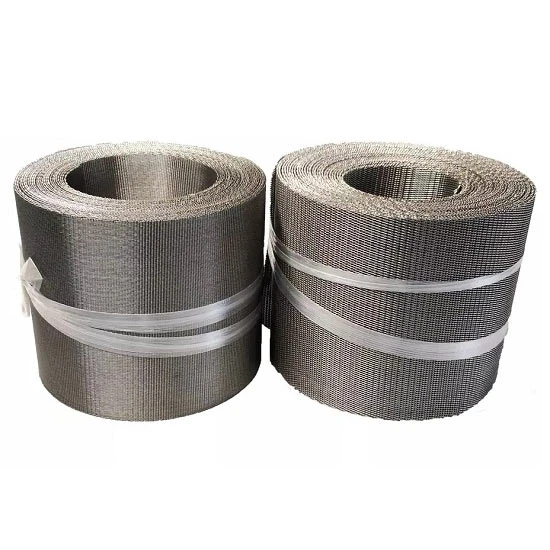
| Standard Roll Size | 1m x 30m or custom cut pieces |
| Weight | Approximately 2.5 kg/m² |
Global Uses and Real-World Examples
The industrial backbone in many regions depends on efficient filtration and protective screening solutions. In Southeast Asia, for instance, water treatment plants often deploy 1 4 stainless steel mesh as sediment pre-filters — a critical line of defense in ensuring clean drinking water. And across Europe’s pharmaceutical industry, its corrosion resistance makes it a favorite for fine particle filtration and sieve manufacturing.
Even humanitarian NGOs benefit. In post-disaster zones, clean water becomes a life-or-death issue. Portable filtration units reinforced with 1 4 stainless steel mesh can reliably filter contaminants while being robust enough to withstand transport and rough handling. Places experiencing rapid industrialization, say in Sub-Saharan Africa, find these meshes invaluable for manufacturing processes — everything from food processing to cement production.
Mini takeaway: Whether you’re in coastal Brazil or inland China, this mesh quietly supports critical infrastructure, environmental safety, and public health.
What Makes 1 4 Stainless Steel Mesh a Smart Long-Term Choice?
- Cost savings: Durable = fewer replacements, cutting downtime.
- Environmental impact: Recyclable and corrosion-resistant, reducing waste.
- Reliable performance: Consistent aperture means consistent filtration or screening.
- Safety and hygiene: Non-corroding surfaces inhibit bacteria growth.
- Trust and innovation: Industry standards backed by decades of use.
It’s not just about the metal wires — it’s about trust when equipment must work without fail, especially in stressful environments.
Looking Ahead: Future Trends in Stainless Steel Mesh Technology
One of the more exciting developments revolves around integrating nanotechnology and surface treatments that further boost corrosion resistance or impart self-cleaning properties. Imagine mesh surfaces that shed dust or biofilm automatically — cutting maintenance drastically. There’s also growing interest in lightweight, hybrid stainless steel composites, combining mesh strength with reduced weight for transport or installation ease. Digital manufacturing, like 3D weaving machines, promises customization down to the micron, tailoring meshes perfectly for specific applications.
Policies encouraging sustainable materials mean more manufacturers are switching to stainless steel mesh grades that can be fully recycled or produced using “greener” methods. Even global infrastructure initiatives — per the UN Sustainable Development Goals — implicitly favor robust, durable materials like these that minimize environmental footprints.
Challenges with 1 4 Stainless Steel Mesh and How to Overcome Them
Despite all the advantages, it isn’t perfect. For finer particle filtration, 1 4 aperture might be too large, requiring additional mesh layers or coatings. Also, the initial cost can be higher than alternative materials like plastic or galvanized steel. Shipping weight can add up, especially for bulk orders to remote areas.
Experts recommend selecting appropriate mesh grades (like 316 for marine use) and considering modular designs to simplify installation and cleaning. Technological advances in wire drawing and rolling can reduce costs over time. Plus, some manufacturers now offer services where they pre-cut and package mesh segments, saving on shipping volume and labor.
Frequently Asked Questions About 1 4 Stainless Steel Mesh
- Q: What applications are best suited for 1 4 stainless steel mesh?
- A: It works well in filtration for liquids and air, security screening, architectural facades, and even in agriculture. Its balance of opening size and durability makes it a versatile option where moderate filtering and strength are needed.
- Q: How long does 1 4 stainless steel mesh typically last?
- A: With proper maintenance, the mesh can last 10–20 years or more, thanks to its corrosion resistance. Environmental factors like salt spray or chemical exposure can affect longevity, which is why selecting the correct stainless steel grade matters.
- Q: Is 1 4 stainless steel mesh easy to clean and maintain?
- A: Very much so. It usually requires simple washing or brushing. For industrial uses, occasional chemical cleaning helps maintain performance without damaging the mesh.
- Q: Can I customize the wire diameter or mesh size?
- A: Yes, many manufacturers allow customization to suit specific strength or filtration requirements. You can request heavier wire or slightly modified aperture sizes, but 1 4 inch is a widely standardized industry norm.
- Q: How do I import 1 4 stainless steel mesh for large projects?
- A: Work with reputable vendors who understand customs and shipping logistics. Certifications such as ISO can help verify product quality before ordering. Bulk orders may benefit from consolidated shipping and local warehousing solutions.
Comparing Top Vendors of 1 4 Stainless Steel Mesh
| Vendor | Material Grades | Custom Sizes | Lead Time | Global Shipping |
|---|---|---|---|---|
| Ansheng Filter Screen | 304, 316 | Yes | 2–3 weeks | Worldwide |
| Global Steel Mesh Co. | 304 only | Limited | 3–4 weeks | Regional only |
| SteelWorx Mesh Ltd. | 304, 316, 321 | Yes | 1–2 weeks | Worldwide |
If you’re serious about sourcing quality mesh for your project, understanding the specifics and vendor options makes all the difference. And of course, for trusted products and service, check out 1 4 stainless steel mesh suppliers like Ansheng who have built a solid reputation globally.
Final Thoughts: Why 1 4 Stainless Steel Mesh Matters in the Long Run
In the end, 1 4 stainless steel mesh feels like one of those unsung heroes. It quietly stands guard in manufacturing lines, water filtration systems, and countless industrial setups. Its strength, flexibility, and resistance to harsh conditions secure it a place in modern supply chains and infrastructure. As industries innovate and push for sustainability, this mesh only seems to get smarter, more adaptive, and more relevant.
If you haven’t already thought about what 1 4 mesh can offer your project or operation, maybe it’s time to explore its benefits. And trust me, it’s not just about a piece of metal — it’s about reliability, safety, and a bit of engineering magic that runs our world.
Explore your options today at Ansheng Filter Screen.
References
Post time: Nov . 27, 2025 00:20