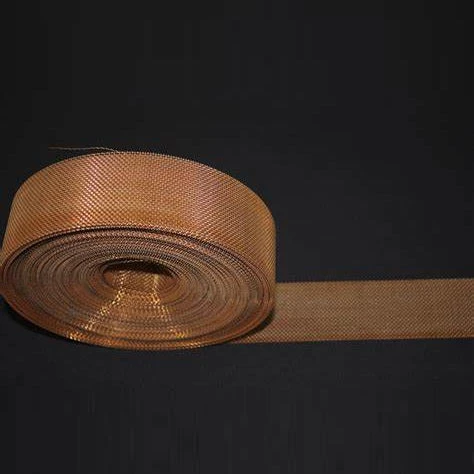

What Is Stainless Steel Welded Mesh and Why It Matters Globally
Stainless steel welded mesh sounds a bit technical, but in simple terms, it’s a durable interconnected grid made from stainless steel wires fused together. It's ubiquitous—from construction sites to industrial plants—yet often goes unnoticed. As globalization escalates infrastructure demands and safety standards, understanding stainless steel welded mesh’s role becomes essential. Its strength, corrosion resistance, and versatility provide solutions in everything from fencing to filtration systems worldwide, affecting industries, environments, and livelihoods. So, getting a grasp on this material means understanding how modern society quietly builds and protects itself.
Mini takeaway: Stainless steel welded mesh is a foundational material contributing to global infrastructure, industrial functionality, and safety.
Introduction: The Global Relevance of Stainless Steel Welded Mesh
Consider this: According to the World Steel Association, global steel production topped 1.9 billion tonnes in 2023, with stainless steel accounting for a quickly growing segment. As urbanization surges and industries expand, stainless steel welded mesh becomes more critical for construction, agriculture, and security worldwide.
That said, there's a problem: corrosion, structural failures, and maintenance costs plague traditional materials, especially in harsh environments like coastal regions or industrial zones. Stainless steel welded mesh addresses these challenges head-on.
Plus, ISO standards increasingly mandate durable and safe materials, pushing stainless steel mesh into the spotlight. Whether it’s a windbreak in Japan or livestock enclosures in Brazil, this mesh is everywhere.
Mini takeaway: Across continents, stainless steel welded mesh solves real durability and safety issues, backed by rising demand and international standards.
What Exactly Is Stainless Steel Welded Mesh?
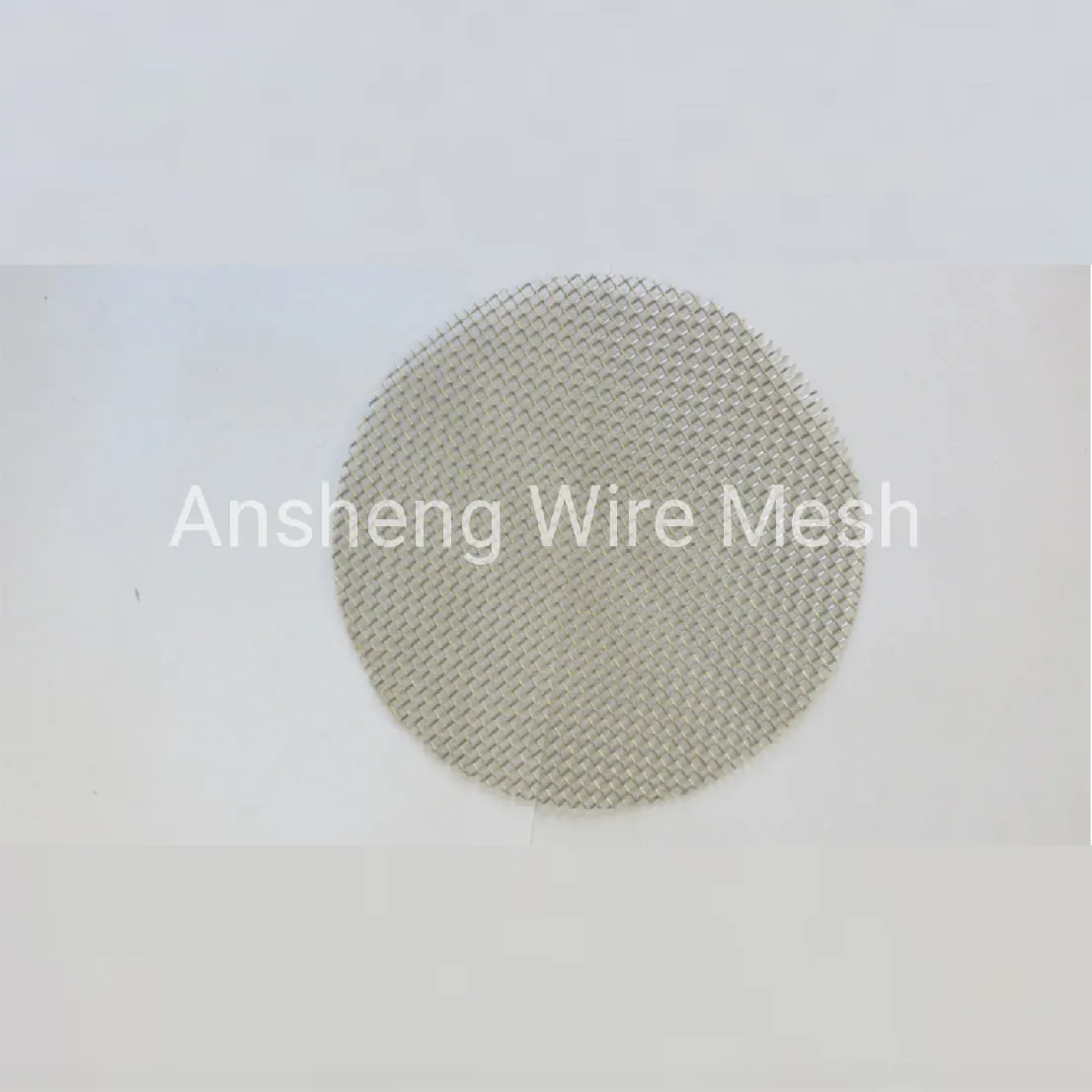
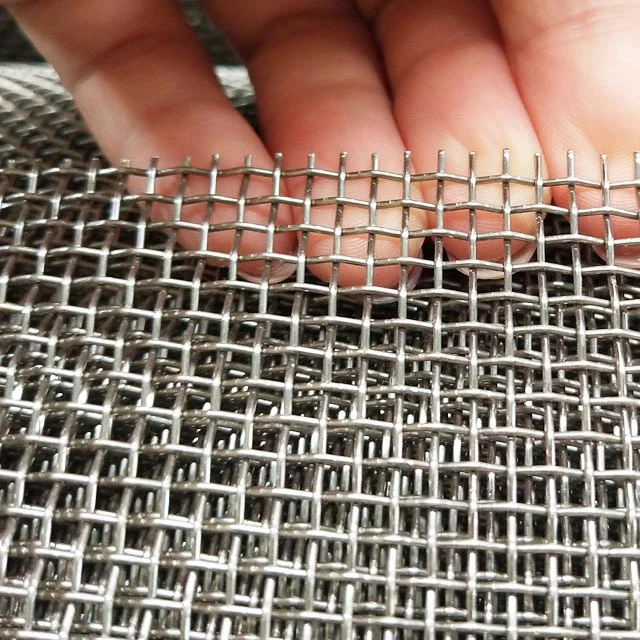
In basic terms, stainless steel welded mesh is made by electrically welding stainless steel wires at intersections to form a robust grid pattern. This grid can be fine or coarse depending on application needs and serves as a modular component in numerous systems.
Its connection with modern industry is direct—providing reliable barriers, filtration surfaces, reinforcement frames, and more. On a humanitarian note, in post-disaster housing, welded mesh shapes prefab panels that resist weather and maintain safety, crucial for displaced communities.
Key Features of Stainless Steel Welded Mesh
Durability
Stainless steel’s natural corrosion resistance means the mesh withstands moisture, salts, chemicals, and temperature swings, outlasting traditional wire materials by years if not decades.
Scalability
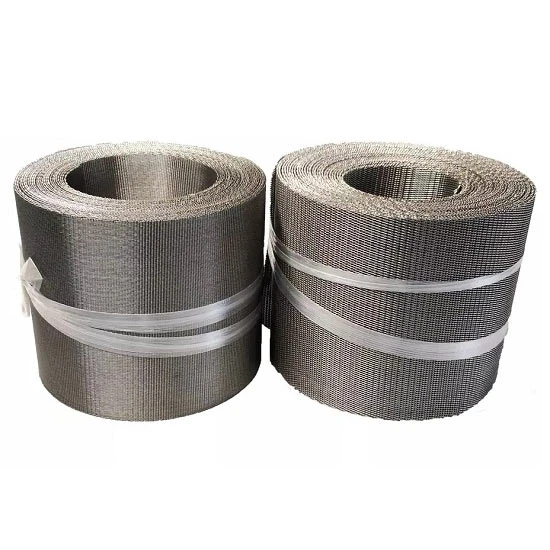
Available in various sizes, thicknesses, and weave patterns, the mesh can be customized from small filtration sheets to large fencing grids, suiting many industries from water treatment plants to expansive agricultural farms.
Cost Efficiency
While initial investment might be higher than mild steel, the long-term savings on repairs and replacement are significant. Maintenance costs drop, increasing the mesh’s financial appeal—especially in challenging environments.
Versatility
Functions range from civil engineering reinforcements to aesthetic architectural features. The mesh’s uniform strength allows it to adapt to fencing, cages, machine guards, or even decorative panels.
Environmental Resistance
Thanks to passivation layers on stainless steel wire, welding points remain corrosion resistant—critical in marine applications or chemical industries.
Mini takeaway: Stainless steel welded mesh offers an unmatched combo of long-term durability, cost-effectiveness, and adaptability.
Real-World Applications Around the Globe
- Infrastructure: Reinforcing concrete in skyscrapers and bridges, especially in seismic zones like California and Japan.
- Agriculture: Livestock fencing and crop protection in Australia, South America, and Africa.
- Industrial Filtration: Used in water treatment and petrochemical plants worldwide, for example, in Germany and India.
- Security: Perimeter fencing in sensitive areas such as airports and military facilities across Europe and North America.
- Disaster Relief: Quick-assemble housing panels using welded mesh frameworks for shelters following hurricanes or earthquakes, notably employed by NGOs in Southeast Asia and the Caribbean.
Even remote mining zones in Canada implement welded mesh solutions to control debris and create safe zones around hazardous equipment.
Mini takeaway: Stainless steel welded mesh’s applications are diverse and globally spread—from urban centers to remote locations with critical safety needs.
Why Stainless Steel Welded Mesh Is a Smart Investment
If you consider your project’s long-term value, stainless steel welded mesh pays off beyond just initial testing. It reduces replacement cycles, withstands tough conditions, and maintains safety standards—all while enhancing environmental sustainability thanks to recyclability.
There's also an emotional angle: workers and residents alike feel safer with reliable mesh barriers that don’t degrade or lose integrity. Trust is hard-earned in safety-critical environments.
Investment in innovation, such as automated welding lines and surface treatments, is driving even better performance and lower waste.
What Does the Future Hold for Stainless Steel Welded Mesh?
Green manufacturing policies are pushing stainless steel mesh producers to reduce energy consumption and scrap material. In parallel, emerging digital twin technologies allow engineers to simulate stresses on mesh before installation.
Automated robotic welding can produce finer mesh with increased precision, and new alloy blends promise even higher corrosion resistance. This means lighter, stronger, and more sustainable products ahead.
As IoT sensors become embedded in industrial environments, mesh structures could monitor environmental conditions in real-time, alerting operators to changes—something engineers have been dreaming about.
Challenges and Expert Solutions
Oddly enough, despite its strengths, stainless steel welded mesh isn’t perfect. For instance, the initial cost can deter budget-sensitive projects. Also, welding requires precision to avoid weak spots that compromise mesh integrity.
Industry experts recommend sourcing from established manufacturers with strict quality control (ISO 9001 certified, for example). Pre-treatment like electro-polishing can boost corrosion resistance further.
Customization helps: selecting correct wire diameter and mesh size for specific applications prevents overpaying or underperforming.
FAQ: Your Questions About Stainless Steel Welded Mesh
- What applications are best suited for stainless steel welded mesh?
- It’s perfect for applications requiring corrosion resistance, such as coastal fencing, filtration systems, and structural reinforcement. It’s also favored in security fencing and animal enclosures.
- How long does stainless steel welded mesh typically last outdoors?
- With proper grade selection and maintenance, it can last 20-50 years or more, even in harsh environments, far surpassing galvanized or mild steel alternatives.
- Is stainless steel welded mesh recyclable and eco-friendly?
- Yes, stainless steel is 100% recyclable without quality loss, and many manufacturers use recycled steel to minimize environmental impact.
- Can the welded mesh be custom-made to specific dimensions?
- Absolutely, vendors typically offer bespoke sizes, mesh apertures, and wire thicknesses to fit precise project requirements.
- How does stainless steel welded mesh compare cost-wise to other wire mesh?
- Initially pricier, but considering longevity and lower maintenance, it tends to be more cost-effective over the full lifecycle.
Product Specification Table
| Parameter | Typical Values | Notes |
|---|---|---|
| Material Grade | 304, 316, 304L, 316L | 316 suitable for marine environments |
| Wire Diameter | 0.5 mm – 6 mm | Depending on application |
| Mesh Opening (Aperture) | 5 mm – 100 mm | Customizable |
| Panel Size | 1 m × 2 m standard | Larger sizes on request |
| Surface Finish | Mill finish, polished, electro-polished | Enhances corrosion resistance |
Vendor Comparison Table
| Vendor | Product Range | Quality Certification | Lead Time | Price Level |
|---|---|---|---|---|
| Ansheng Filter Screen | Extensive (multiple grades & sizes) | ISO 9001, CE | 2–4 weeks | Competitive |
| Global Wire Mesh Co. | Moderate | ISO 14001 | 3–6 weeks | Mid-range |
| SteelGrid Inc. | Premium only | ISO 9001, TS16949 | 4–5 weeks | High |
Wrapping It All Up
So, stainless steel welded mesh turns out to be more than just wire squares fused together. It’s a testament to human ingenuity balancing durability, cost, and sustainability. It quietly supports modern infrastructure, safeguards communities, and adapts to future technological advances. For anyone looking to build strong, reliable, and forward-thinking solutions, the mesh is the starting point. Curious to explore robust, high-quality options? Visit Ansheng Filter Screen for tailored solutions that meet your precise industry needs.
References
Post time: Nov . 15, 2025 14:30