
Why Stainless Steel Gopher Wire Mesh Matters in a Global Context
If you’ve wrestled with pesky gophers ruining a field or compromising soil stability, you’re not alone. But the problem is bigger than an angry gardener’s sigh. Globally, protecting agricultural infrastructure, foundations, and utilities from burrowing pests is a surprisingly large challenge — especially in regions where food security or construction integrity is a delicate balance. Enter stainless steel gopher wire mesh, an industrial-grade solution that blends strength, resilience, and longevity to give soils and structures a fighting chance. Why does this matter beyond just a backyard nuisance? Well, according to FAO data, over 30% of crop losses worldwide can be attributed in part to such pests. Structural failures from rodent damage in utilities cost billions annually. Understanding and applying this high-quality mesh product properly saves resources, improves sustainability, and supports economic resilience across many sectors. Mini takeaway: Grasping what stainless steel gopher wire mesh is and why it counts global-wide is a smart starting point to appreciate its far-reaching value, from farmlands to high-tech infrastructure.The Rising Global Importance of Stainless Steel Gopher Wire Mesh
In today’s increasingly interconnected world, infrastructures face multiple stressors. Climate change intensifies extreme weather, pest populations fluctuate, and the need for durable, cost-effective construction materials has surged. The global market for wire mesh products (including stainless steel varieties) is projected to hit over USD 5 billion by 2027 (according to IndustryARC), signaling a growing reliance on robust, corrosion-resistant solutions. More importantly: many developing regions grapple with gopher infestations that threaten food security and livelihoods. The World Bank highlights agriculture as a critical poverty reduction sector; protecting crops from relentless rodents is, by extension, a humanitarian priority. The challenge? Traditional wire meshes often rust, degrade, or lack tensile strength. Stainless steel gopher wire mesh is engineered to tackle this head-on. It’s the armor that prevents bites and breaches, extending infrastructure lifespan and reducing maintenance costs worldwide. Mini takeaway: Its corrosion resistance and structural integrity answer urgent global and industrial needs—making it increasingly relevant as population growth and environmental factors press harder.What Exactly Is Stainless Steel Gopher Wire Mesh?
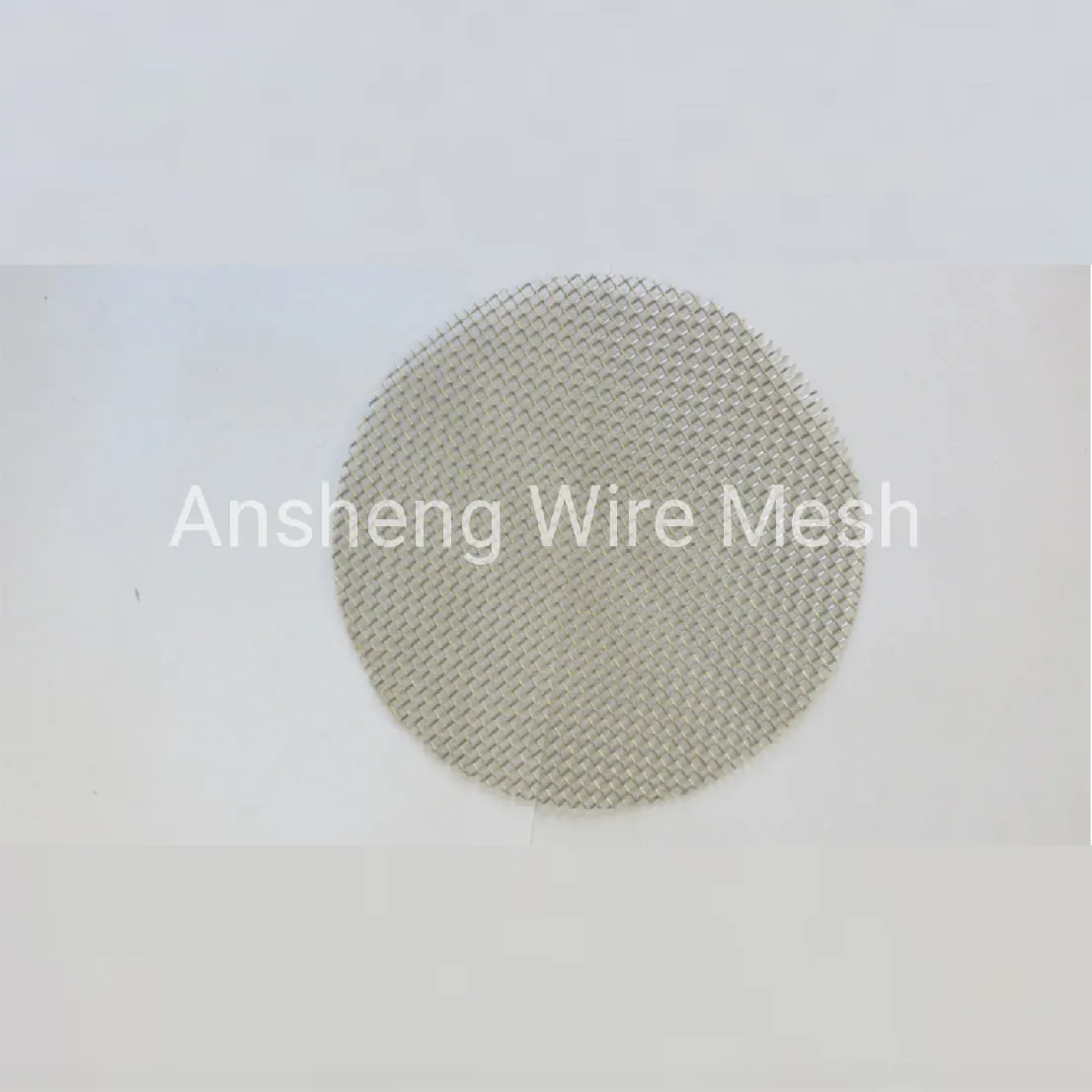
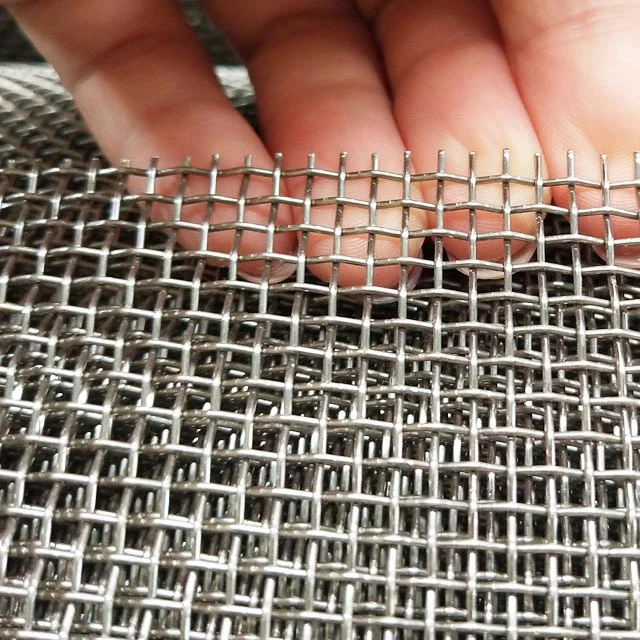
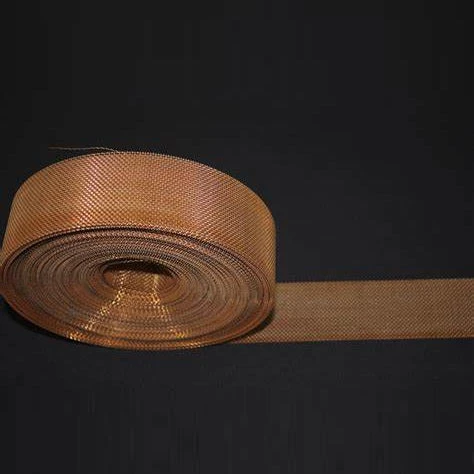
At its core, stainless steel gopher wire mesh is a specially woven sheet or grid made from high-grade stainless steel wires—often 304 or 316 alloys—designed with small apertures tailored to block small burrowing animals like gophers, voles, and moles. Unlike standard wire mesh, this product emphasizes: - Optimal aperture size (usually around 1/4 inch or smaller) that stops critters but still allows water and nutrients through. - Highly durable stainless steel wires that resist rust and physical wear. - Flexibility to contour around uneven surfaces or landscaping. Industrially, it protects agricultural fields, pipeline trenches, and even sensitive ecological zones by keeping unwanted invasive rodent species at bay. In humanitarian contexts, it provides durable flooring or barrier systems in temporary shelters or rural housing where pest intrusion is a health and sanitation risk. Mini takeaway: It’s a simple-sounding product that does complex work—wired to last, scaled to keep out the unseen, and pivotal in maintaining critical infrastructure and food supplies.Core Components and Why They Matter
Durability and Corrosion Resistance
Stainless steel’s chromium content makes it a champ against rust. That means no matter how moist or acidic the soil or environment, the mesh holds up, unlike cheaper galvanized alternatives. Engineers say this extends life by decades in some installations, cutting replacement headaches.Aperture Size and Mesh Gauge
The hole size is critical. Too big, and a determined gopher slips through. Too small, and roots and water have trouble penetrating. Typically, 19-gauge wire at 1/4-inch openings strikes the ideal balance. This tuning is one reason why it’s so highly regarded.Flexibility and Installation Ease
Though steel doesn’t sound bendy, the mesh sheets can be rolled or cut easily onsite to fit trenches, walls, or garden beds—a boon for field workers and construction crews. This adaptability reduces labor costs and time.Eco-friendly Attributes
Since stainless steel mesh is recyclable and lasts so long, it often outperforms plastic or zinc-coated options environmentally, notably in sensitive agricultural or conservation projects.Cost Efficiency Over Time
Initial investment might be higher, sure—but in long-term wear, reduced maintenance, and prevention of costly pest damage, it comes out ahead on ROI for most users. Mini takeaway: The product’s specifications are not just specs—they’re enablers that determine performance and project success in real-world dusty, muddy (and frankly, hostile) environments.Where Is Stainless Steel Gopher Wire Mesh Actually Used? Real-World Examples
Across the US Midwest, farmers install this mesh beneath tomato beds to prevent crop-depleting burrows. In Australia's Outback, mining operations use it to line high-voltage cable trenches, safeguarding vital infrastructure from rodent damage. Nonprofits in East Africa employ it in temporary shelter builds, stopping rodents from infiltrating homes—a critical health and psychological benefit in refugee camps. The mesh also sees use in South Korea’s coastal defense projects, protecting new mangrove plantings from burrowing crabs and pests. Oddly enough, even urban planners in European cities use stainless steel gopher wire mesh beneath park pathways and around tree roots to minimize damage and maintenance costs during wet seasons.| Feature | Description | Typical Value |
|---|---|---|
| Material Grade | Stainless Steel 304 or 316 | 304 (standard), 316 (marine grade) |
| Wire Gauge | Thickness of the wire strands | 19 gauge (approx. 1.0 mm) |
| Aperture Size | Size of mesh openings | 1/4 inch (6.35 mm) |
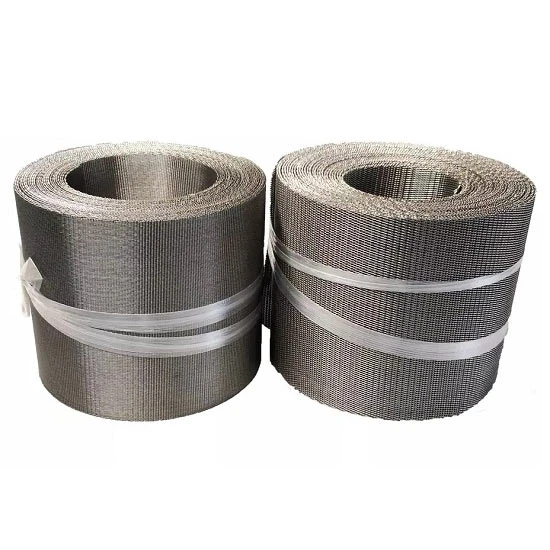
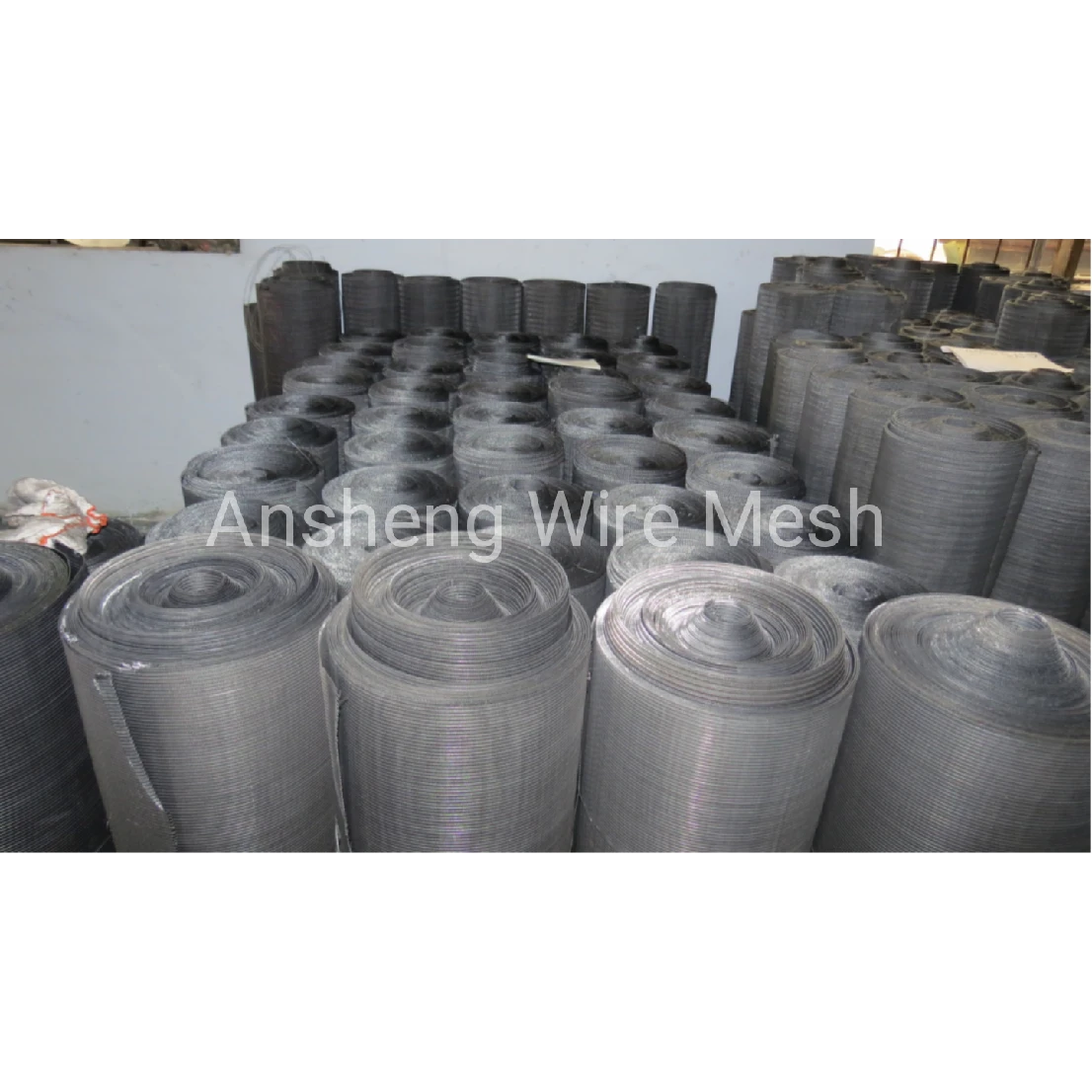
| Sheet Size | Typical mesh roll dimensions | 3 ft x 50 ft (standard) |
| Corrosion Resistance | Resistance rating against rust & chemicals | Excellent (per ASTM A240) |
How Do Top Vendors Stack Up? A Quick Comparison
| Vendor | Material Quality | Customization Options | Lead Time | Pricing Tier |
|---|---|---|---|---|
| Ansheng Filter Screen | Premium 316 Stainless Steel | Custom apertures, sizes & weaving | 2-3 weeks | Mid-High |
| SureRod Solutions | 304 Stainless Steel | Limited customization | 1-2 weeks | Mid |
| Global Mesh Corp. | 304 & Galvanized Options | Standard sizes only | 3-4 weeks | Low-Mid |
Advantages and Long-Term Value of Stainless Steel Gopher Wire Mesh
Purely on numbers, investing in stainless steel mesh means fewer pest-related repairs, better crop yields, and stable infrastructures — saving millions at scale. Beyond hard cash, it translates into undeniable peace of mind. Imagine a smallholder farmer sleeping easier, knowing their harvest won’t be the dinner of burrowing pests. Or engineers relaxing because trench lines won’t need emergency rework after the next storm surge. The durability and sustainability factor make it an innovation that respects future generations — less waste, fewer replacements, a smaller carbon footprint compared with plastic or coated wire meshes. Emotionally, it’s confidence, trust, and a quiet promise of steadfast protection — not just metal, but a safeguard for dignity and livelihood. Mini takeaway: Stainless steel gopher wire mesh pays its value multiple times over — financially, socially, and ecologically — making it a wise choice across sectors.Emerging Trends and Innovations Shaping Wire Mesh Solutions
Looking ahead, product innovation isn’t standing still. There’s a growing tide of interest in: - Smart Mesh Technologies: Integrating sensors to detect pests or corrosion. - Sustainable Manufacturing: Using greener steel-making processes reduces carbon emissions. - Hybrid Materials: Combining stainless steel with biodegradable layers to ease disposal. - Automation in Installation: Drone-assisted deployment in hard-to-access zones. - Customized Precision Apertures: CAD-driven designs for even better targeted protection. This digital and environmental transformation means stainless steel gopher wire mesh won’t just be steel sheets anymore — it becomes part of a smart, responsive ecosystem of infrastructure protection.Common Challenges and How Experts Solve Them
The price point often causes hesitation. But many engineers note that upfront cost anxiety fades once lifecycle savings become clear. Also, installation still requires skilled crews in some terrains to ensure proper soil contact preventing gaps where pests sneak in. Corrosion in extreme chemical soils can occasionally still be an issue; the solution might be selecting higher-grade 316L alloys or hybrid coatings. Vendors like Ansheng Filter Screen provide technical support to adjust specs based on local conditions. Ultimately, collaboration between users, scientists, and manufacturers is key — it’s not a one-size-fits-all scenario but a tailored partnership.FAQ: Frequently Asked Questions About Stainless Steel Gopher Wire Mesh
Q1: How durable is stainless steel gopher wire mesh under heavy soil pressure?
A: Generally, with proper installation, the mesh withstands significant soil and rodent pressures for 20+ years. Its stainless steel composition prevents corrosion, maintaining strength over time.
Q2: Can I customize mesh size for different pest sizes?
A: Absolutely. Many suppliers offer precision apertures to target specific pests — from tiny moles to larger gophers — optimizing protection without sacrificing soil health.
Q3: Is stainless steel mesh environmentally safe to use in organic farming?
A: Yes, stainless steel is inert and recyclable, making it very eco-friendly compared to chemical deterrents or plastic meshes.
Q4: How does the mesh impact soil irrigation and drainage?
A: Properly sized apertures allow water and nutrients to flow freely, so it doesn't impede soil health while preventing pest intrusion.
Q5: Where can I buy premium stainless steel gopher wire mesh?
A: Reputable industrial providers like Ansheng Filter Screen offer globally shipped, customizable options with expert support.
Wrapping Up: Why Stainless Steel Gopher Wire Mesh Is Worth the Investment
To sum it up, stainless steel gopher wire mesh is more than just a physical barrier. It’s a complex solution built on years of science, engineering, and practical wisdom. It protects crops, infrastructure, and ultimately the people who depend on them. As challenges mount globally—whether climate, population pressures, or economic constraints—this product’s long-lasting reliability and sustainable credentials stand out. Thinking about a project or battling persistent underground pests? Take a closer look at the options available from trusted providers like Ansheng Filter Screen. Investing early in quality mesh means fewer headaches later and contributes to a greener, safer future for all. ---References
Post time: Nov . 30, 2025 21:55