
Understanding Wire Mesh Stainless Steel 316: Why It Matters
Wire mesh stainless steel 316 might sound like a dry, industrial term, but it plays a more crucial role than most people realize. Simply put, it’s a durable, corrosion-resistant metal mesh made with a specific type of stainless steel alloy. Globally, industries ranging from construction to filtration depend heavily on this material for its strength and reliability. As we face environmental challenges and ever-demanding engineering needs, knowing about this mesh’s properties and applications is a small key in unlocking sustainability, safety, and efficiency in countless fields.
Whether you're specifying materials for a large infrastructure project or sourcing components for advanced filtration systems, understanding the nuances of wire mesh stainless steel 316 can improve product longevity and performance — a win-win for business and the planet.
The Global Context: Why Wire Mesh Stainless Steel 316 Is Everywhere
From manufacturing hubs in Asia to construction sites scattered worldwide, stainless steel 316 wire mesh forms a quiet backbone of modern industry. According to the ISO standards that govern industrial materials, austenitic stainless steel grades like 316 are prized for their robustness and corrosion resistance.
For instance, the marine and chemical processing sectors alone account for over 45% of stainless steel demand globally, where environments can be unforgivingly harsh. Frankly, standard steel just won’t cut it in such conditions, making 316 an obvious, often indispensable choice.
Moreover, facing climate variability means infrastructure materials must last longer, resist weathering, and require less maintenance. Here's where wire mesh of stainless steel 316 is stepping up, helping industries meet stringent global sustainability targets laid out by organizations like the UNFCCC.
Mini Takeaway:
- Wire mesh stainless steel 316 is a globally recognized standard in corrosive, high-stress environments.
- It addresses the challenge of durability in marine, chemical, and high-moisture applications worldwide.
What Is Wire Mesh Stainless Steel 316 Anyway?
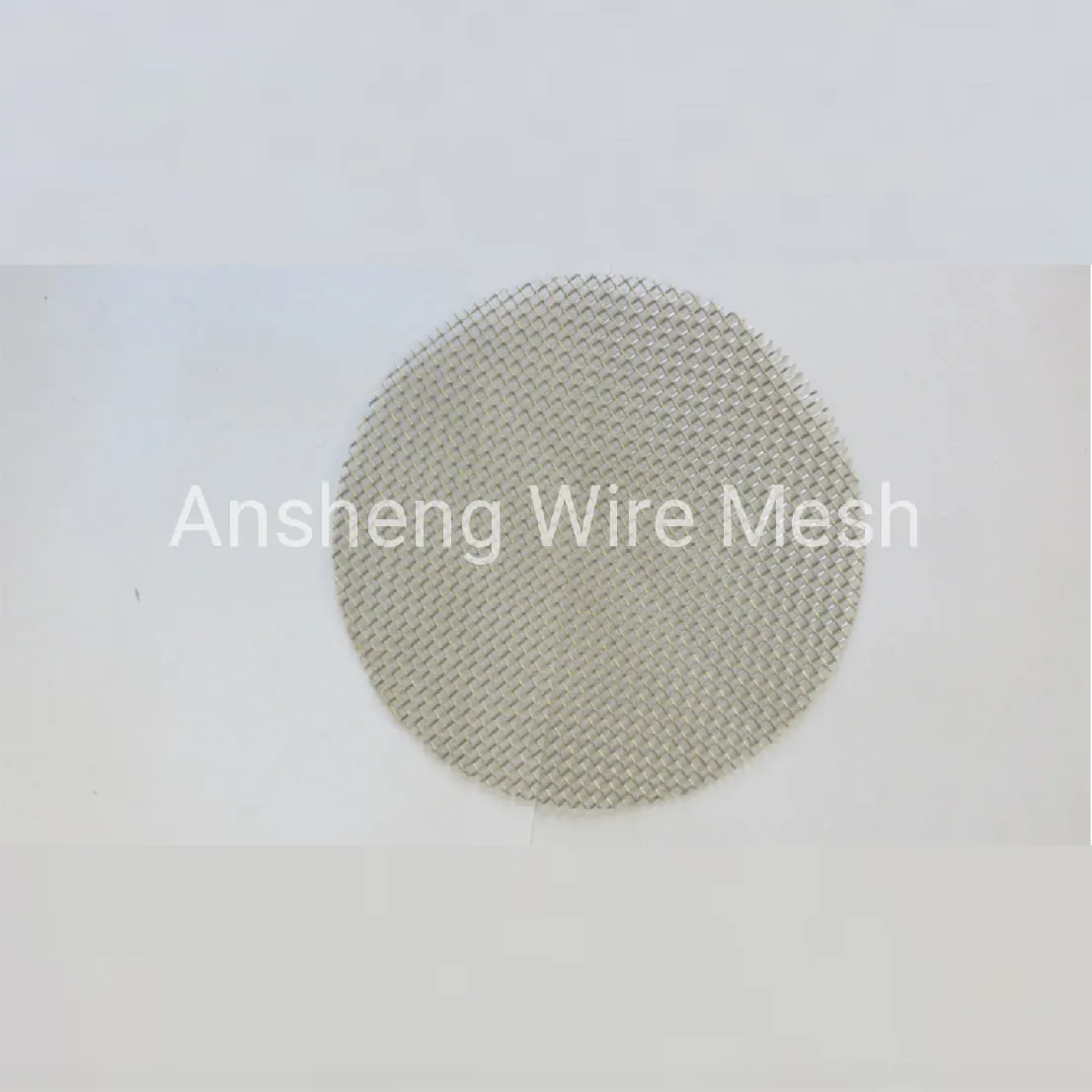
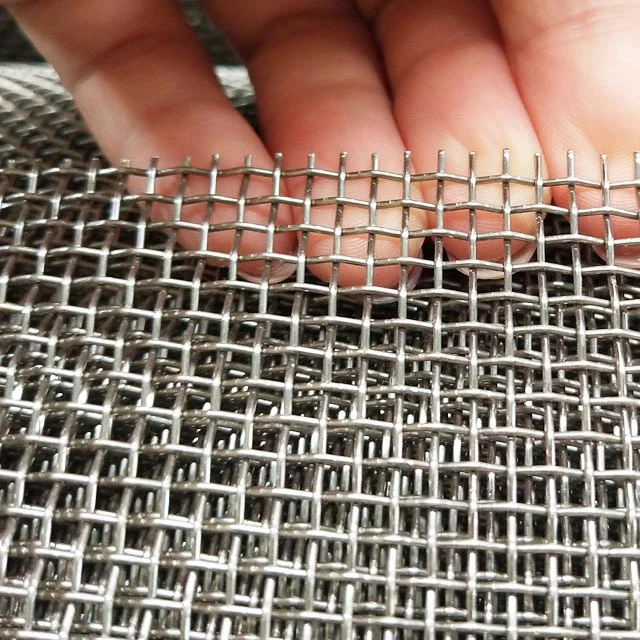
In the simplest terms, this product is a grid or netting constructed from stainless steel alloy 316 — known for containing molybdenum, which boosts corrosion resistance, especially against chlorides and acids.
Think of it as the fencing and filtering superhero of metals. Its structure allows for flexibility in filtration, enclosure, or reinforcement applications while maintaining heavy-duty strength. Industries from oil refineries to food processing plants rely on its properties to keep operations smooth and safe.
The Industry Connection
Industrially, this mesh forms the backbone of solutions requiring longevity and resistance—for example, in water treatment filters or protective barriers that must withstand salty air or chemical sprays. Even humanitarian efforts benefit; durable, quickly deployable materials in wire mesh form can be used for emergency housing frameworks in disaster zones — a nifty detail seldom highlighted.
Key Features Defining Wire Mesh Stainless Steel 316
1. Corrosion Resistance
Steel 316’s standout trait is its molybdenum-enhanced formula, providing superior resistance to rust and pitting, especially against saltwater. This is why marine industries swear by it, and why it outperforms basic stainless steels (like 304) in harsh environments.
2. Durability Under Stress
Unlike some meshes that deform or weaken under tension, this stainless steel maintains its integrity even under physical strain, making it reliable for structural reinforcements or filtration media that must retain shape and function.
3. Thermal and Chemical Stability
It tolerates high temperatures and aggressive chemicals, so industrial plants with fluctuating temperature cycles or chemical exposure often specify it to reduce downtime and corrosion-related failures.
4. Versatility in Design
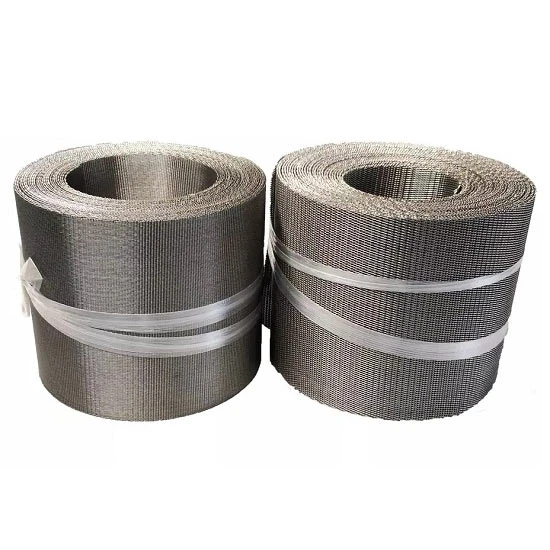
Wire meshes come in countless weave styles and mesh sizes — from fine filtration screens to heavy-duty fencing. This variety lets engineers tailor solutions precisely to their project's specifications.
5. Cost Considerations
While often more expensive upfront compared to lower-grade metals, the longevity and reduced maintenance costs generally yield a better total cost of ownership. Many engineers say it’s a "buy once, use forever" type of investment.
Mini Takeaway:
- Superior corrosion / chemical resistance and strength set stainless steel 316 wire mesh apart.
- Its design flexibility and lifespan justify the premium price in demanding contexts.
Global Applications: Where and How Stainless Steel 316 Wire Mesh Works Wonders
From Asia’s vast petrochemical plants to Europe’s architectural façades, this wire mesh finds itself used extensively:
- Marine and Offshore: Used in boat enclosures, filtration, and protective grilles due to salt spray resistance.
- Chemical Processing: Filtering corrosive liquids and safeguarding equipment.
- Food and Pharma: Hygienic barriers that resist contamination and rust.
- Infrastructure: Reinforcing concrete or screening in construction projects subject to harsh weather.
- Humanitarian Relief: Frameworks and fencing for temporary shelters in areas hit by disasters.
In Australia’s remote mining zones, for example, this mesh has helped extend equipment lifespans under tough conditions. Post-hurricane relief teams in the Caribbean have sourced these meshes to set up robust, reusable fencing — making recovery quicker and safer.
Advantages and Long-Term Value
This isn’t just about raw functionality; it’s about trust. Using wire mesh stainless steel 316 offers long-term savings by cutting down maintenance frequency, minimizing replacements, and meeting sustainability goals. For companies, this means smoother operations and fewer surprises.
On the human side, when materials withstand natural elements or chemical exposure without failing, they protect lives and livelihoods. There’s an odd sense of reassurance in knowing your filtration system or safety fencing won’t give out unexpectedly.
Wire Mesh Stainless Steel 316 Product Specifications
| Specification | Details |
|---|---|
| Material Grade | Austenitic Stainless Steel 316 (UNS S31600) |
| Molybdenum Content | 2–3% |
| Tensile Strength | 515 MPa (typical) |
| Mesh Opening Sizes | 0.1 mm to 50 mm (customizable) |
| Surface Finish | Electropolished, Mill Finish |
| Corrosion Resistance | Excellent against chloride ion attack |
Vendor Comparison: Choosing the Right Supplier
| Vendor | Product Range | Customization | Lead Time | Certifications |
|---|---|---|---|---|
| Ansheng Filter Screen | Wide (custom meshes, screening) | High; custom sizes and finishes | 4–6 weeks typical | ISO 9001, SGS |
| Global Mesh Corp | Medium (standardized ranges) | Limited customization | 6–8 weeks typical | ISO 14001 |
| SteelPro International | Niche (marine focus) | Standard sizes only | 3–5 weeks | ISO 9001, ABS Marine |
Future Trends and Innovations
One exciting development is the move toward eco-friendly manufacturing processes for stainless steel — reducing energy consumption and scrap waste significantly. Also, digital innovations like precision laser cutting and automated weaving are enabling more complex mesh patterns, which enhance filtration and structural applications.
In the green energy sphere, wire mesh stainless steel 316 supports emerging technologies like tidal energy turbines and solar panel frames, where corrosion resistance directly impacts efficiency and lifespan. So, the mesh’s future looks tied tightly with sustainability and high-tech evolution.
Challenges and Solutions
That said, stainless steel 316 wire mesh isn't perfect. It comes with a higher price and sometimes heavier weight compared to alternatives like plastic meshes or aluminum. Shipping and handling costs can add up. Plus, availability might lag in remote regions.
Innovative suppliers reduce these barriers by offering modular designs, pre-fabricated sections, or partnering with local fabrication shops to customize locally, effectively lowering costs and lead times. It’s all about balancing upfront investment versus total lifecycle worth.
FAQ: Practical Questions About Wire Mesh Stainless Steel 316
1. What makes wire mesh stainless steel 316 preferable over other stainless steels?
316 grade contains molybdenum, enhancing resistance to pitting and corrosion, especially in chloride-rich environments like marine settings or chemical plants. This makes it much more durable than common grades like 304 in harsh conditions.
2. How customizable is wire mesh in terms of size and finish?
Highly customizable. Mesh size, wire diameter, weave pattern, and surface finish (like electropolishing) can all be tailored to meet specific industrial needs. This versatility suits industries from fine filtration to heavy-duty fencing.
3. Can this mesh be used in food processing environments?
Absolutely. Stainless steel 316 is non-reactive, corrosion-resistant, and easy to clean, making it ideal for hygienic environments such as food production, pharmaceutical operations, or medical equipment.
4. How long does wire mesh stainless steel 316 usually last in outdoor conditions?
With proper installation, it can last 20+ years even in harsh marine or industrial settings, far outperforming many other metals vulnerable to rust and corrosion.
5. Is wire mesh stainless steel 316 recyclable?
Yes. Stainless steel is fully recyclable without loss of properties, aligning well with global sustainability goals and circular economy principles.
Conclusion: Why Picking Wire Mesh Stainless Steel 316 Makes Sense Long-Term
Wrapping it up, wire mesh stainless steel 316 isn’t just another material option — it’s a strategic investment for durability, safety, and sustainability. Its proven resistance to corrosion and strength help industries meet global challenges, reduce maintenance, and secure long-term operations.
So next time you plan your project specs or source industrial materials, give wire mesh stainless steel 316 a serious look. It might be the unsung hero you didn’t know you needed — but once you have it, you wonder how you ever managed without.
Ready to explore high-quality stainless steel 316 wire mesh? Visit our website: https://www.anshengfilterscreen.com and discover tailored solutions for your projects.
References
Post time: Nov . 30, 2025 23:35