
The Quiet Strength of Stainless Steel Welded Wire: What You Need to Know
At first glance, stainless steel welded wire might seem like another technical term in materials engineering. But if you dig a little, you’ll find it’s a fundamental building block for projects and industries worldwide — from construction to humanitarian aid, to manufacturing innovations. Understanding what stainless steel welded wire is, and why it matters, could reshape how you think about durability, safety, and efficiency in modern infrastructure.
Why Stainless Steel Welded Wire Matters Globally
According to the International Stainless Steel Forum, global stainless steel production topped 55 million metric tons in the last few years, with welded wire being a significant subset of this. Steel's corrosion resistance and strength make it indispensable in harsh environments. But globally, one of the biggest challenges is building resilient structures that can withstand climate change and natural disasters. This is where stainless steel welded wire surfaces as a quiet hero: it adds reinforcement and longevity without frequent maintenance.
For example, the UN’s Disaster Relief Coordination teams often rely on modular shelters reinforced with stainless steel fencing products because of their reliability under stress and weather. Essentially, stainless steel welded wire isn’t just a product — it’s a solution addressing safety and sustainability challenges worldwide.
Defining Stainless Steel Welded Wire
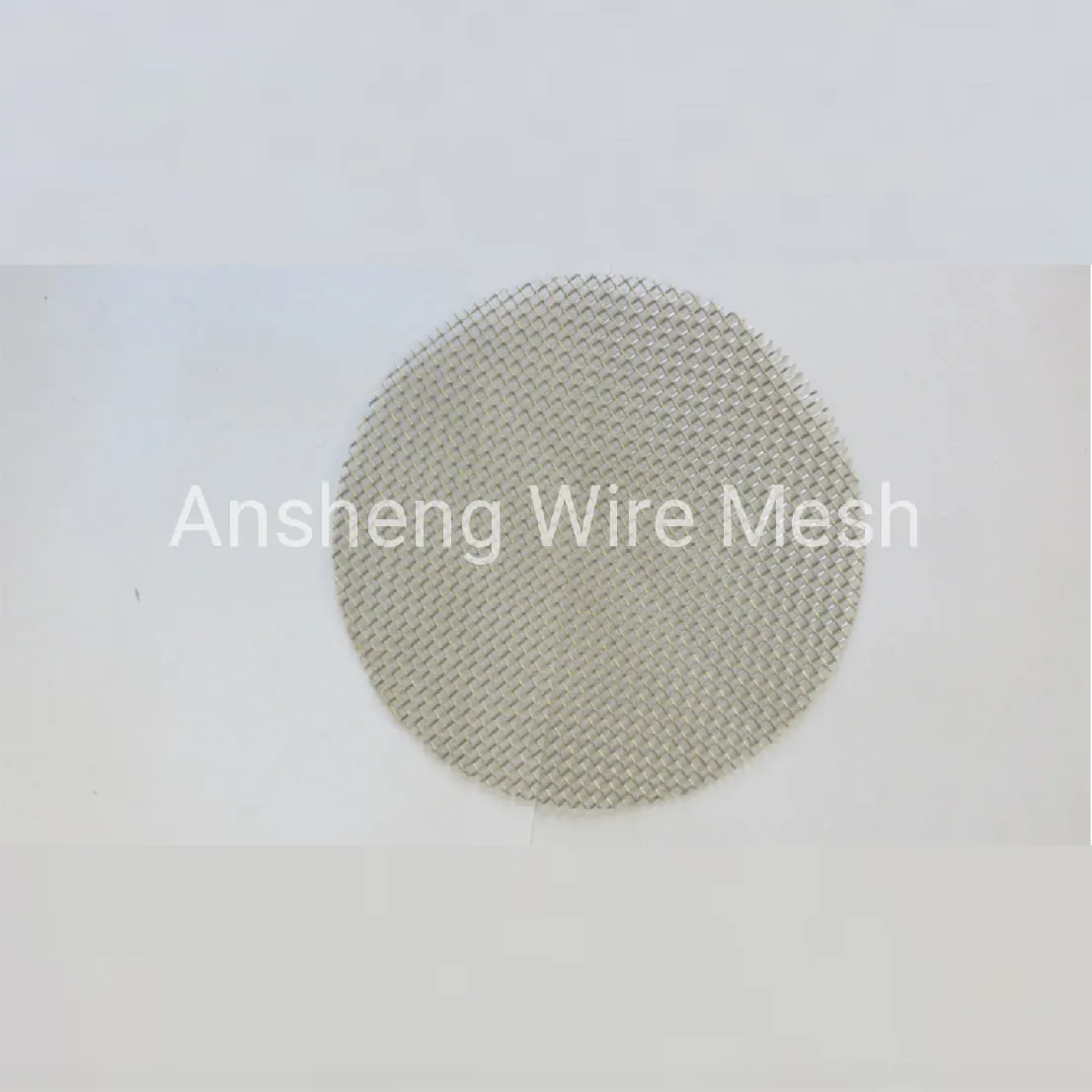
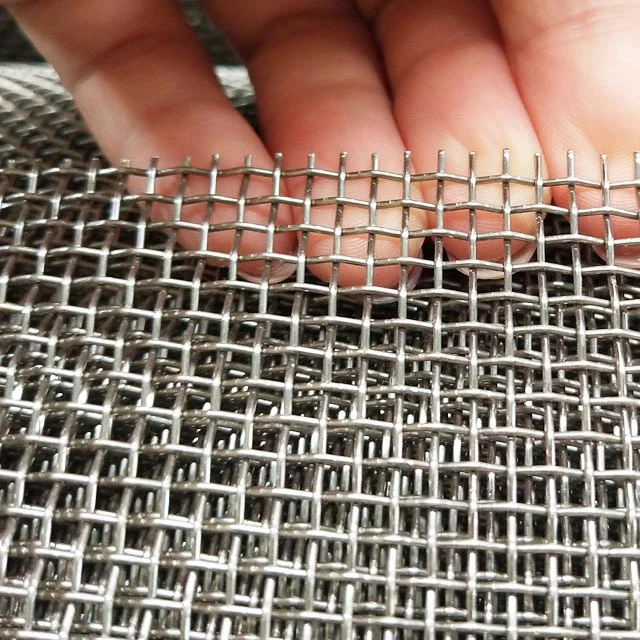
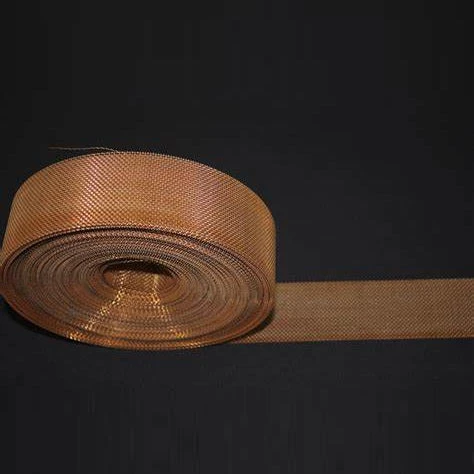
So, what exactly is stainless steel welded wire? Simply put, it’s a grid or mesh made from stainless steel wires that are spot welded together at each crossing point. This forms a rigid, durable sheet that maintains its shape and strength even under strain. Think of it as a woven metal fabric — but far tougher, and much less likely to rust or degrade.
In modern industries like construction, agriculture, and even electronics, these welded wire meshes are used as reinforcement layers, protective barriers, or filtration supports. And in humanitarian contexts, their portability and resistance make them ideal for temporary fencing or structural supports that need to stand firm against the elements.
Key Factors Behind Stainless Steel Welded Wire’s Popularity
1. Durability and Corrosion Resistance
Stainless steel welded wire is naturally corrosion resistant, thanks to its chromium content (usually 10.5% or higher). This means it won’t erupt in rust like traditional steel, making it perfect for coastal or humid environments — roughly speaking, it can last decades where other materials would fail in just a few years.
2. Strength and Stability
The welding at each wire intersection is crucial: it ensures the mesh acts as a single unit rather than many loose wires. This rigidity is why engineers trust it for reinforcing concrete, securing perimeters, or even forming cages for animals in wildlife conservation projects.
3. Versatility and Scalability
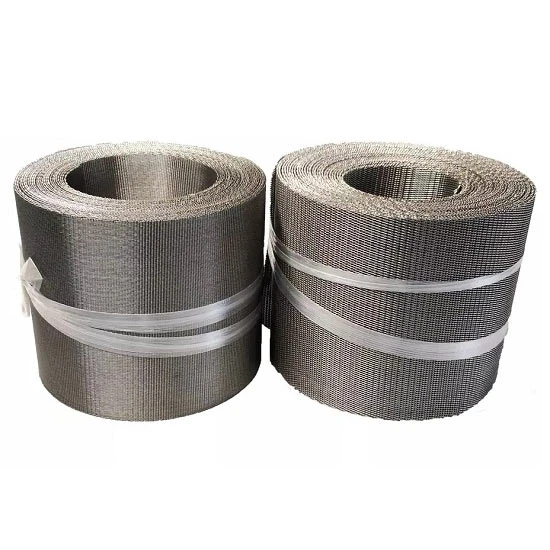
One neat thing is how customizable these welded wires are. You can tweak wire thickness, spacing, and sheet size to fit tiny structural supports or large industrial fences. This scalability means it suits small-scale farms in Africa, as much as major aerospace factories in Europe.
4. Cost-Effectiveness Over Time
Obviously, stainless steel isn’t always the cheapest upfront. But many project managers notice that its long lifespan and low maintenance costs practically pay off the initial investment. When factoring in reduced replacements and repairs, the ROI looks pretty compelling.
5. Eco-Friendliness
Recyclability is often overlooked, but stainless steel welded wire is 100% recyclable. In an age where green building standards (like LEED) are gaining traction, this makes a strong case for choosing stainless steel over other materials.
Practical Applications Around the Globe
From sprawling industrial plants in North America to sustainable farming solutions in Southeast Asia, stainless steel welded wire shines in unexpected places.
- Construction & Infrastructure: As reinforcement in concrete floors, walls, and bridges, it helps prevent cracks and structural failures.
- Agriculture & Livestock: Provides durable fencing that resists weathering and animal impact, common in Australian ranches and European farms.
- Water & Waste Management: Used in filtration screens and protective covers in municipal water treatment systems worldwide.
- Disaster Relief and Humanitarian Aid: Quick-to-install fencing and shelter reinforcements that maintain safety in post-disaster zones like earthquake-hit regions.
- Manufacturing & Electronics: Acts as protective enclosures or component supports in factories, reducing downtime and product damage.
Oddly enough, some firms have even started integrating stainless steel welded wire into green energy infrastructure — think solar panel mounting grids and wind turbine guards — because of its resilience.
Specifications at a Glance
| Specification | Typical Range | Unit |
|---|---|---|
| Wire Diameter | 0.8 – 6.0 | mm |
| Mesh Opening Size | 12.7 – 75 | mm |
| Sheet Size | 1,000 x 2,000 (typical) | mm |
| Material Grades | 304, 316, 430 | - |
| Tensile Strength | 520 – 750 | MPa |
A Quick Vendor Comparison: Choosing the Right Supplier
| Vendor | Product Range | Customization | Lead Times | Sustainability Focus |
|---|---|---|---|---|
| Ansheng Filterscreen Co. | Extensive (mesh & welded wire) | High (custom sizes & grades) | 4-6 weeks typical | Strong (eco-friendly processes) |
| Global Mesh Solutions | Moderate variety | Limited | 2-3 weeks | Moderate |
| Eco Wire Mesh | Focused on green materials | Moderate | 5-7 weeks | Very strong |
Advantages of Stainless Steel Welded Wire
The benefits aren’t just technical — they feel almost intangible too. Knowing a material is reliable buys peace of mind for engineers. Its naturally long lifespan means fewer disruptions. And environmentally, it aligns well with evolving sustainability norms.
Socially, when used in stable fencing or shelter frames in emergency zones, it offers more than protection. It offers dignity and stability when people need it most.
Looking Forward: What’s Next for Stainless Steel Welded Wire?
The world isn’t standing still: automation now lets manufacturers produce incredibly fine welded meshes with laser accuracy. Meanwhile, research focuses on lighter alloys combining stainless steel’s corrosion resistance with new metals to reduce weight and cost. There’s also talk of integrating digital "smart" coatings that monitor wear or damage remotely — how futuristic is that?
And don’t forget the push for greener production processes. Some factories are switching to 100% renewable energy. This means future stainless steel welded wire products may be even more eco-friendly — perfect for green building certifications and government incentives.
Challenges and How to Overcome Them
Of course, no material is perfect. Stainless steel welded wire can be heavier than alternatives, meaning transport and installation often require more energy and effort. However, many suppliers offer modular, pre-cut sizes to make handling easier. Also, initial costs can deter some projects, but as always, calculating lifecycle costs reveals its value.
The welding process can sometimes introduce weak spots if not done carefully. So, quality control remains key, and many manufacturers now implement ISO-certified standards and rigorous testing protocols to ensure product reliability.
FAQ: Your Burning Questions About Stainless Steel Welded Wire
Q: How does stainless steel welded wire compare to galvanized wire mesh?
A: While galvanized wire mesh is cheaper upfront, it’s more prone to rust over time, especially in humid or salty environments. Stainless steel welded wire offers superior corrosion resistance and longevity, making it a better choice for critical applications.
Q: Can stainless steel welded wire be customized for specific projects?
A: Absolutely. Wire diameter, mesh opening size, and sheet dimensions can all be tailored. This makes it versatile for everything from fine filtration to heavy-duty architectural reinforcement.
Q: What industries benefit the most from stainless steel welded wire?
Construction, agriculture, water treatment, and humanitarian aid sectors all find it invaluable. Its durability and ease of installation make it a staple in disaster relief and infrastructure projects alike.
Q: How can companies ensure the quality of stainless steel welded wire?
Look for vendors that follow ISO standards, provide material test certificates, and have thorough in-house quality testing. Companies like Ansheng Filterscreen are known for stringent quality control.
Conclusion: Why Stainless Steel Welded Wire Remains Essential
All told, stainless steel welded wire keeps proving itself as an essential ingredient in building resilient, sustainable infrastructure. While challenges exist, innovations in manufacturing and new materials keep pushing it forward — meaning selecting stainless steel welded wire today is an investment in tomorrow’s security and efficiency.
If you’re looking to source high-quality welded wire or want help customizing your order for a specific use case, visit Ansheng Filterscreen today. Their extensive product range and focus on sustainability make them a go-to choice across many industries.
References
- International Stainless Steel Forum
- Stainless Steel - Wikipedia
- United Nations Office for the Coordination of Humanitarian Affairs
Post time: Nov . 30, 2025 20:20