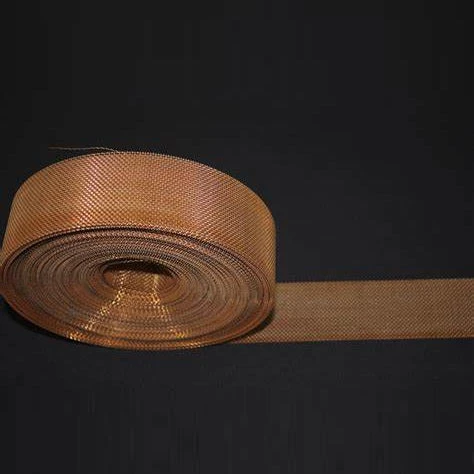

Why Choose a 100 Mesh Copper Screen for Industrial Applications?
After spending over a decade in the industrial equipment sector, I can tell you one thing for sure: filtration is often underestimated. 100 mesh copper screen has been a quiet workhorse in this space. It’s kind of like that reliable tool you keep coming back to in your kit—sturdy, versatile, and with a subtle punch of performance that you don’t always appreciate until you really need it.
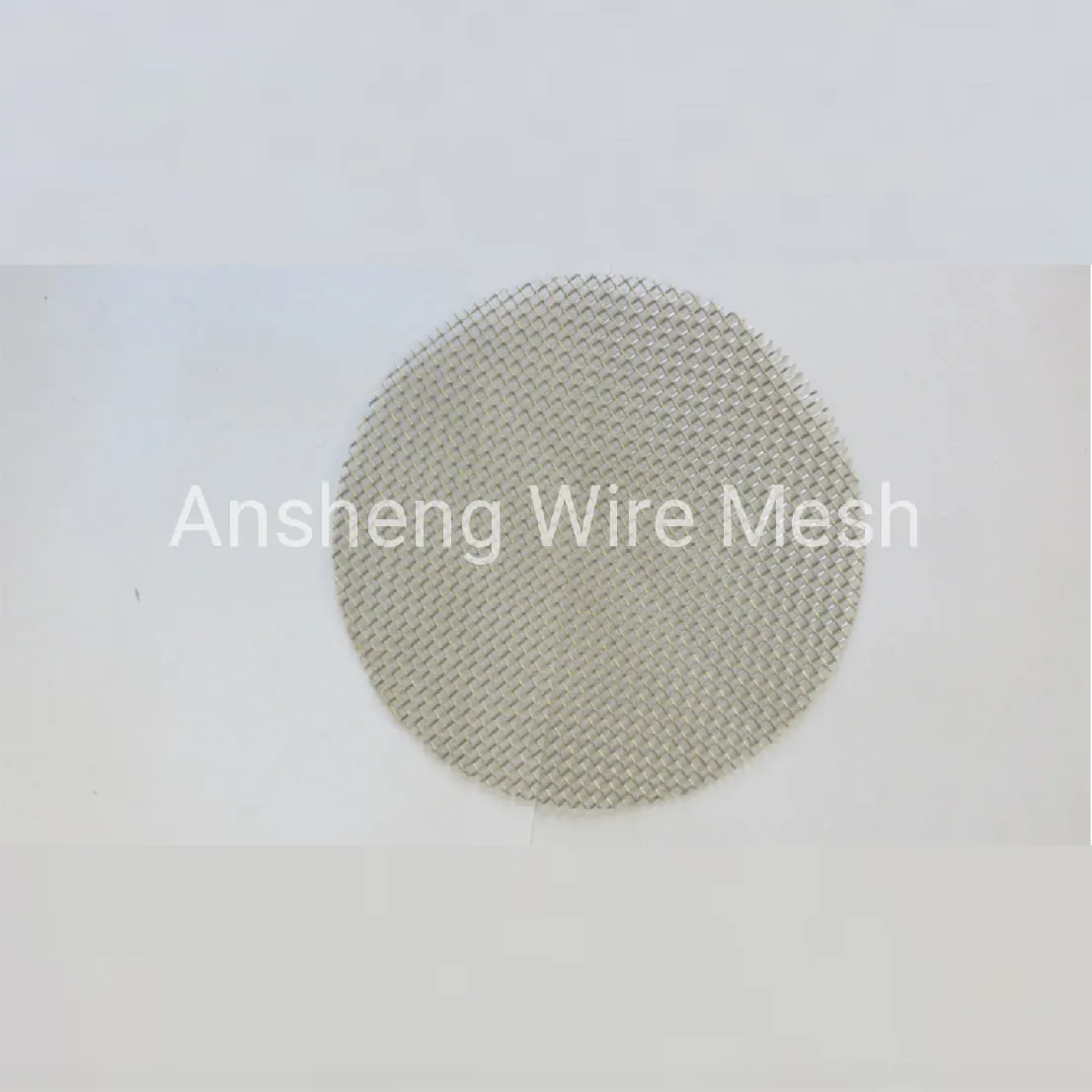
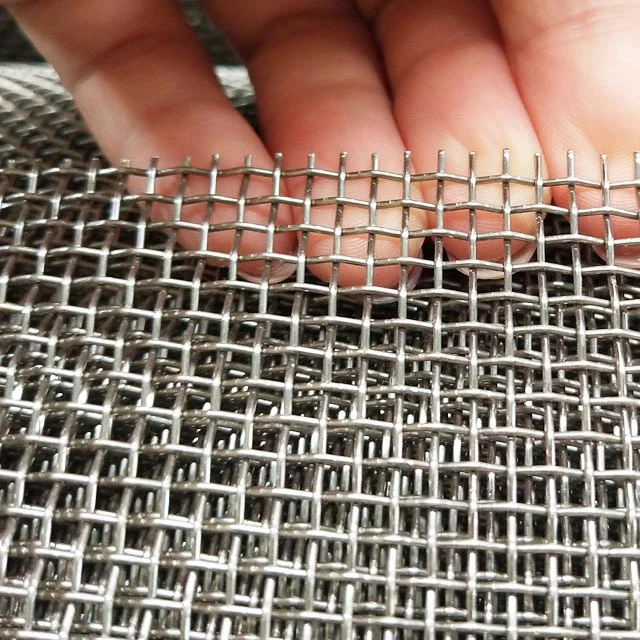
Oddly enough, while stainless steel screens get much of the spotlight for filtration, copper screens bring their own unique advantages, especially at the 100 mesh specification. In simple terms, mesh denotes how many openings per inch the screen has, and 100 mesh means the spaces are fine enough to filter very small particulates without sacrificing the strength or conductivity copper offers.
I’ve noticed in countless factory floor setups that copper’s natural antimicrobial properties sometimes come into play, especially where environmental conditions are less than ideal. Plus, copper tends to be more malleable than its steel cousins, so it can be customized or shaped to fit very specific filter housings. This flexibility translates into fewer fitment headaches and longer screen life.
100 Mesh Copper Screen: Product Specifications
| Feature | Specification |
|---|---|
| Mesh Size | 100 mesh (100 openings per inch) |
| Material | High Purity Copper |
| Wire Diameter | ~0.12 mm (varies by vendor) |
| Weave Type | Plain Weave |
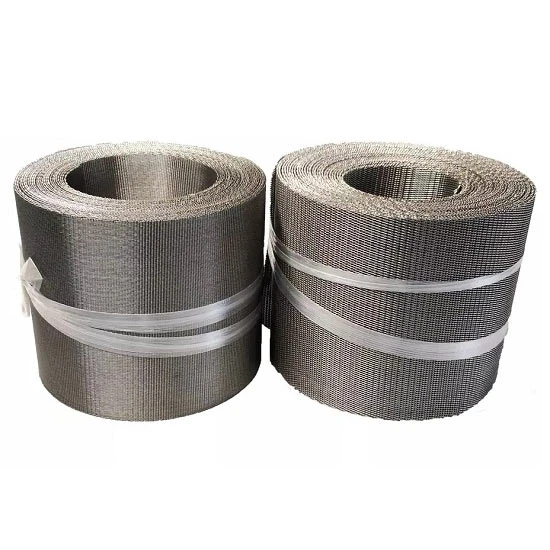
| Typical Sheet Size | 1m x 1m (can be customized) |
| Application Temperature Range | -50°C to 300°C |
Choosing the Right Supplier: A Quick Comparison
| Vendor | Material Quality | Customization Options | Lead Time | Pricing |
|---|---|---|---|---|
| Ansheng Filter Screen | High purity copper, consistent specs | Custom sizes & meshes available | 2-3 weeks typical | Competitive |
| Generic Local Supplier | Varies, sometimes reprocessed copper | Limited, mostly standard sizes | 1-2 weeks | Often cheaper but less reliable |
| Large Industrial Supplier | High quality, but often mixed alloys | Custom orders available, higher MOQ | 4-6 weeks | Premium pricing |
In real terms, investing in a 100 mesh copper screen means you’re opting for a balance between fine filtration capability and durability. Many engineers I know prefer it when working with fine particulate filtration in chemical processing or electronics manufacturing because copper’s conductivity also helps in static dissipation — something you might overlook until a problem arises.
I remember a particular client in the aerospace sector who switched to a 100 mesh copper screen after several issues with clogging filters. The new screen’s tighter weave and smooth copper finish reduced maintenance headaches significantly. It’s not a miracle fix — no screen is — but in their case, it was a game-changer.
Frankly, you could spend hours debating all the nuances of filter materials. But one takeaway stands out: don’t overlook the humble copper screen, especially when you need a mesh fine enough to catch stubborn debris without compromising flow.
If you have a knack for precision and durability, the 100 mesh copper screen just might be your next go-to.
References & Resources
- “Copper Mesh Filters & Industrial Applications” – Industrial Filtration Journal, 2022
- Technical Data Sheet, Ansheng Filter Screen Co.
- “Choosing the Right Filter Mesh” – Manufacturing Today Magazine, 2023
Post time: Dec . 03, 2025 20:32