
Understanding copper knitted wire mesh: Why it’s a go-to in industrial filtration
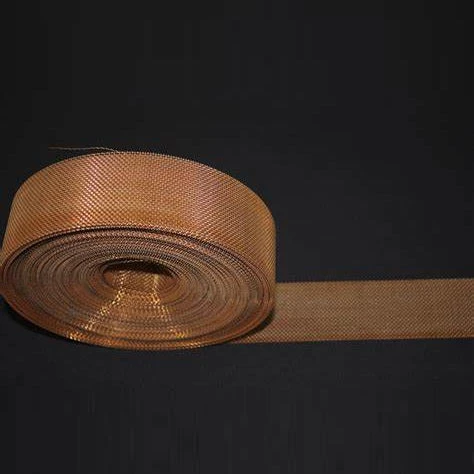
If you’ve ever dipped a toe into the industrial equipment world, especially filtration or shielding, you might've come across copper knitted wire mesh. Oddly enough, it’s one of those unsung heroes—working quietly behind the scenes but critical to many processes. I’ve spent years dealing with all sorts of mesh materials, and copper knitted varieties stand out because of some pretty neat properties.
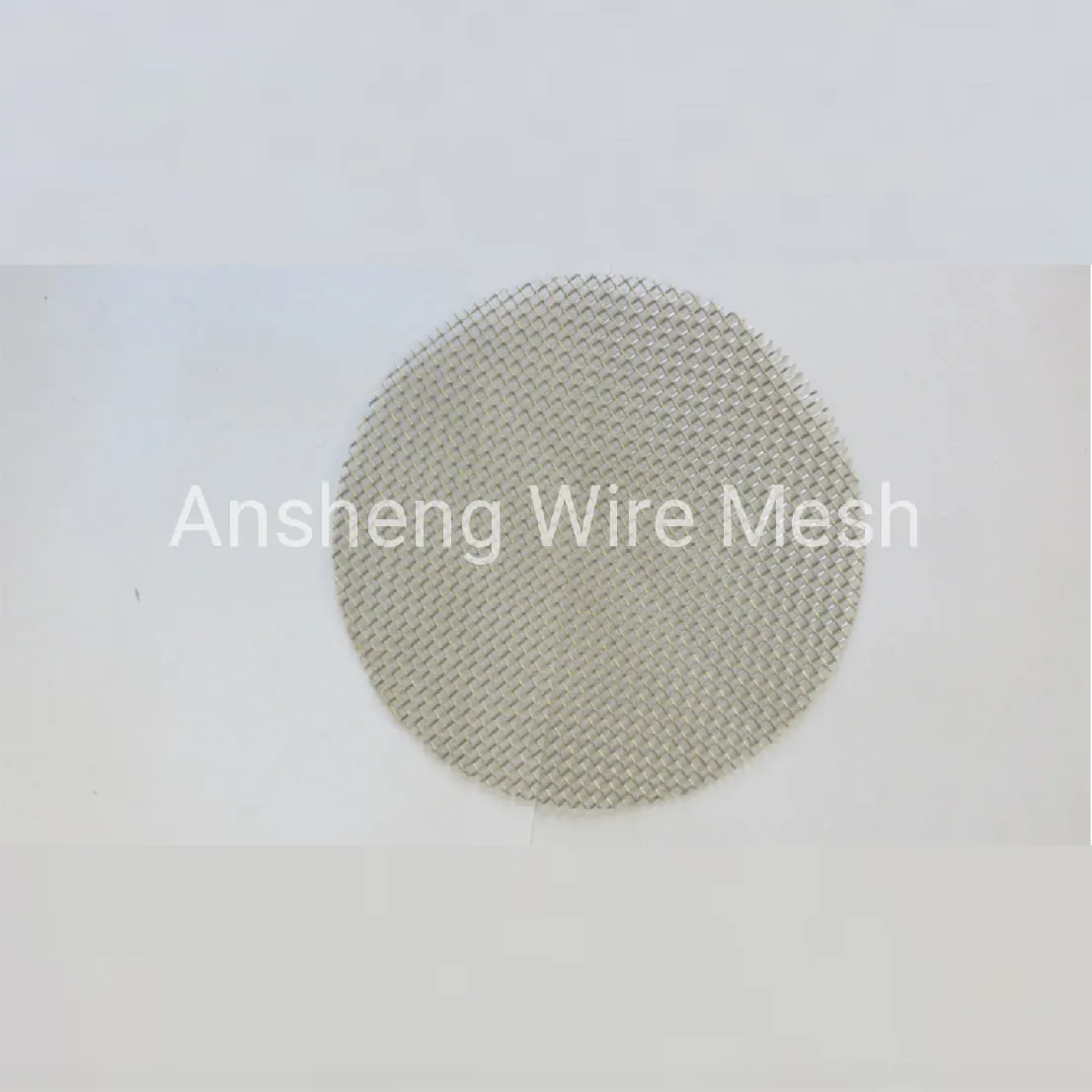
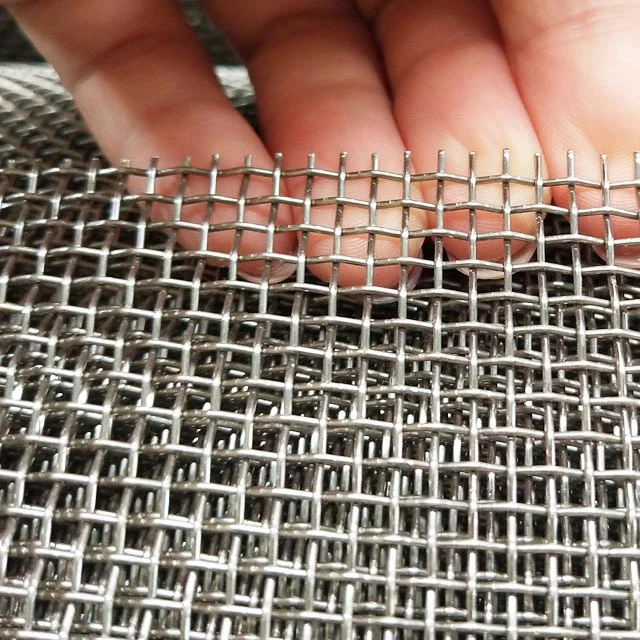
First off, copper itself is just a fantastic raw material. It’s naturally corrosion-resistant, which in real terms means it lasts longer and doesn’t gunk up like steel might in moist, chemically aggressive environments. But what really makes knitted wire mesh special is the method of construction. Instead of weaving or weaving, knitting the wire creates a flexible, springy mesh that can be customized to fit all sorts of odd shapes or tight assemblies without compromising filtration integrity.
Many engineers I’ve talked with appreciate how copper knitted wire mesh combines conductivity with filtration. It’s often used for EMI/RFI shielding as well, which frankly makes it a two-in-one in many electronic or aerospace applications—that versatility is pretty valuable.
Product Specifications: What to expect from typical copper knitted wire mesh
| Specification | Details |
|---|---|
| Material | Oxygen-Free Copper / High Conductivity Copper |
| Mesh Type | Knitted, spring-like construction |
| Wire Diameter | 0.05 mm to 0.4 mm (customizable) |
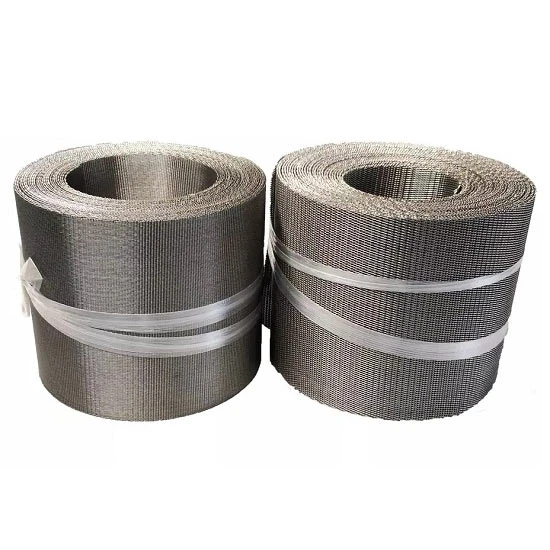
| Standard Sheet Size | 1m x 1m or cut to specs |
| Common Applications | Filtration, shielding, gasketing, EMI/RFI protection |
| Custom Options | Layering, shape forming, treated finishes |
Speaking from experience, some of the most demanding applications call for copper knitted wire mesh that can handle temperature swings and repeated mechanical flexing. Frankly, this product consistently delivers, especially when it’s sourced from reliable factories. You know, those that stick to stringent quality controls, test diameters minutely, and confirm conductivity.
How copper knitted wire mesh stacks up among vendors
| Vendor | Material Quality | Customization | Delivery Time | Price Range |
|---|---|---|---|---|
| Ansheng Filter Screen | High - Oxygen-Free Copper | Excellent - Shapes & Sizes | 2-4 weeks | Mid-range |
| Vendor B | Medium - Standard Copper | Limited | 3-5 weeks | Low |
| Vendor C | High - Electrolytic Tough Pitch | Good | 4-6 weeks | Higher-end |
I recall a project some years ago where the client needed a shield that would maintain consistent shielding effectiveness in an environment exposed to salty sea spray. Copper knitted wire mesh from a trusted Chinese supplier, specifically Ansheng Filter Screen, was chosen. The material's oxygen-free properties helped it resist corrosion better than anyone expected—a subtle, but crucial success.
There’s always some element of trial and error with mesh products; not every mesh fits every job perfectly. But copper knitted wire mesh has this kind of forgiving adaptability — you can stretch it, compress it, bend it — and still get good results.
Lastly, from a sustainability perspective, copper is recyclable. Many suppliers now emphasize sourcing ethically and minimizing waste. Given rising industry standards, it’s heartening to see these improvements— mesh isn’t just about performance anymore, but also about responsibility.
If you’re somewhere in the market for robust, reliable filtration or shielding solutions, diving into the specs and real-world usage stories behind copper knitted wire mesh might just save you some headaches down the line.
Reflecting on this, it seems clear: copper knitted wire mesh remains a versatile stalwart in industrial filtration for good reason.
References
- Industry filtration standards – filtrationworld.com, 2022
- Copper mesh technical specs – Ansheng Filter Screen official literature, 2023
- EMI/RFI shielding best practices – electronicsweekly.com, 2021
Post time: Dec . 03, 2025 20:08