
Understanding Architectural Copper Mesh: Durability, Design, and Global Impact
Architectural copper mesh — it’s a niche material, but one with surprisingly broad applications. If you’re involved in architecture, construction, or even environmental design, understanding it can unlock creative solutions that marry aesthetics with function. Why does this matter globally? Well, copper mesh offers durability and sustainability at a time when building materials must balance style, safety, and environmental responsibility. Plus, it’s evolving with new tech, which is exciting for anyone focused on forward-thinking construction.
Why Architectural Copper Mesh is Gaining Worldwide Attention
Around the world, urbanization is climbing rapidly, and so is the pressure on architects and planners to choose materials that can endure and impress. According to the United Nations, nearly 68% of the world’s population is projected to live in urban areas by 2050 — an astounding statistic implying a crucial need for resilient, eco-friendly materials.[1]
This brings architectural copper mesh into the spotlight. It addresses practical challenges like weathering and corrosion while providing unique architectural flair — think facades shimmering with a warm patina that only copper can offer. Oddly enough, it also answers concerns about mass production and environmental sustainability better than many synthetic alternatives, since copper is highly recyclable.
What Exactly Is Architectural Copper Mesh?
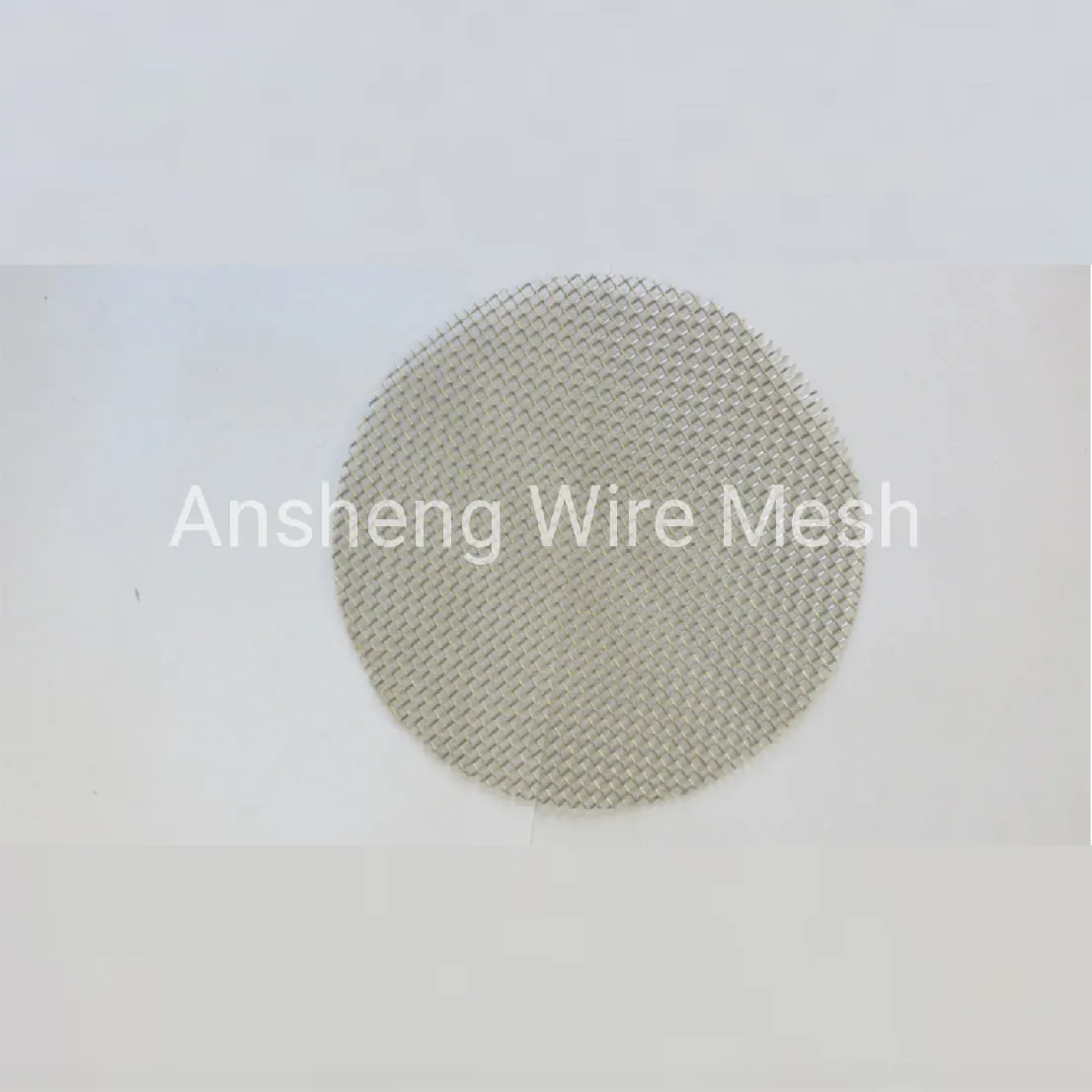
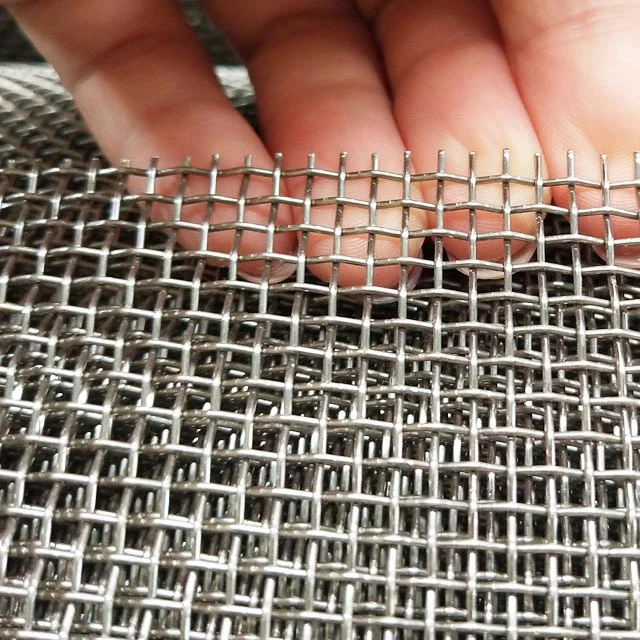
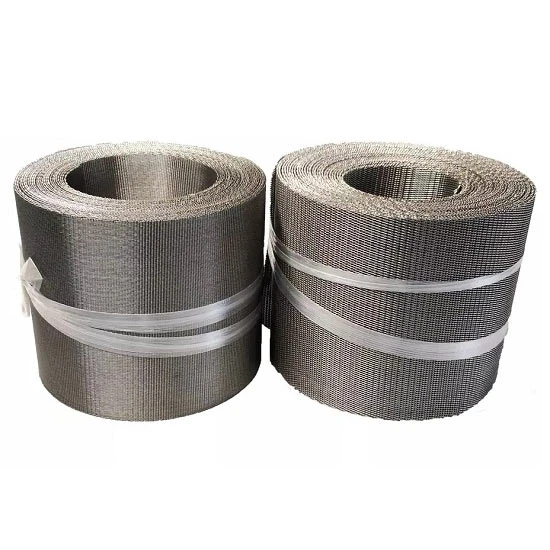
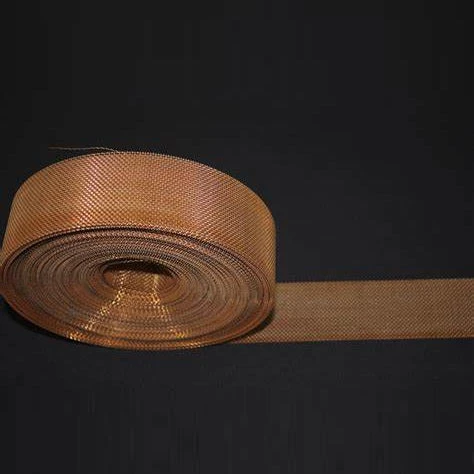
Simply put, architectural copper mesh is a woven or welded metal textile made primarily from copper wire. This mesh acts as a flexible but sturdy covering for building surfaces — whether it's the protective skin for a building facade or a decorative partition inside a lobby. It’s a material that connects the demand for both aesthetic beauty and functional durability.
In modern construction, copper mesh also serves humanitarian and environmental purposes: it's used in insect screens for malaria control, electromagnetic shielding in hospitals, and even in erosion control projects. So, it’s far from just a luxury architectural element; it plays roles in health and safety too.
Core Features of Architectural Copper Mesh
1. Durability
Copper naturally resists corrosion, forming a distinctive green patina over time that actually protects the underlying metal. This property means buildings clad in copper mesh can last decades without pricey replacements or maintenance.
2. Flexibility & Scalability
The mesh structure allows bending and shaping to complex architectural forms, which is why designers love it. Whether covering a curved pavilion or a simple rectangular facade, copper mesh adapts well to different scales.
3. Thermal & Acoustic Properties
Because copper conducts heat well, mesh facades can help regulate temperature by shading; plus, their porous nature offers some sound attenuation — handy for noisy urban environments.
4. Sustainability
Copper is 100% recyclable without quality loss, reducing environmental impact over its lifecycle. Plus, its longevity means fewer resource-intensive refurbishments.
5. Aesthetic Appeal
Over time, copper ages beautifully. Many architects choose it for the evolving color palette — from shiny coppery-gold to earthy green. This patina adds character and tells a story unique to each building.
6. Cost Efficiency
While the upfront cost isn’t negligible, in the long run, reduced maintenance and replacement yield savings. Plus, copper mesh’s lightweight nature can reduce structural costs compared to heavier cladding alternatives.
Architectural Copper Mesh Specs — Typical Product Overview
| Specification | Details |
|---|---|
| Material Composition | 99.9% Pure Copper Wire |
| Wire Diameter | 0.20–1.00 mm (varies by product) |
| Mesh Opening | 1–20 mm (customizable) |
| Maximum Width | Up to 3 meters |
| Surface Finish | Natural, Patina, or Coated |
| Weight | 5–15 kg/m² |
Global Applications: Where Copper Mesh Shines
From Europe to Asia and North America, architectural copper mesh finds homes on landmark buildings, greenhouses, and public infrastructures. Some fascinating examples:
- Urban Facades: In cities like London and New York, copper mesh panels add texture and longevity to commercial buildings.
- Environmental Barriers: In tropical regions, copper mesh screens help keep insects away, reducing disease transmission.
- Cultural Landmarks: Museums and theaters use copper mesh to reflect classical heritage while modernizing appearance.
- Industrial Zones: Its durability makes it ideal in corrosive environments near ports or chemical plants.
Oh, and for those interested, architectural copper mesh suppliers often customize mesh to meet unique project codes or aesthetic visions, which is quite handy.
Comparing Top Architectural Copper Mesh Suppliers
| Supplier | Material Quality | Customization | Lead Time | Price Range |
|---|---|---|---|---|
| Ansheng Filterscreen | 99.99% Pure Copper | High – Custom mesh size & finish | 2–4 Weeks | Mid-Range |
| CopperCraft Ltd. | High Purity (98%) | Moderate | 3–6 Weeks | Premium |
| Metro Mesh | Standard Quality (95%) | Limited | 1–3 Weeks | Budget |
Benefits of Using Architectural Copper Mesh
- Long-Term Value: Its resistance to weather and corrosion means fewer repairs and replacements.
- Environmental Friendliness: Being recyclable and energy-saving aligns with global green building standards.
- Unique Architectural Statement: Adds a timeless, evolving aesthetic to any building.
- Health & Safety: Acts as an insect barrier and electromagnetic shield, enhancing occupant comfort.
Looking Ahead: Innovations in Copper Mesh
Innovations continue with copper alloys that are lighter and even more resistant to environmental damage. Embedded smart technologies, like sensors woven within the mesh, are on the horizon for building health monitoring.[2]
Sustainability remains a top priority, with companies exploring green extraction and recycling methods. Digital fabrication (like CNC weaving) is streamlining custom shapes and applying automation for precision.
Overcoming Challenges with Copper Mesh Implementation
Cost can be a stumbling block initially, but experts recommend accounting for lifecycle savings rather than just upfront expenses. Weather extremes might accelerate patina formation unevenly, so manufacturers suggest specific coatings or finishes to standardize appearance.
Sourcing high-purity copper wire during supply shortages is sometimes difficult. To address this, firms cultivate diversified supplier relationships and stockpile raw materials.
FAQ: Architectural Copper Mesh
- Q: How resistant is architectural copper mesh to harsh weather?
- A: Copper mesh is highly resistant to corrosion, especially because it develops a protective patina naturally. This allows it to withstand rain, wind, and even saline coastal environments for decades.
- Q: Can architectural copper mesh be customized for unique designs?
- Absolutely. Suppliers offer tailoring in wire diameter, mesh size, surface finishes, and panel shapes to suit specific architectural visions.
- Q: Is copper mesh sustainable compared to synthetic cladding?
- Yes. Copper is fully recyclable without quality loss, and its durability reduces waste and need for material replacement, making it a greener option.
- Q: What maintenance does copper mesh require?
- It generally requires minimal maintenance; routine cleaning is enough unless you want to preserve the shiny copper look, in which case occasional polishing is recommended.
- Q: How can international clients order custom architectural copper mesh?
- Most reputable suppliers like Ansheng Filterscreen offer international shipping and support custom orders via detailed consultation. It's good to engage early in the design phase for best results.
Conclusion
Architectural copper mesh wonderfully combines art, durability, and sustainability — a triple win for modern building design facing contemporary challenges. Whether you’re upgrading an urban facade or safeguarding a humanitarian structure, its long-term value and environmental benefits stand out.
Curious to explore more? Visit Ansheng Filterscreen’s site for detailed product info, custom options, and expert consultations.
Funny how a mesh of copper strands can hold so many stories — material science, design, history, and sustainability all woven together.
References
Post time: Dec . 04, 2025 01:30