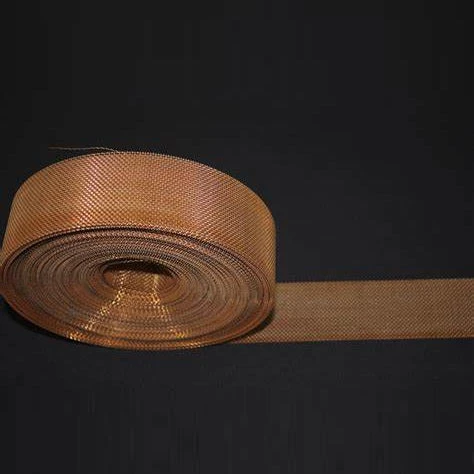

Why Copper Mesh Is the Go-To Solution to Keep Mice Out
Having worked around industrial equipment for over a decade, I can honestly say that pests like mice have been the bane of many operators' existence. You think you’ve sealed every possible entry, but somehow, a rodent slips through. That’s where copper mesh comes in—oddly enough, it’s one of the simplest yet most effective materials to keep these pesky invaders out.
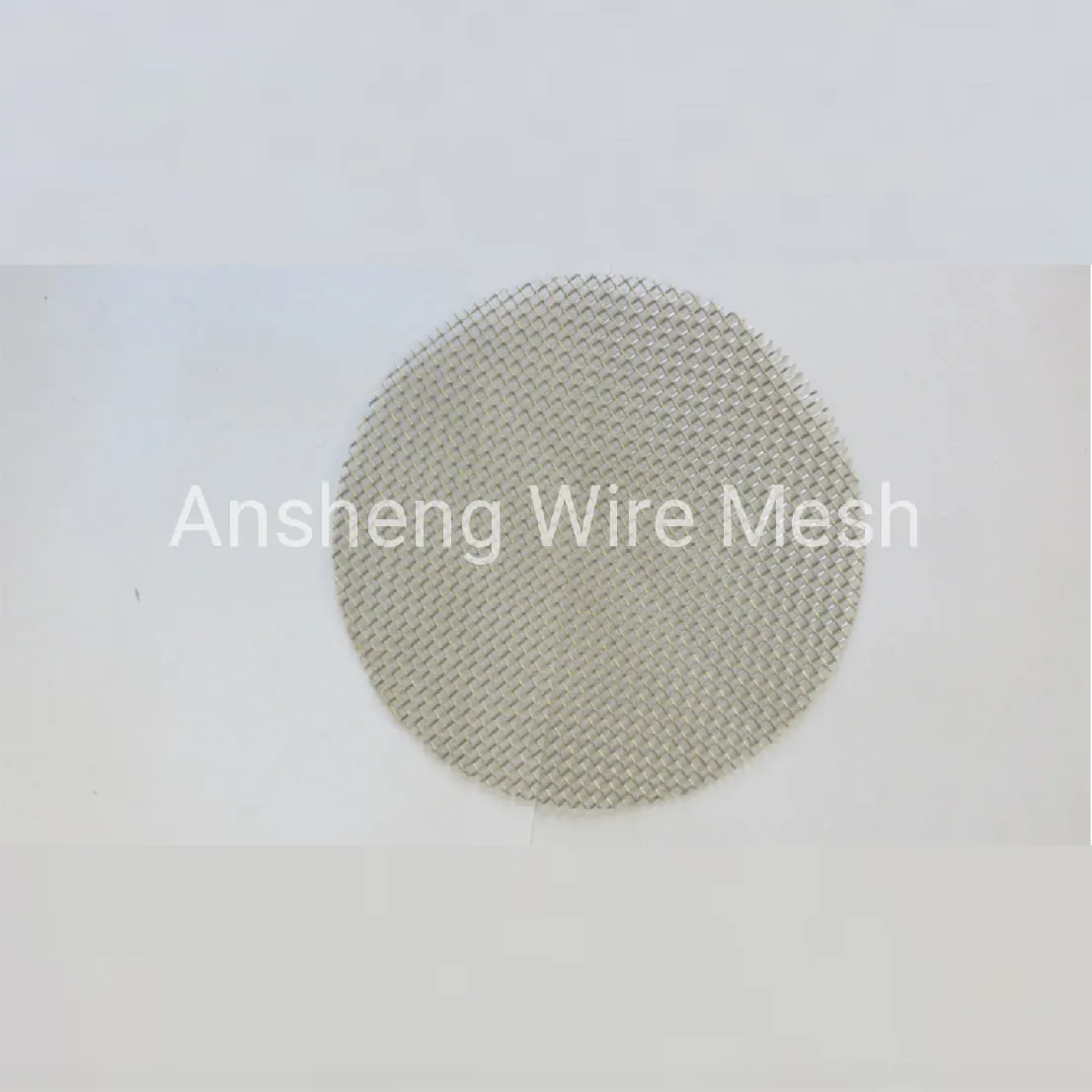
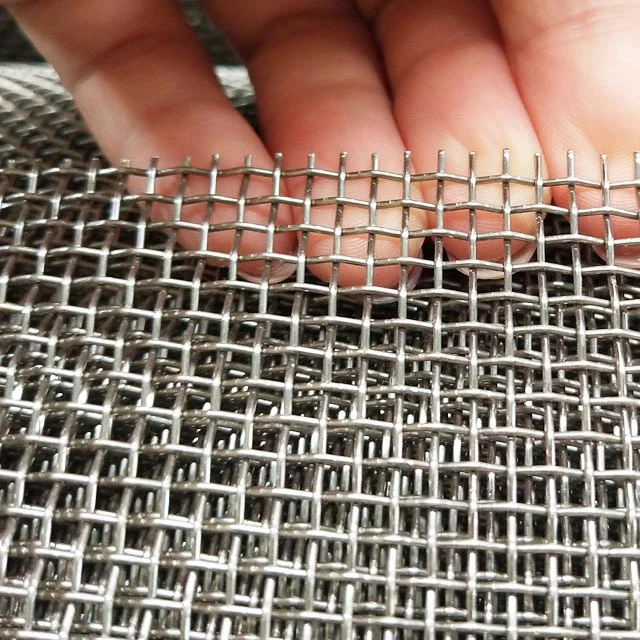
Copper mesh isn’t just patchwork for homes anymore; it’s been embraced by engineers and maintenance teams within industrial settings because it combines durability with natural resistance. You might wonder, “Why copper?” Well, first off, its malleability makes it easier to stuff into gaps where mice like to squeeze through—often smaller than a dime. Also, copper won’t rust or degrade quickly, unlike steel wool, which is a classic alternative but tends to break down and invite rust.
From my experience — and I’ve seen this on more than one job site — copper mesh stands up well to moisture and doesn’t deteriorate even in damp, harsh conditions. Another big plus: mice don’t chew through it as easily. It’s sort of like physical deterrence combined with copper’s natural antimicrobial properties. Maintenance crews often tell me this small upgrade cuts down repeat visits dramatically, saving time and cost in the long haul.
Key Product Specifications of Industrial Copper Mesh
| Specification | Details |
|---|---|
| Material | High-purity electrolytic copper |
| Mesh Size | 0.8 mm to 6 mm aperture options |
| Thickness | 0.2 mm to 0.5 mm (adjustable) |
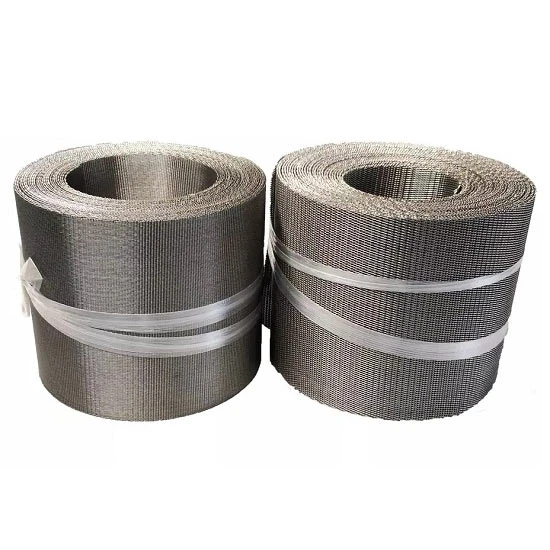
| Roll Length | 20 meters standard (custom lengths available) |
| Tensile Strength | ≥ 250 MPa |
Naturally, customization is kind of a thing; different industrial environments have varying demands. I recall one mill I visited where the engineers needed copper mesh that could withstand high humidity and brief chemical exposure. The supplier managed to tweak the specs slightly, ensuring the mesh held up with zero degradation over six months of heavy use.
How Does Copper Mesh Stack Up Among Vendors?
| Vendor | Quality | Customization Options | Price Range | Lead Time |
|---|---|---|---|---|
| Ansheng Filter Screen | Premium, consistent purity | Extensive, from mesh size to thickness | Mid to High | 2-3 weeks |
| CopperTex Solutions | Good, sometimes inconsistent gauges | Moderate | Low to Mid | 3-4 weeks |
| PureMesh Inc. | High, but less available in bulk | Limited | High | 4-5 weeks |
Someone once told me, “You get what you pay for,” and that’s certainly true here — but I think with copper mesh, the reliability and lower maintenance can actually save a bundle over time. It’s not just about the upfront cost, right? In real terms, having a tough, adaptable material protecting your gear from mice damage means fewer interruptions and less emergency patchwork.
Also worth mentioning: installation is fairly straightforward. You just stuff and seal the mesh in any symptomatic gaps — vents, pipe entries, or panel edges. Over the years, I’ve noticed maintenance teams getting pretty creative with it. Once, a plant used copper mesh wrapped around cables to prevent tunneling—effective and surprisingly neat.
Frankly, much of the industry chatter I hear circles back to how copper mesh aligns well with sustainable practices. Unlike synthetic mousetraps or harsh poisons, it’s an eco-friendly barrier—reusable and recyclable, which matters more these days than ever.
So if you’re wrestling with rodents in an industrial facility, copper mesh isn’t just a temporary fix. It feels like a long-haul defender that many engineers and facility managers swear by. It might be time to give this overlooked hero a closer look.
Just my two cents after years of dusty warehouses and early morning maintenance rounds.
References
- Industry Maintenance Manuals, 2018-2023
- Supplier Data Sheets, Ansheng Filter Screen, 2023
- Personal Interviews with Facility Engineers, 2020-2023
Post time: Dec . 03, 2025 17:54