
Understanding t 304 Stainless Steel Wire Mesh: A Global Perspective
Stainless steel wire mesh might not be a household phrase, but its significance spans far beyond just industrial use. Among the variants, t 304 stainless steel wire mesh stands out for its exceptional durability and versatility, utilized worldwide in applications ranging from infrastructure to humanitarian efforts. Understanding this particular mesh is crucial—not just for engineers or procurement officers but anyone interested in global manufacturing trends, sustainability, and innovation.
From improving water filtration to reinforcing building materials, this mesh plays a silent but pivotal role. Frankly, in an age of rapid urbanization and climate challenges, having resilient yet adaptable materials like t 304 stainless steel wire mesh can make the difference between success and costly failure.
Global and Industry Context: Why t 304 Stainless Steel Wire Mesh Matters
Globally, stainless steel production reached around 54 million metric tons in 2022, with type 304 stainless steel accounting for a major share due to its corrosion resistance and formability (source: World Steel Association). Wire mesh forms a subset of this production but is indispensable in sectors like construction, filtration, and food processing.
One big challenge is that environmental factors—humidity, salt spray, or corrosive chemicals—can rapidly degrade typical metal meshes, threatening infrastructure safety or product purity. This is exactly where the 304-grade stainless steel mesh excels. It resists oxidation and chemical damage far better than cheaper alternatives.
In humanitarian contexts, especially post-disaster rebuilding, t 304 stainless steel wire mesh offers fast, durable solutions for shelters and water purification systems, helping communities recover faster and more sustainably.
Defining t 304 Stainless Steel Wire Mesh
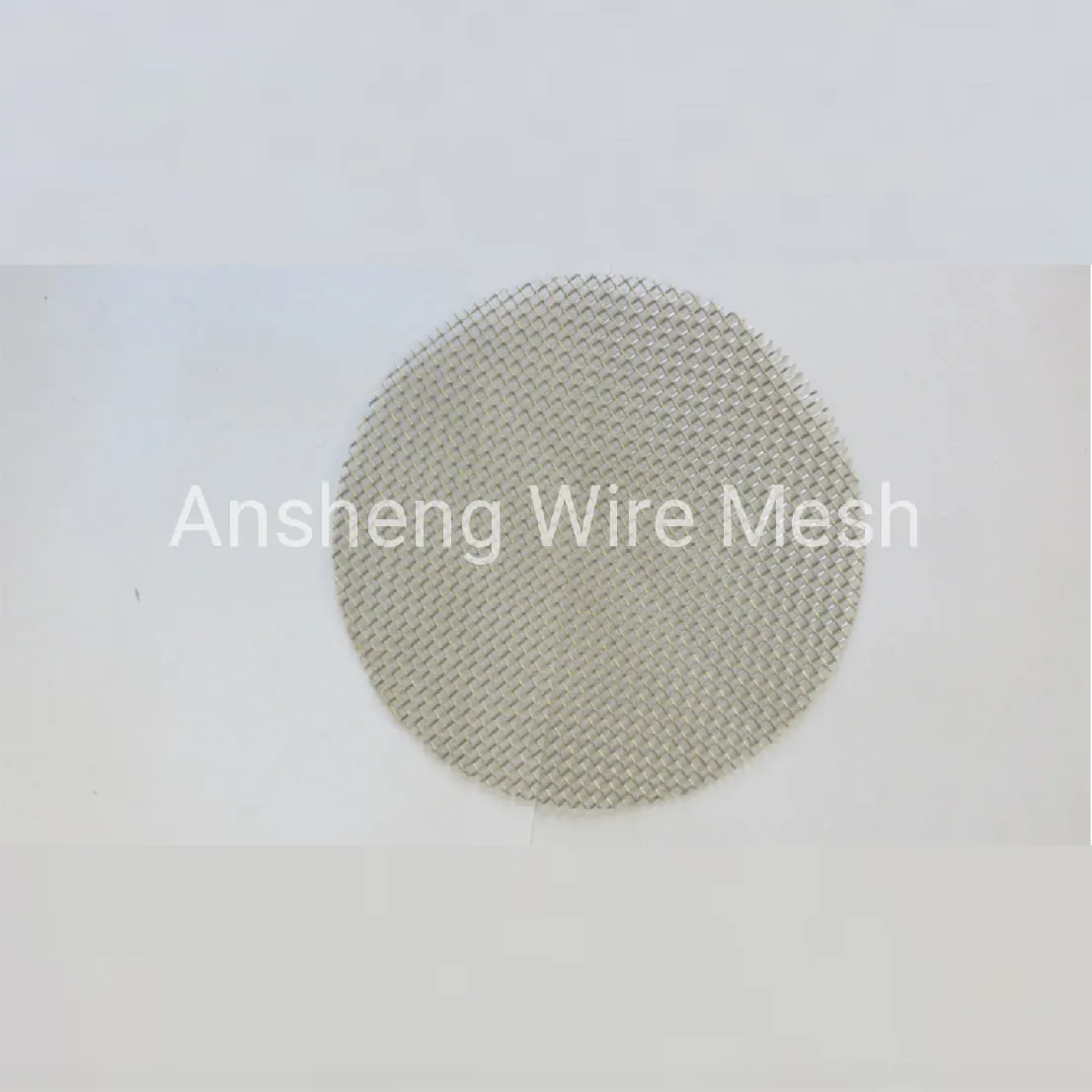
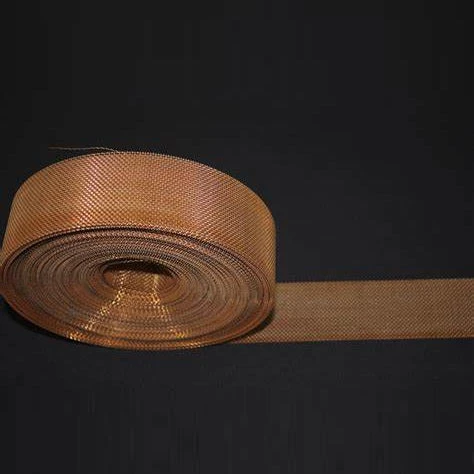
Simply put, t 304 stainless steel wire mesh is a woven metal fabric made from type 304 stainless steel wires. This steel alloy combines roughly 18% chromium and 8% nickel, delivering a solid barrier to corrosion and wear.
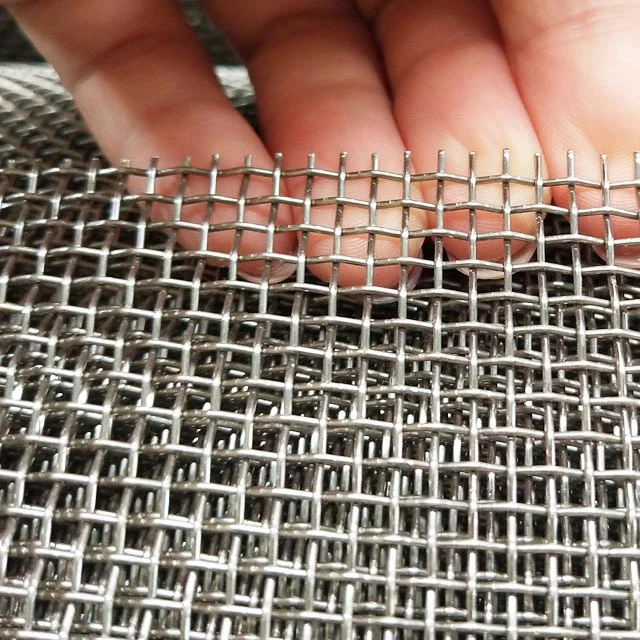
The mesh’s weave patterns and wire thickness can vary widely, allowing customization to specific industry needs. Whether it’s a fine filter for pharmaceuticals or a heavy-duty grid for fencing, the “t 304” specifies the steel quality, ensuring the mesh lasts longer and performs better under tough conditions.
Considering its uses today—from industrial filters that need to withstand aggressive chemicals to architectural panels designed to resist weather—knowing exactly what “t 304 stainless steel wire mesh” means puts you a step ahead in quality assurance and supply chain management.
Key Characteristics of t 304 Stainless Steel Wire Mesh
- Durability: The chromium-nickel combo forms a passive layer of chromium oxide, preventing rust and increasing lifespan.
- Corrosion Resistance: Effective against moisture, many acids, and alkalis, making it suitable for marine and chemical industries.
- Flexibility & Scalability: Available in multiple weave patterns—plain, twill, dutch weave—giving manufacturers room to tailor filtration or structural needs precisely.
- Cost Efficiency: Although pricier upfront than common steel, its longevity and low maintenance often result in lower total lifecycle costs.
- Hygiene & Cleanability: Ideal for food processing or pharmaceutical use, where contamination control is paramount.
- Thermal Stability: Can withstand temperatures up to 870°C, fitting high-heat processing roles.
Each of these factors reflects real-world utility, ranging from infrastructure resilience in coastal cities to clean drinking water initiatives in developing countries.
Mini takeaway: If you’re weighing options for high-performance metal mesh, t 304 stainless steel's mixture of durability and versatility often tilts the scale in its favor.
Product Specifications at a Glance
| Specification | Details |
|---|---|
| Material | Type 304 Stainless Steel Alloy (18% Cr, 8% Ni) |
| Wire Diameter | 0.025 mm to 4.0 mm (customizable) |
| Weave Types | Plain, Twill, Dutch, Crimped |
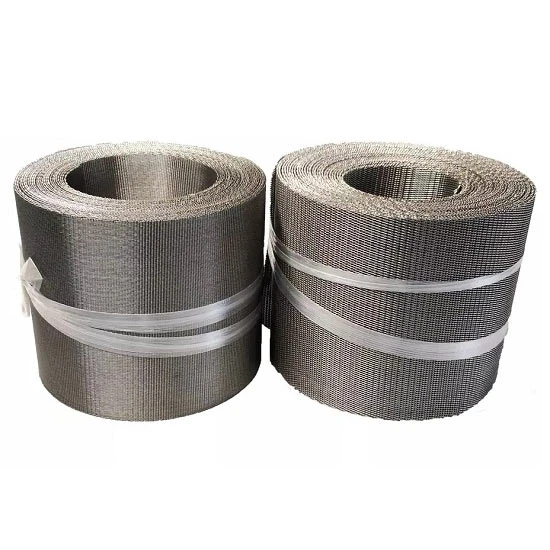
| Standard Width | 0.5m to 2m (varies by manufacturer) |
| Temperature Range | -196°C to 870°C |
| Corrosion Resistance | Excellent (particularly to oxidizing environments) |
Global Applications & Use Cases
It might seem like a niche product, but t 304 stainless steel wire mesh is everywhere once you know what to look for. Here are some snapshots:
- Water Pretreatment and Filtration: Governments in regions facing water scarcity, such as parts of Africa and Southeast Asia, employ these meshes in biofiltration setups to provide cleaner, pathogen-reduced drinking water.
- Architectural Panels: In temperate and coastal cities worldwide, these meshes reinforce building facades and sunshades while maintaining aesthetic appeal.
- Industrial Sieving: Precision industries in Europe and North America utilize them in food processing, pharmaceuticals, and chemicals for consistent particle sizing.
- Marine Applications: Rust-proof fencing and barriers around harbors, particularly in saltwater environments, rely heavily on the corrosion resilience of t 304 steel.
One intriguing example: In post-tsunami Indonesia, rapid deployment of filtration units featuring t 304 stainless steel wire mesh saved countless lives by restoring potable water access within days (source).
Mini takeaway: This mesh isn’t just industrial jargon—it's a lifeline in fragile environments.
Vendor Comparison: Key Suppliers of t 304 Stainless Steel Wire Mesh
| Vendor | Quality Certification | Pricing | Delivery Time | Customization Options |
|---|---|---|---|---|
| Ansheng Filter Screen | ISO 9001, ASTM Compliance | Competitive | 2-3 weeks standard | Wide range (wire diameter, weave types) |
| Global Wire Mesh Inc. | ISO 14001 | Higher | 3-4 weeks | Standard customization |
| Metro Mesh Ltd. | ASTM Compliance | Moderate | 5-6 weeks | Limited customization |
Advantages and Long-Term Value
Why choose t 304 stainless steel wire mesh over cheaper alternatives? The reasons are both practical and emotional.
- Cost Savings Over Time: Reduced maintenance and replacement offset the higher initial price.
- Sustainability: Fully recyclable and reducing material wastage by lasting longer.
- Social Impact: Enhanced safety and hygiene in public facilities and humanitarian projects.
- Trust and Reliability: Users gain peace of mind knowing the mesh won’t fail prematurely.
- Innovation Pathways: Enables advanced designs, such as smart sensors embedded within mesh structures.
In fact, many engineers I spoke with consider this mesh the “workhorse of industrial filtration.” It blends durability with adaptability—something that can't be said for every material out there.
Emerging Trends and Innovations
Looking forward, the future seems bright for t 304 stainless steel wire mesh. Some interesting developments include:
- Green Coatings: Applying eco-friendly surface treatments to improve lifespan even more without toxic chemicals.
- Integration with IoT: Embedding sensors for real-time monitoring of mesh integrity or filtration performance.
- Automated Manufacturing: Robotics boosting production precision and scalability.
- Hybrid Materials: Combining stainless steel mesh with polymers or ceramics for novel composite filters.
These innovations tie into global pushes for sustainability and efficiency, aligning with UN Sustainable Development Goals like clean water and sustainable industrialization (source).
Challenges & Solutions
It’s not all rosy, though. Challenges remain:
- Cost Barrier: Upfront costs can limit access, especially in low-income regions.
- Weight: Stainless steel meshes are sometimes heavier than aluminum or plastic counterparts, complicating transport.
- Customization Lead Times: Complex weave patterns may require longer lead times, affecting project schedules.
However, manufacturers are addressing these with modular designs, economies of scale, and flexible production lines. For NGOs, partnering directly with manufacturers like Ansheng Filter Screen can streamline procurement and ensure tailored specs.
FAQ: Frequently Asked Questions About t 304 Stainless Steel Wire Mesh
- What makes t 304 stainless steel wire mesh better than ordinary steel mesh?
- Type 304 stainless steel offers superior corrosion resistance due to its chromium and nickel content, making it suitable for harsh environments where ordinary steel would rust quickly.
- How long does t 304 stainless steel wire mesh typically last in outdoor applications?
- With proper maintenance, this mesh can last 20+ years outdoors, especially in less aggressive environments. Coastal or industrial areas might slightly reduce longevity without protective measures.
- Is t 304 stainless steel wire mesh environmentally sustainable?
- It is recyclable and often reused, with a production process increasingly adopting greener practices — making it a more sustainable choice than many alternatives.
- Can t 304 stainless steel wire mesh be customized for specific industrial filtration needs?
- Absolutely. The mesh size, weave pattern, and wire diameter can be tailored precisely to filtration requirements, ensuring optimal performance.
- How do NGOs procure high-quality t 304 stainless steel wire mesh globally?
- By working with certified manufacturers like those listed, NGOs benefit from compliance with international standards and can arrange direct shipping, cutting costs and delays.
Conclusion and Call to Action
In real terms, t 304 stainless steel wire mesh is more than just a metal fabric — it’s an enabler of innovation, quality, and resilience in countless applications worldwide. Its enduring strength, versatile design, and growing innovations make it an indispensable material that meets today’s global challenges head-on.
If you’re looking to invest in reliable wire mesh solutions or want to learn more about how this material can elevate your projects, I encourage you to visit our website and explore the full range of offerings tailored to your needs.
Taking a moment to consider the humble wire mesh today—who knew it packs such a punch?
References:
Post time: Dec . 02, 2025 12:25